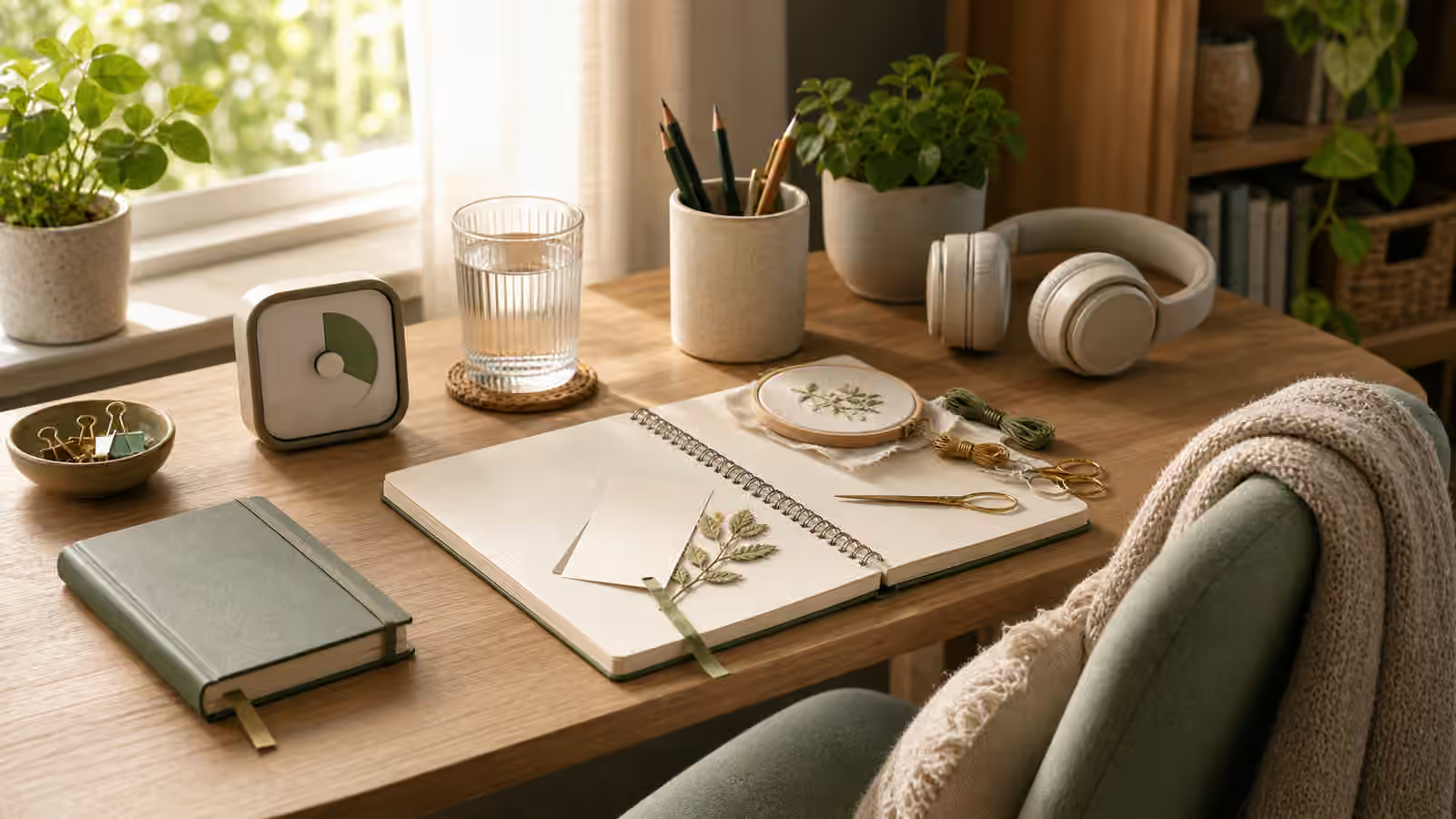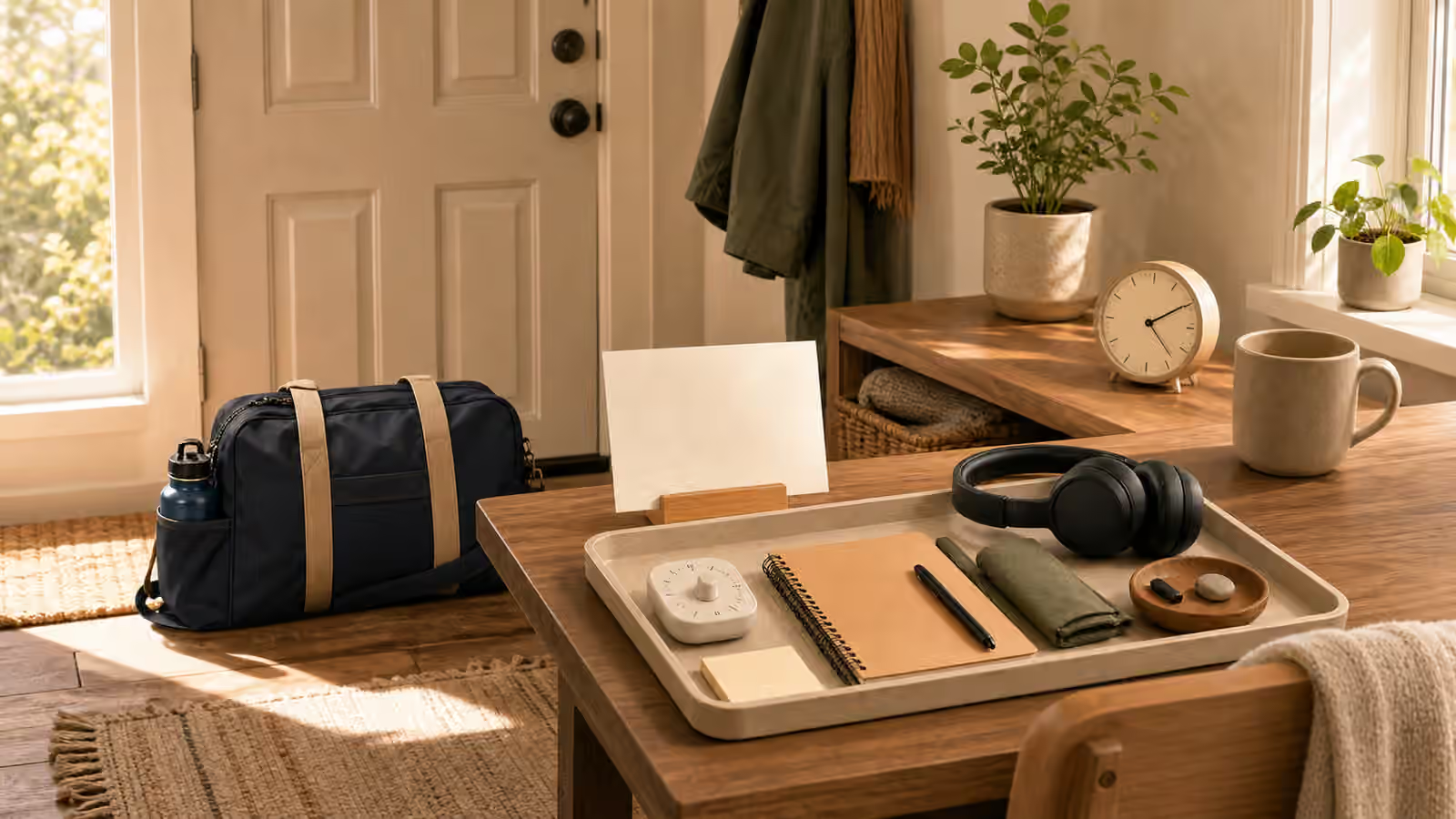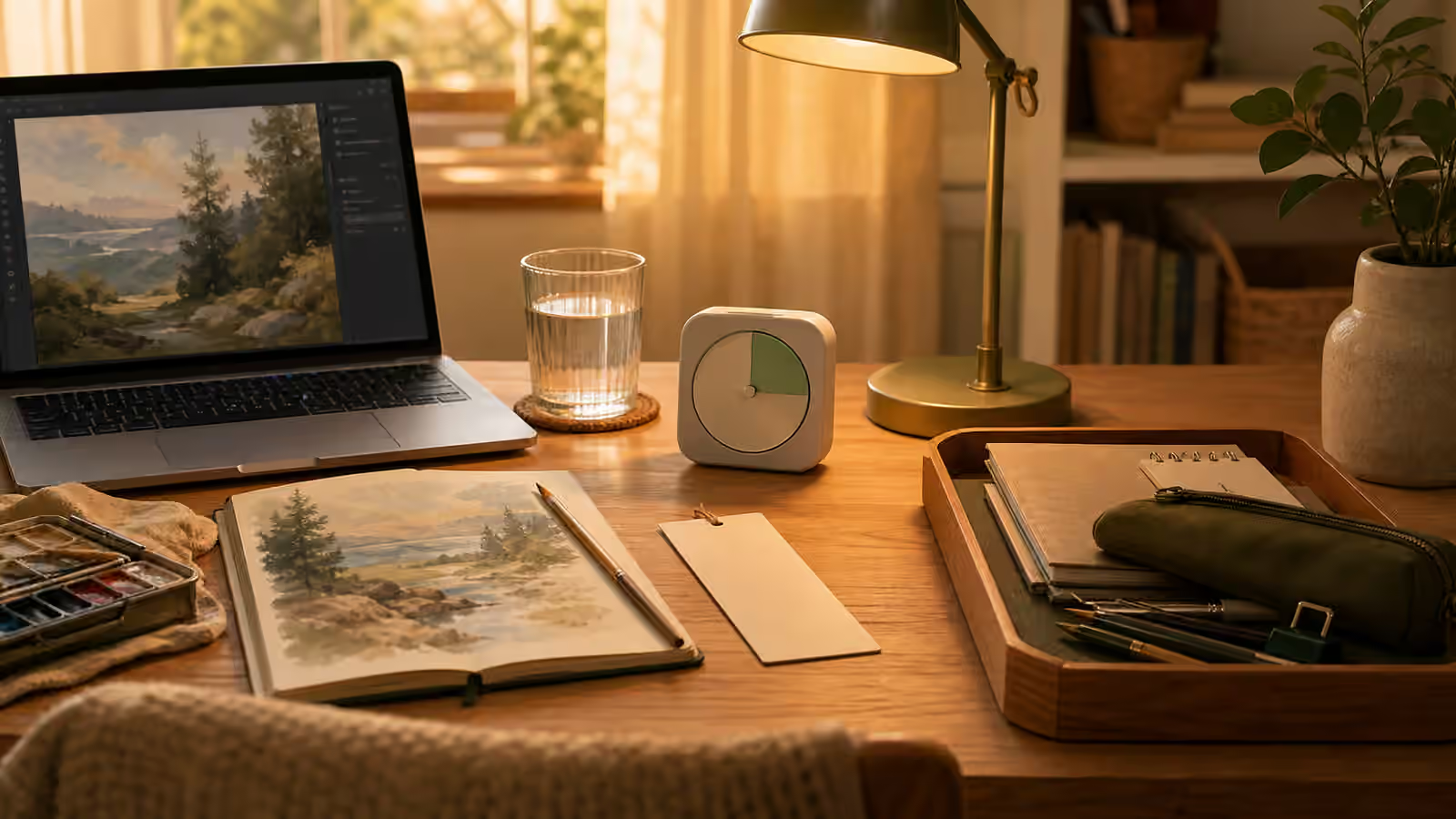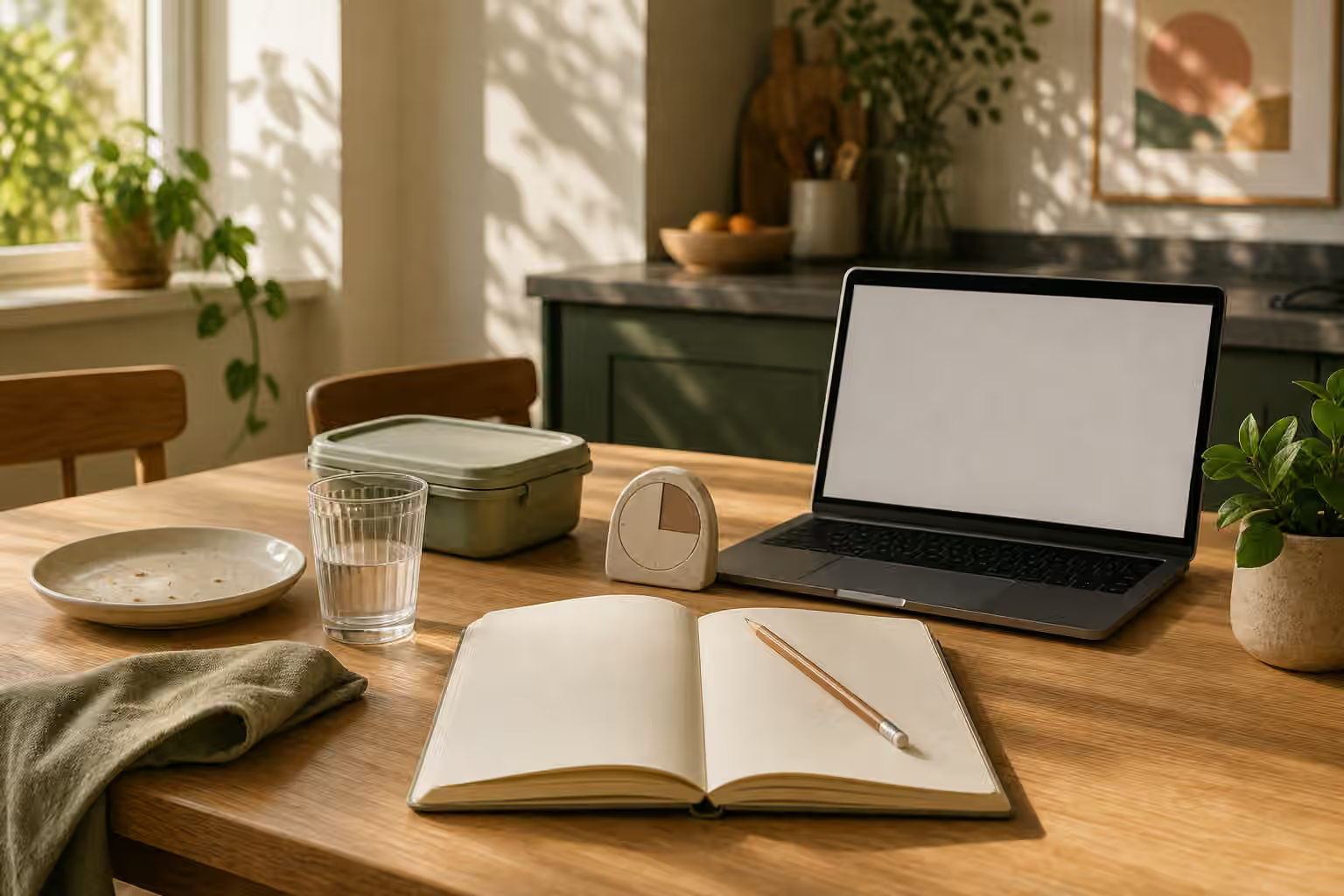
Lunch can be a real break and still become a difficult transition. The morning task has cooled. The desk is in another room. The kitchen offers side quests. A phone that was supposed to provide music opens messages. Dishes ask to be handled. The next obligation is close enough to create pressure but vague enough to avoid. A midday pause can quietly turn into an unmarked ending.
A lunch break restart gives the pause an exit. It does not make lunch efficient in a grim way, and it does not turn rest into another performance. It simply leaves a visible bridge between eating and returning, so the next task does not have to be rebuilt from memory after the plate is empty.
Mark the Task Before the Break
The restart begins before lunch. If the morning task stops without a marker, lunch has to hold too much context. You may remember that you were working on a report, studying a chapter, sorting papers, answering messages, or cleaning a room, but the exact next move is gone. Returning then requires both task initiation and task reconstruction.
Before leaving for lunch, write the next physical move. It can be plain: reopen the document at the notes section, copy the first source title, put the laundry into the dryer, answer the message with the date, or place the form in the outgoing folder. The note should tell your hands what to touch after lunch.
This is a direct use of Breaks With Return Points . A break is easier to trust when the return point is visible. Without one, the break may feel dangerous, as if stopping means losing the whole task. With one, lunch is allowed to be lunch because the work has a breadcrumb.
The marker can live where the return happens. A note on the laptop, a pencil across the notebook page, a tab left in the correct place, or a tray holding the active paper can all work. The marker should be visible before the phone, inbox, or kitchen cleanup gets a chance to become the next default.
Make Lunch a Pause, Not a Portal
Some lunches become portals into unrelated loops. You sit down to eat and open a feed, then a message, then a shopping search, then the news, then an old tab. Or you begin clearing one dish and end up trying to reset the whole kitchen. None of those actions is morally wrong. The problem is that they do not have an exit, and the next task loses its place.
A startable lunch has an edge. That edge might be a clock, a timer, a song, a plate on the counter, a short walk, or the rule that messages wait until after the first return move. The edge should not feel like punishment. It should make the pause readable. You are not trying to erase pleasure from the middle of the day. You are trying to prevent the pause from pretending it has no end.
Digital Distraction Map can help if the phone is the portal. Decide what the device is for during lunch. Music, a call, a recipe, or a brief message may be part of the break. Endless doors are different. If the phone repeatedly steals the restart, place the return note somewhere physical and let the device enter only after that note has been touched.
Household portals need the same boundary. Dishes, counters, mail, and grocery thoughts may all appear during lunch. If a kitchen task truly needs attention, give it a small container. Put the plate in the sink, wipe the one spill, or move the lunch container to the bag. Do not require a full kitchen reset before returning unless that was already the planned task.
Choose a Reentry Motion, Not a Mood
Waiting to feel ready after lunch can leave the afternoon dependent on a mood that may not arrive. The body may feel slower. The morning urgency may be gone. The task may seem distant. A reentry motion gives the transition a physical beginning even when the feeling is neutral.
The motion should be tiny and specific. Carry the glass to the sink and walk to the desk. Open the notebook to the marked page. Put headphones beside the laptop. Set the active paper on the table. Move the chair into position. Touch the timer. The motion is not the whole task. It is the bridge back to the place where the task can start.
Transition Routines uses this principle across many changes of state. Lunch is a transition from care, rest, or nourishment back into work, study, household action, or errands. A transition works better when it has a repeated cue. If the cue changes every day, the mind has to design the bridge again. If the cue stays simple, the body can learn it.
The reentry motion should fit the setting. A remote worker might carry a mug to the desk and open the task note. A student might place the lunch container in a backpack and open the assignment page. A caregiver might put the kitchen timer away and move the active household paper to the counter. The motion should belong to the next context, not to an imagined perfect routine.
Protect the First Five Minutes
The first five minutes after lunch are fragile because the day is renegotiating itself. If the next task is vague, attention will choose a more available door. If the task is too large, the afternoon may begin with avoidance. If the first step requires several decisions, lunch drift can continue under a different name.
Use the first five minutes for reentry only. Read the return point. Open the material. Do the first small action. If the task needs planning, plan only the next round. If the work feels too hard for the current energy, use Energy-Matched Task Menu to choose a smaller version rather than abandoning the afternoon entirely.
This is not a rule about productivity. It is a way of giving the next part of the day a clean entrance. Once the first five minutes have happened, the task has shape again. You may continue, pause, change tasks, or discover that something else is more urgent. But the decision will be made from contact with the task instead of from the fog around it.
If the restart fails, leave a note instead of treating the day as gone. Write what blocked the return. Was the next move unclear? Did the phone stay open? Did lunch cleanup expand? Was the task too demanding for the energy available? One sentence of evidence can make tomorrow’s lunch bridge better.
Give Dishes and Devices a Landing
Lunch leaves objects behind. Plates, cups, wrappers, lunch containers, utensils, phones, chargers, and bags can scatter into the next task. If those objects remain unresolved, they become visual noise or future friction. The landing does not need to be a full cleanup. It needs to prevent lunch from creating the next avoidable start problem.
A dish landing might be as small as plate to sink, container to bag, wrapper to bin, water bottle refilled. A device landing might be phone face down, charger in the work bag, laptop open to the return point, headphones beside the task. The landing should happen before the first deep work attempt, because once the task starts, loose lunch objects may become interruptions.
Coming Home Landing Strip applies even though lunch may happen at home, school, work, or a shared table. Transitions create objects. Objects need a place. If the place is visible and modest, the restart asks for less memory.
For shared spaces, keep the landing considerate but bounded. You may need to clear enough for another person to use the table. You probably do not need to reorganize the whole kitchen before returning. The difference matters. A restart routine that requires a spotless room will fail on ordinary days.
Let the Afternoon Be Smaller Than the Morning
Morning energy and afternoon energy often differ. A lunch break restart should respect that instead of demanding the same pace. The next task may need a smaller start, a shorter timer, a clearer finish line, or a different order. If the morning plan no longer fits, adjust the start line rather than abandoning the plan.
Task Triage When Everything Feels Urgent can help when lunch reveals a different afternoon. Perhaps the original task is still right. Perhaps a deadline, errand, message, or household need has become louder. Triage works best after one reentry motion, because contact with the day provides better information than drifting through it.
The purpose of a lunch bridge is not to squeeze more output from every pause. It is to protect the day from vanishing at the transition. Mark the task before lunch, give the pause an edge, choose a physical reentry motion, and land the objects lunch creates. Then the afternoon has a doorway instead of a cliff.