Household chores are full of hidden starts. Laundry is not one task. It asks you to notice the basket, sort the load, find detergent, clear the machine, move wet clothes, remember the dryer, fold, carry, and put away. Dishes ask for a sink, a counter, a sponge, trash, drying space, and a decision about what counts as enough. Even a small room reset can contain more steps than the word “clean” admits.
Low-friction chore starts make the first piece of a household task easier to touch. They do not require a perfect home, a full weekend reset, or a dramatic new system. They ask a smaller question: what would make the first useful motion obvious in this room?
What this helps you make visible
Use this guide when chores sit in plain sight but still do not start. Visible mess can be strangely paralyzing because it shows the outcome without showing the entry point. A pile of laundry says “all of this.” A counter says “fix the kitchen.” A floor says “clean the room.” Those are not start lines. They are judgments wearing task names.
A low-friction start turns the judgment into a first physical move. Put the basket at the doorway. Place the cloth beside the sink. Set the trash bag in the room before deciding what to throw away. Put the folded pile on the bed where it must be touched before sleep. The move should be so concrete that The Start Line would recognize it immediately.
Stop asking a chore to become a whole house reset
One reason chores stall is that the first move secretly implies the whole chain. If washing one mug means you have now agreed to clean the whole kitchen, the mug becomes heavier. If picking up one shirt means the entire bedroom must be restored, the shirt becomes a symbol instead of fabric. The chore start needs a boundary so the first move is not punished by endless expansion.
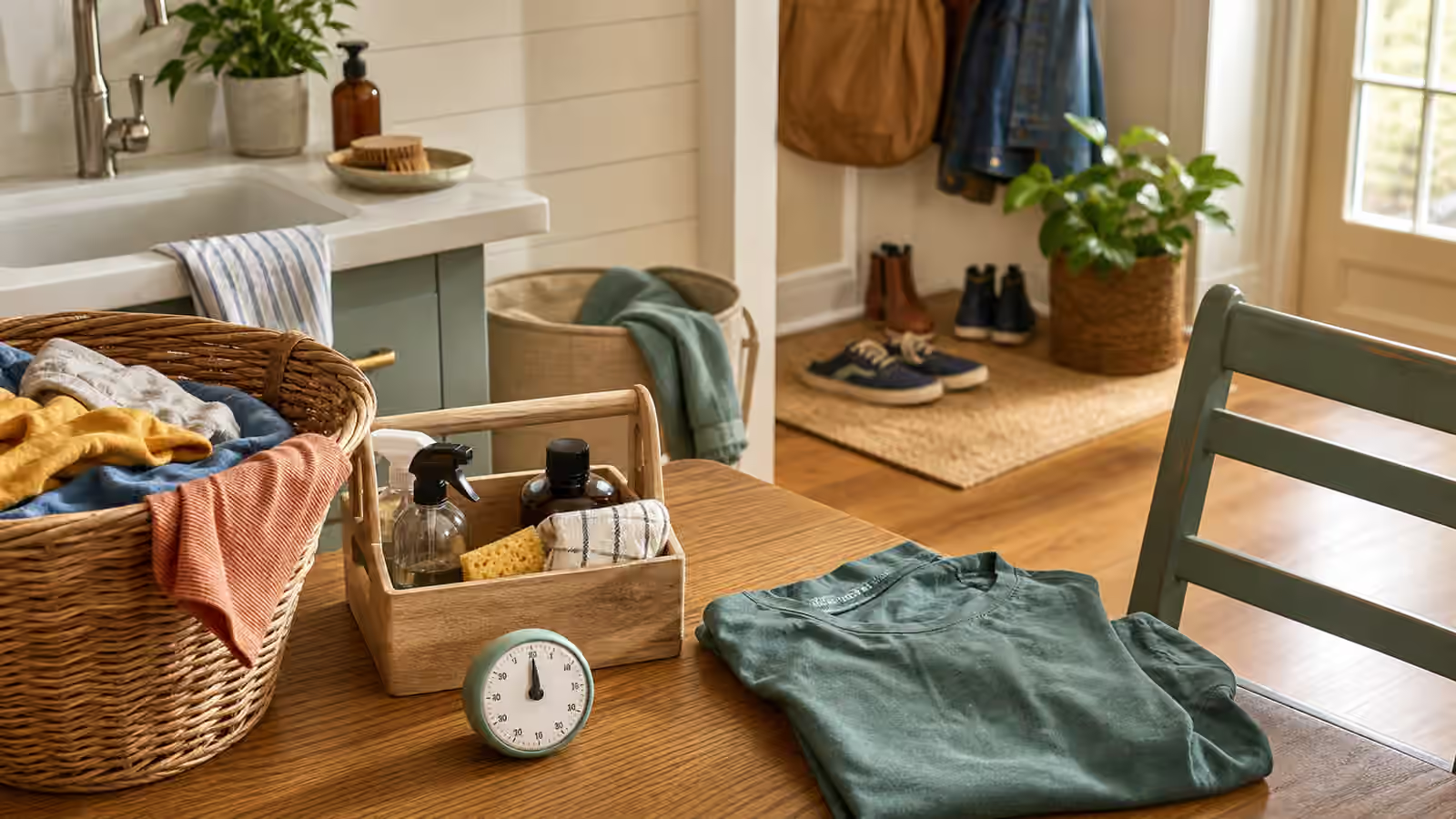
Boundaries can be physical. A five-item basket means this round is only the basket. A supply caddy means this round is only the surfaces reachable with those tools. A timer means this round is a start, not a verdict. Boundaries can also be verbal. “I am moving laundry to the machine” is different from “I am handling laundry.” The first is a task. The second is a cloud.
This is not lowering standards. It is making standards usable. A household system that only works when you can complete the entire loop is brittle. A system that supports partial starts can survive real evenings, interruptions, low energy, and shared spaces where other people are also living.
Put supplies where the chore begins
Chores become harder when the supplies live far from the starting point. A cleaning cloth in a distant cabinet, a missing hamper, a charger in another room, or detergent behind several objects can add enough friction that the chore never becomes physical. The fix is often less about motivation and more about placement.
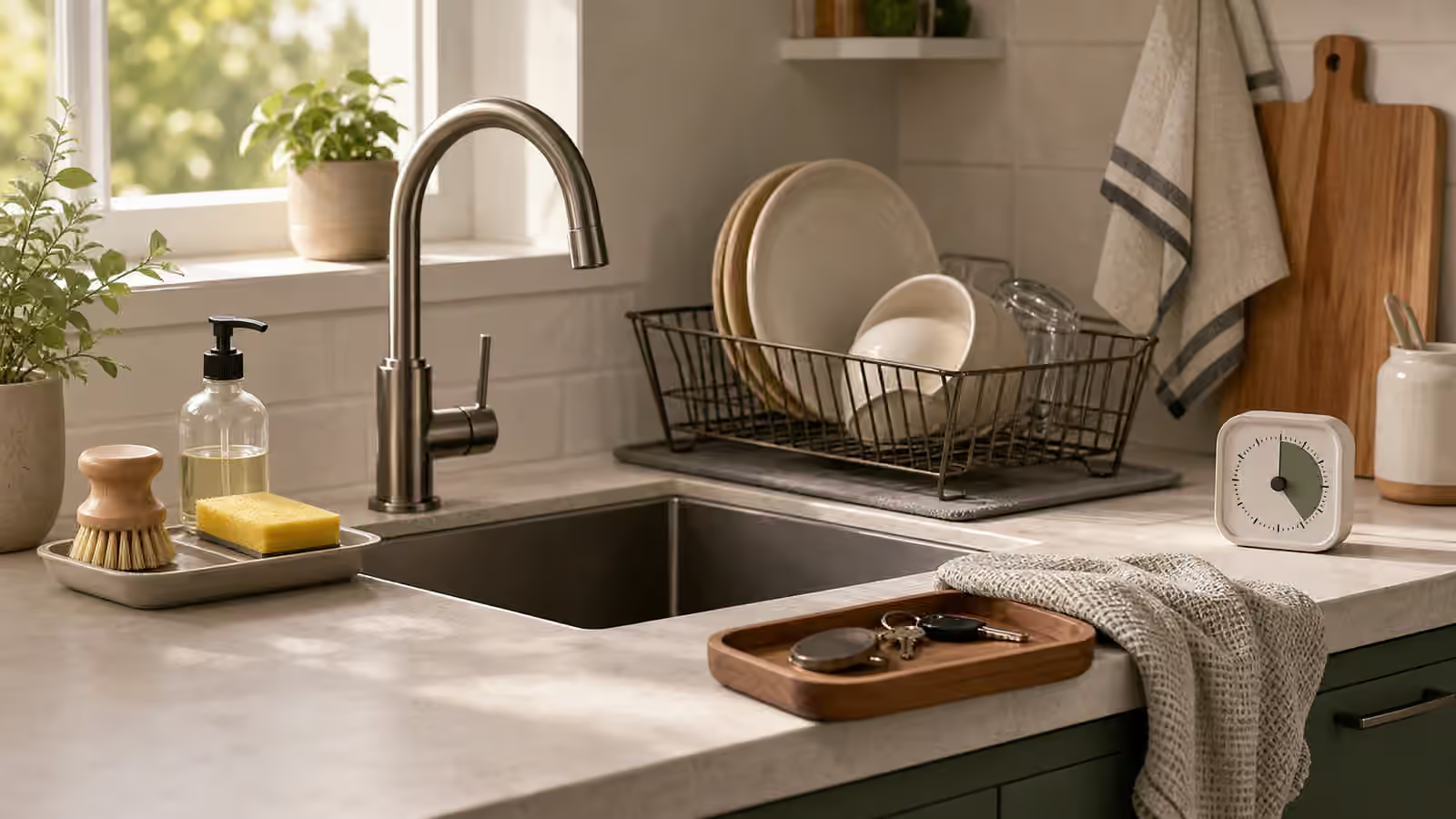
A supply caddy is useful because it turns a scattered chore into one object. It does not need to be pretty. It needs to carry the cloth, spray, brush, gloves, bags, or whatever the task usually asks you to hunt for. A laundry start may need a hamper that can be carried, not a decorative basket that stays in the wrong room. A kitchen start may need a small bowl for loose items so the counter can be wiped without making twenty decisions first.
Working Memory Offloading applies here too. Supplies are a form of memory. When the cloth and timer are visible, the room tells you what the task is asking for. When the supplies are hidden, your mind has to hold the plan before your body can begin.
Use visible stopping places
A chore without a stopping place can feel unsafe to start. You may fear that if you begin, the task will expand until the evening is gone. Visible stopping places make household tasks less threatening. The stopping place might be one cleared counter section, one load moved, one bag taken out, one drawer closed, or one basket carried to the next room.
The stopping place should leave the chore better than you found it, even if it is unfinished. That matters. A partial chore can still create relief. The sink may not be empty, but the breakfast dishes may be washed. The room may not be reset, but the floor path may be clear. The laundry may not be put away, but tomorrow’s clothes may be staged. These are real improvements, not fake productivity.
When a chore must pause, leave a return point. Place the basket where the next step happens. Leave the folded stack on the chair that needs it. Put the cleaning caddy by the doorway if the next room is next. This connects low-friction chores to Return Points After Interruptions , because housework is often interrupted by ordinary life.
Make shared chores easier to read
Shared homes add another layer. One person’s obvious next move may be invisible to another person. A low-friction chore start should make the next action readable without a lecture. A basket at the stairs, a caddy on the counter, or a dish towel placed beside a drying area can communicate more gently than repeated reminders.
This does not solve every shared-labor problem, and it should not be used to excuse unfair arrangements. But for ordinary coordination, visible starts reduce the amount of explaining required. The task becomes easier to join because the materials and first move are already present.
For students, roommates, families, and tired adults, the same principle holds: reduce the number of decisions between noticing and doing. Chores often fail in that narrow gap. A good setup makes the gap smaller.
Practice with one chore that repeats
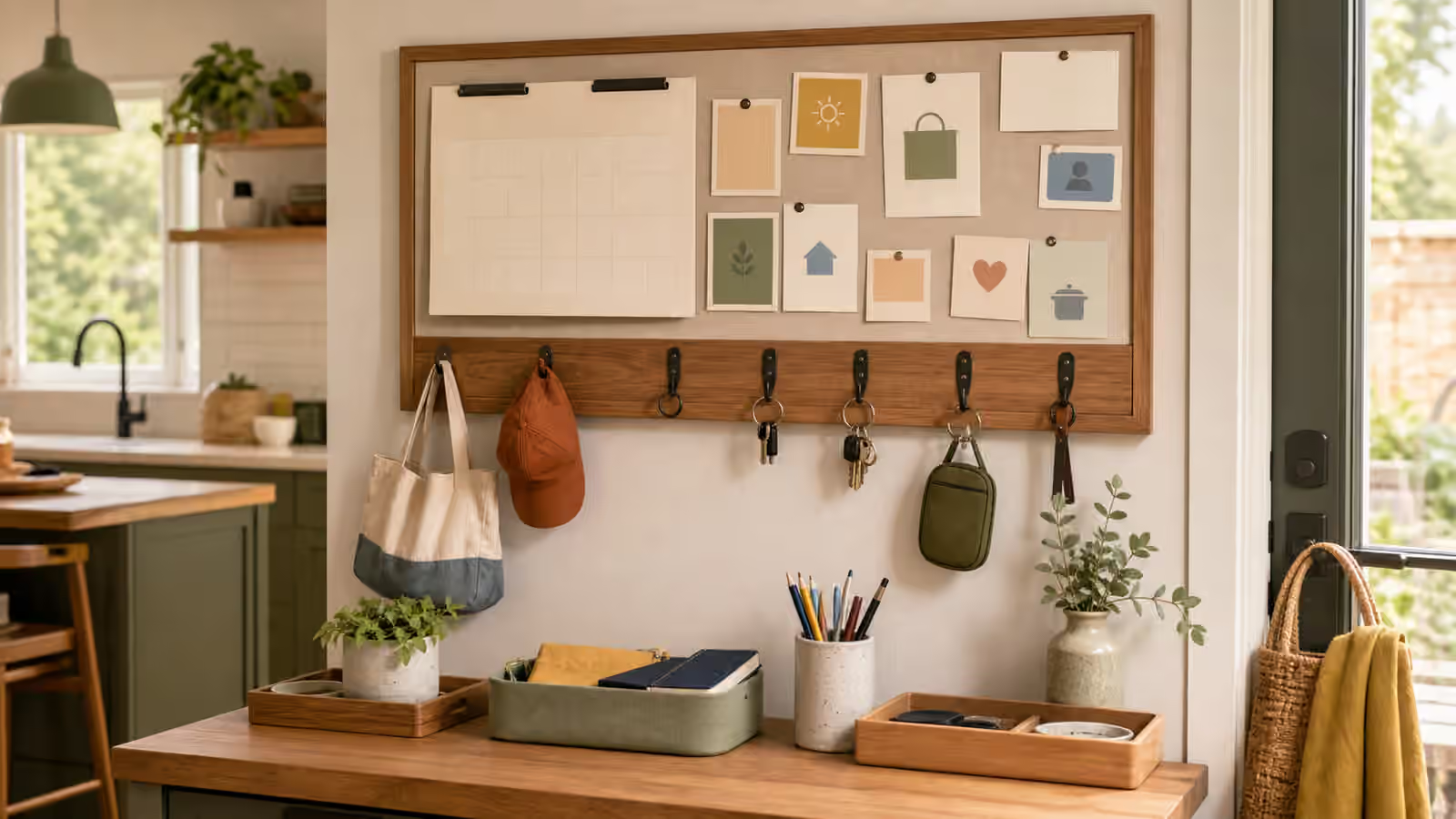
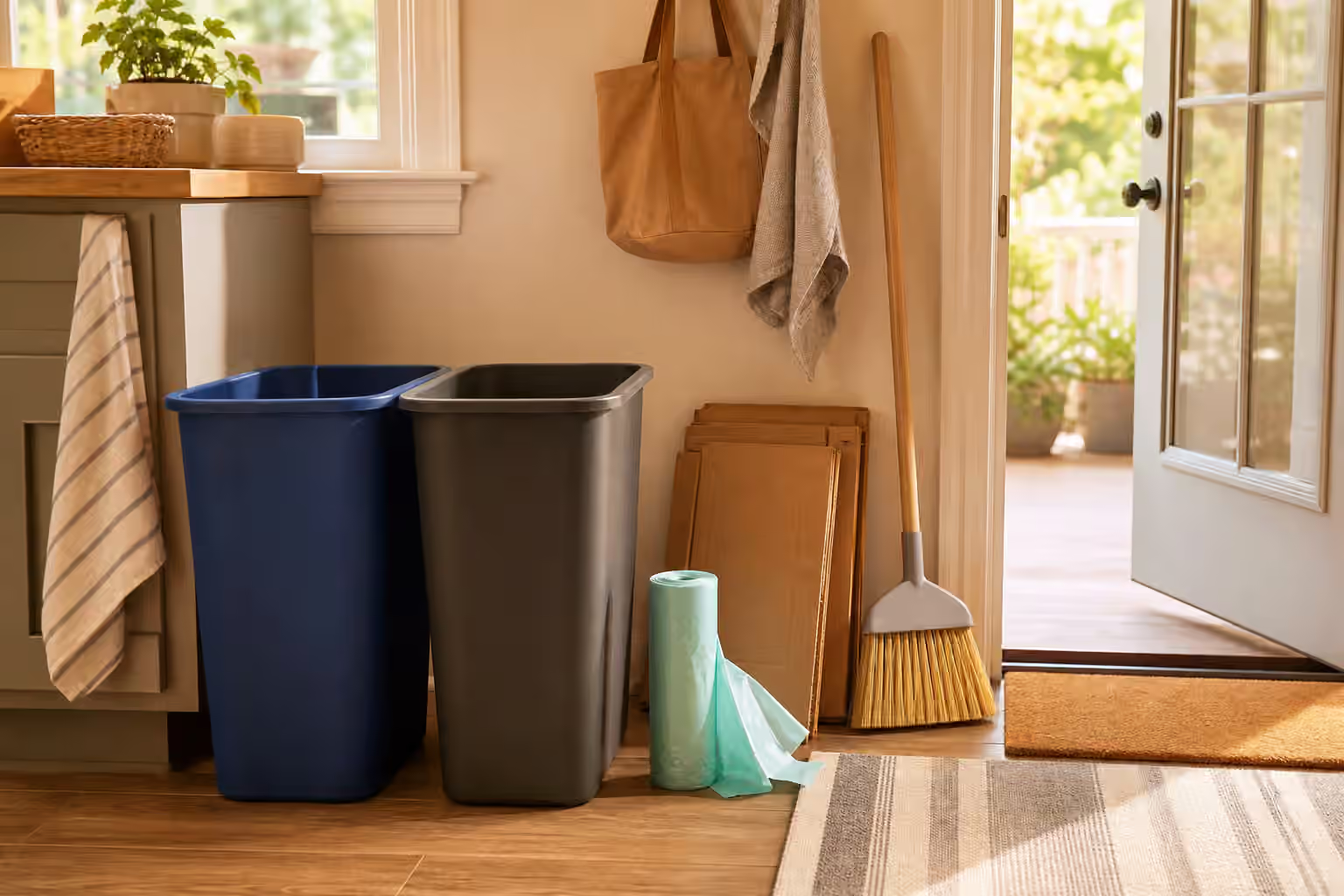
Choose one repeating household task and redesign only the start. Do not redesign your whole home. If laundry is the task, make the first load easier to begin. If dishes are the task, make the first sink motion easier. If entry clutter is the task, make the drop zone more obvious. If trash is the task, put bags where the task starts.
Then watch what happens on an ordinary day. Does the first move become easier to touch? Does the chore have a visible stopping place? Does the setup survive being tired, interrupted, or mildly annoyed? Adjust the placement before adding more rules.
The aim is not a spotless room. The aim is a chore that can begin without a speech. When the supplies are close, the first move is small, and the stopping place is visible, household work asks for less invisible effort. That is often enough to get motion back.