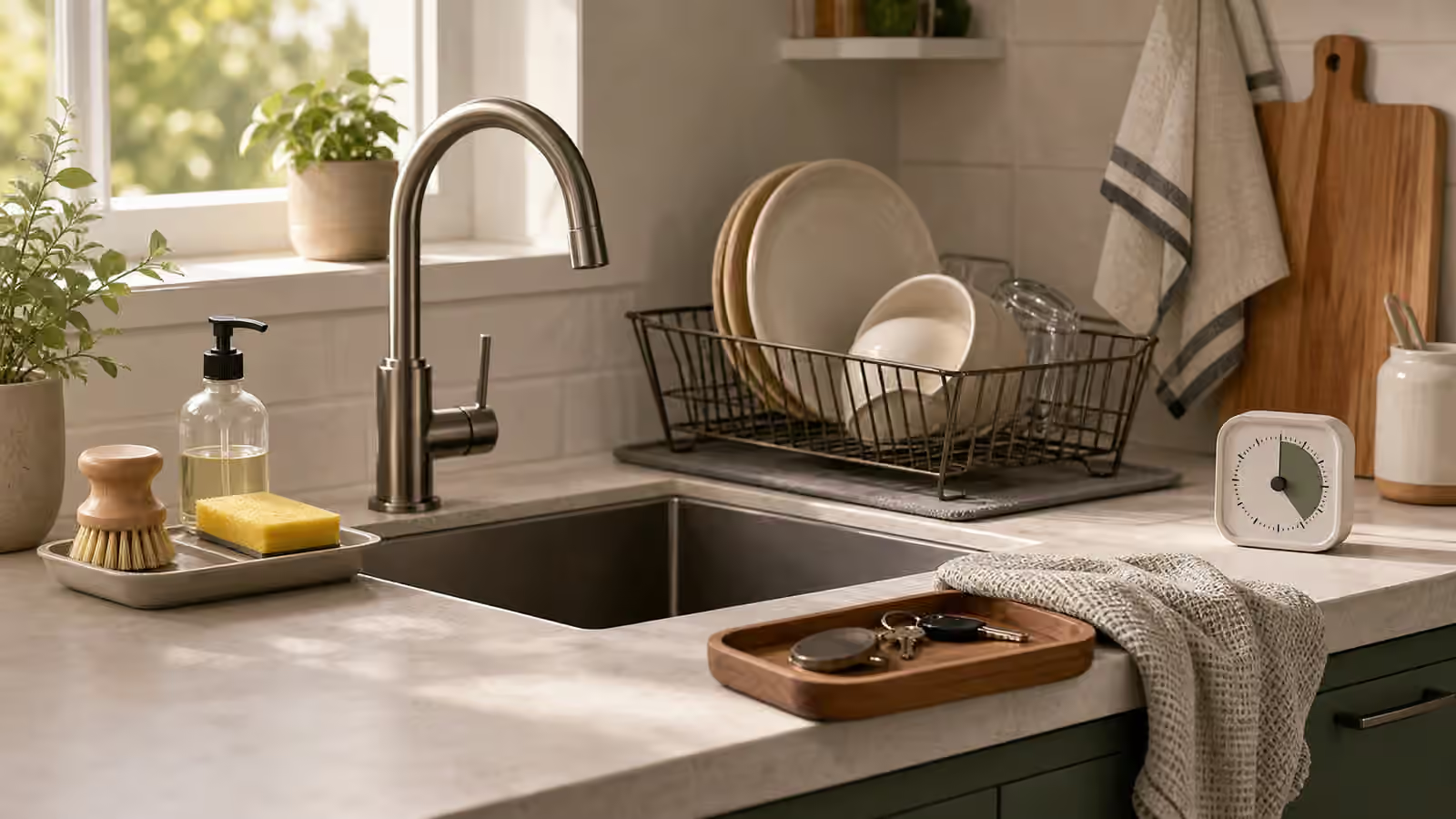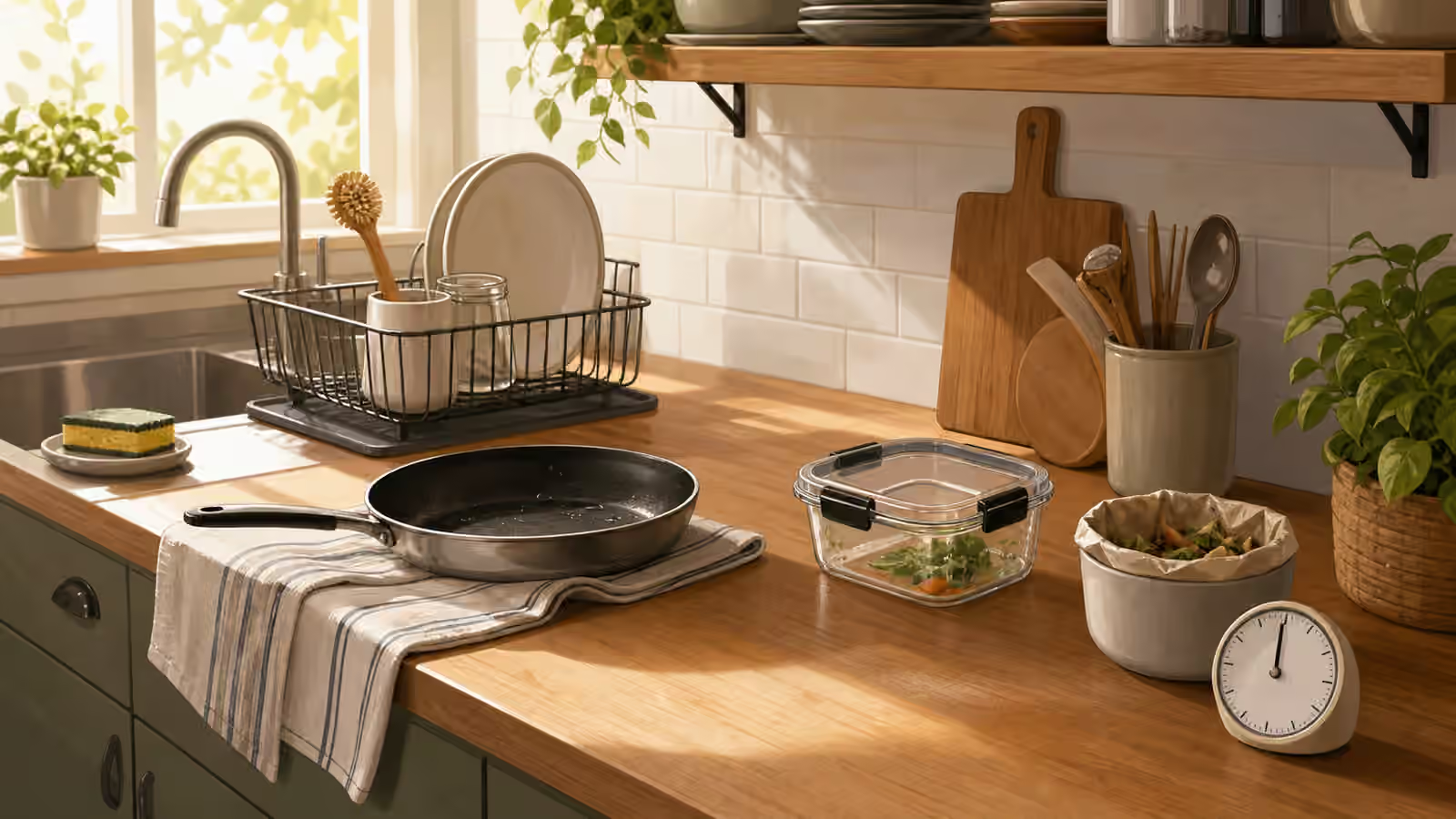
A kitchen can become hard to use long before it is truly dirty. A few cups occupy the sink. A pan waits on the stove. A cutting board holds crumbs. The counter has mail, a lunch container, a grocery bag, and a spoon that belongs somewhere else. None of this is a disaster, but the next meal now has to begin by negotiating with the last one.
A kitchen shutdown start line closes only enough of the previous food task to make the next food task enterable. It is not a deep clean, a moral reset, or proof that every dish is handled. It is a short sequence that protects tomorrow’s breakfast, the next snack, the lunch pack, or the ability to cook without first clearing a landing strip.
Clear One Food Surface
The first useful finish is one food surface. It might be a counter strip, a table corner, the sink edge, the stove top, or the cutting board area. One clear surface gives the next food task a place to land. Without it, every meal begins with a pre-task, and that pre-task may be enough to prevent eating, packing lunch, cooking, or cleaning anything else.
One-Surface Reset is the direct method. Choose the surface that most affects the next start. If breakfast fails because the counter is crowded, clear the counter strip. If lunch packing fails because containers are scattered, clear the container area. If cooking fails because the stove holds old pans, move or rinse the pan first. The right surface is the one that changes the next action.
Do not require the whole kitchen to improve before the first surface counts. A startable kitchen shutdown is allowed to leave background mess. It works because one place is now usable.
Separate Dishes From Kitchen Reset
Dishes can swallow the entire kitchen shutdown. The sink becomes the symbol of everything unfinished, and then the only acceptable reset seems to be washing, drying, and putting away every item. That may be useful on some nights. On many nights it is too large, which means nothing starts.
Dishes Without the Sink Pile gives the detailed dish path. The kitchen shutdown can borrow a smaller version. Rinse the pan that will harden. Stack dishes so water can reach them later. Move sharp or awkward items to a safer spot. Clear enough sink or counter space for the next food task. If washing all dishes is available, fine. If not, choose the dish move that most protects the next start.
This distinction matters because the kitchen has more jobs than dishes. It is also where breakfast starts, medication may be stored for some households, lunches are packed, groceries are unloaded, bags are filled, and people gather. A partial dish reset can still be a successful kitchen shutdown if it makes the next kitchen job visible.
Catch Food Objects Before They Drift
Food tasks leave objects that should not stay ambiguous. Leftovers, lunch containers, cutting boards, grocery items, snack wrappers, compost, trash, water bottles, and reusable bags all need a route. When they stay scattered, they create small future searches. Where is the container lid? Did the leftovers go away? Why is the grocery bag still on the chair? Which cup is clean?
Use Meal Prep Start Lines in reverse. The same objects that make cooking easier to begin also need a shutdown path after food is done. A container moves to the fridge if that is appropriate. A lunch container moves to the bag area or washing area. A grocery bag returns to the car or entry. Trash and recycling move toward the Trash and Recycling Start Lines system rather than becoming counter texture.
The goal is not perfect kitchen administration. It is preventing food objects from becoming memory objects. If the object has a clear next place, the mind no longer has to keep checking it.
Use a Small Supply Cluster
Kitchen shutdown becomes easier when the first cleaning object is nearby. A cloth, towel, sponge, small trash bag, scraper, or dish brush can be enough. If the supply is buried, empty, across the house, or mixed with many choices, the reset begins with a hidden step.
Low-Friction Chore Starts applies here. Keep the supply cluster boring and reachable. The cloth does not need a special ritual. The sponge does not need a product review. The towel does not need to be folded perfectly. It only needs to let the first visible improvement happen.
If kitchen resets fail often, look at the first missing object. Is there nowhere to put compost? Are trash bags far away? Is the dish brush always wet and unpleasant? Are containers missing lids? Fixing one supply problem may help more than adding a longer kitchen checklist.
Name the Stop Before You Start
The kitchen invites expansion. You wipe one surface and notice the floor. You rinse one pan and notice the fridge. You clear the table and notice the mail. The reset grows until it becomes too large to begin next time. Naming the stop protects repeatability.
Good-Enough Finish Lines is useful because the kitchen always offers more work. A good finish might be “sink is usable, stove is safe, one counter strip is clear, leftovers are handled.” Another night it might be “lunch container washed and coffee area clear.” On a very low-energy night, it might be “food put away and pan filled with water.”
The finish line should serve the next start, not an imaginary inspection. If the next start is breakfast, protect breakfast. If the next start is packing lunch, protect lunch. If the next start is cooking dinner tomorrow, protect the stove and prep surface. The kitchen does not have to be finished in every direction.
Close the Kitchen as a Handoff
A shutdown is a handoff from one version of the household to the next. Evening hands the kitchen to morning. Lunch hands the kitchen to dinner. Cooking hands the kitchen to cleanup. A good handoff leaves the next person, even if that person is you, with a visible first move instead of a pile of clues.
This is why After-Task Reset belongs in the kitchen. After the meal, close one loop. Return one tool. Clear one surface. Route one object that would otherwise hide. Leave the next first move visible. The shutdown can be small enough to do while water boils, while the kettle cools, or before leaving the room.
The kitchen will keep producing work because kitchens are used. The aim is not to freeze it in a clean state. The aim is to keep the next useful start from being blocked by the last useful start.