A guest visit can turn a normal room into a judgment scene before anyone has knocked. Suddenly every pile looks louder. The chair, shoes, mail, dishes, bathroom counter, hallway, and entry table all compete for attention. The mind leaps from “someone is coming over” to “the whole home must be fixed,” and the first useful move disappears under panic cleaning.
Startable Life Lab treats guest readiness as a bounded reset, not a moral inventory. The task is not to make the home look untouched by ordinary life. The task is to make the places a visitor will actually use feel workable enough: a way in, a place to sit, a clear bathroom surface or hand towel if relevant, and a place where loose items can wait without taking over the reset. Once the finish line is visible, the first move can become smaller.
Choose the Visitor Path
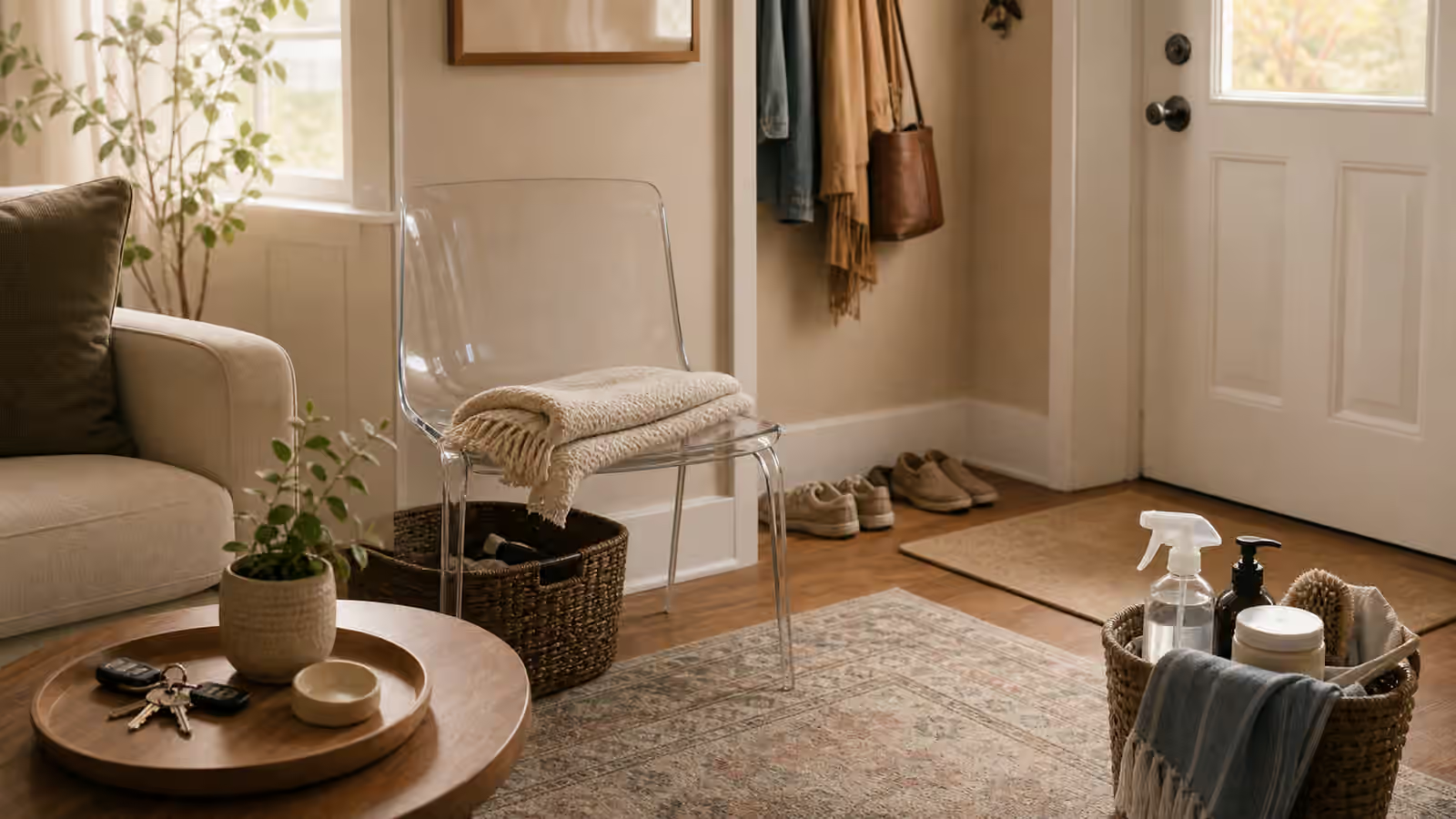
The visitor path is the small route a guest is likely to experience. It may include the door, entry surface, chair or couch, bathroom, kitchen counter, or table. It does not include every drawer, closet, bedroom, desk pile, laundry basket, and unfinished project. Panic cleaning expands because the mind treats the whole home as visible at once. The visitor path brings the task back to the actual scene.
Start by standing where the guest enters. Look only at the path from that spot to the place they will sit or stand. The first useful move might be clearing a chair, moving shoes out of the walkway, placing loose mail into one basket, wiping the bathroom sink, or making the table usable. If you notice a far-away closet or old project, that may be real work, but it is probably not part of this reset.
This is a household version of Task Triage When Everything Feels Urgent . Loud does not always mean first. A visible laundry pile in a room the guest will not enter may feel loud, but the chair they need is more sequence-critical. Triage lets the reset serve the visit instead of chasing every source of embarrassment.
Define Enough Before You Start
Guest resets become exhausting when “enough” is undefined. Without a finish line, every improved surface reveals another possible improvement. The floor could be cleaner. The shelf could be neater. The bathroom could be deeper cleaned. The entry could be prettier. The reset becomes a moving target, and the start begins to feel pointless because it cannot win.
Good-Enough Finish Lines is the anchor here. Enough might mean one clear seat, one clear walking path, trash removed from the visible area, bathroom usable, and one basket holding loose objects. It might mean the kitchen table can hold coffee, papers, or a meal. It might mean the entry no longer makes leaving or entering awkward. The exact finish line depends on the visit, but it should be named before the cleaning energy gets scattered.
A good finish line is practical rather than theatrical. It should make the visit easier without pretending ordinary life has vanished. If the visitor is a close friend dropping by, enough may be very small. If a repair person is coming, the visitor path may be the route to the appliance or work area. If family is staying overnight, the path may include towels, bedding, and a clear place for a bag. Each version deserves its own boundary.
Use One Basket Without Hiding the Next Task
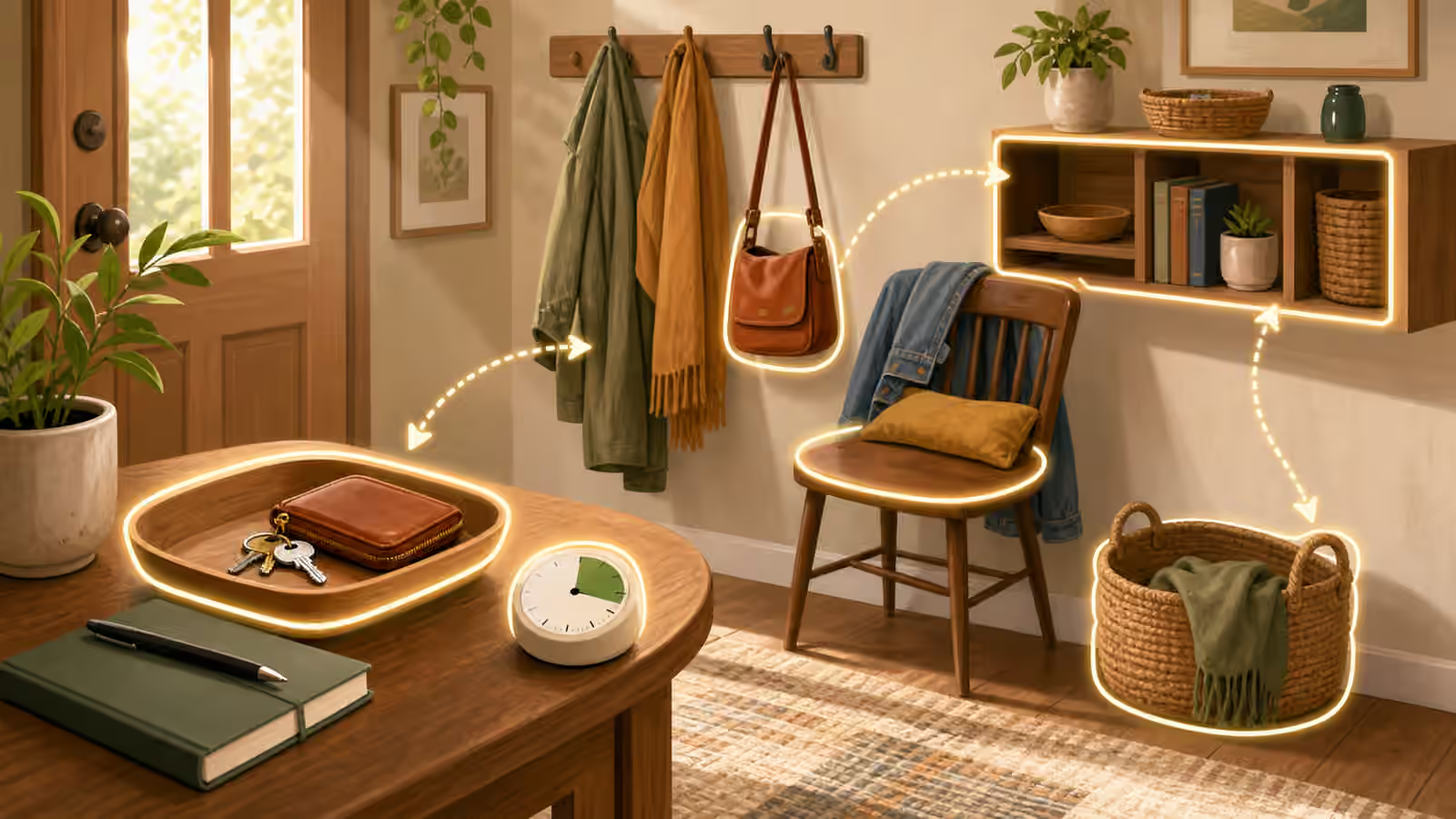
The rescue basket is useful when it is honest. Loose items from the visitor path can go into one basket, tray, or box so the reset can keep moving. Keys, papers, chargers, toys, hobby supplies, and half-finished objects often do not need final homes before the guest arrives. They need to leave the chair, floor, table, or walkway.
The basket becomes a problem only when it turns into a hiding place with no return point. If the items matter, leave the basket somewhere you will actually review. Name it in your own mind as the guest reset basket, not as permanent storage. After the visit, return to it during a small Open-Loop Parking Lot pass or during The Weekly Reset Without the Overhaul . Parking is useful when it preserves the current task and keeps the parked work findable.
This is not the same as stuffing every visible object into a closet and hoping memory will retrieve it later. The basket should reduce immediate friction without creating a future search spiral. If an item is needed tomorrow morning, place it near the Morning Launch Pad or Coming Home Landing Strip instead of burying it. The reset should not sabotage the next day.
Start With Contact Surfaces
When time is short, contact surfaces usually matter more than background perfection. A contact surface is where a person sits, walks, washes hands, sets a cup, opens a door, or places a bag. Clearing a chair changes the visit more than reorganizing a shelf. Wiping the sink changes the bathroom more than sorting the cabinet. Clearing the table edge changes a conversation more than perfecting a decorative corner.
One-Surface Reset is the direct companion. Choose one surface in the visitor path and make it usable. The point is not to clean the whole room by momentum, although momentum may appear. The point is that one usable surface creates visible progress and gives the body a place to continue from.
If the reset expands, return to contact. Where will the guest’s hand go? Where will their bag land? Where will they sit? Where will they wash hands? Where will the conversation actually happen? These questions reduce the number of possible tasks. They also make cleaning less abstract. Instead of “make this place acceptable,” the start line becomes “clear the chair,” “wipe the sink,” “move shoes from the walkway,” or “put cups on the tray.”
Keep Supplies Near the Path
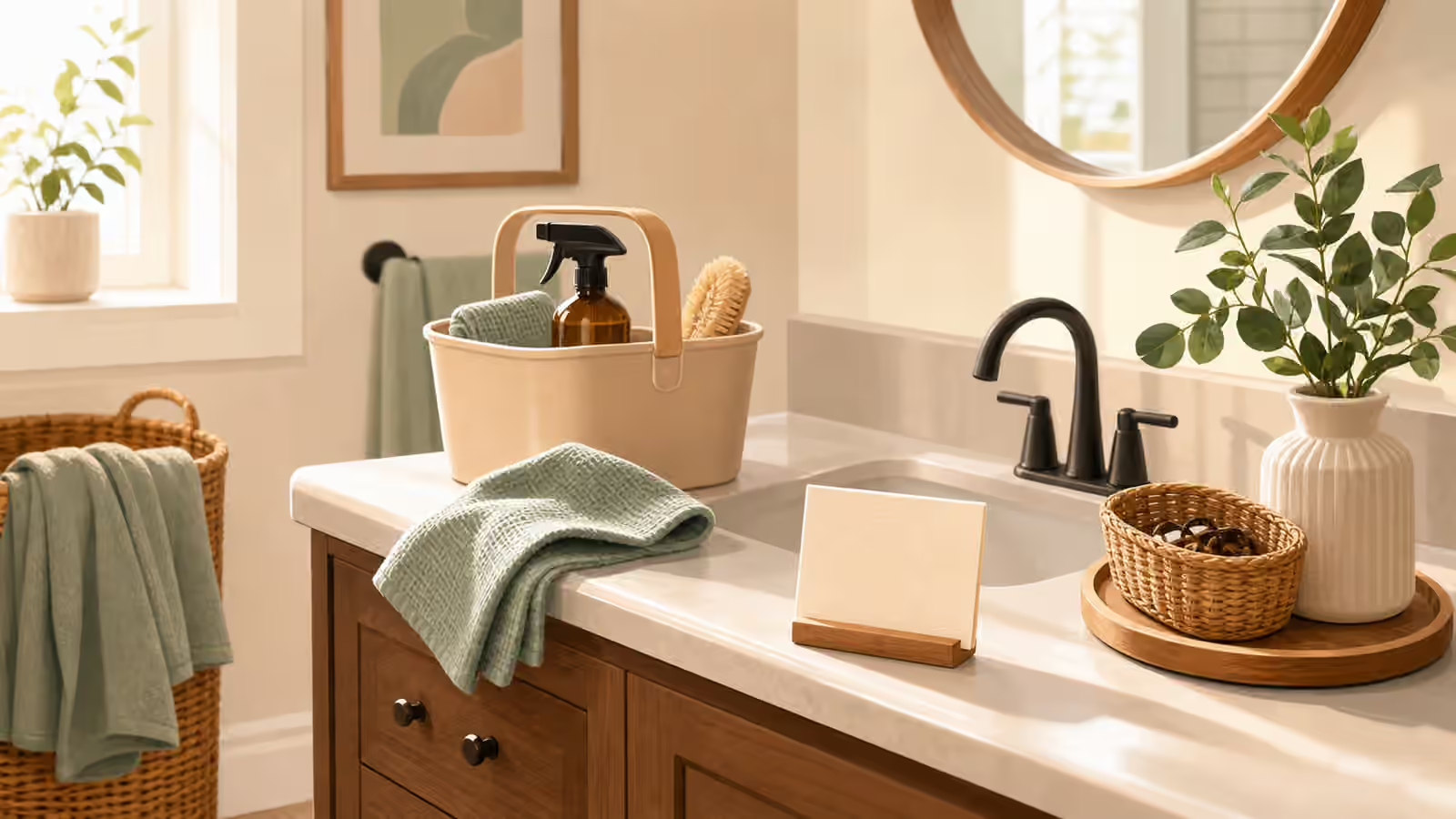
Cleaning supplies can become another hidden step. If the cloth, spray, trash bag, broom, or vacuum is stored far away or buried behind other items, the reset begins with a scavenger hunt. That search can break the task before visible progress starts.
Use Low-Friction Chore Starts here. Gather only the supplies needed for the visitor path. Put them where the first contact surface is. A cloth and small trash bag may be enough. A basket may be more useful than a full set of cleaners. If the guest path includes the bathroom, place the relevant supplies there first. If it includes the table, place the basket and cloth there first.
Avoid turning supply gathering into a product audit. This is not the moment to decide whether every cleaner has a better home. The startable version asks what object lets the first visible improvement happen. After the visit, the supplies can return to their ordinary place during a tiny shutdown. If the supplies never have an ordinary place, that can become a separate friction audit later.
Close the Reset After the Visit
After the guest leaves, the reset needs a small closing move. Otherwise the rescue basket, moved shoes, cleaning cloth, and shifted objects become tomorrow’s confusion. The closing move should be smaller than a full cleanup. It should simply return the home from visitor mode to ordinary mode.
This is where The Shutdown Routine fits household work. Put the cleaning supply back. Move the guest basket to a review spot. Return one daily object to its launch place. If the visit created dishes, papers, or a new task, give that task a visible parking place instead of letting it blend into the old piles. The reset ends when the next start is protected.
Guest readiness is easier when it stops pretending to be total transformation. A visitor path, a named finish line, one honest basket, and a few contact surfaces can carry most ordinary visits. The room may still look lived in because it is lived in. The win is that the visit no longer has to begin with a sprint through every unresolved corner of the home.