Getting dressed can look too ordinary to deserve a system. Clothes are already in the room. Shoes are near the door. The day has an obvious demand: put something on and leave, study, work, clean, rest, or meet people. Yet this small routine can become a dense knot of decisions. What fits the weather? What is clean? What feels tolerable on the body? What is appropriate enough? What if the first choice is wrong?
When that knot appears every morning, it steals energy before the day has properly begun. Startable Life Lab does not treat getting dressed as a fashion problem. It treats it as a start problem. A clothing routine needs a visible first move, a smaller decision field, and a way to recover when laundry, weather, comfort, or lateness changes the plan.
Separate choosing from wearing
The hardest part of getting dressed is often not the clothing itself. It is the choosing. A closet can ask dozens of questions at once: weather, texture, social context, laundry status, body comfort, color, shoes, errands, and what happened the last time something felt wrong. If all those questions arrive while the clock is moving, the routine can stall.
Move some choosing away from the wearing moment. This does not require a capsule wardrobe or a perfect planner. It can be as small as placing one acceptable outfit on a chair the night before, pairing shoes with the clothes, or choosing a default layer that solves most weather uncertainty. The goal is to create a first physical move: pick up the staged item. That move is easier than standing in front of the full closet and trying to become decisive on command.
Decision Paralysis: Shrink the Choice Before the Task is directly relevant here. A useful clothing choice is not always the best outfit. It is the outfit that lets the next part of the day begin. When the choice field is smaller, the body can enter the routine before the mind opens every possible branch.
Build a low-decision doorway outfit
Most people need at least one outfit path that is deliberately boring. It should be appropriate for ordinary errands, appointments, school runs, casual work-from-home blocks, or any day when starting matters more than expression. The pieces do not have to be stylish. They have to be findable, comfortable enough, and compatible with the shoes and bag that usually leave the house.
Think of this as a doorway outfit, not a personal uniform. It exists to protect transition moments. If the morning is smooth, you can choose something else. If the morning is late, foggy, emotional, or crowded, the doorway outfit is there to prevent the closet from becoming a debate chamber. It is a practical cousin of Morning Launch Pad : one visible setup that helps the day cross its first threshold.
The doorway outfit works best when it is stored as a cluster. Keep the core items near each other. If the shoes matter, keep them visible. If a layer is usually needed, hang it beside the outfit rather than assuming you will remember it while leaving. If certain socks, underlayers, or accessories are the hidden failure point, make them part of the cluster. The start line is not “get dressed.” It is “pick up the ready stack.”
Treat laundry state as part of the start line
Clothing routines fail when the plan assumes clean clothes that do not exist. A drawer can look full while the actual needed item is in the hamper, washer, dryer, chair pile, or unknown middle zone. Then getting dressed turns into a laundry investigation. The morning routine starts asking where the black pants are, whether the shirt is clean enough, why the socks are missing, and whether there is time to solve any of it.
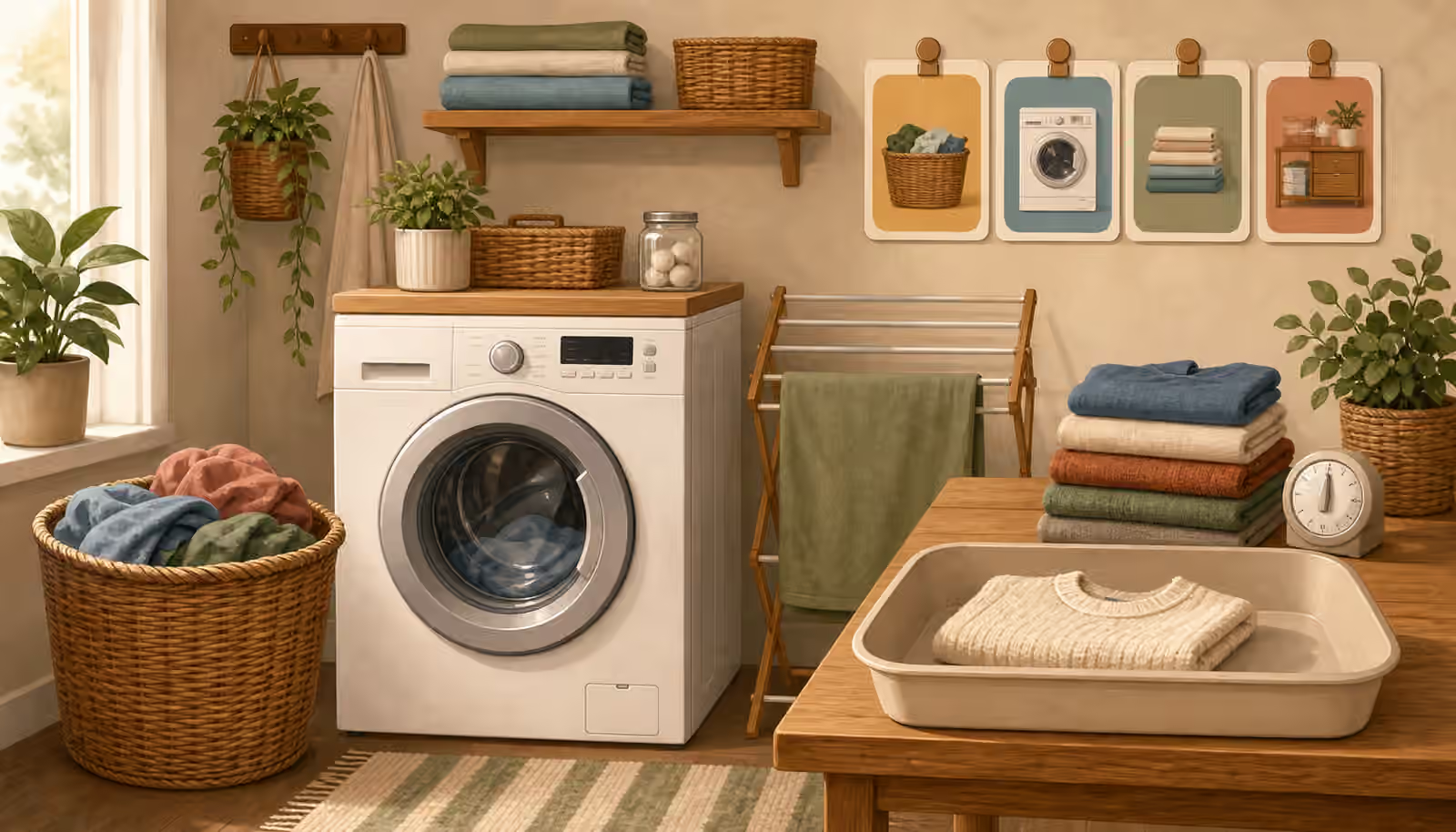
This is where Laundry Cycles Without the Pile becomes part of dressing, not a separate household topic. A low-decision outfit needs a way to return to readiness after being worn. That might mean a small hook for the layer that can be worn again, a visible hamper for clothes that are truly done, or a chair that holds only tomorrow’s clothes rather than every unresolved textile in the room.
Avoid making the clothing system depend on perfect laundry completion. Ordinary life will interrupt the cycle. Instead, give the routine a fallback. If the preferred item is dirty, what is the second acceptable path? If the weather changes, what layer solves it without restarting the entire closet search? If the basket is full, what one item would restore the doorway outfit for tomorrow? These small repairs keep laundry from becoming the hidden step inside getting dressed.
Make comfort visible before the clock is loud
Texture, temperature, fit, shoes, and body comfort can block dressing in ways that are easy to dismiss from the outside. A shirt may be technically appropriate but hard to tolerate. Shoes may look right but make the errand feel harder. A waistband, collar, tag, or layer can create enough irritation that the routine restarts several times. When the clock is already loud, each restart carries more pressure.
The practical move is to make comfort information visible earlier. Put uncomfortable-but-necessary items in a separate place from reliable items. Keep the clothes that usually work where they can be reached without sorting through the ones that often fail. Notice which pieces create repeated stalls and stop treating them as neutral. A closet is not only storage. It is a decision environment.
Energy-Matched Task Menu uses a similar idea for tasks. The question is not what an ideal person would choose. The question is what fits the capacity and demands of this day. Clothing can work the same way. A low-energy morning may need fewer seams, easier shoes, or a layer that handles changing temperature. A high-demand day may need an outfit that reduces fidgeting and lets attention go elsewhere.
Protect leaving from closet archaeology
Leaving-home routines can collapse when getting dressed opens too many old layers of unfinished life. You search for socks and find laundry. You look for a jacket and discover papers in the pocket. You choose shoes and remember the return you meant to make. You open a drawer and find the missing object from last week. The closet becomes an archive, and the current day loses its runway.
Use a leaving boundary. Once the doorway outfit or acceptable fallback is chosen, stop searching unless a required item is truly missing. The goal is not to solve the closet while leaving. It is to leave. If you discover a problem, park it where it belongs after the transition. Put the repair note in an Open-Loop Parking Lot rather than letting it hijack the morning.
This is especially useful for appointments, school, errands, or work starts. Errands and Out-the-Door Starts focuses on the broader leaving sequence. Getting dressed is one part of that sequence, and it deserves the same protection: fewer decisions, visible objects, and a clear edge where preparation ends and movement begins.
Leave evidence for tomorrow
A dressing system gets stronger when it leaves quiet evidence. After a rough morning, do not write a dramatic rule about how you will always prepare better. Notice the exact stall. Was the first choice dirty? Was the weather unclear? Were the shoes missing? Did the outfit feel wrong after you were already late? Did the closet have too many options at eye level? Each answer points to a small environmental change.
The repair can be modest. Put the reliable layer on a hook. Pair the shoes with the bag. Move the most dependable clothes to the easiest drawer. Place tomorrow’s clothes on a chair before the evening is fully over. If the day went badly, use the tone from The Bad-Day Reset : restart at the smallest useful point instead of turning the routine into evidence against yourself.
Getting dressed becomes more startable when choosing is separated from wearing, laundry state is visible, comfort information is respected, and leaving has a boundary. The closet does not need to become perfect. It only needs to offer one clear doorway into the day.