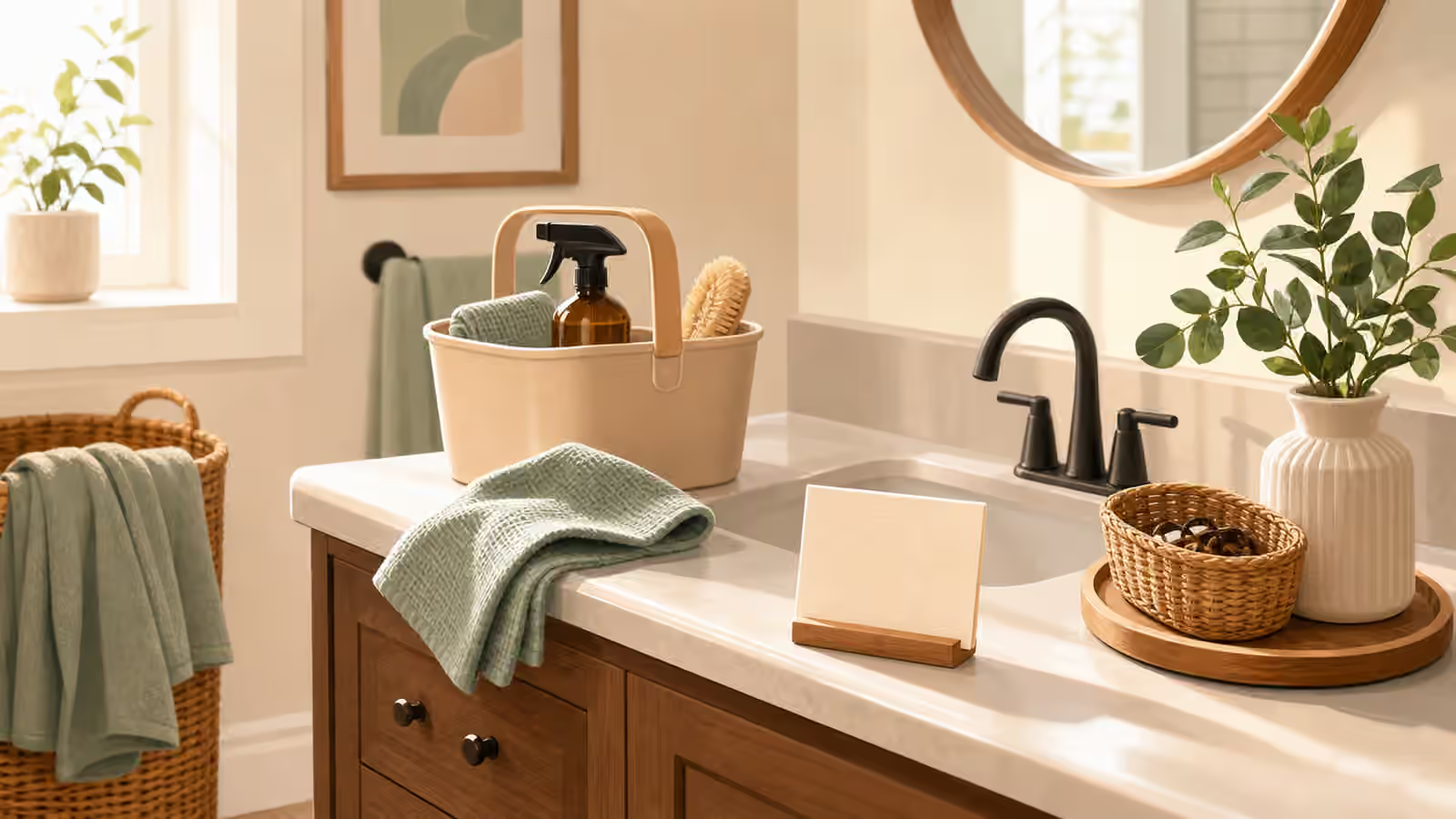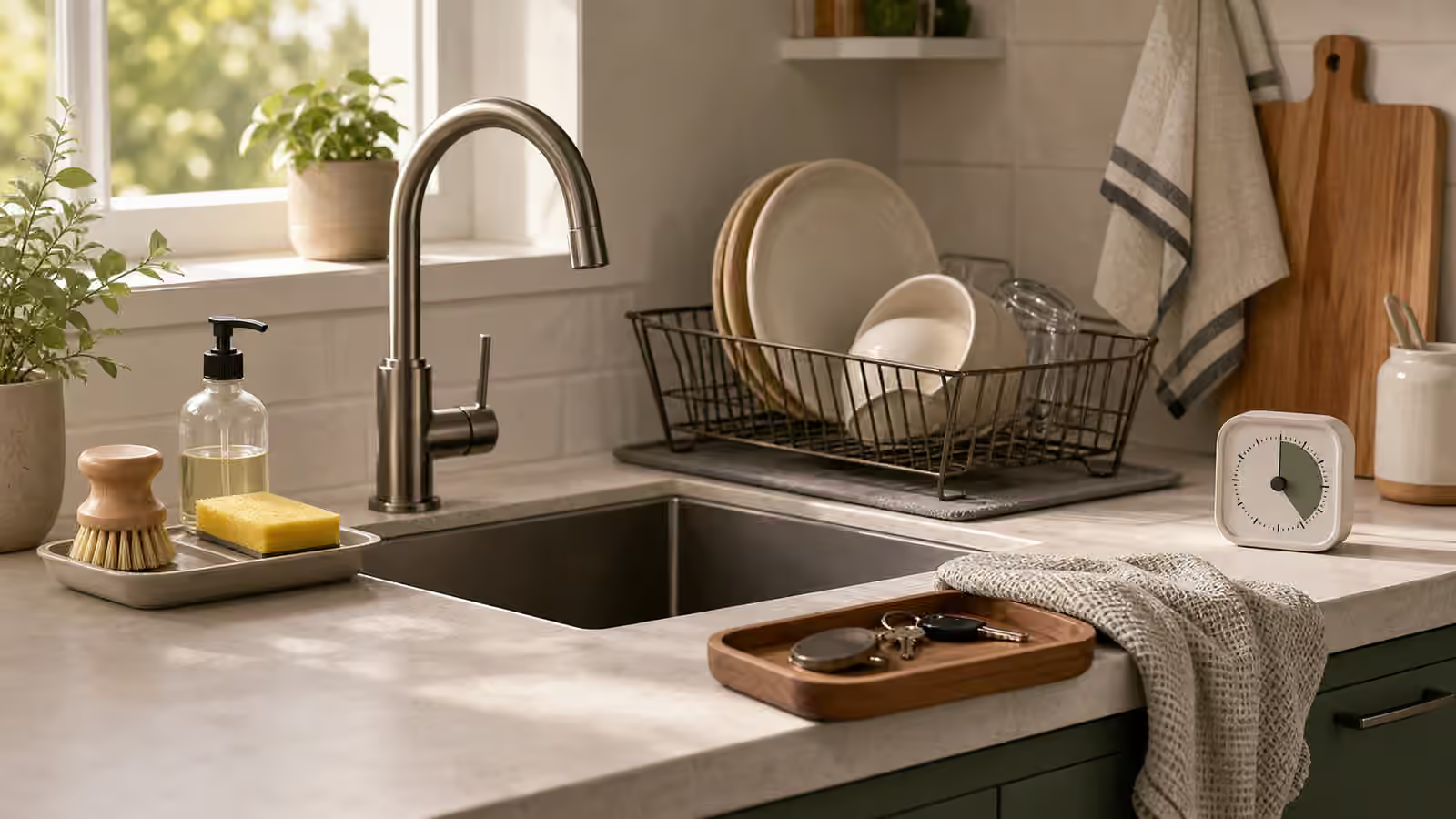
Dishes are rarely just dishes once the sink has become a pile. The visible task says wash plates, but the hidden task may include clearing old cups from other rooms, deciding where clean items dry, moving a pan that blocks the faucet, finding the sponge, emptying the dish rack, taking out trash, and tolerating the feeling that the kitchen should already be better than this. By the time the hands are supposed to move, the task has become a whole room.
A startable dish system does not begin with a spotless kitchen. It begins with one usable wash zone, one honest finish line, and one place for the task to pause without becoming invisible. This guide narrows the dish cycle so it can start on an ordinary day, even when the counter is crowded and the motivation speech has already failed.
Start With One Sink Zone
The first useful move is often not washing. It is making a small place where washing can happen. A sink packed edge to edge asks the mind to solve the entire pile before the faucet even matters. One cleared corner changes the task. It creates a visible beginning, which is the same principle behind The Start Line : the task should offer a physical move instead of a vague command.
Choose the smallest zone that lets water, soap, and one dish meet. That might mean moving a pan to the side, stacking plates together, placing utensils in a cup, or clearing the dish rack before touching the sink itself. The zone should not become an organizing project. It only needs to make the next dish possible.
This matters because many dish piles stall at the threshold. The person sees every cup, bowl, fork, pan, lid, container, bottle, and counter crumb at once. The mind names the whole scene as failure, and the first action disappears. A clear zone interrupts that collapse. It says, in practical language, this is where the task begins.
Separate Washing From Kitchen Repair
A dish round becomes heavier when it secretly promises to repair the whole kitchen. Once that bargain appears, a single spoon can feel like the first step in an endless evening. The startable version needs a boundary. Washing dishes is one task. Resetting counters is another. Emptying the fridge is another. Taking out trash is another. They may touch each other, but they should not all be required before the first dish can move.
Low-Friction Chore Starts uses this boundary for household work in general. Dishes deserve the same protection because the sink sits in the middle of many other loops. Food packaging, mail, lunch containers, water bottles, grocery bags, and cooking tools all pass through the kitchen. If every loop must close before the dish loop starts, the task will often stay untouched.
Say the boundary plainly before beginning. The round may be only cups. It may be only the dishes needed for breakfast. It may be only clearing enough of the sink for tomorrow. It may be only loading what fits in the dishwasher without reorganizing cabinets. A smaller round is not fake if it changes the next start. It is a real edit to the scene.
Give Clean Dishes a Landing Place
Dishes stall when the clean side has no home. A crowded drying rack can block washing as effectively as a crowded sink. The next action becomes unclear: put away clean dishes, wash dirty dishes, dry pans, search for cabinet space, or wipe the counter. A landing place gives the cycle a path.
The landing place can be ordinary. It might be a towel on the counter, one cleared rack section, a dishwasher with enough space to receive the next group, or a tray that holds clean items until they can be returned. The point is not elegance. The point is that clean dishes should not have to compete with dirty dishes for the same attention.
This is a form of Working Memory Offloading . The drying rack, towel, or tray carries part of the plan for you. It shows where clean items go and keeps the dish round from asking you to remember the whole kitchen sequence. When the landing place is visible, the task asks for less private calculation.
Choose a Good-Enough Finish Line
An all-or-nothing dish rule can make the sink harder to start. If the only acceptable finish is an empty sink, dry counters, clean stove, and every container matched to a lid, the first dish has to carry too much pressure. The round needs a finish line that is useful, visible, and small enough to reach.
A good finish line might be a sink that drains, a clear breakfast set, an empty dish rack, one clean pan for dinner, or the dishwasher loaded and running. The finish line should match the reason the dish round matters. If tomorrow morning is the problem, protect tomorrow morning. If cooking dinner is the problem, wash the pan and board that let dinner begin. If smell is the problem, handle the food-covered items first. Good-Enough Finish Lines can help define enough before the task expands.
The finish line should also leave the next start easier. Put the brush where it belongs. Leave the towel hanging. Keep one sink zone open if possible. A dish round that ends by scattering supplies may look productive for a few minutes and still make the next round harder. The end of the task is part of the next start.
Make Pauses Visible
Dishes are easy to interrupt. A message arrives, water boils, a child calls, the dryer buzzes, or fatigue appears in the middle of the round. If the pause is invisible, the sink can look like a fresh failure when you return. A visible pause tells you what happened and where to resume.
The return point can be physical. Leave utensils soaking in one cup. Stack the remaining plates beside the sink. Place the brush on the next pan. Put the towel over the section that is clean enough. These are simple signals, but they matter. Return Points After Interruptions works because it keeps unfinished work from depending entirely on memory.
Avoid leaving the task in a way that hides the next move. A sink full of mixed dishes says everything at once. A pan soaking beside a visible brush says the next move is the pan. A dishwasher partly loaded with the door open for one minute says loading is active. A closed dishwasher with dirty dishes still on the counter may say nothing at all. The pause should speak clearly.
Repair the Pile Without Punishing the Start
When the sink has already become a pile, the first round may need emotional distance. The pile can feel accusatory because it is visible, repetitive, and tied to ordinary care. Treat it as a design problem before treating it as a character problem. The useful question is not why this happened again. The useful question is what would make the first dish easier to touch now.
Start near the object that changes the scene fastest. Clear one drain path. Wash one needed cup. Move the biggest blocker. Empty the rack. Put food scraps in the trash. If the day is already hard, The Bad-Day Reset may be the better frame: one surface, one cue, one next start.
A startable dish cycle is humble. It does not promise that the kitchen will never pile up. It makes the next dish less lonely. When one sink zone is visible, clean dishes have a landing place, the finish line is named, and pauses leave a return point, the sink stops being a verdict and becomes a task with a door.