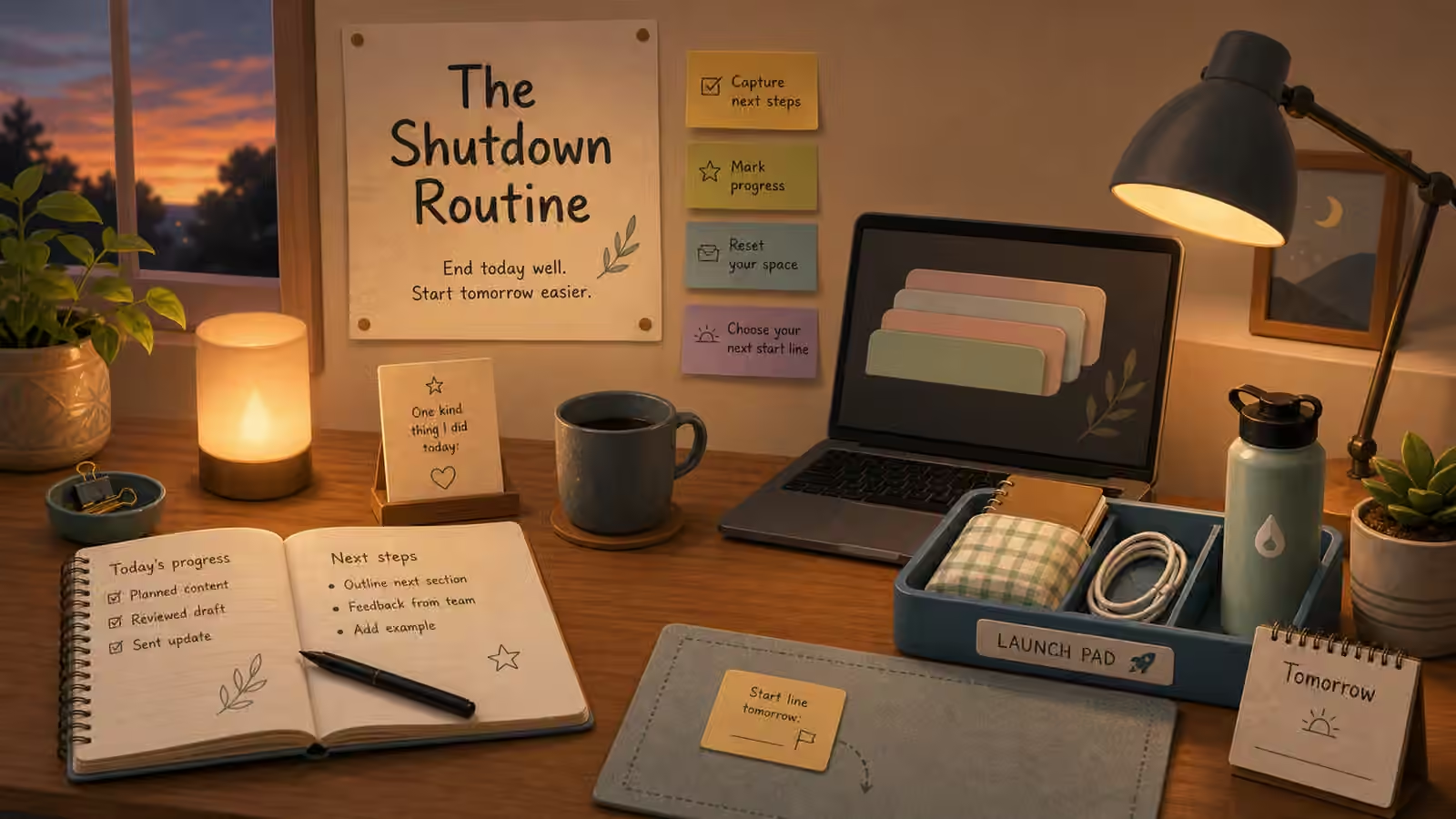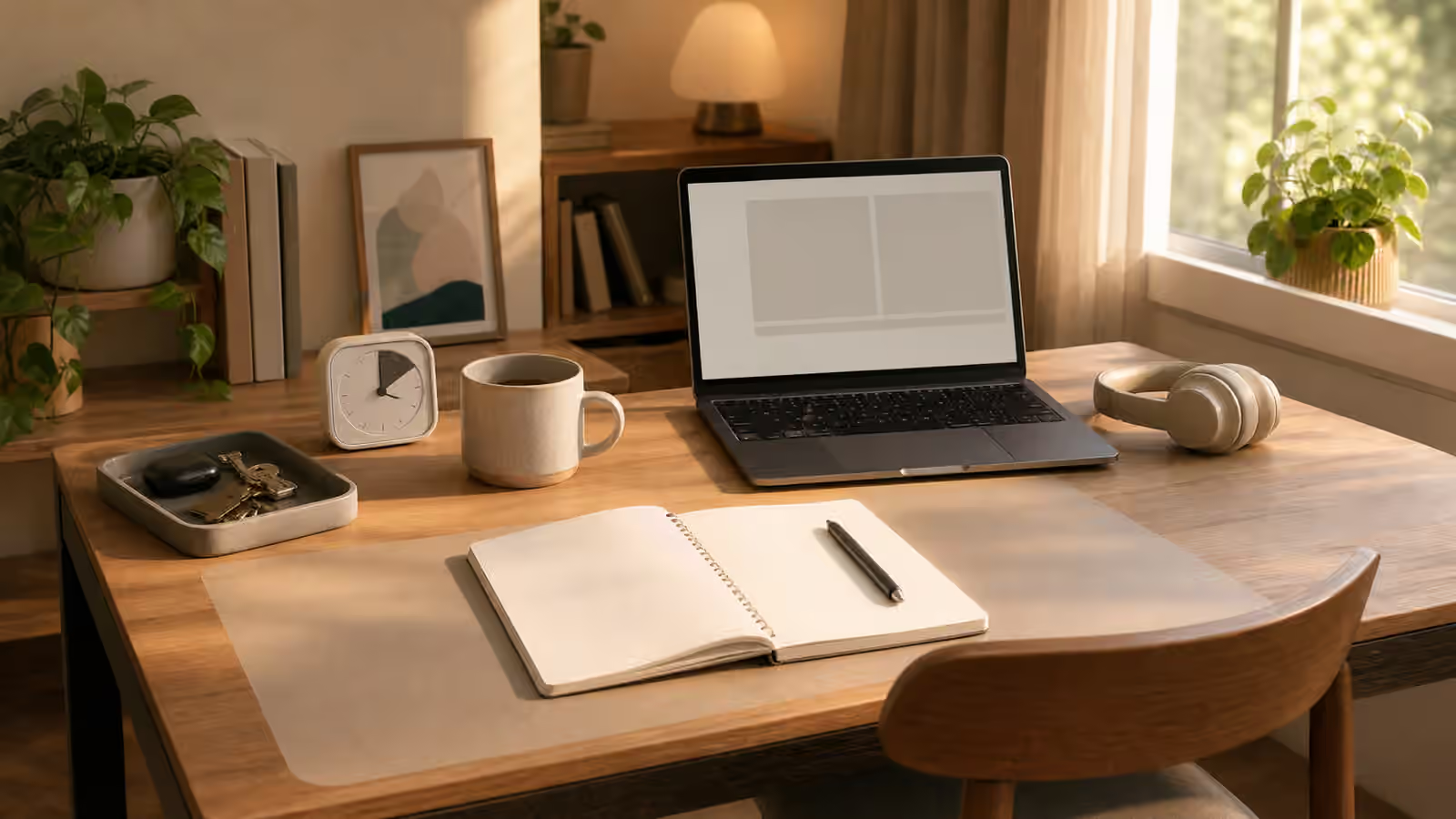
A desk can look ready because the laptop is there, but the next session may still be hard to enter. Tabs are open without context. The notebook is on the wrong page. The pen is missing. A mug occupies the writing space. A bill, charger, sticky note, receipt, and half-finished task all compete for attention. The desk is not messy enough to demand a full clean, but it is unclear enough to make starting expensive.
A desk reset for reentry is a small closing habit for work, study, paperwork, creative drafting, planning, or household admin. It does not organize your whole desk. It leaves the next session with a visible first move, a clear surface, and enough context that you do not have to reconstruct the task from memory.
Leave the Next First Move Visible
The most useful desk reset begins before you fully stop. Ask what future-you should do first when returning. Open the document. Review the marked paragraph. Pay the bill in the tray. Copy the class notes from the notebook. Send the draft reply. Search for one file. The first move should be physical enough to see.
Return Points After Interruptions explains why this matters. Desk work often pauses before the mind has finished packaging the context. If you close the laptop and walk away with no marker, the next session begins by recreating the whole mental map. A return point lowers that cost. It can be a note, a bookmarked page, a document left open intentionally, a paper placed on top of a folder, or a notebook line that names the next action.
The return point should not become a speech. A short cue is better than a long instruction. The desk only needs enough information to reopen the thread.
Clear the Working Zone, Not the Whole Desk
A reentry desk needs one usable working zone. That may be space for a notebook, laptop, form, textbook, sketchbook, or stack of papers. Clearing that zone is different from cleaning the whole desk. Whole-desk cleaning can become a separate project, and then the reset is too large to do at the end of a tired session.
One-Surface Reset is the practical companion. Choose the surface area that the next task will touch. Move the mug. Stack unrelated papers into a visible tray. Return the pen. Put the charger where it can be reached. The point is not to make the desk attractive. The point is to give the next start a landing place.
If the desk holds many kinds of tasks, the working zone may need a boundary. A tray can hold admin papers. A notebook can live on one side. A laptop can have a stable charging position. Boundaries reduce the amount of visual negotiation required before starting.
Close Digital Context Without Erasing It
Digital desk work leaves invisible clutter. Tabs, downloads, messages, drafts, screenshots, calendar entries, files, and half-finished searches can all be part of the task. Closing everything may erase the trail. Leaving everything open may turn the next start into a wall of noise.
The Shutdown Routine gives the broader method. For a desk reset, close what is clearly unrelated and preserve what carries the next move. If one tab is needed, leave it open and close the surrounding drift. If a file is needed, rename it or move it to the active folder. If a draft needs review, leave a note about the next sentence or decision rather than trusting memory.
Digital Files Without the Search Spiral is especially useful when the next desk session depends on a file. A clear file name and landing place can be the difference between starting the actual work and spending the first attention searching for the attachment.
Park Unrelated Objects Honestly
Desks attract objects that belong to other tasks. A receipt lands near the keyboard. A book waits to be returned. A school paper arrives during work. A cable, snack wrapper, appointment card, or package slip sits down because the desk is flat. If those objects stay mixed with the active task, they pull attention every time the desk is used.
Use Open-Loop Parking Lot thinking. Unrelated objects do not need final homes during the desk reset, but they need honest temporary homes. A tray for admin papers, a return basket, a bag by the door, or a capture notebook can keep the desk from becoming the place where all open loops blur together.
The honest part matters. A pile beside the laptop with no review path is not parked; it is merely delayed. A tray that you actually see during a weekly or tiny admin pass is parked. The difference is whether the next action remains findable.
Match the Reset to the Type of Desk
A study desk, work desk, creative desk, shared household desk, and kitchen-table desk need different reset sizes. A student may need the textbook page marked and the pencil pouch returned. A remote worker may need the charger connected and the calendar visible. A household admin desk may need the bill, envelope, and login cue together. A creative desk may need the draft left open without burying the tools.
Study Spaces That Actually Help covers the environment side: light, sound, seating, supplies, and visual cues. The reentry reset covers the handoff between sessions. It asks what this desk must remember for you when you come back.
If the desk is shared, make the reset visible enough that other people can respect it. A closed folder, a tray, a marked notebook, or a small cleared zone can communicate that the task is paused rather than abandoned. The cue does not need to be precious. It only needs to survive ordinary household use.
End With a Small Restart Ritual
The final step of the desk reset is choosing how the next session will begin. That may be placing the notebook open, setting the pen on top, plugging in the laptop, positioning the document, or leaving the chair tucked out enough to invite return. The gesture should be simple and repeatable. A desk ritual that takes ten minutes will not happen reliably at the end of a hard session.
This is where The Two-Minute Setup can help. Prepare tomorrow’s first desk task tonight, but keep the setup tied to actual objects. The future session should not begin with “figure out where I was.” It should begin with “touch this object and continue here.”
The desk will not stay perfect because desks are for work. A useful reset accepts that. It clears one zone, saves one thread, parks unrelated objects, and leaves one first move. That is enough to make reentry feel less like starting from scratch.