Creative projects are easy to romanticize and hard to restart. A notebook waits on the desk. A half-finished draft sits in a folder. A sewing project, song idea, sketch, lesson plan, garden design, video edit, or model build still matters, but it has gone cold. Returning does not feel like picking up a thread. It feels like reconstructing the whole room where the thread used to live.
The problem is often not a lack of care. Creative work carries context. It has decisions, taste, mood, materials, unresolved problems, and a memory of what you meant to try next. When that context is held only in your head, a pause can make the project feel locked. Reentry starts by making the next contact small and visible.
Touch the project before judging it
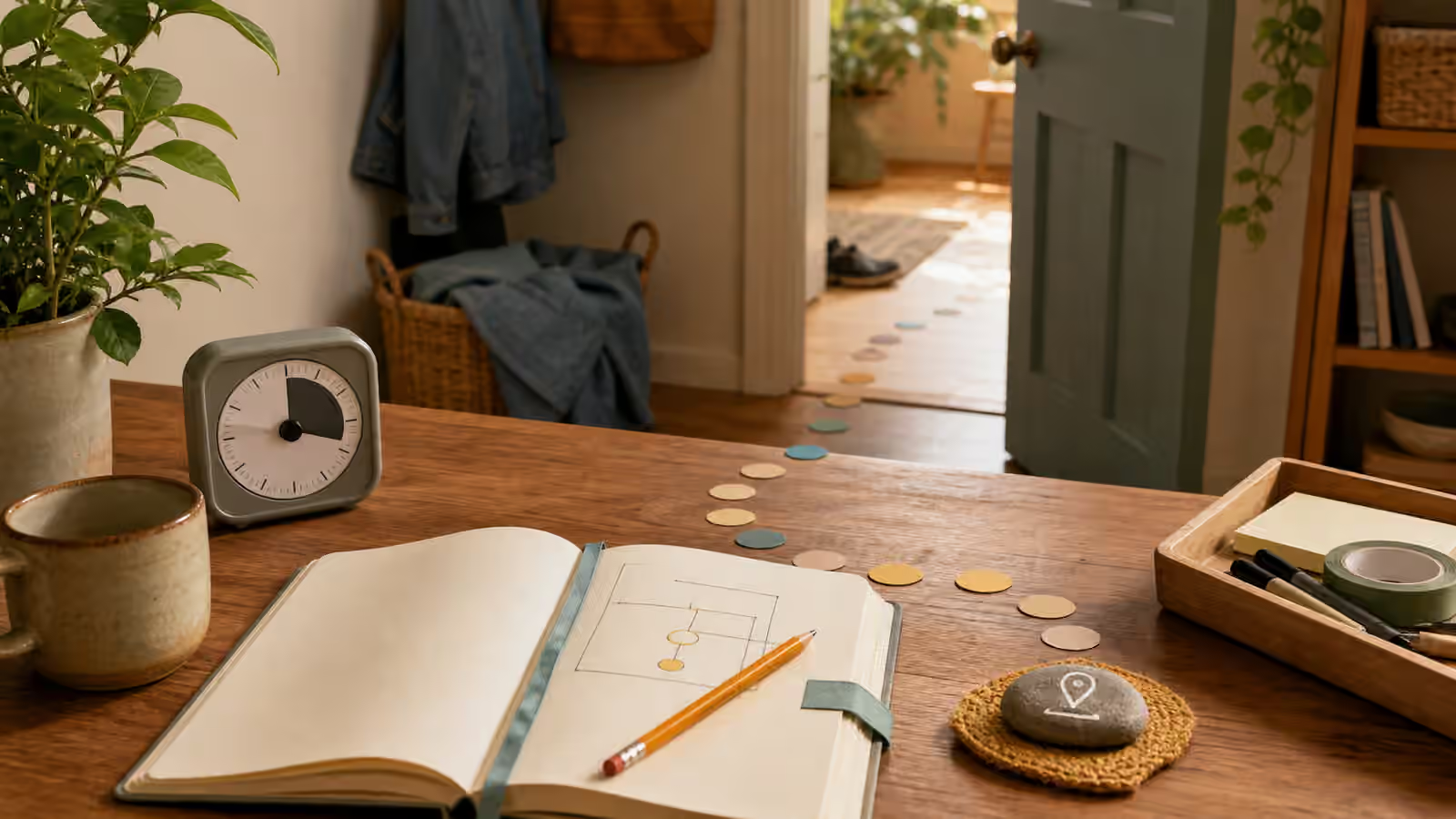
Reentry should begin with contact, not evaluation. Open the file. Place the materials on the table. Read the last paragraph. Thread the needle. Tune the instrument. Put the sketchbook where the light is good. The first action should reintroduce you to the project without requiring a verdict about whether it is worth finishing.
Judgment often arrives too early. You look at the draft and decide it is stale. You see the unfinished materials and feel guilty. You remember the version you imagined and compare it to the ordinary object in front of you. That judgment may contain useful information later, but it is a poor start line. The Start Line helps because it asks for the first physical move, not the final opinion.
Give yourself a short contact round. The goal of the round is to learn where the project is, not to fix it. Once contact exists, the next action usually becomes clearer. Before contact, the project is mostly a memory of pressure.
Build a reentry note
A reentry note is a small note written for the person who will return later. It should say where the project is, what was happening, what the next possible move is, and what decision should not be reopened yet. It does not need to be elegant. It needs to save context.
If you are returning to a project without a note, make one now. Write what you can observe. The draft stops after a scene that needs a transition. The painting has background color but no foreground decision. The quilt pieces are cut but not arranged. The lesson outline has examples but needs an opening activity. The video edit has selected clips but no sound pass. This note turns the project from a vague unfinished identity into a current state.
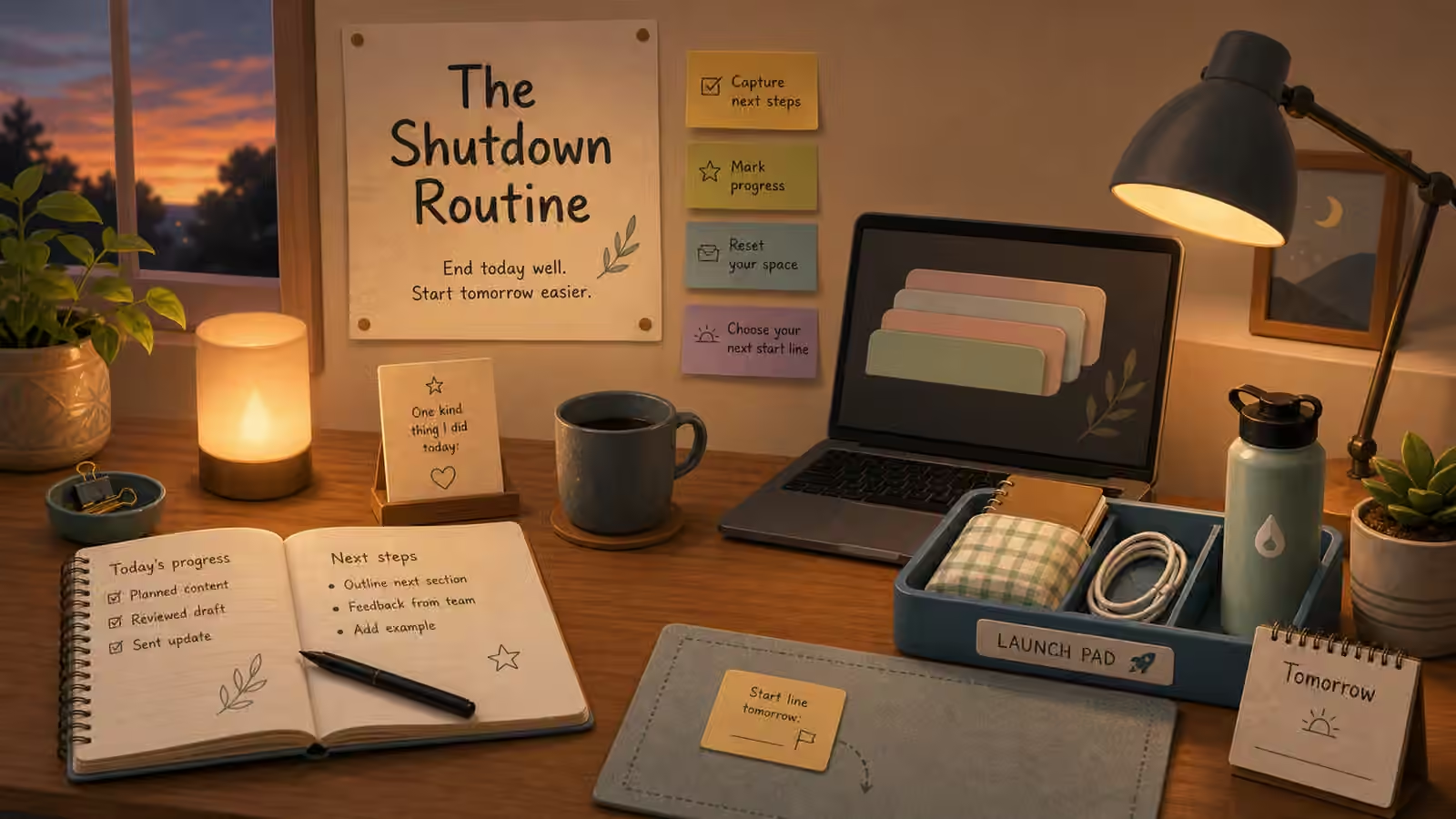
Interruption Return Points and The Shutdown Routine both support this habit. Creative work especially needs return points because the important details are not always visible to someone else. Your future self should not have to become an archaeologist before making one mark.
Protect the project from scope inflation
Old projects invite scope inflation. A small essay becomes a full series. A sketch becomes a portfolio plan. A handmade gift becomes a new storage system. A personal website becomes a brand strategy. Some expansion may be exciting, but expansion is not always reentry. Sometimes it is avoidance wearing ambitious clothes.
Choose the reentry task before expanding the project. The reentry task might be reading, sorting materials, making one revision, testing one color, writing one bad paragraph, or deciding what belongs in the next session. It should be modest enough to complete without requiring a new life plan.
Task Triage When Everything Feels Urgent is useful when several creative projects compete for attention. Loudness is not the same as nextness. A project may feel urgent because it carries guilt, not because it is the best place to start. Select one reentry and let the others remain parked with notes.
Make materials easier to resume
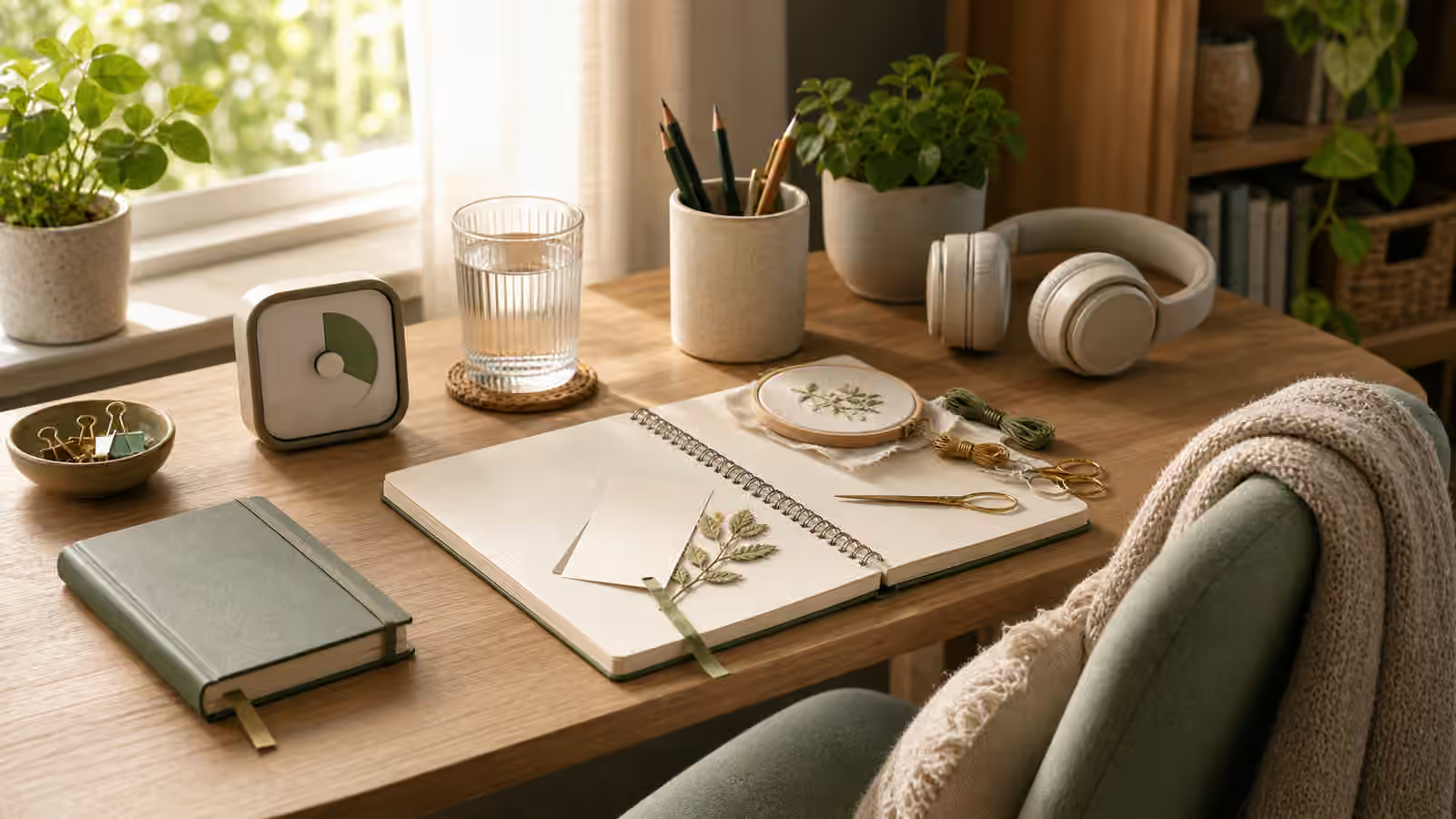
Creative materials can become a barrier when they are scattered, buried, or too precious. A project that requires finding the right cable, brush, file, fabric, notebook, plugin, or reference image may stop before it starts. A small materials tray or folder can hold the active tools without pretending to organize the entire studio.
The tray should match the next move. For writing, it might be the notebook, pen, and laptop charger. For drawing, it might be the sketchbook and a limited set of pencils. For sewing, it might be the pieces for the next seam, thread, and scissors. For music, it might be headphones, the instrument, and a note naming the section to revisit. The tray says: start here, not everywhere.
This is another form of Working Memory Offloading . The materials hold the project’s immediate shape. They also reduce the chance that setup will become a shopping, sorting, or research session.
Use an imperfect restart
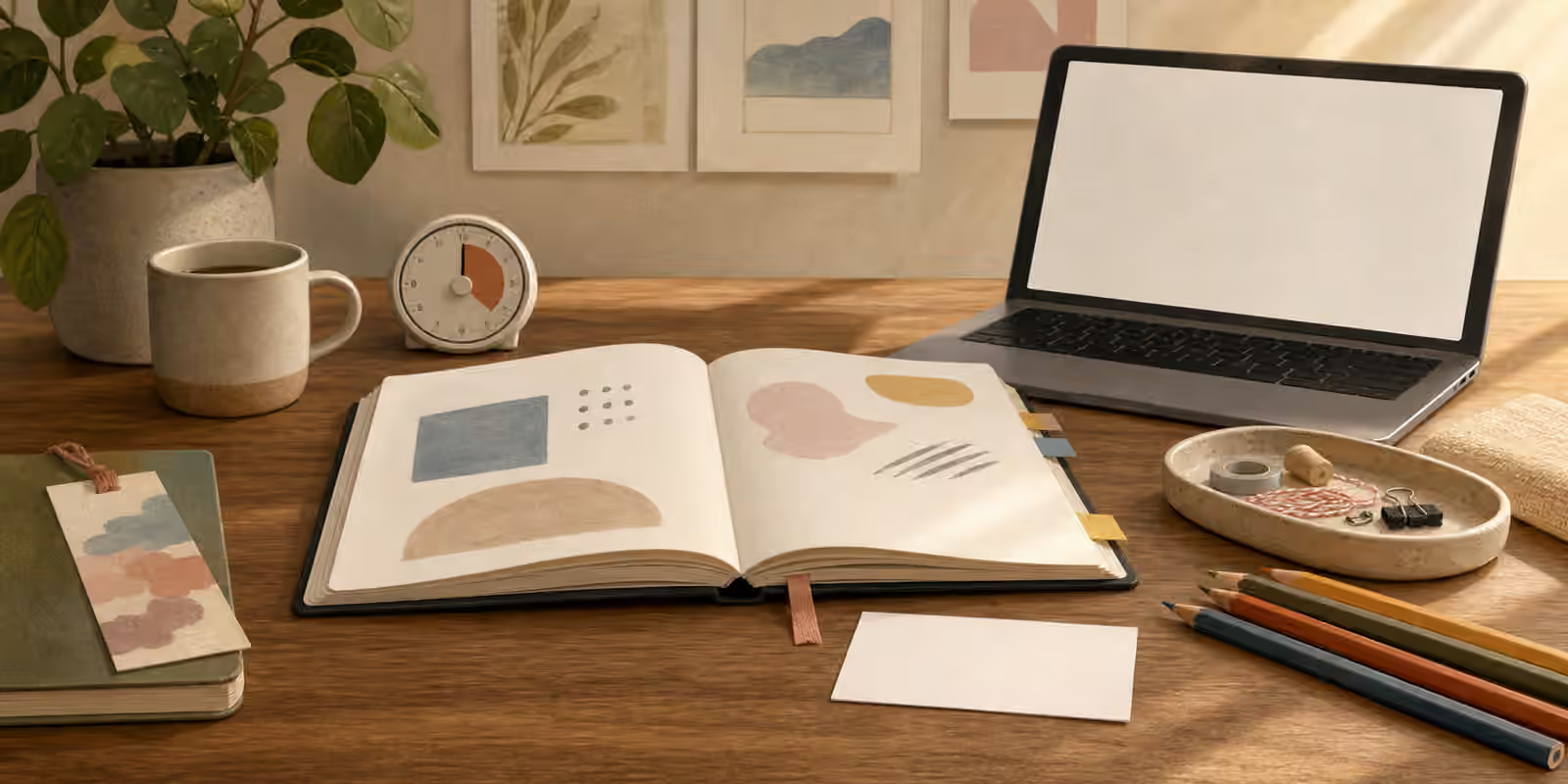
A project that has been paused may not restart at the same quality level. This is normal. You may need a rough paragraph, a bad sketch, a slow warm-up, or a small repair session before the project feels alive again. The restart is not proof that the project has failed. It is the bridge back into the work.
Choose an action that creates motion without asking for brilliance. Rewrite one sentence in three different ways. Make a tiny color test. Play the difficult section slowly. Arrange the materials without committing to the final order. Record a voice memo about the next scene. These actions are useful because they reduce distance. Once distance is reduced, taste has better information.
Be careful with research during reentry. Research can help, but it can also reopen the whole universe. If you need a reference, define what the reference must answer before searching. Digital Distraction Map can help keep a creative restart from becoming a tab drift.
Leave before the project disappears again
End the session by leaving a better doorway. Write the next move while the project is warm. Put the active materials together. Save the file with an obvious current version. Mark the page. Take a quick photo of the arrangement if that helps and privacy allows. Do not rely on future-you to remember the delicate idea that seems obvious right now.
The next doorway should be concrete. “Continue project” is not enough. “Open draft and add the missing transition after the second paragraph” is better. “Test blue background with small brush” is better. “Cut two more pieces from the pattern” is better. The note should make returning easier even if several days pass.
A creative project becomes startable again when contact comes before judgment, the current state is written down, the scope stays small, and the next doorway is left visible. You do not need to recover the whole original mood. You need one honest way back into the work.