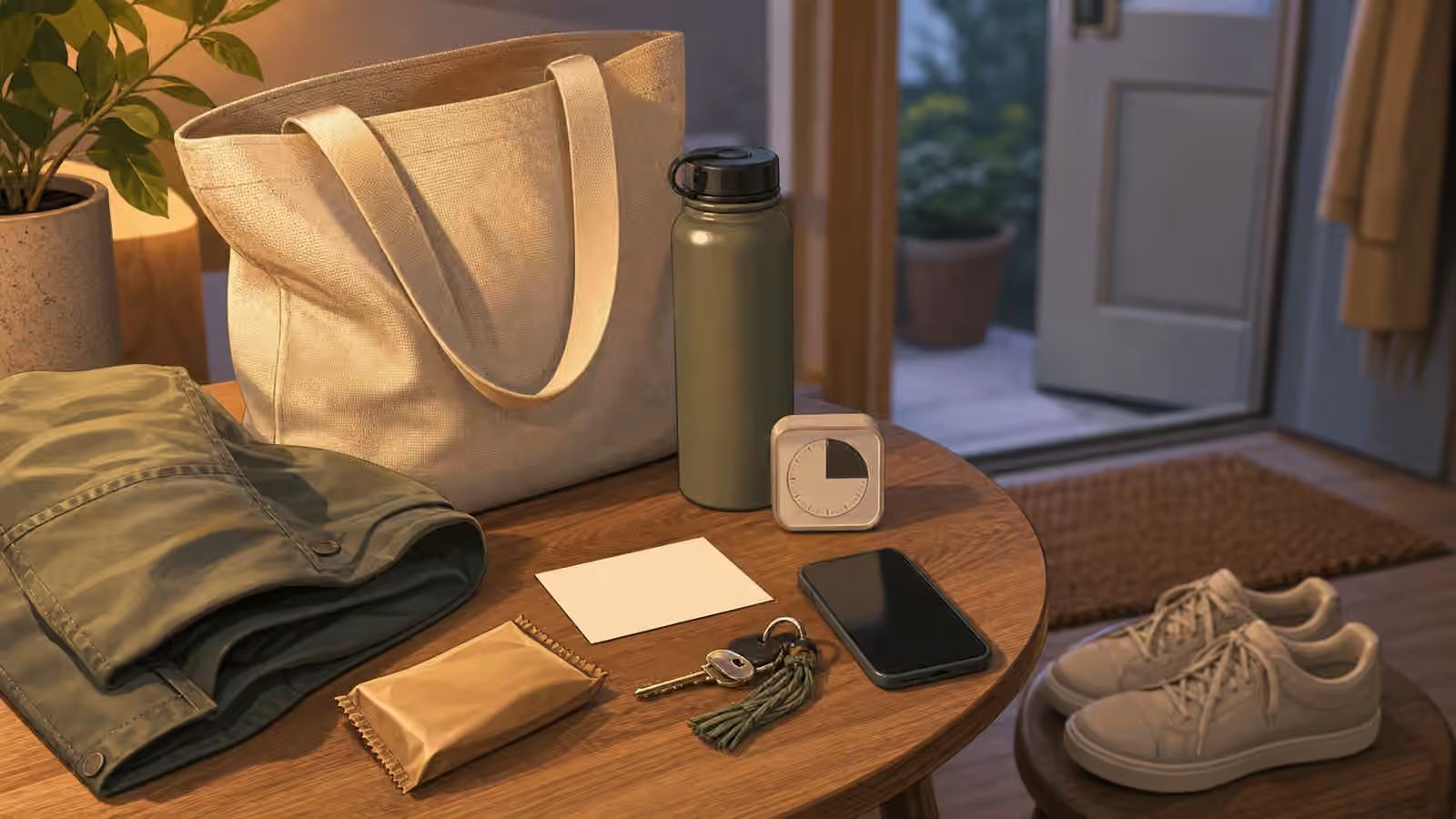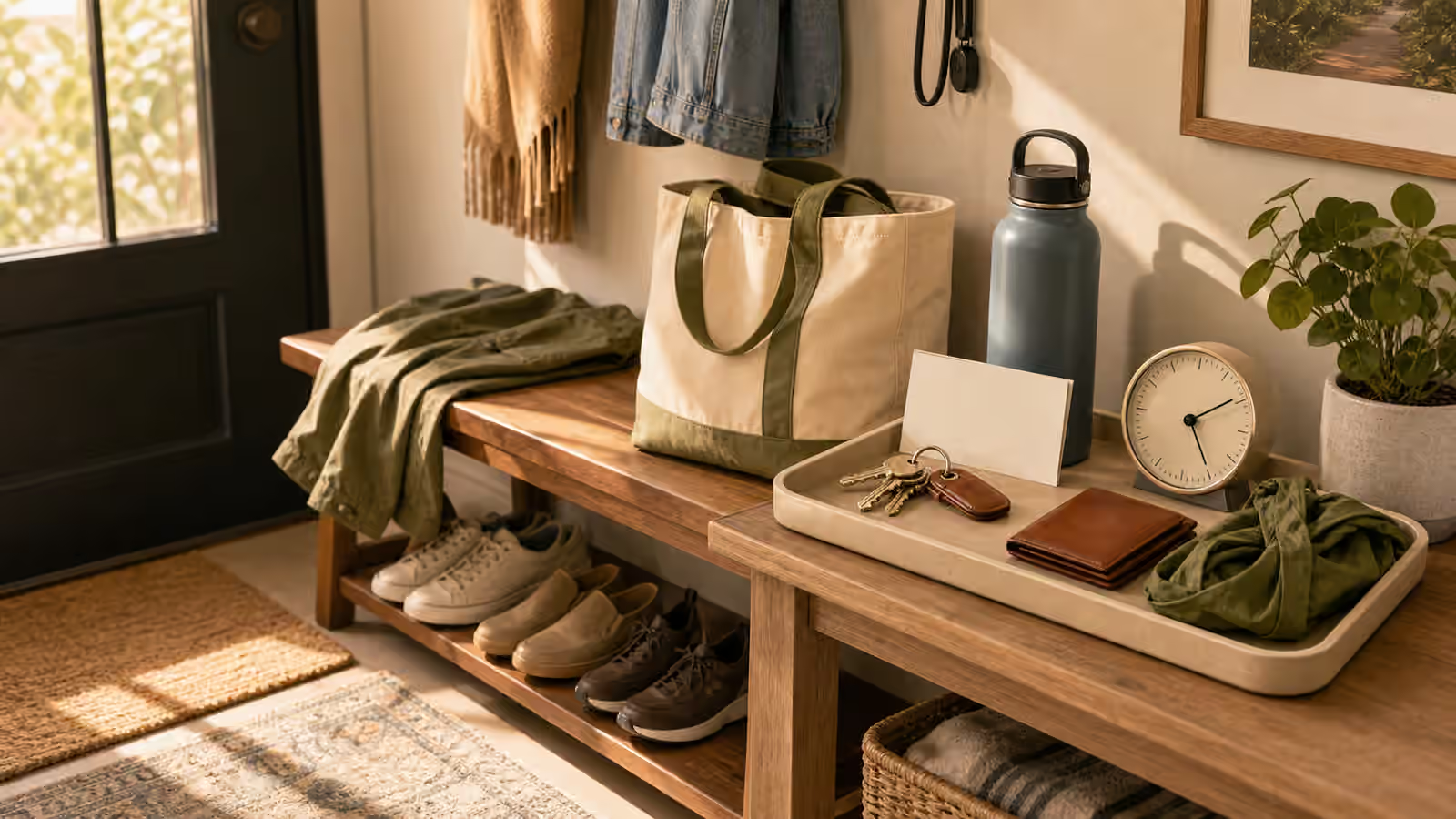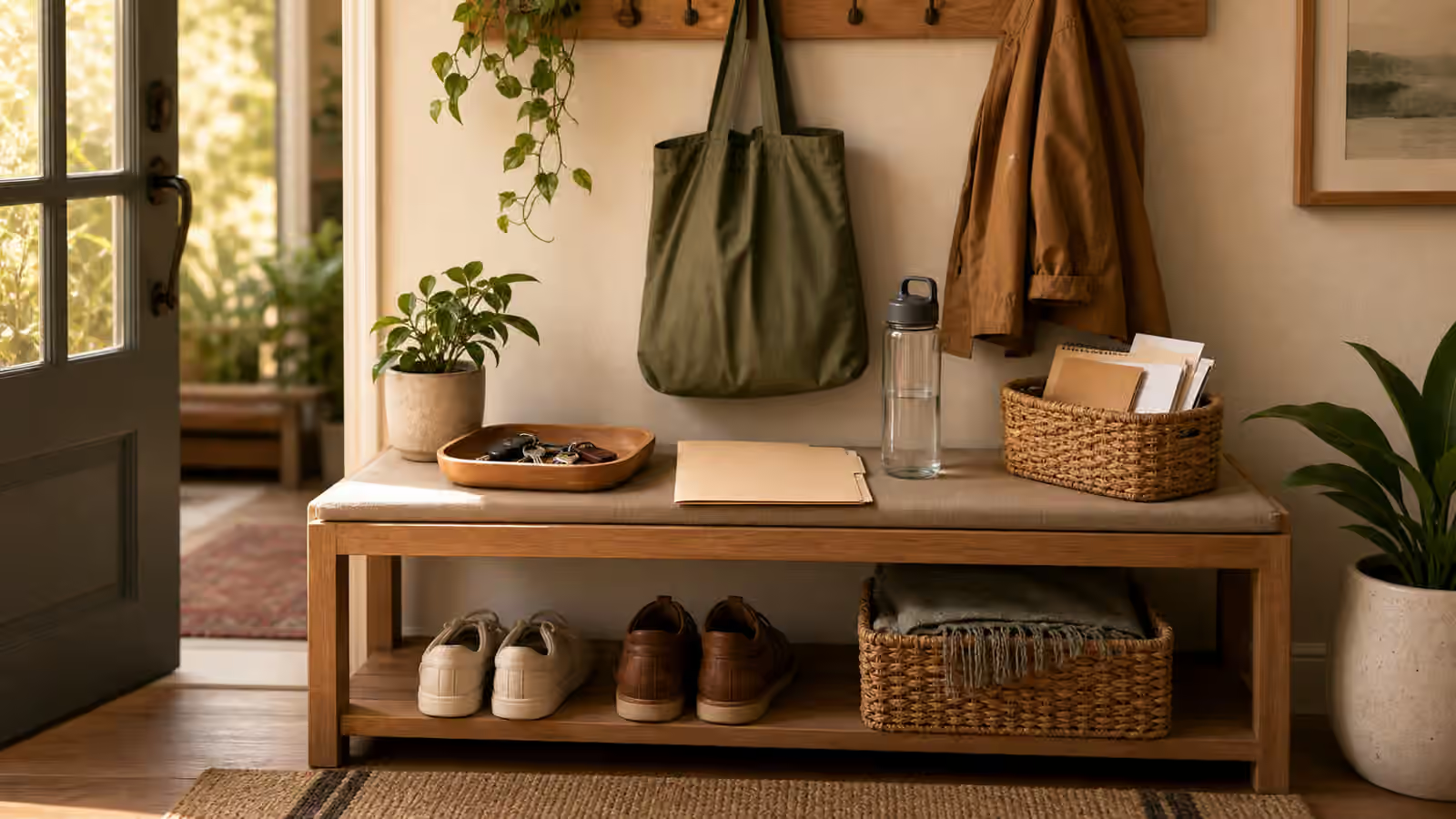
Coming home is a transition, even when it looks like the task is already over. The errand is done, the class has ended, the workday has closed, or the appointment is behind you. Then the door opens and a quiet second task begins: keys need a place, shoes need a place, bags need a place, papers need a place, water bottles and lunch containers need a place, and the next obligation may already be waiting.
When that arrival task has no visible shape, objects land wherever fatigue drops them. The receipt stays in a pocket. The school form remains in the bag. The package sits by the couch. The keys disappear into a jacket. The useful note from the appointment becomes one more loose paper. A coming-home landing strip gives the transition a small, physical edge so the house does not have to absorb the whole day at once.
Arrival Is a Real Task
It helps to name coming home as work. Not heavy work, not moral work, not a test of neatness, but real executive work. You are switching environments, releasing outside attention, carrying objects, remembering what should not be forgotten, and deciding which parts of the day need to continue. If you expect all of that to happen invisibly, the transition will often leak.
This is why the landing strip should be close to the door or close to the first place you naturally stop. It may be a bench, tray, hook, shelf, chair, basket, or narrow table. It does not need to be decorative. It needs to catch the repeated objects that cause trouble when they roam.
Transition Routines describes the general idea of leaving one mode and entering another. Coming home is one of the most common transitions because it happens while attention is already spent. A landing strip makes the transition visible before the house becomes a scatter pattern.
Catch the Objects That Decide Tomorrow
The best landing strip is built around repeated losses. If keys disappear, give them a tray. If papers vanish, give them a folder or basket. If lunch containers stay in bags, give the bag a first stop near the kitchen. If shoes create a pile, give one pair an obvious home. If water bottles move from room to room, place a return spot where they can be seen.
Do not try to catch every object in the house. A landing strip that becomes responsible for everything will become another pile. Start with the objects that decide tomorrow’s first move. Keys decide leaving. A work badge decides the morning. A school form decides whether a reply happens. A library book decides whether an errand becomes late. A return package decides whether it stays in sight or becomes background furniture.
This connects with The Open-Loop Parking Lot . Some objects are unfinished loops. They do not belong fully away because they still need action, but they also should not spread across every surface. The landing strip can be the first parking place before a more specific home takes over.
Give Papers a Different Fate Than Keys
Keys and papers should not share the same system. Keys need a tiny, repeatable drop. Papers need a visible next state. If a paper lands in the key tray, it may become invisible under ordinary objects. If keys land in the paper basket, they may disappear into tomorrow’s frustration.
Paper needs a slightly richer landing place. It might be an active folder, a mail tray, a school slot, or a single clipboard. The purpose is not to process every paper at the door. The purpose is to keep papers from becoming loose memory. A form can wait in a known place. A receipt can go into the receipt bowl if you keep receipts. An appointment note can move to the admin tray instead of staying in a coat pocket.
Paperwork Without the Pile is the deeper guide for what happens after papers land. The coming-home system only needs to answer the first question: where does this go before I have the energy to deal with it?
Make the Reset Short Enough for Tired Arrival
A landing strip fails when it asks for too much at the hardest moment. Coming home after a long day is not the time for a full reset, a closet overhaul, or a perfect unpacking session. The first routine should be almost plain: keys in tray, bag on hook or bench, papers in basket, bottle by sink, shoes in one visible spot.
If that is still too much, shrink it further. Choose the one object that causes the most downstream damage and catch only that for a week. Maybe the whole practice is keys in the tray. Maybe it is papers out of the bag. Maybe it is cold groceries on the counter before anything else. A useful landing strip can begin as one reliable gesture.
This is the same spirit as The Start Line . The start line is not “clean the entry.” It is “put keys in the tray” or “place the folder in the basket.” A physical move is easier to enter than a vague demand to be organized.
Separate Rest From Drift
Rest after arriving home is allowed. The problem is not sitting down. The problem is when the body sits down and the objects keep carrying responsibilities that were never parked. A landing strip protects rest by making the transition less noisy. Once the keys, papers, bag, and urgent leftovers have a visible place, rest does not have to compete with the worry that something important is buried.
This distinction matters on low-capacity days. If you tell yourself you may not rest until everything is put away, the arrival routine becomes too large and may not happen. If you tell yourself nothing matters once you are through the door, the house may collect tomorrow’s obstacles. The landing strip offers a middle path: a small arrival move first, then a clearer pause.
Breaks With Return Points can help here. Coming home often creates a break between outside obligations and inside obligations. If something must continue later, leave the return point where you can see it. If nothing must continue, let the landing strip close the loop enough that rest feels less interrupted.
Repair the Strip When It Becomes a Pile
Every landing strip will eventually collect extra objects. That does not mean the system failed. It means the strip did its job long enough to reveal what needs a better home. If the basket fills with papers, the paper process needs a next step. If bags stack up, the bag return spot may be too far from where they are emptied. If shoes crowd the path, the shoe rule may need to become smaller or more specific.
Repair by asking what the pile is trying to tell you. Is the object waiting for a decision? Is it waiting for another person? Is it missing a home? Is the next step too private, expensive, or inconvenient to happen at the door? The answer should lead to a small adjustment, not a full redesign.
One-Surface Reset is a useful companion when the strip overflows. Clear the one landing surface, return obvious objects, and name anything that is still active. The landing strip does not need to make the whole entryway beautiful. It needs to keep tomorrow’s first move from being hidden in yesterday’s arrival.
A good coming-home landing strip changes the meaning of the doorway. Instead of being the place where the outside day spills into the house, it becomes the place where the day is set down carefully enough to be found again. That small edge can make mornings easier, errands cleaner, papers less slippery, and rest less tangled with loose ends.