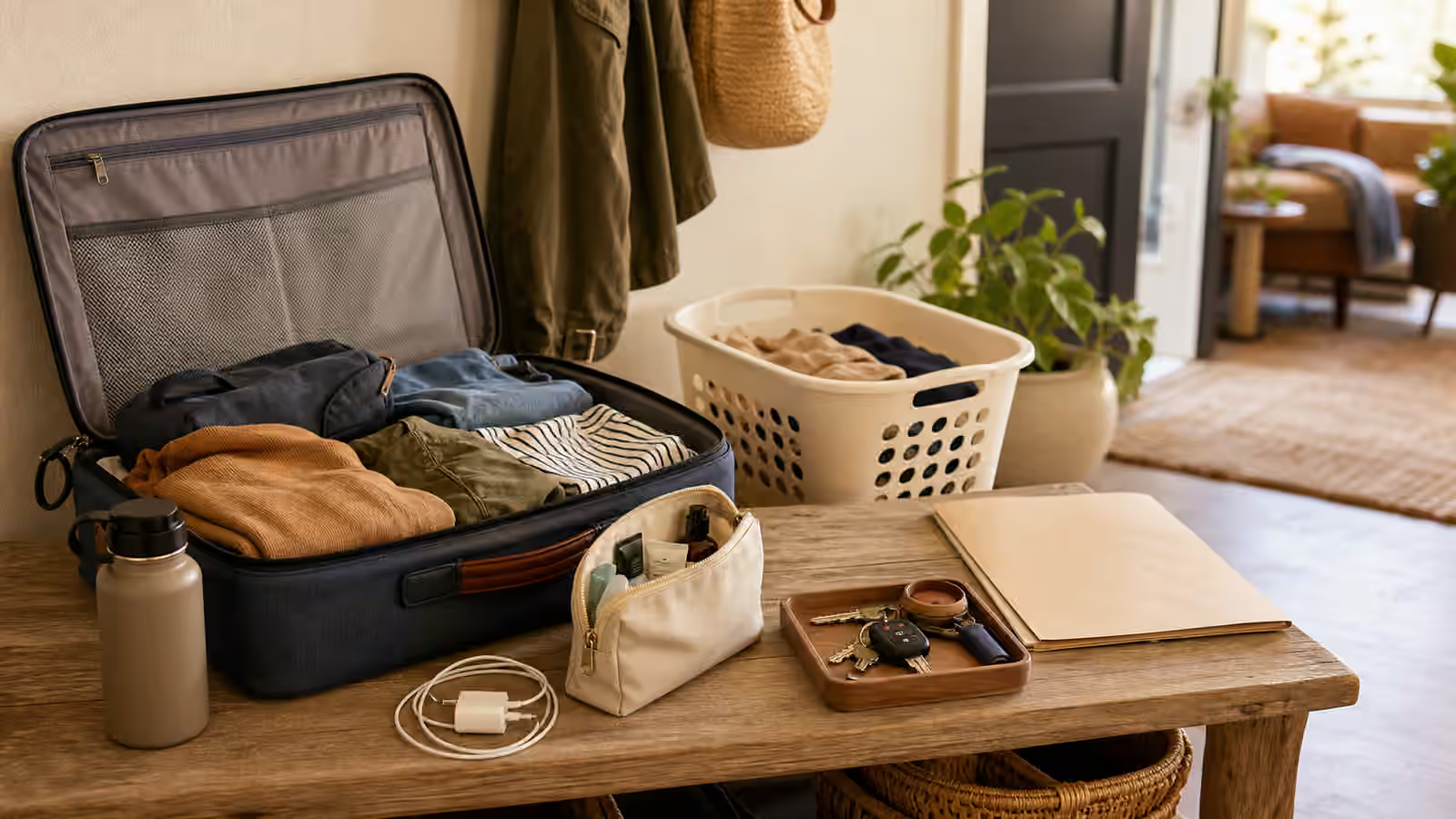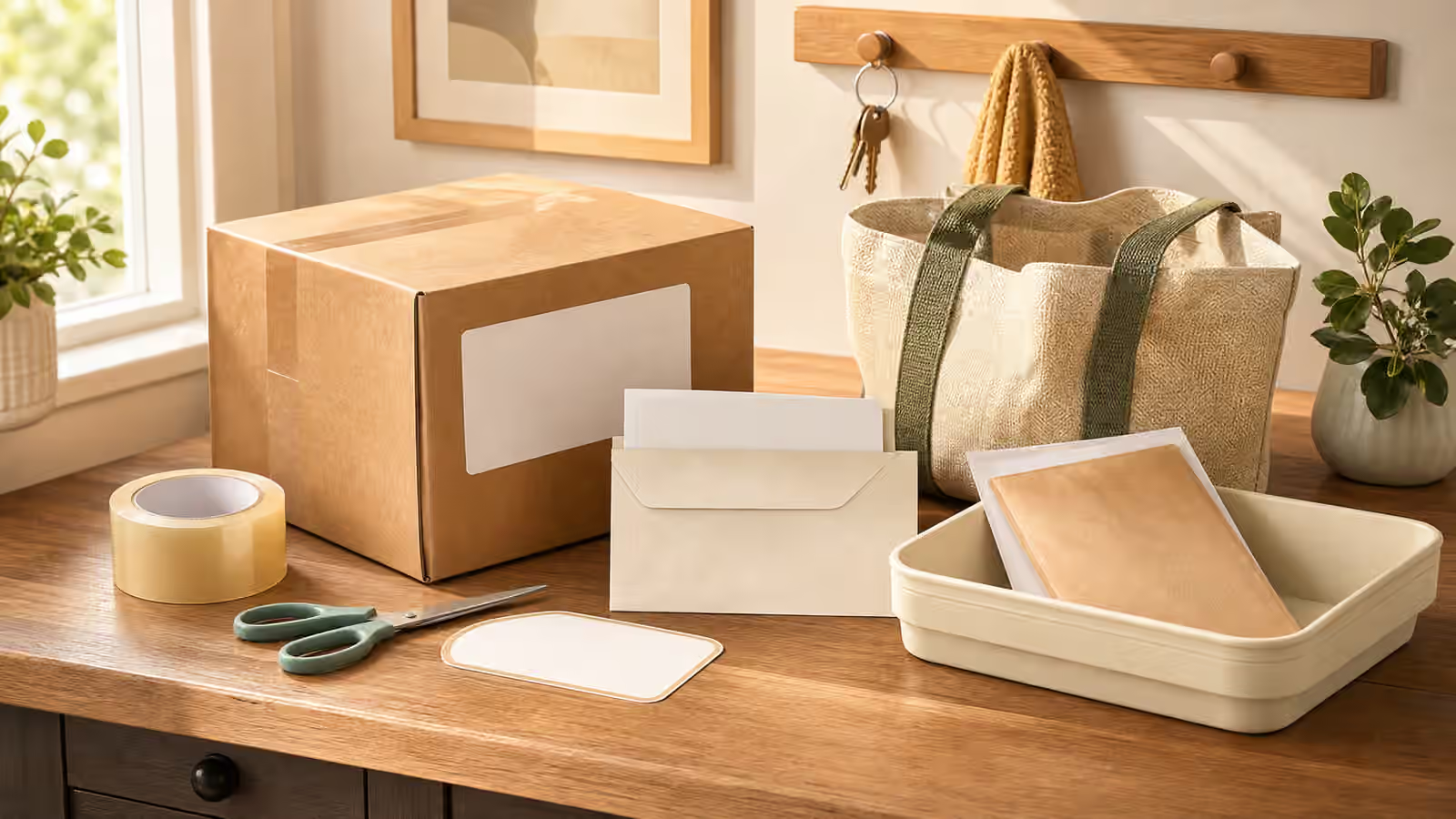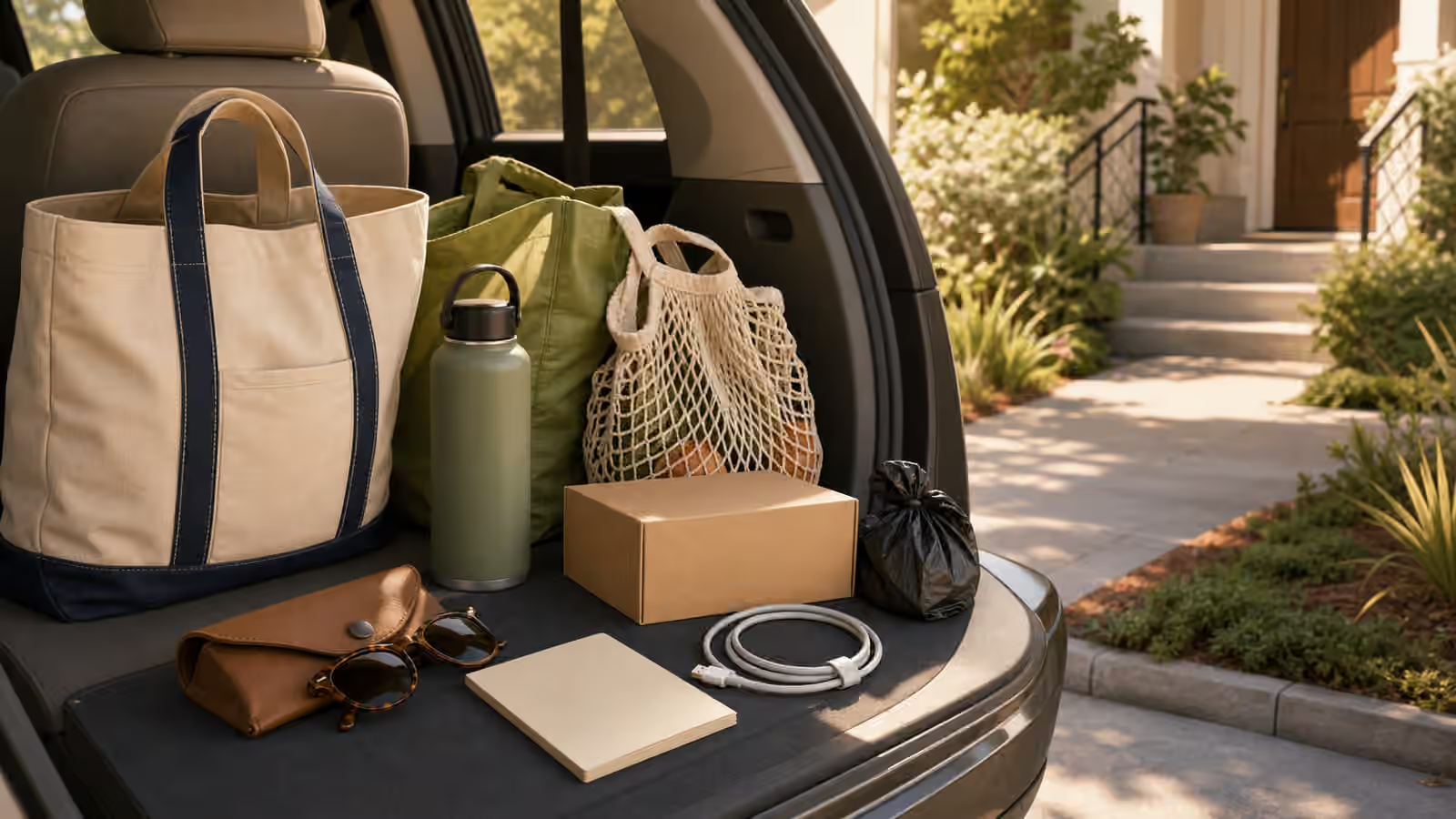
A car can quietly become a second desk, a second entryway, and a second storage room. It holds reusable bags, returns, umbrellas, receipts, snack wrappers, water bottles, school papers, sports gear, chargers, sunglasses, mail, packages, library books, and the objects that were supposed to leave the house but did not quite make it to their destination. When the car has no reset, every errand begins by digging through the remains of previous errands.
A car launch pad reset treats the vehicle as a mobile transition place. The goal is not a spotless interior or a perfect trunk system. The goal is to make the next leaving-home task easier to start by giving common objects a visible place, routing leftovers back into the house, and preventing the car from hiding tasks that still need attention.
Decide What the Car Is Allowed to Hold
The car becomes chaotic when every object is equally allowed to stay. Some items genuinely belong there because they support repeated starts. Reusable bags, a small trash bag, sunglasses, a charging cable, a blanket, a parking pass if applicable, or an emergency supply may have a stable role. Other items are only passing through: receipts, cups, borrowed objects, return packages, groceries, work papers, jackets, and bags.
The reset begins by making that distinction. The car is allowed to hold readiness objects. It should not become the long-term home for objects that need action elsewhere. This mirrors Coming Home Landing Strip , except the landing strip is on wheels. Objects enter and leave the car as part of transitions, and the system needs a way to keep them from disappearing between locations.
If the distinction feels fuzzy, ask what would help the next ordinary errand start. That answer should stay. The rest needs a route.
Make a Seat or Trunk Zone Startable
Choose one car zone as the launch pad. It might be the front passenger floor, a trunk corner, a back-seat basket, or a small tote that moves between car and home. The zone should be boring and obvious. If every item has to be hidden in a separate compartment, the system may be too fussy to use when tired.
Errands and Out-the-Door Starts works better when the car zone is predictable. A package return can go in the same spot. Library books can go in the same bag. Grocery bags can live in the same trunk corner. The launch pad turns an errand from “remember the thing” into “put the thing in the visible place before leaving.”
Avoid asking the car zone to hold every possible future. A crowded launch pad stops being a cue and becomes a pile. The best version holds the next few active errand objects plus the repeated readiness items.
Empty the Evidence After Each Loop
Errands leave evidence. Receipts, wrappers, empty cups, shopping bags, appointment papers, sample packets, return slips, and objects that belong in the house all collect during a loop. If they stay in the car, the next loop begins with noise. Some of that noise is visual. Some of it is memory noise, because you know there may be something important somewhere in the car.
A car reset does not require cleaning the whole vehicle. It asks for one evidence pass after the loop. Bring in food, papers, receipts, and bags that need action. Throw away obvious trash when you are parked and it is safe to do so. Move reusable bags back to their trunk place. If a paper needs admin attention, route it to Paperwork Without the Pile instead of leaving it in the door pocket.
This pass is easiest when it happens at the same transition point as arriving home. If the objects already travel from car to door, connect them to the home landing strip before they scatter.
Park Active Errands Without Hiding Them
Some car objects are not ready to leave yet. A return package may need to stay in the car until you pass the store. A library book may need to wait for the next route. A donation bag may belong in the trunk for a few days. These are active errands, not clutter, but they still need visibility.
Open-Loop Parking Lot gives the rule: parked does not mean forgotten. If an object is waiting in the car, give it one clear home and connect it to a reminder outside the car. That reminder may be a calendar note, an errand list, a visible card near keys, or a line in a capture inbox. The car holds the object; the planning system holds the cue.
Do not let the trunk become a silent archive of good intentions. If an item has lived there long enough to become invisible, it needs review. The review can be small. Open the trunk, identify one active item, and decide whether it is still waiting, returning inside, or leaving on the next errand.
Protect Charging and Carry Items
Modern errands often depend on devices and carry objects. A phone, portable battery, charging cable, transit card, wallet, glasses, water bottle, or work badge can determine whether the errand starts calmly or begins as a search. The car may help or hurt depending on where those objects land.
Device Charging Start Station pairs well with the car reset. A cable may live in the car, but the device may need to charge in the house. A portable battery may return to the charging station after a long day. Sunglasses may stay in a case in the car if that is where they are used. The rule is based on the next start, not on a universal organizing ideal.
Carry items should not be split across too many places. If the wallet sometimes stays in the car and sometimes comes inside, morning may become a search. Choose a stable home for the items that matter most, and let the car hold only what truly supports car-based tasks.
End With the Next Departure
A useful car reset ends by imagining the next ordinary departure. Not a perfect future, just the next likely leaving-home task. What will you need to see when you open the door or trunk? What object should already be there? What object must not still be there? What will block the first move if it hides?
This is a mobile version of Morning Launch Pad . The car is part of the morning or errand launch system, so it needs a start state. The start state might be reusable bags returned, trash out, active return package visible, water bottle removed, and charger in place. It might be smaller than that on a hard day.
The car does not need to become a showroom. It needs to stop swallowing starts. When the next errand has a clear place for its object and the last errand has stopped leaving clues everywhere, the car is doing its launch pad job.