A bathroom reset often waits because it looks like a cleaning project before it looks like a first move. The counter has bottles, towels, hair tools, laundry, toothpaste, packaging, and a few objects that belong somewhere else. The sink may need attention. The mirror may be distracting. The trash may be half full. The floor may have one small pile that somehow makes the whole room feel unavailable.
When the room feels like one big task, the first move hides. A startable bathroom reset narrows the job to one useful surface, one staged tool, and one visible stopping point. It does not promise a perfect bathroom. It makes the next use of the room easier and keeps the reset from expanding into every cabinet, drawer, and product decision.
Choose the Next Useful State
The first question is not how clean the bathroom should be. The first question is what next useful state would actually help. Maybe the sink needs to be clear enough for morning care. Maybe the counter needs one open spot for a toothbrush, medication, hairbrush, or shaving supplies. Maybe the hamper needs to catch towels before they become floor clutter. Maybe the trash needs to stop blocking the next reset.
That next useful state should be small enough to recognize. “Clean bathroom” is too wide. “Clear the counter around the sink” is visible. “Put towels in hamper and hang one fresh towel” is visible. “Gather bottles into the tray” is visible. A small state gives the body a place to begin and a place to stop.
One-Surface Reset is the closest companion because a bathroom counter can become the one surface that changes the room. You are not promising to solve storage, deep cleaning, laundry, and personal care at once. You are making one surface easier to use.
Stage the First Tool Before Sorting
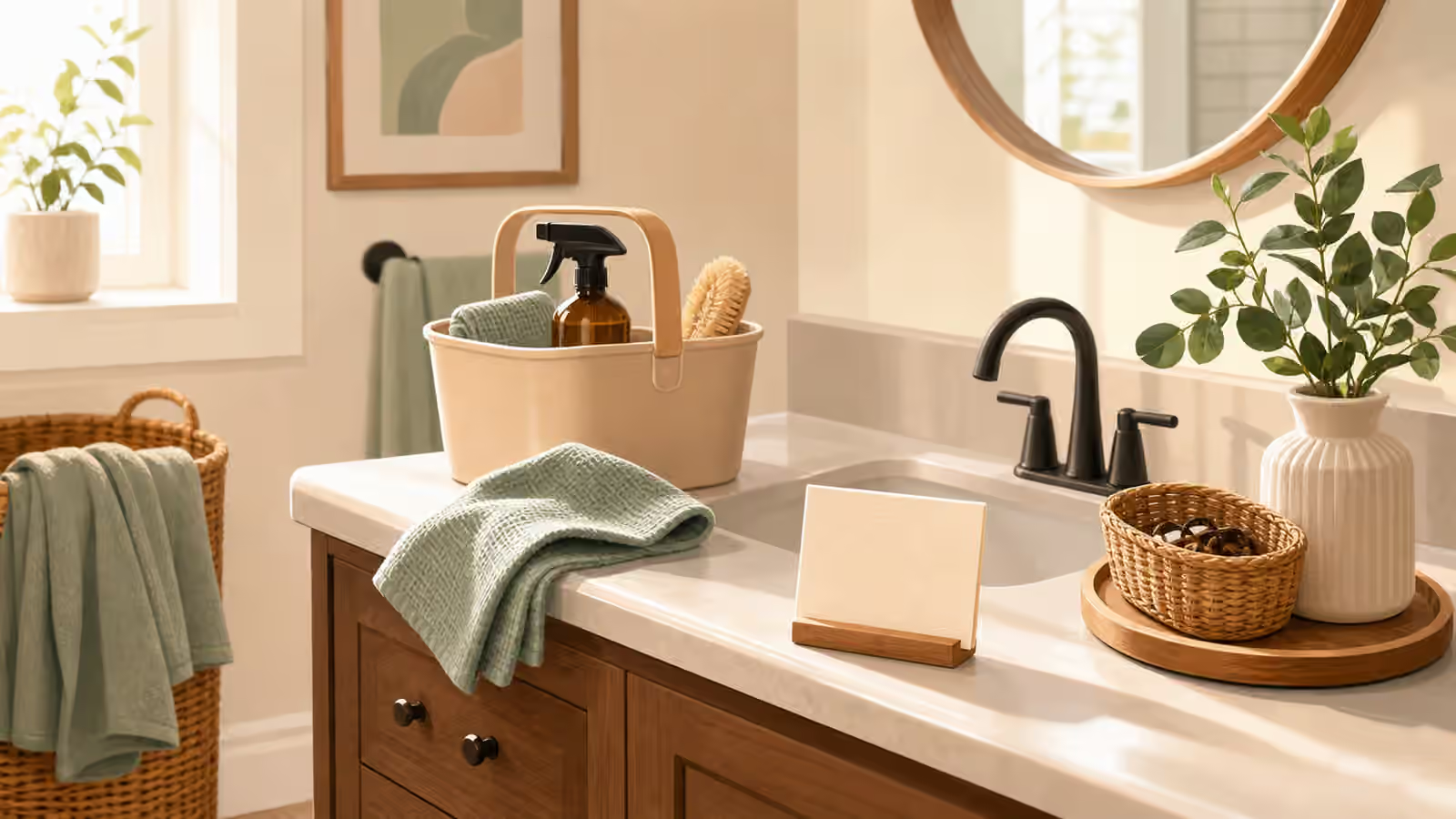
Many bathroom resets stall because sorting starts before the first tool appears. You pick up a bottle, wonder where it belongs, notice a drawer, find old items, and suddenly the reset has become a cabinet review. Begin with the first tool instead. Put the cloth, caddy, trash bag, towel, basket, or hamper in the room before touching the clutter.
The first tool tells the task what kind of reset this is. A cloth says wipe the sink area. A small basket says gather objects that belong elsewhere. A towel says restore the towel zone. A trash bag says remove obvious trash. A tray says collect daily-use items. Without the tool, every object asks for a decision. With the tool, more objects have a temporary direction.
This is the same low-friction move used in Low-Friction Chore Starts . The task begins when the object that starts the work is in your hand or in the work area. Motivation can arrive later if it wants to.
Use a Temporary Elsewhere Basket
Bathrooms collect objects that belong in other rooms. Laundry tags, mugs, hair ties, chargers, packaging, bags, papers, and loose items can turn a reset into a walking route. Every trip out of the room risks a new task. The elsewhere basket protects the reset from becoming a tour of the house.
Place one basket or container near the door. Anything that clearly does not belong in the bathroom goes there for now. Do not deliver each item immediately unless delivery is the whole task. The basket creates a boundary: this round is about making the bathroom usable, not solving every object migration. After the counter or sink is reset, the basket can move to a landing place or become a small later task.
If the basket itself tends to become a permanent pile, pair it with The Open-Loop Parking Lot . A parked object needs a place and a review cue. The bathroom should not carry the whole household’s unfinished handoffs.
Keep Personal Care Separate From Room Reset
The bathroom is both a care space and a storage space. That overlap can blur tasks. Starting a shower, brushing teeth, sorting products, doing laundry, wiping the sink, and cleaning the mirror are related by location, but they are not the same task. If they merge, the reset can become too large to start.
When the immediate need is personal care, use Shower and Care Start Lines and let the room reset stay small. When the immediate need is room usability, choose the counter, towel, trash, or sink start line and avoid redesigning the care routine. The distinction matters because the bathroom can easily become a place where every unfinished habit seems to demand attention at once.
The reset should support care without turning care into a performance. A clear sink area, a visible towel, and a small tray for daily items may help tomorrow’s start more than a deep cabinet sort today. The best bathroom support is often boring and repeatable.
Stop Before the Cabinet Spiral
Bathroom drawers and cabinets invite a particular kind of expansion. You pick up one bottle and discover expired products, duplicates, travel sizes, tangled tools, and things bought for a future version of the routine. That sorting may be useful, but it is not the same as a startable reset. If cabinet work appears, name it as a separate project.
A cabinet project needs its own start line, finish line, and stopping place. Otherwise the bathroom reset can leave the room worse in the middle: open drawers, products on the floor, and no clear counter. If the cabinet truly blocks the daily reset, choose one tiny cabinet move, such as making room for the three daily objects or removing obvious empties. Then close the cabinet and return to the visible surface.
Good-Enough Finish Lines can help here. A bathroom reset is good enough when the next ordinary use is easier. It does not have to answer every storage question.
Leave the Next Reset Easier
Before stopping, leave one cue for the next reset. The cloth can return to the caddy. The tray can hold only daily-use objects. The hamper can sit where towels actually land. The trash bag can be replaced. The elsewhere basket can move out of the room. These small closing moves make the next bathroom reset less likely to begin with a search.
This is a bathroom version of After-Task Reset . The reset closes by protecting the next start. If you are tired, choose the closing move that removes the most future friction. Sometimes that is putting the caddy back. Sometimes it is hanging the towel. Sometimes it is clearing only the sink edge.
A bathroom reset becomes startable when it has a next useful state, a first tool, a temporary place for elsewhere objects, and a finish line that does not include every cabinet. The room may still be imperfect. It can also become easier to enter tomorrow, which is the point of the reset in the first place.