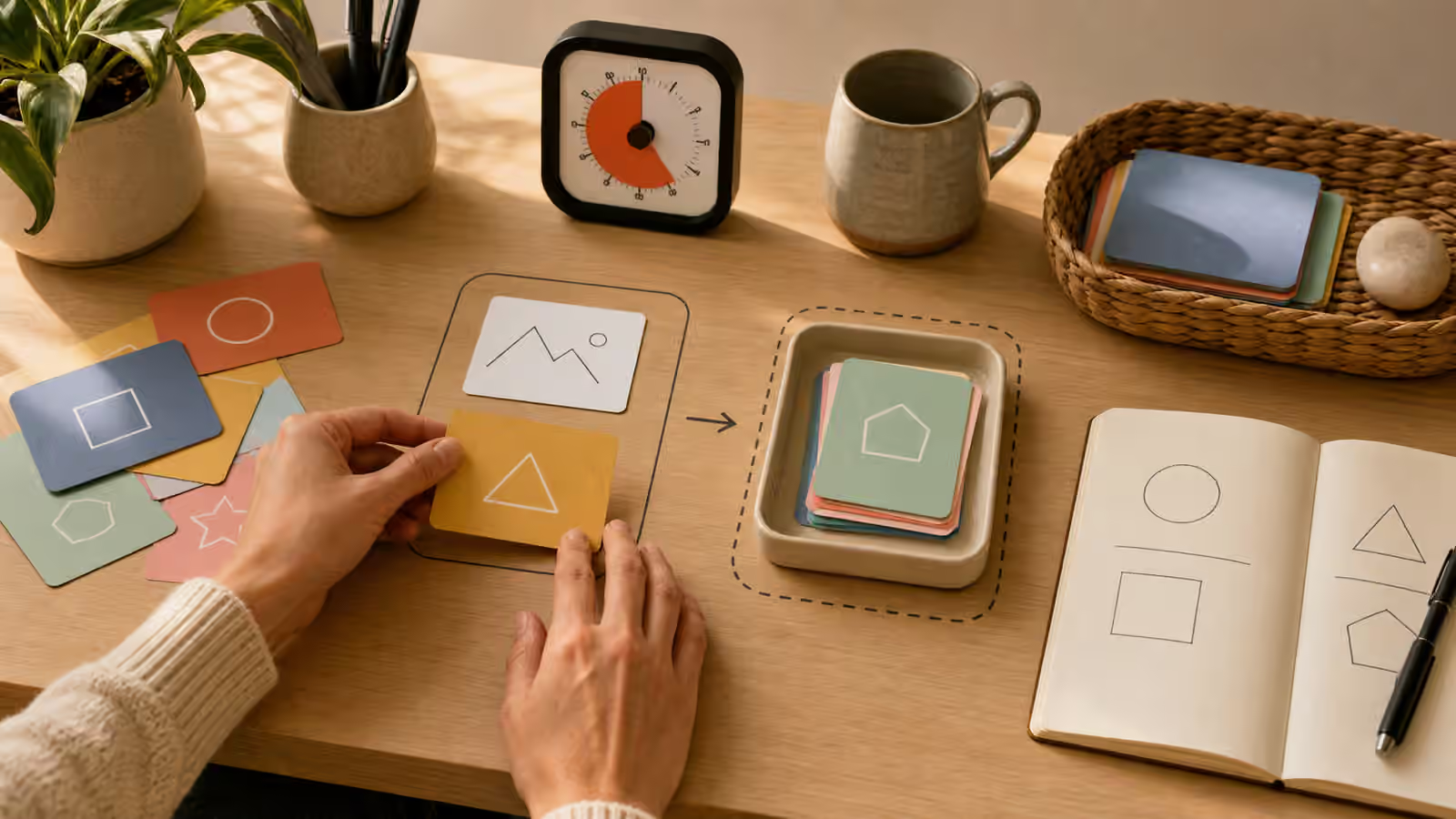
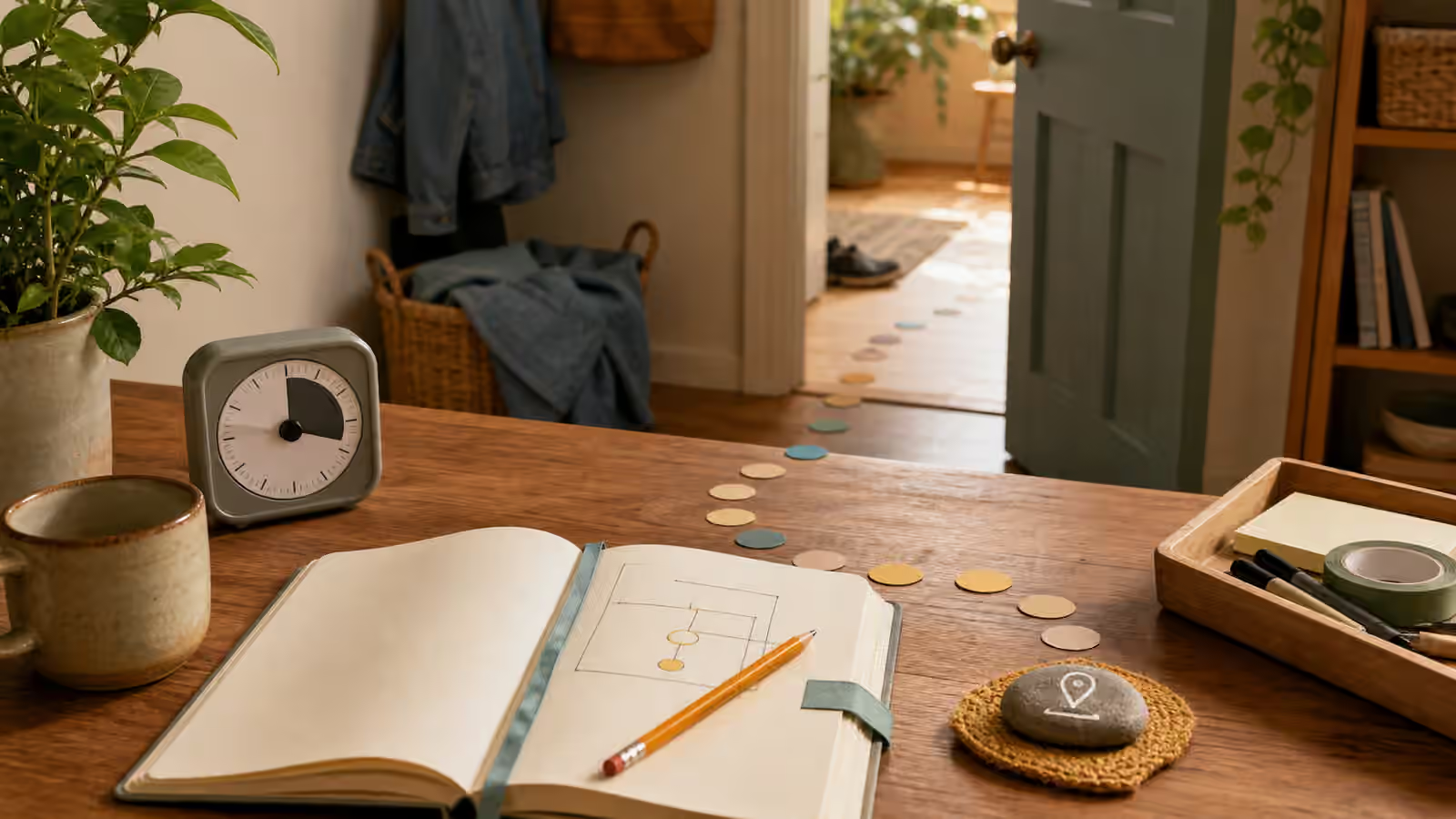
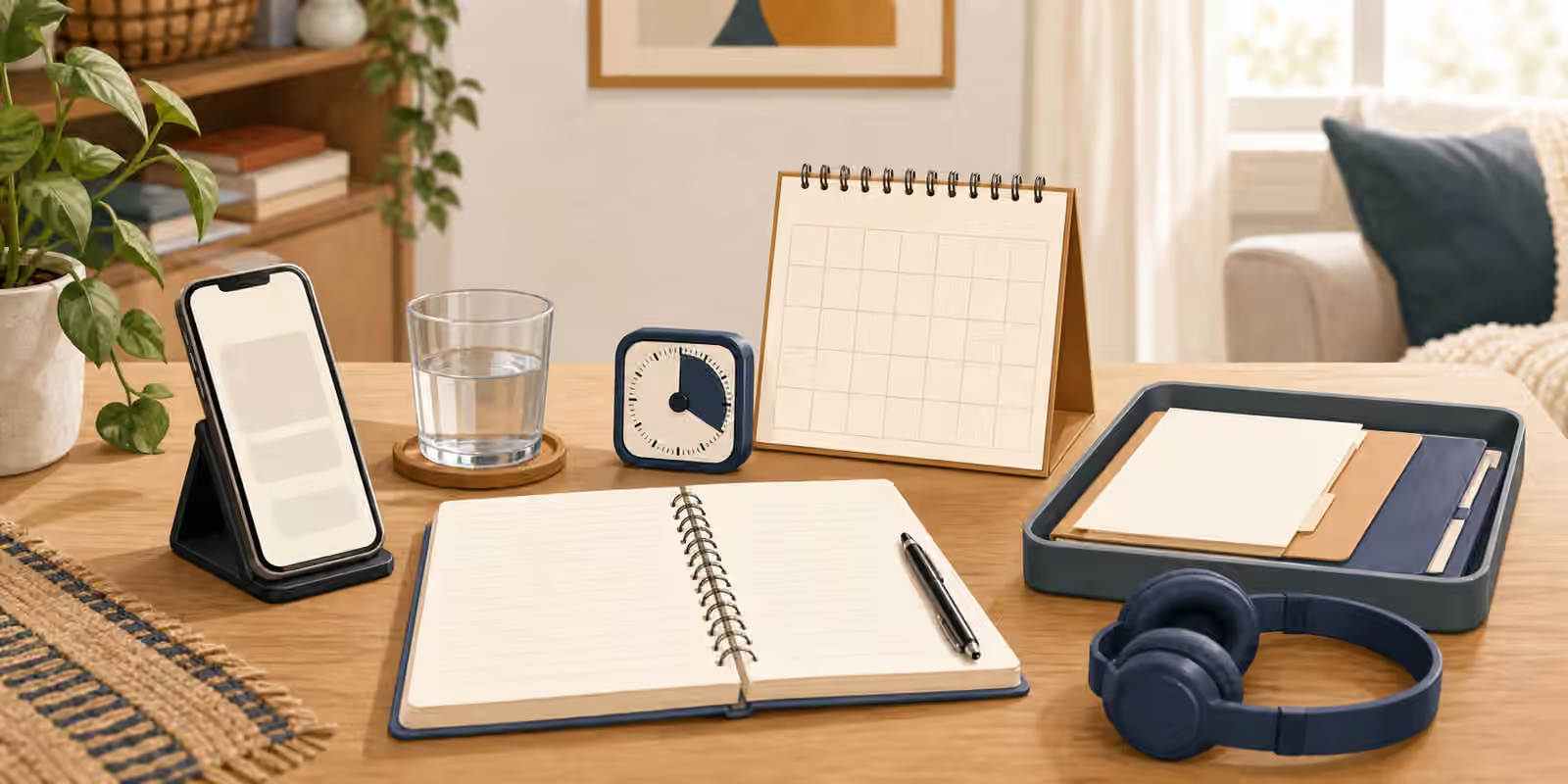
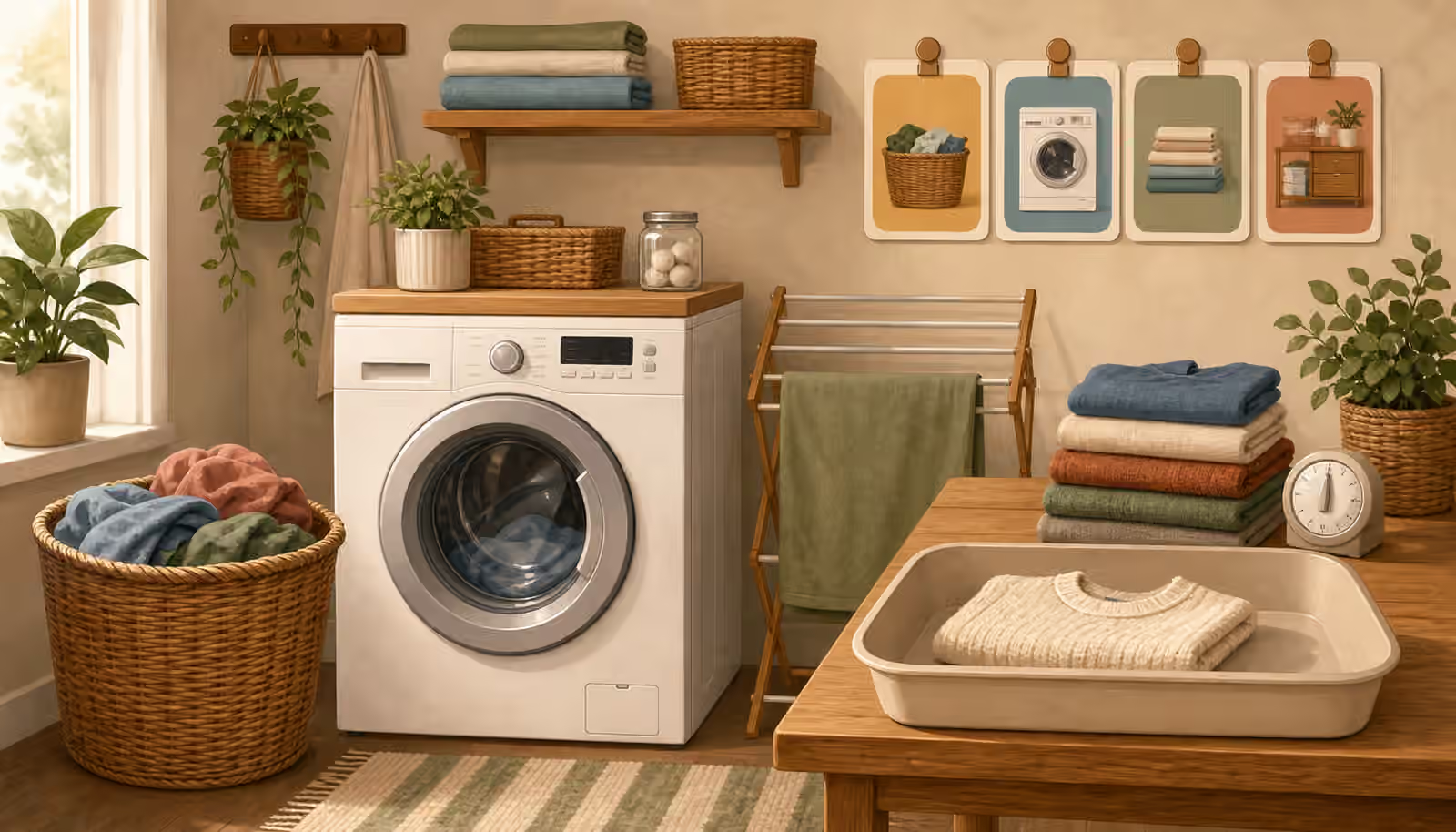
Startable Life Lab is a practical, non-clinical guidebook shelf for making everyday tasks easier to start, resume, and complete. The guides focus on systems you can see: start lines, visible time, friction audits, offload stations, visible task boards, body-double scripts, help requests, portable start kits, transition ramps, hyperfocus exit ramps, break return cues, finish lines, big project maps, overdue task reentry, tiny admin batches, open-loop parking lots, shared household handoff boards, study spaces, digital boundaries, email replies, call stations, laundry cycles, meal prep starts, grocery starts, creative reentry notes, calendar-to-start bridges, getting-dressed start lines, one-surface resets, coming-home landing strips, packing runways, personal-care starts, digital file searches, guest-ready resets, weekly resets, chore starts, paperwork stations, morning launch pads, waiting-mode bridges, reentry notes, capture inboxes, login friction, lunch restarts, trash and recycling starts, bag resets, after-task resets, movement starts, trip-return resets, kitchen shutdowns, car launch pad resets, desk reentry resets, weekend open-time maps, decision-to-action bridges, rough draft start lines, visual storage, recurring maintenance cue stacks, bill-payment starts, midweek course corrections, browser tab reentry, lost-item searches, package returns, bathroom resets, group project handoffs, supply refills, and shutdown notes.
For quick practice between guides, use the Startable Life Lab game track . It turns start lines, visible time, offloading, body doubling, transitions, study spaces, and digital boundaries into short drills.
Start here
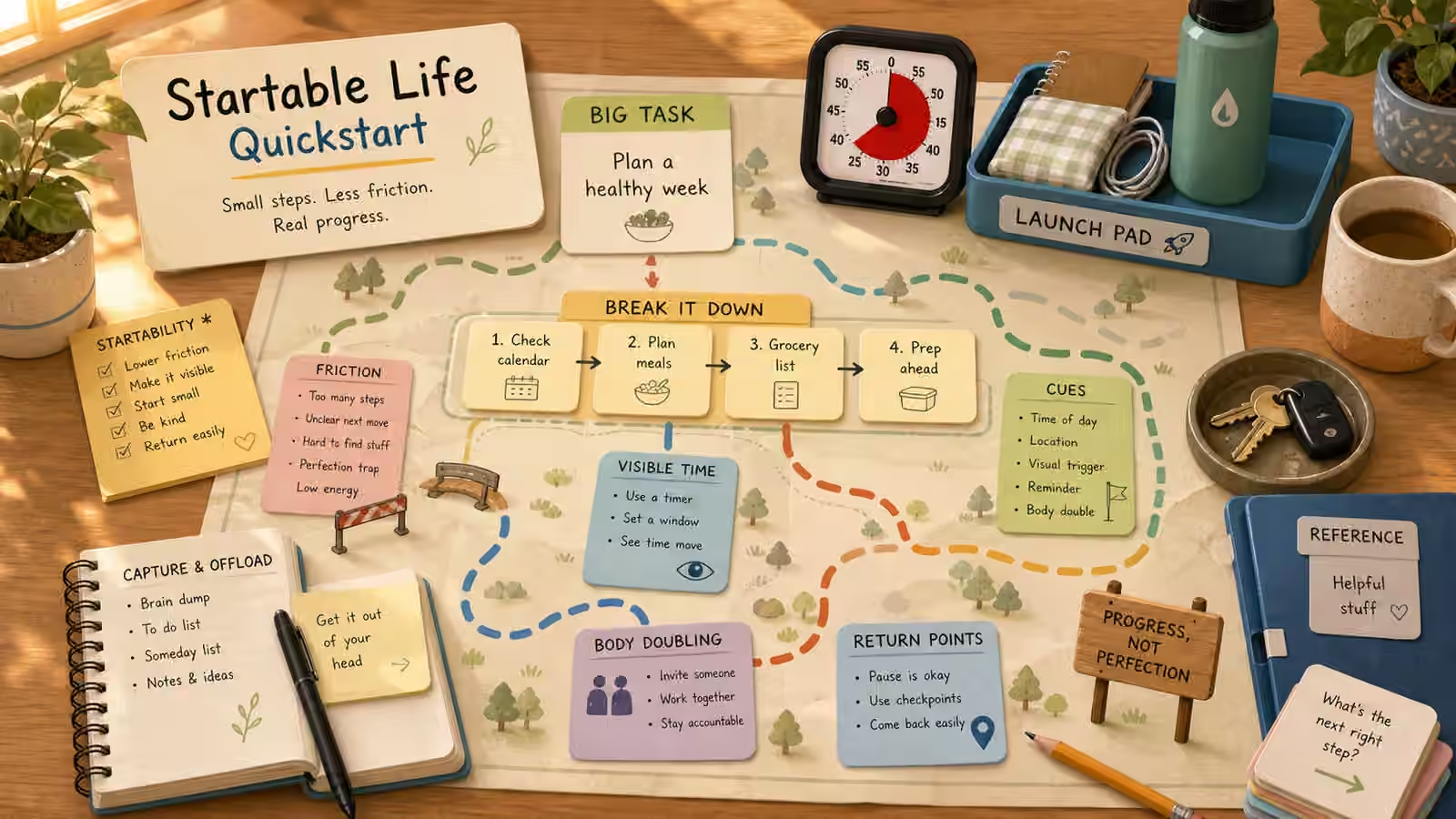
Begin with Startable Life Quickstart , then read Task Initiation: Why “Just Start” Is Bad Advice and The Start Line . Those three explain the core rhythm of the lab.
For everyday routines that fall apart around the edges of the day, add Morning Launch Pad , Waiting Mode Bridges , and The Bad-Day Reset .
Full path
- Startable Life Quickstart - A practical first path for making tasks visible, startable, returnable, and finishable without shame or diagnosis.
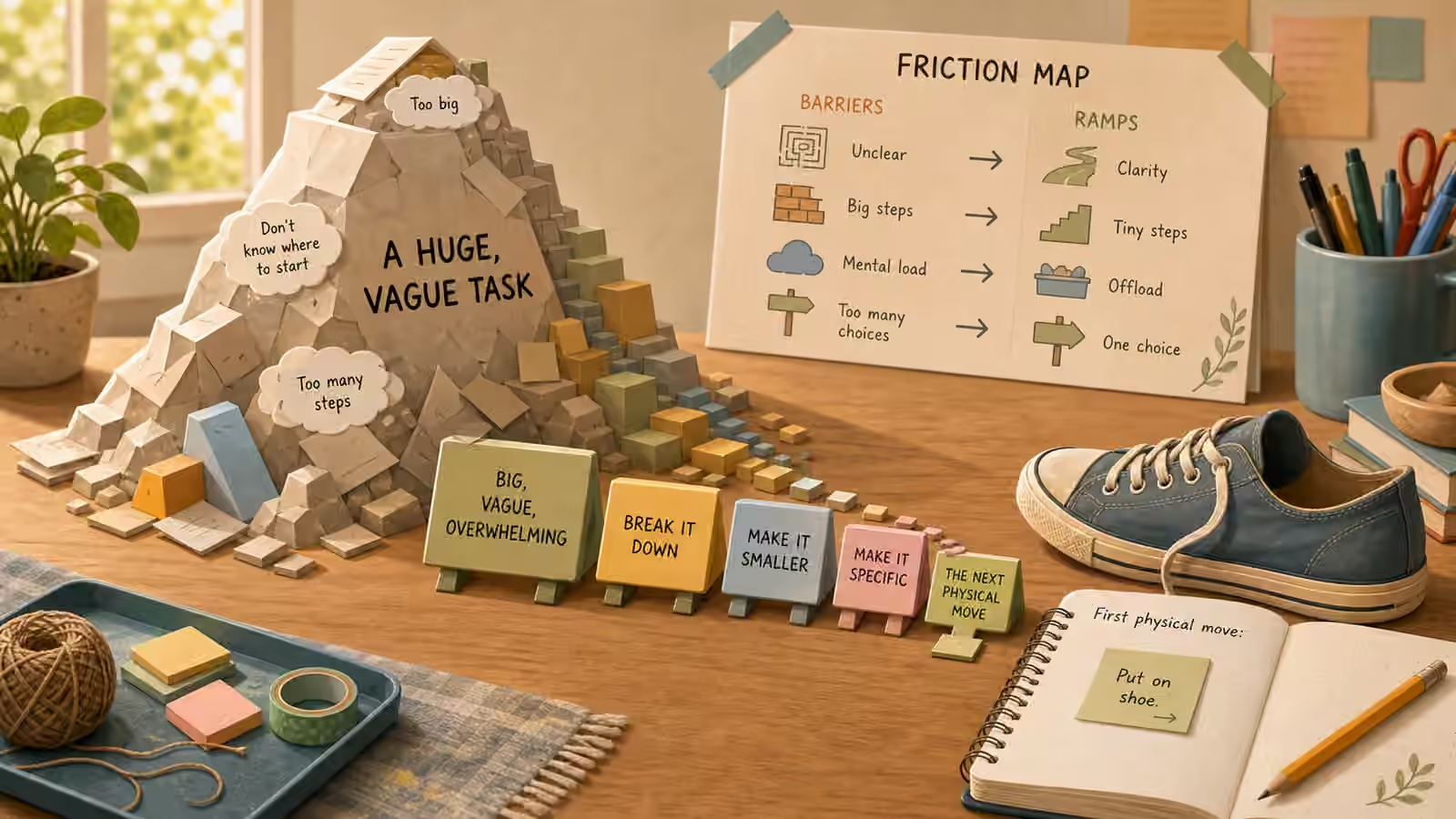
- Task Initiation: Why “Just Start” Is Bad Advice - Why vague start advice fails, and how to make the first action specific, physical, and low-friction.
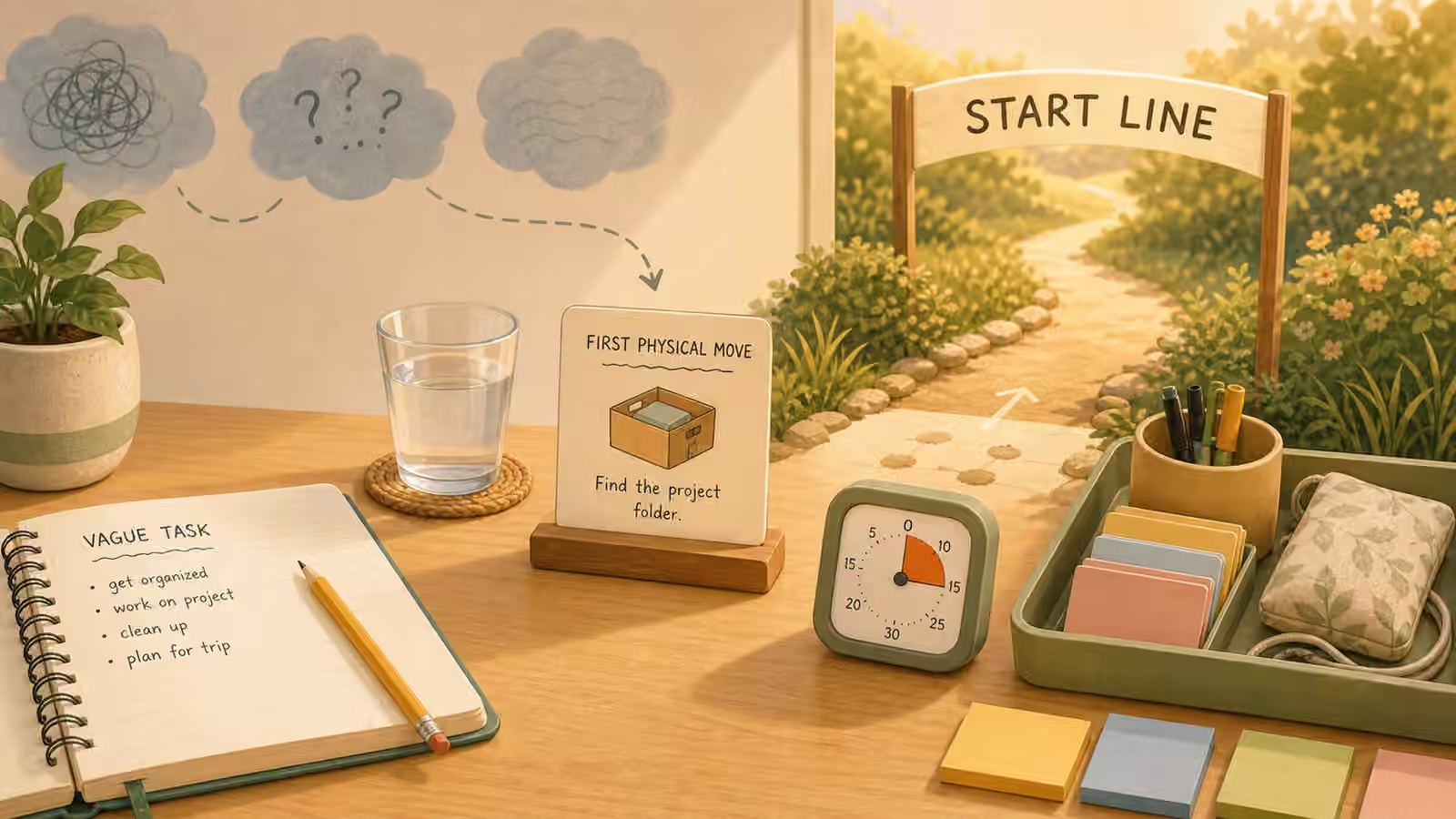
- The Start Line: Turn a Vague Task Into a First Physical Move - A repeatable method for converting abstract tasks into a first visible action you can take in 30 seconds.
- Friction Audit: Find the Hidden Step - A practical way to find the hidden object, decision, memory load, or setup demand that keeps a task from becoming startable.
- Decision Paralysis: Shrink the Choice Before the Task - A way to make stuck choices smaller, visible, and less likely to block the first move.
- Time Blindness Without Shame - A practical guide to time visibility, estimates, timers, clocks, buffers, and anchors without shaming the reader.
- Waiting Mode Bridges - How to handle appointment days, uncertain start times, and between-task waiting without letting the whole day disappear.
- Body Doubling for Beginners - How to work beside another person for accountability, focus, and momentum, with scripts and examples.
- Asking for Help Without the Spiral - How to ask for a small concrete kind of help when a task is stuck, without turning the request into a confession or rescue mission.
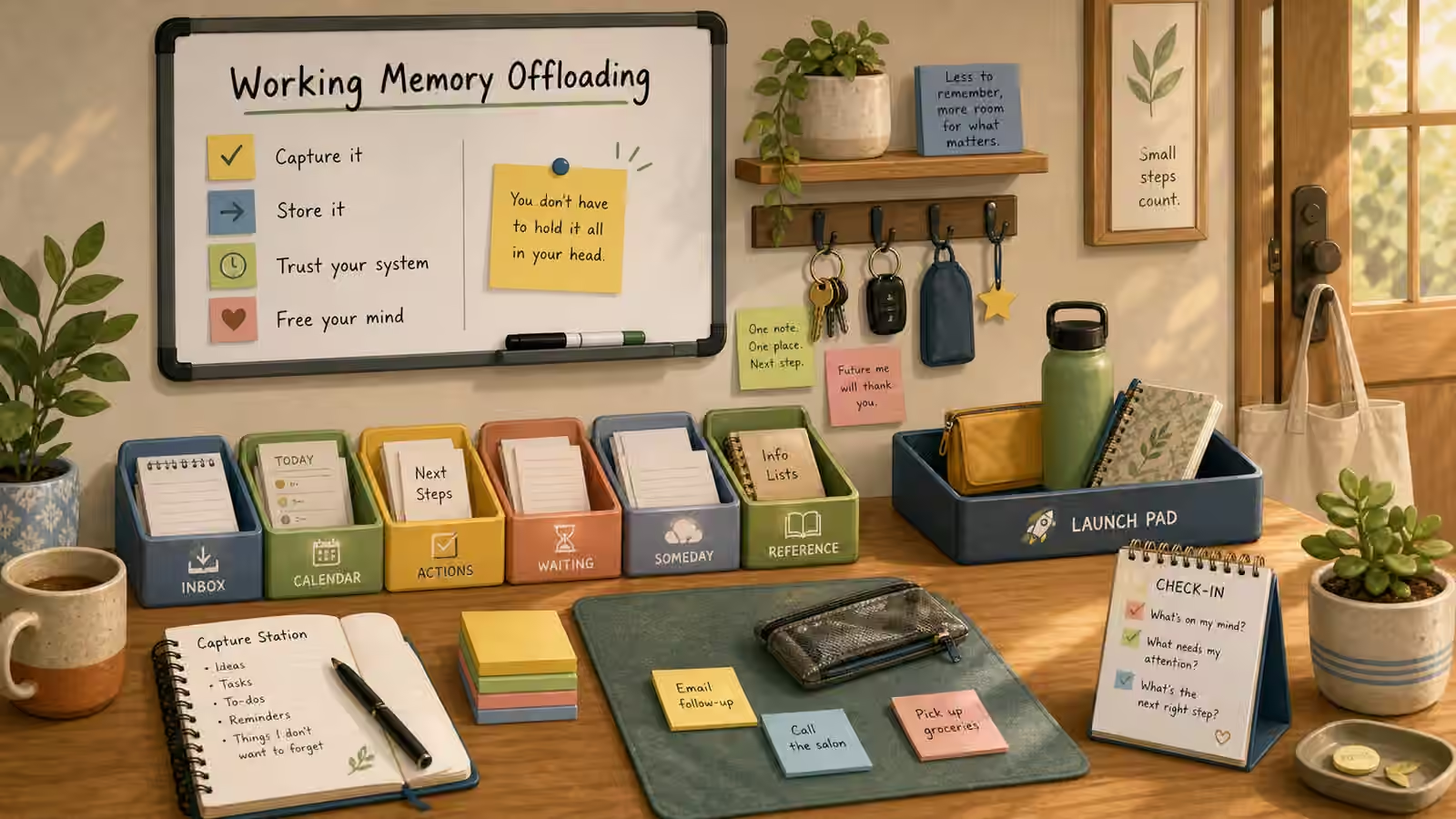
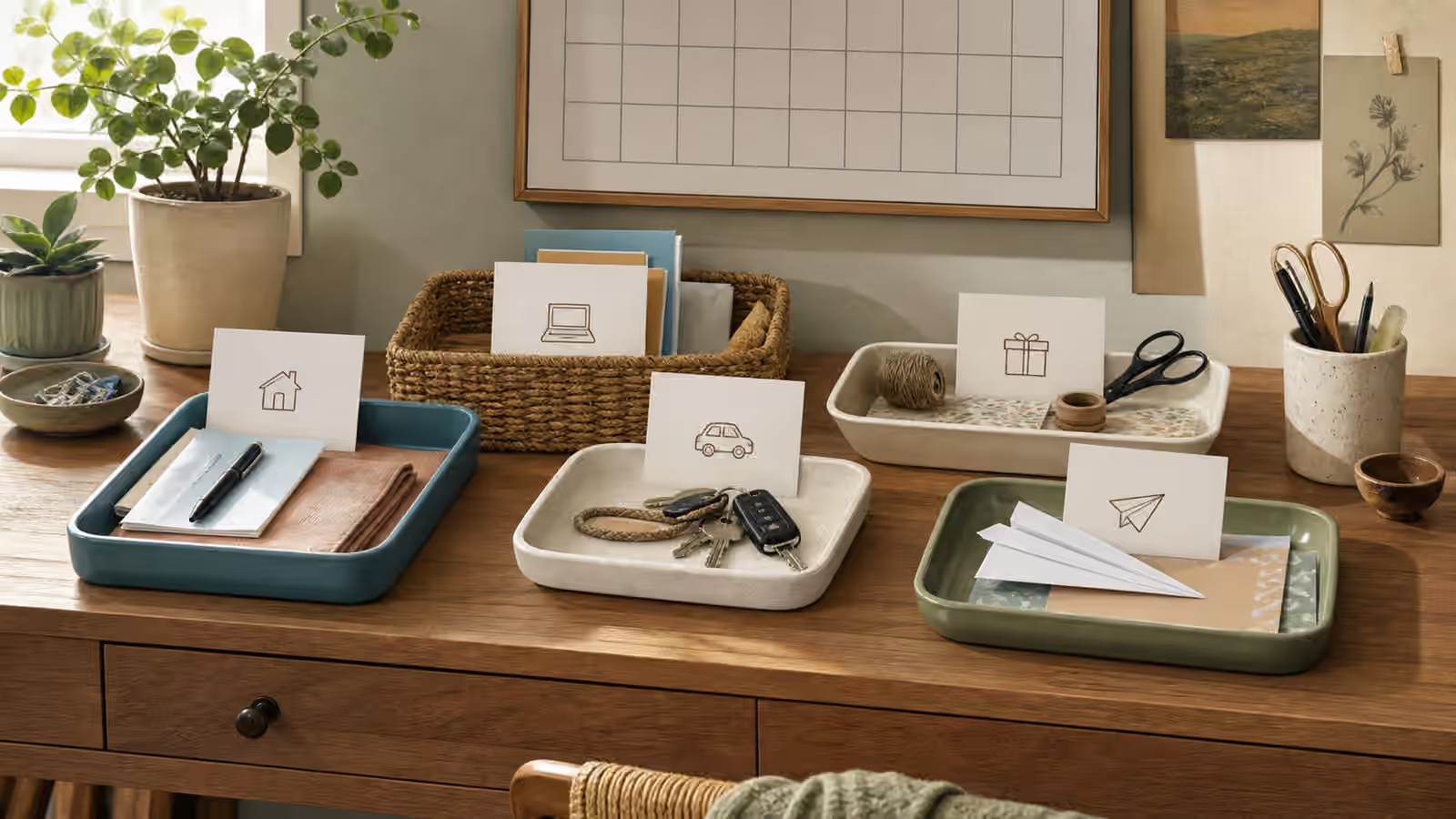
- Working Memory Offloading - External memory systems for whiteboards, trays, notes, launch pads, capture stations, checklists, and labels.
- Portable Start Kit - How to build a small portable kit that makes study, work, errands, paperwork, and waiting-room tasks easier to begin away from the usual desk.
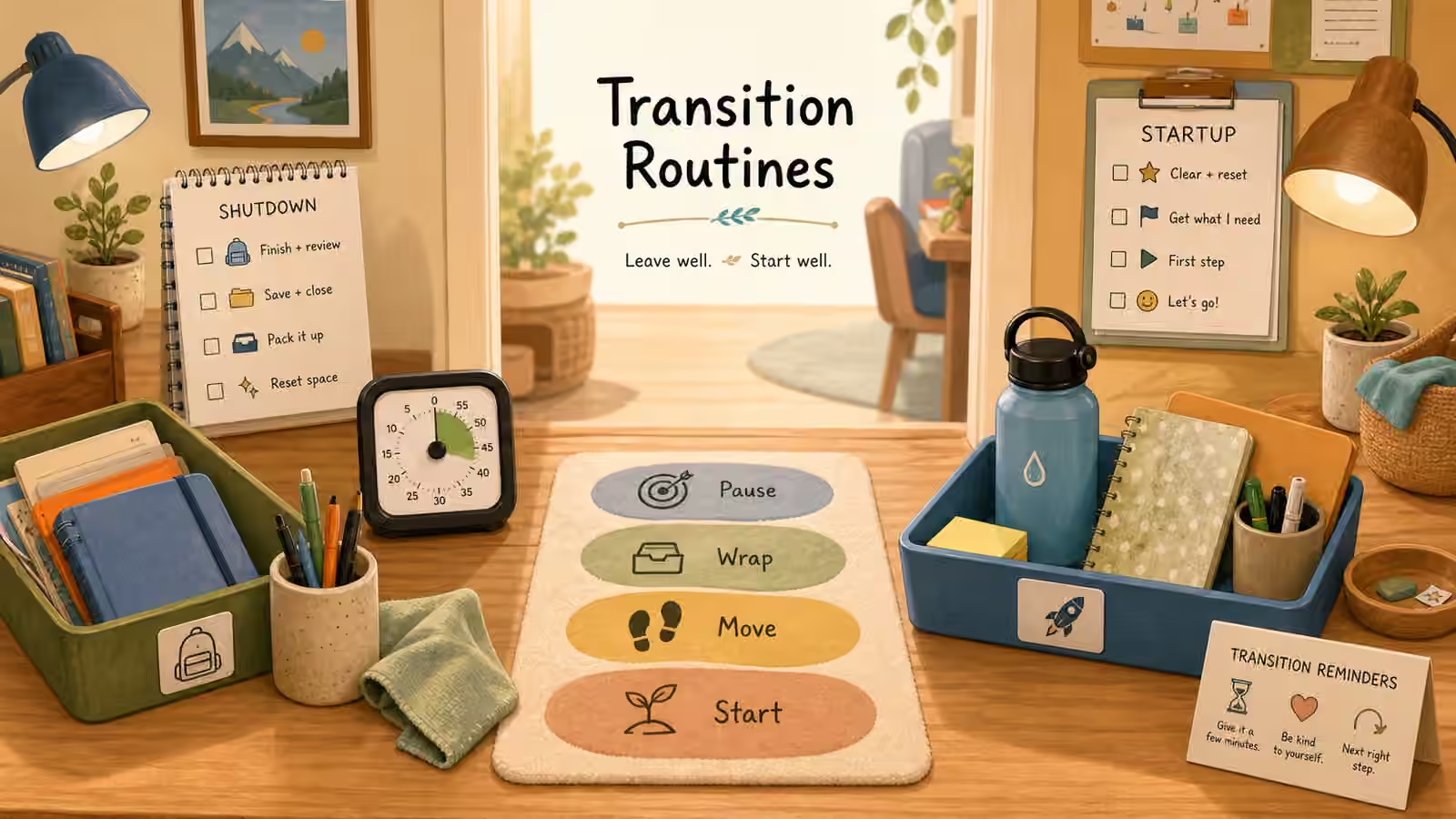
- Transition Routines - How to leave one task and enter the next using rituals, reset cues, packing steps, and shutdown/startup sequences.
- The Two-Minute Setup - Prepare tomorrow’s first task tonight by staging materials, reducing decisions, and defining a start line.
- Morning Launch Pad - How to make the first hour of the day easier to enter by staging objects, reducing decisions, and giving mornings a visible start line.
- Homework Without a Fight - A parent/student guide for starting homework with less conflict, using scripts, breaks, return points, and environment setup.
- After Meetings and Classes: Reentry Notes - How to turn meetings, classes, appointments, and group sessions into visible next actions before the context fades.
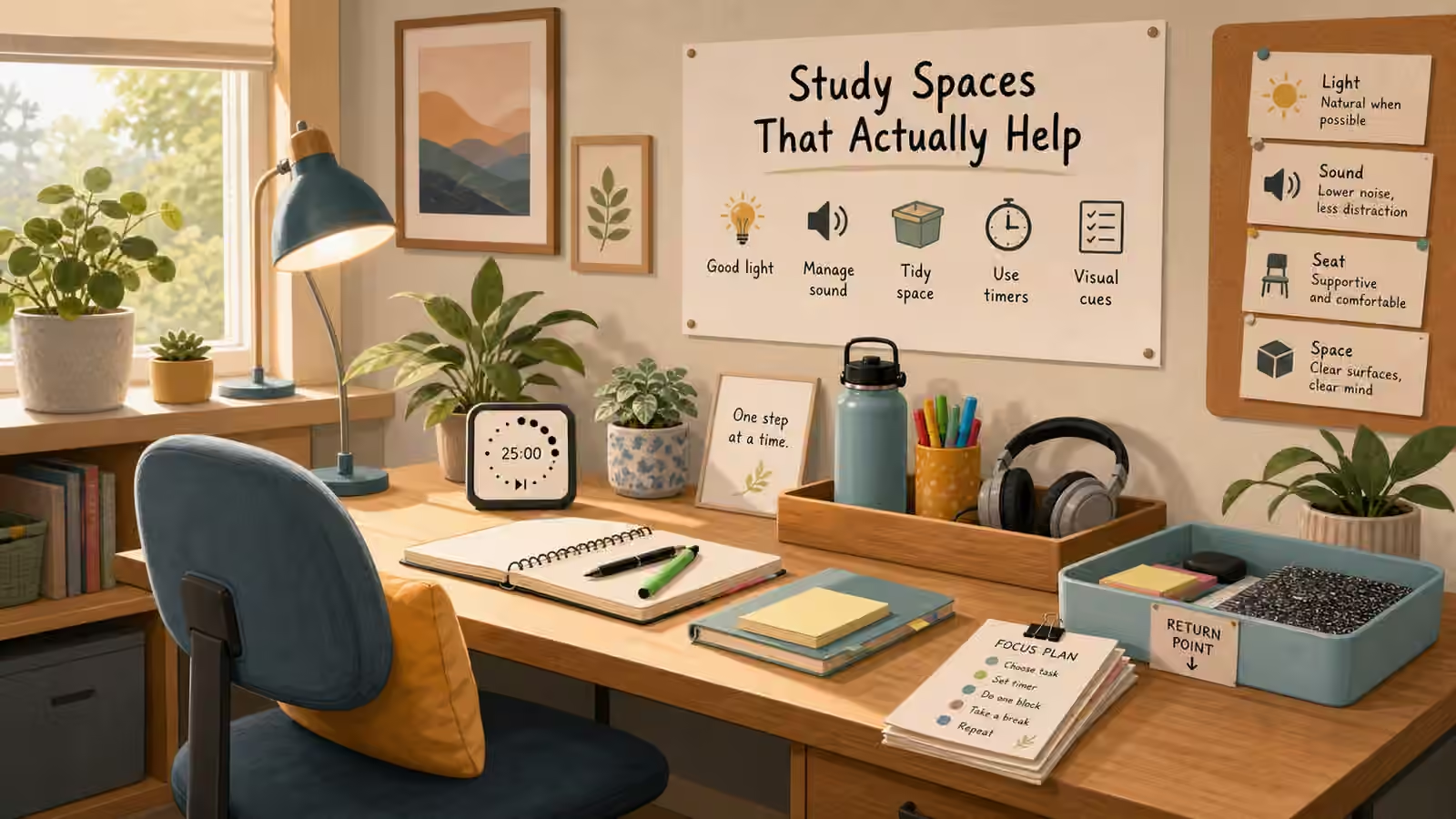
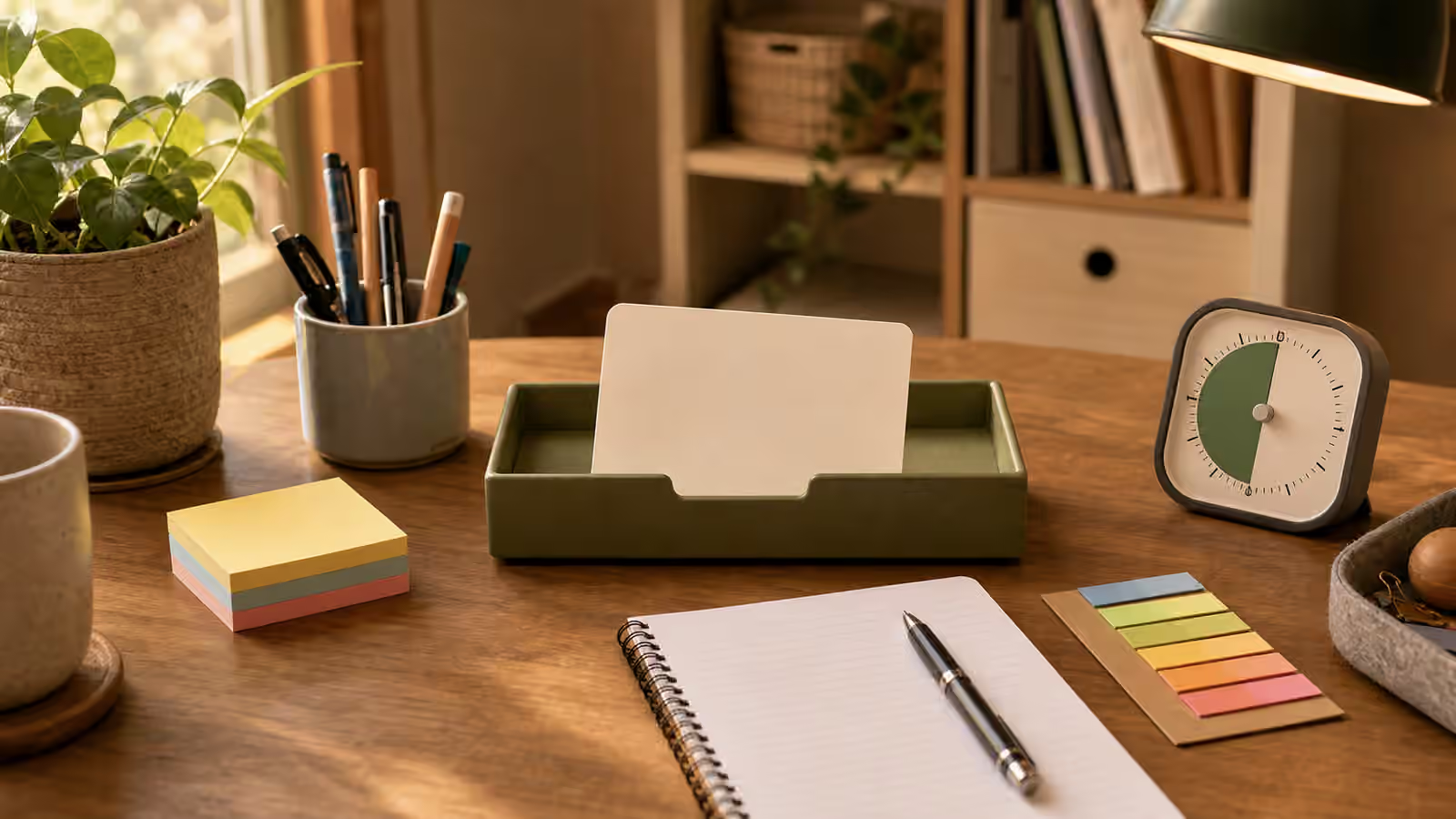
- Study Spaces That Actually Help - A guide to light, sound, clutter, seating, supplies, timers, visual cues, and low-friction study environments.
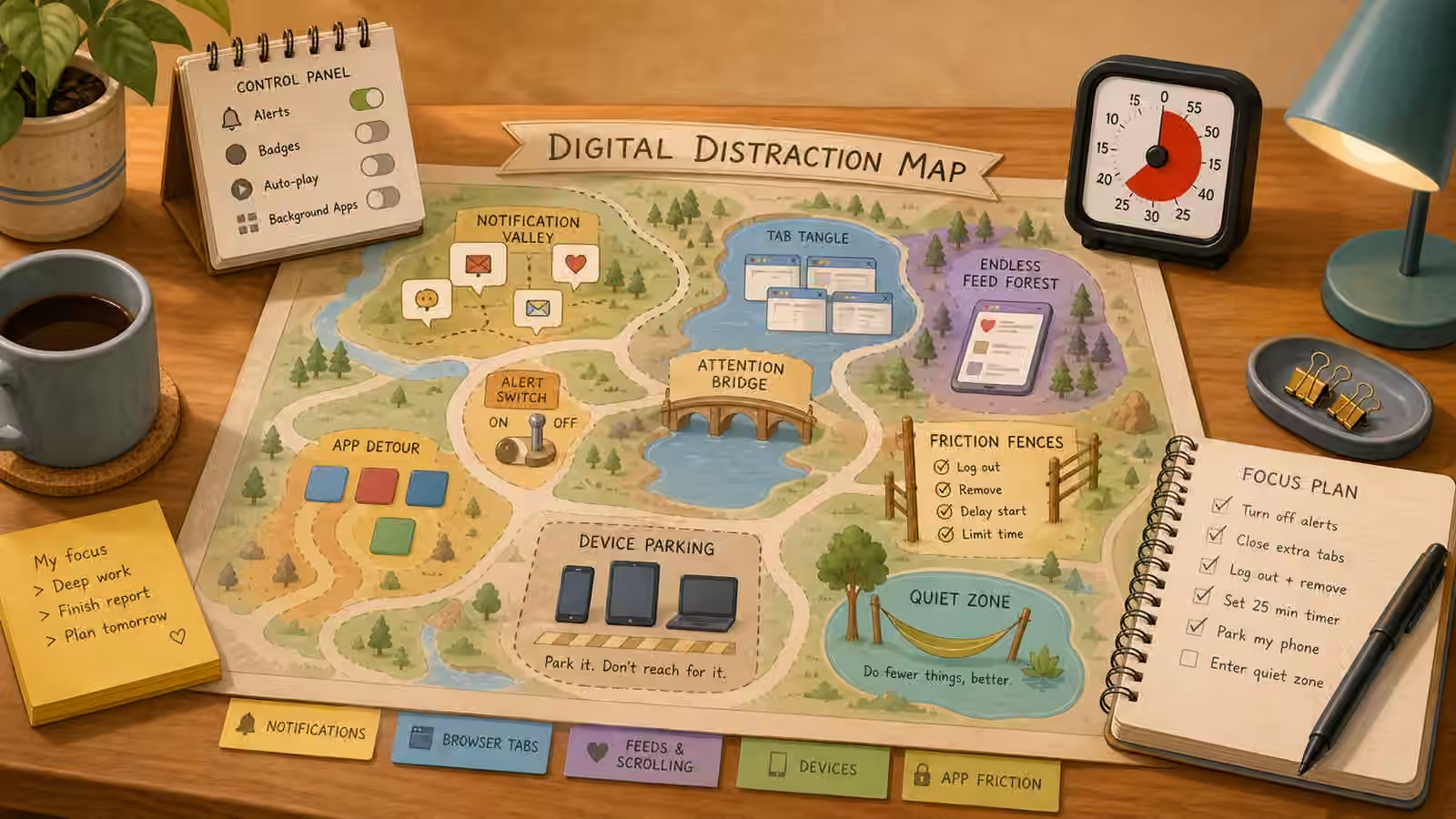
- Digital Distraction Map - Map notifications, open tabs, feeds, devices, and app friction, then choose practical setup options.
- Email Replies Without the Spiral - How to make email, messages, and small replies easier to begin by separating the reply from the thinking spiral around it.
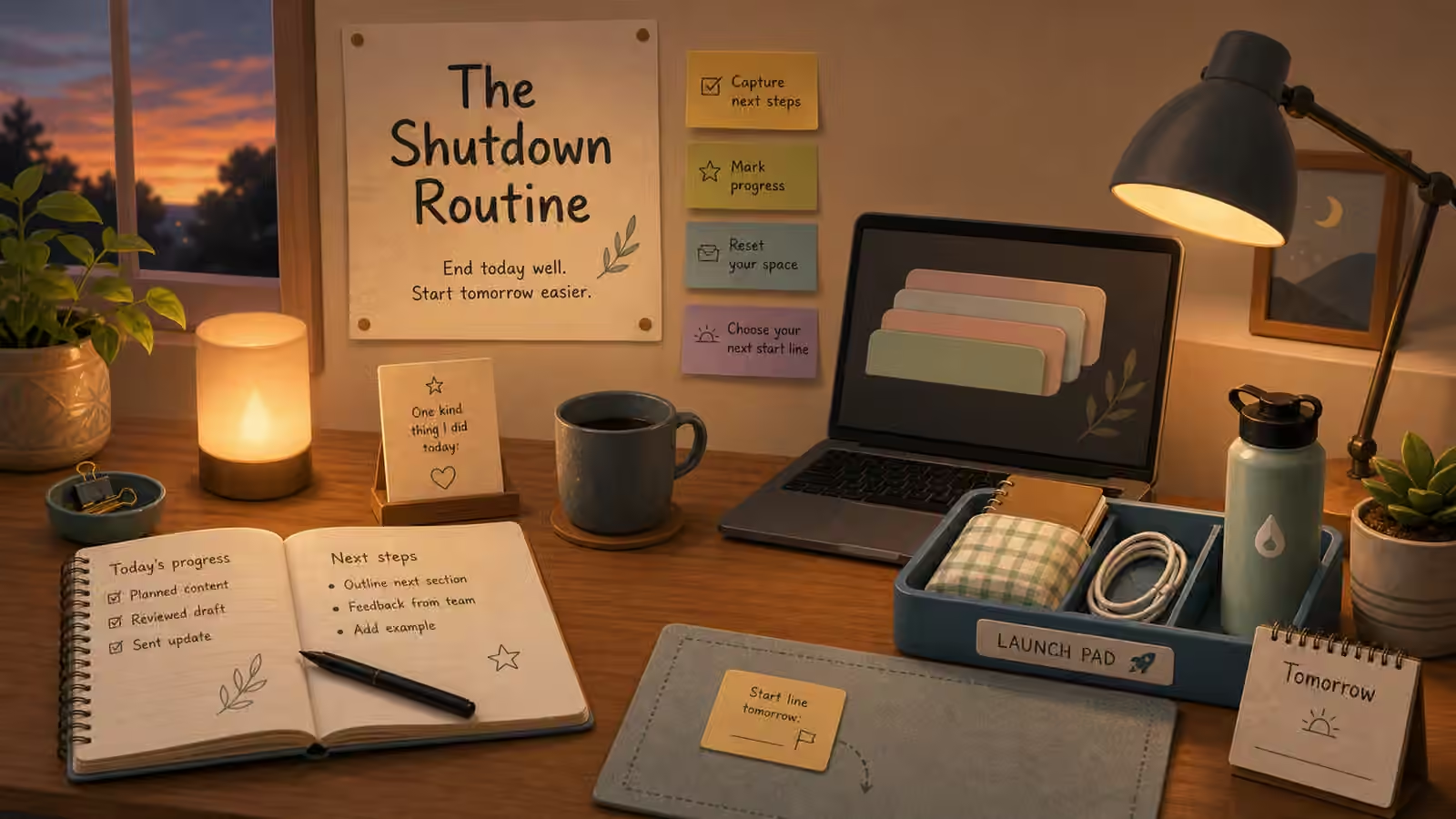
- The Shutdown Routine - End work in a way that makes restarting easier later: capture next steps, mark progress, reset desk, park tabs, and choose the next start line.
- Does This Mean I Have ADHD? - A careful, non-diagnostic explainer about executive-function struggles, possible causes, and when to seek professional support.
- Task Triage When Everything Feels Urgent - A practical way to choose the next startable task when every responsibility feels equally loud, late, or important.
- Energy-Matched Task Menu - How to choose a task that fits the capacity you actually have, without letting low-energy moments erase the whole day.
- Return Points After Interruptions - How to leave visible breadcrumbs that make interrupted work easier to resume without rebuilding the whole task from memory.
- Breaks With Return Points - How to take useful breaks without letting the original task disappear, using visible return cues, time boundaries, and gentle restart ramps.
- Creative Project Reentry - How to return to writing, art, craft, music, and side projects after a pause without rebuilding the whole project from memory.
- Low-Friction Chore Starts - How to make household chores easier to begin by staging supplies, shrinking the first move, and avoiding all-or-nothing cleanup traps.
- Laundry Cycles Without the Pile - How to make laundry easier to start, transfer, fold, and return by treating it as a visible cycle instead of one giant chore.
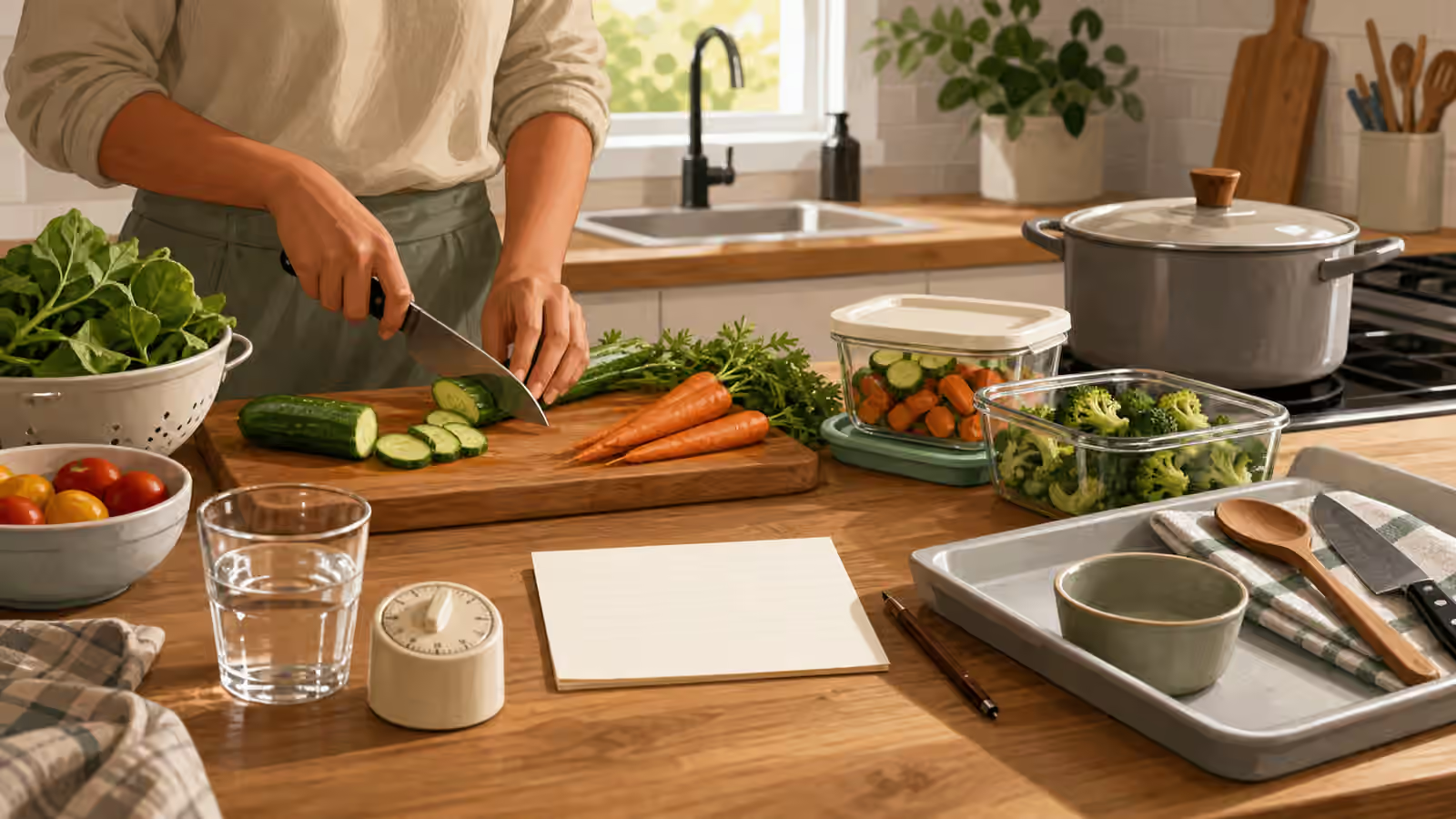
- Meal Prep Start Lines - How to make cooking and meal prep easier to start by staging the first tools, ingredients, and stopping points without turning food into a planning project.
- Paperwork Without the Pile - A startable setup for forms, mail, school papers, and household admin that keeps the first action visible.
- Phone Calls and Appointment Starts - A way to make calls, booking tasks, and appointment preparation more startable without turning them into a full admin spiral.
- Errands and Out-the-Door Starts - How to make errands, pickups, returns, appointments, and leaving-home tasks easier to start by staging the first physical moves.
- The Bad-Day Reset - A practical reset routine for restarting after a missed routine, messy day, late start, or unfinished task.
- The Weekly Reset Without the Overhaul - How to use a modest weekly reset to make the next few days more startable without rebuilding every routine at once.
- The Open-Loop Parking Lot - How to park unfinished tasks, objects, papers, and reminders so they stay findable without taking over every surface.
- Good-Enough Finish Lines - How to define a task’s stopping point before you begin, so open-ended work has a visible finish instead of turning into a perfection spiral.
- Big Project, First Map - A practical way to turn a large, vague project into a small visible map with one first move, one parking place, and one next review.
- Overdue Task Reentry - How to restart a late, avoided, or uncomfortable task by separating repair from shame and making the next responsible move visible.
- Tiny Admin Batch - How to gather small admin tasks into a bounded session with a clear start, a clear stop, and less pressure to clear the whole backlog.
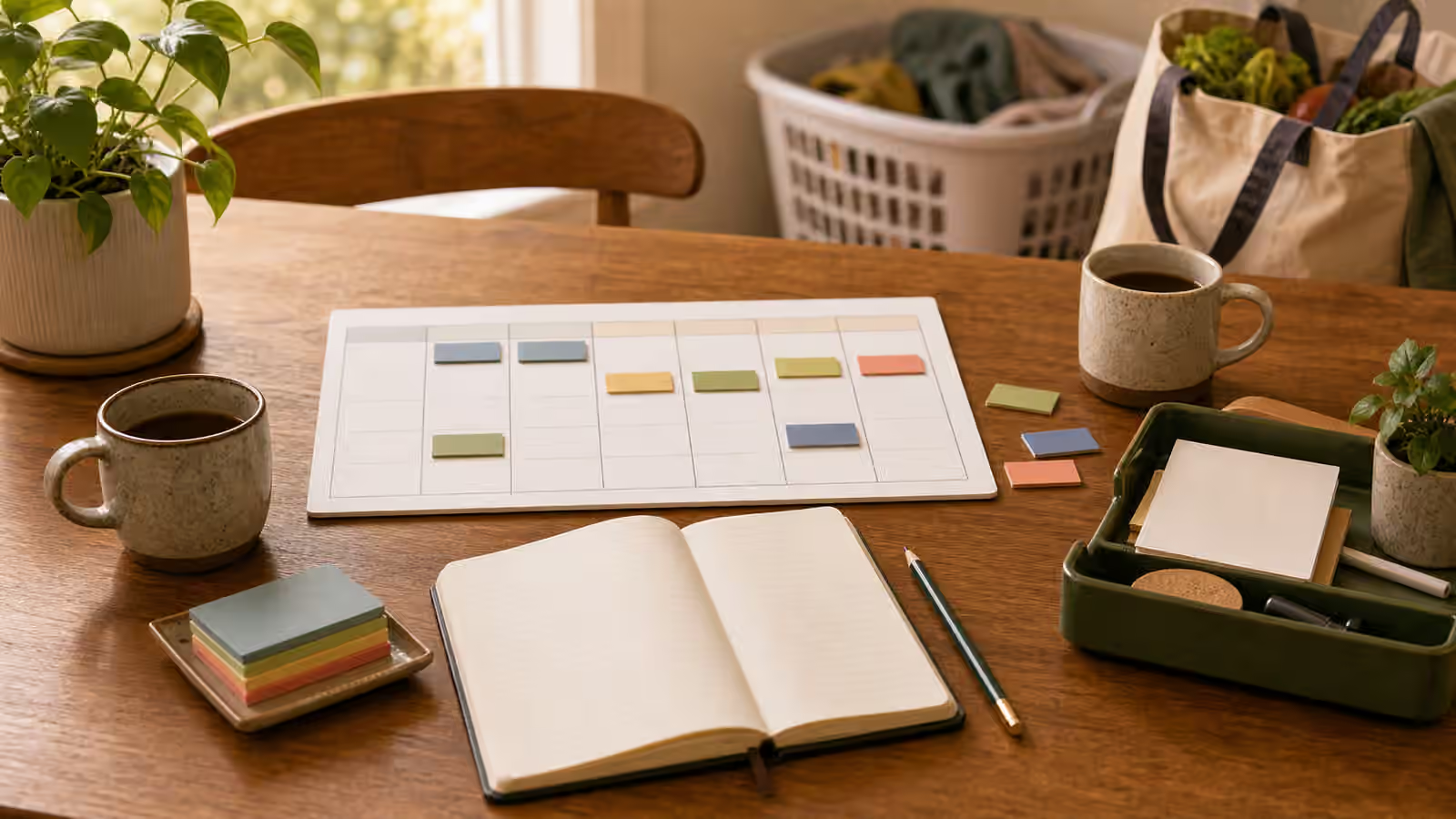
- Visible Task Board Without the Planner Spiral - How to make a small visible task board that supports starts, pauses, and returns without becoming another planning hobby.
- Hyperfocus Exit Ramp - How to leave an absorbing task without snapping the thread, losing the next obligation, or turning stopping into a fight.
- Shared Household Handoff Board - How to use one calm household board for shared chores, errands, papers, and handoffs without turning coordination into nagging.
- Calendar-to-Start Bridge - How to turn calendar entries, appointments, and time blocks into visible materials, buffers, and first physical moves.
- Getting Dressed Without the Decision Spiral - How to make clothing choices, laundry state, weather, comfort, and leaving-home routines easier to start.
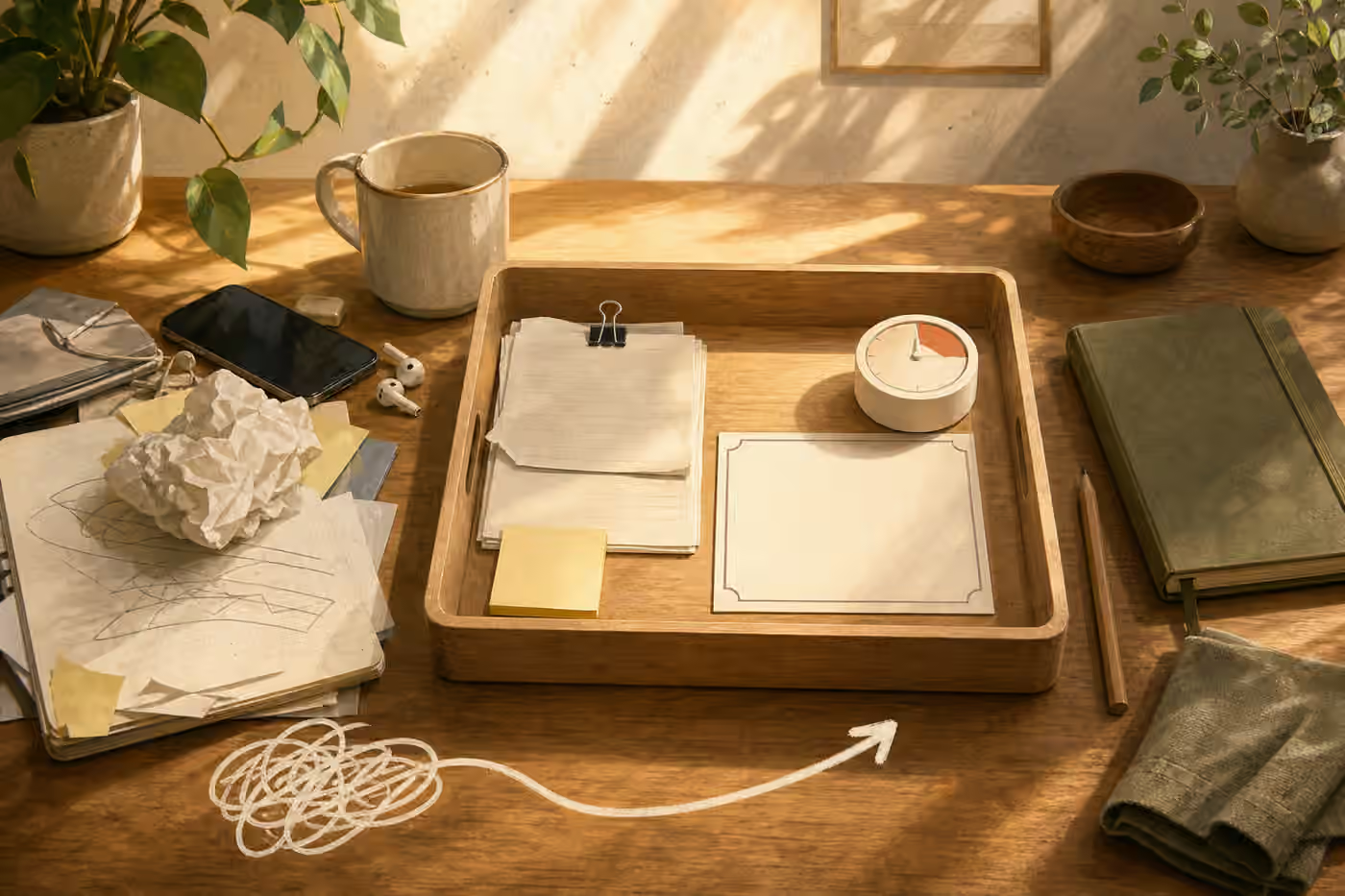
- One-Surface Reset - How to clear one useful surface for the next task without turning the reset into a whole-room cleanup.
- Grocery Starts Without the Aisle Spiral - How to turn food intent, pantry checks, bags, timing, and store decisions into a visible first move.
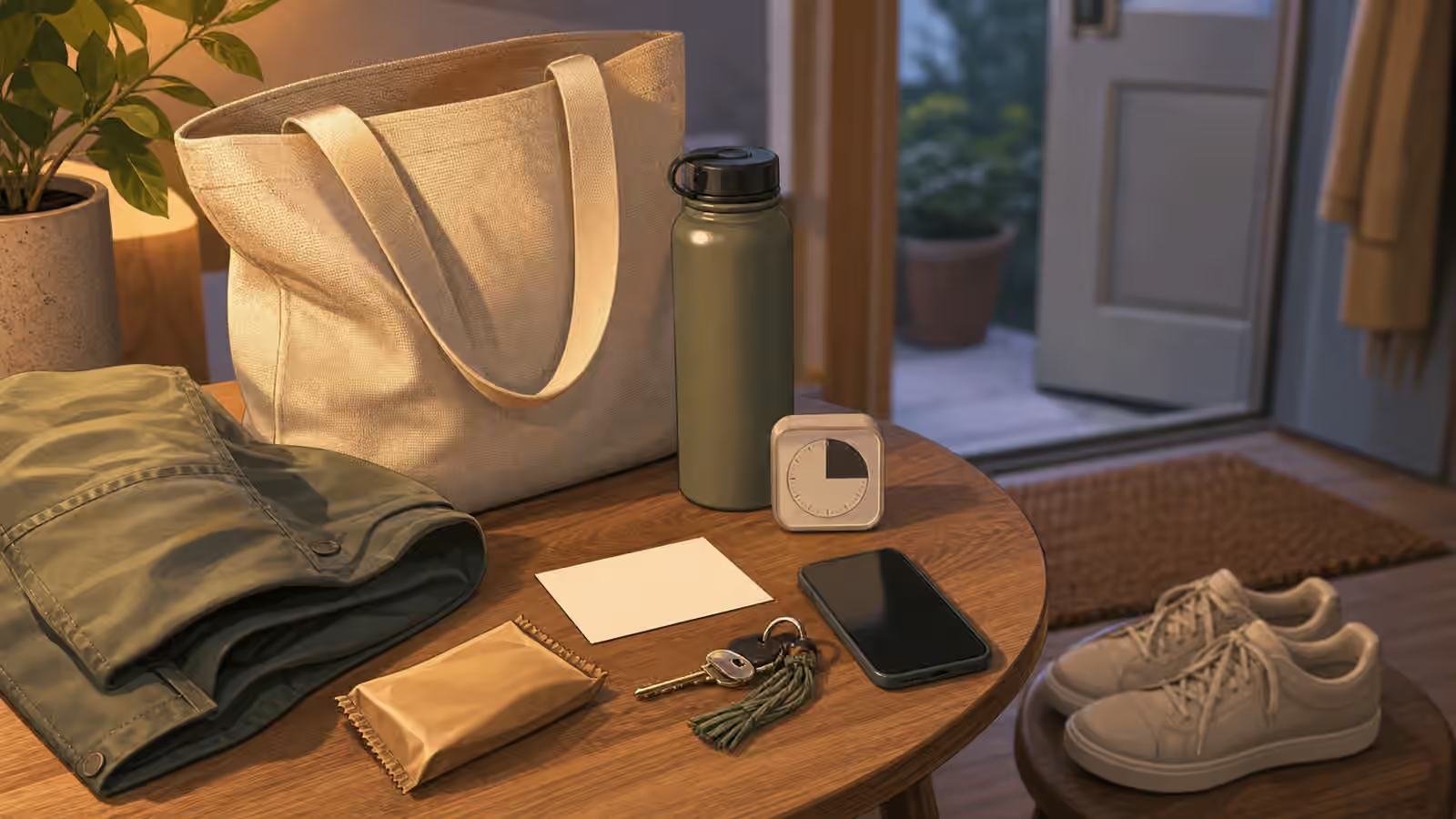
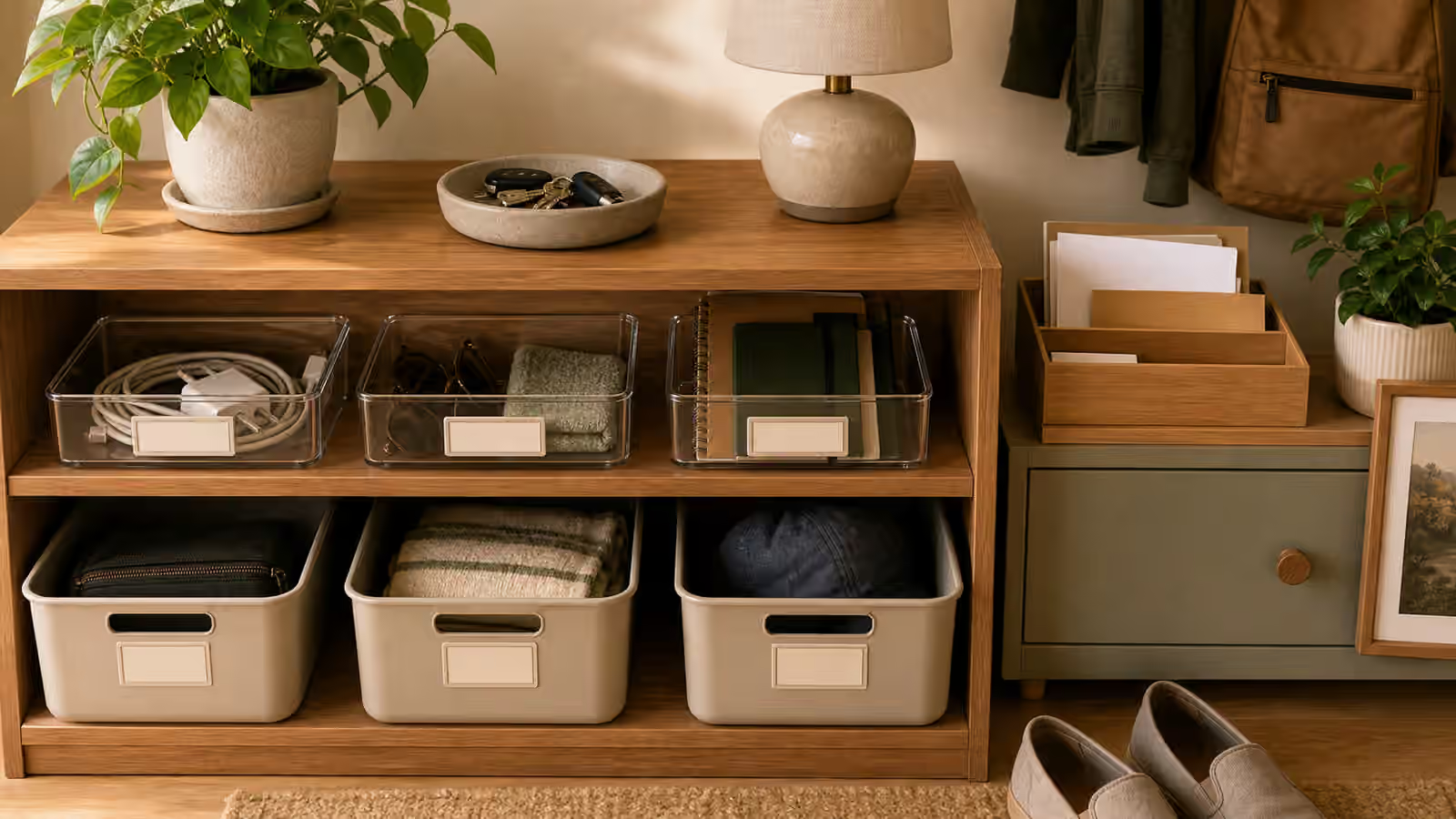
- Coming Home Landing Strip - How to give keys, bags, papers, shoes, water bottles, and errand leftovers a visible landing place.
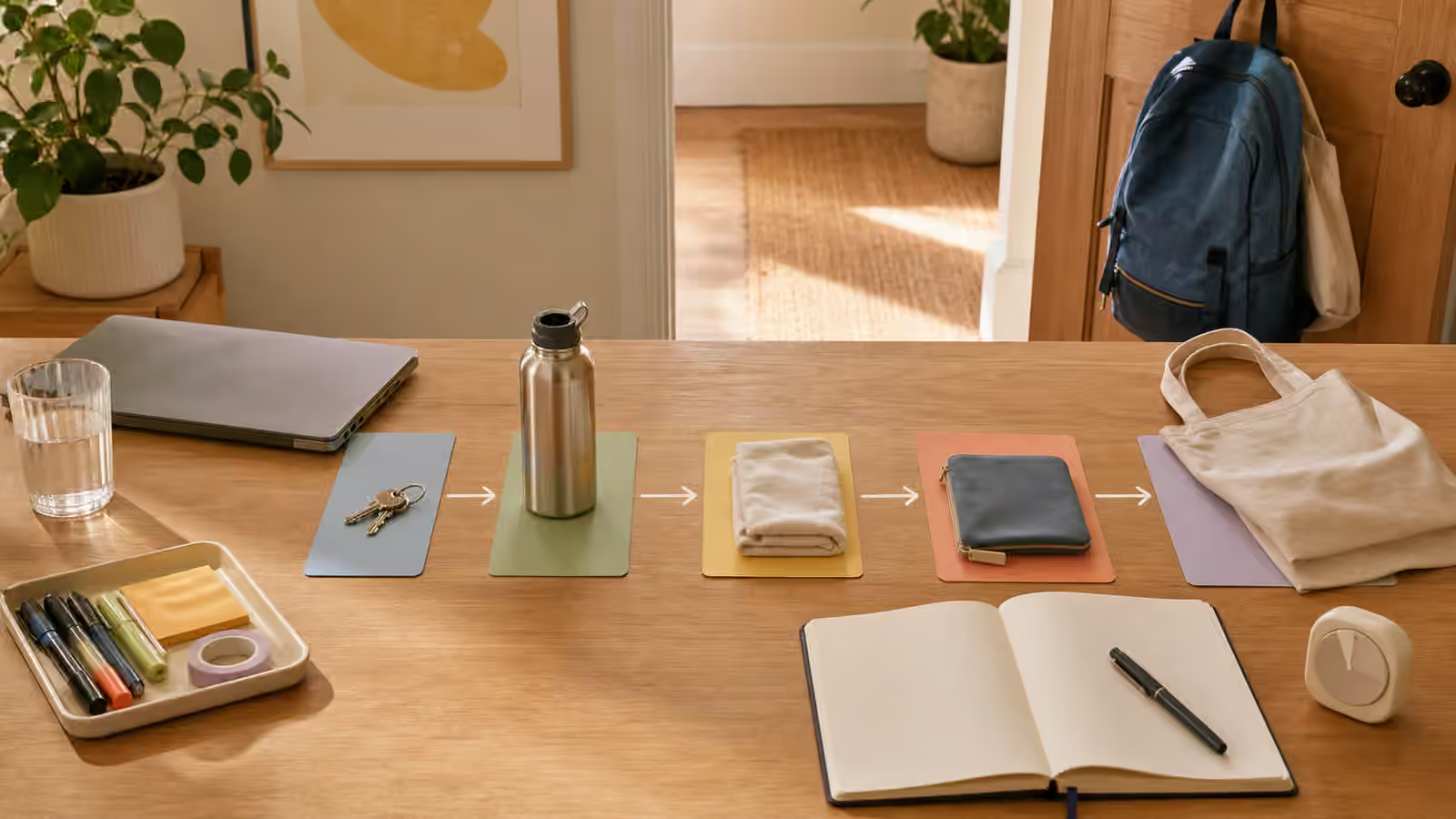
- Packing Without the Last-Minute Search - How to stage packing for trips, overnight stays, long days, classes, and appointments without a last-minute search.
- Shower and Care Start Lines - How to make showering, grooming, and basic personal-care routines easier to begin with one staged first object.
- Digital Files Without the Search Spiral - How to make screenshots, downloads, forms, school files, and work documents findable enough to start the real task.
- Guest-Ready Reset Without Panic Cleaning - How to make one visitor-facing area usable without turning a guest visit into a whole-home cleaning sprint.
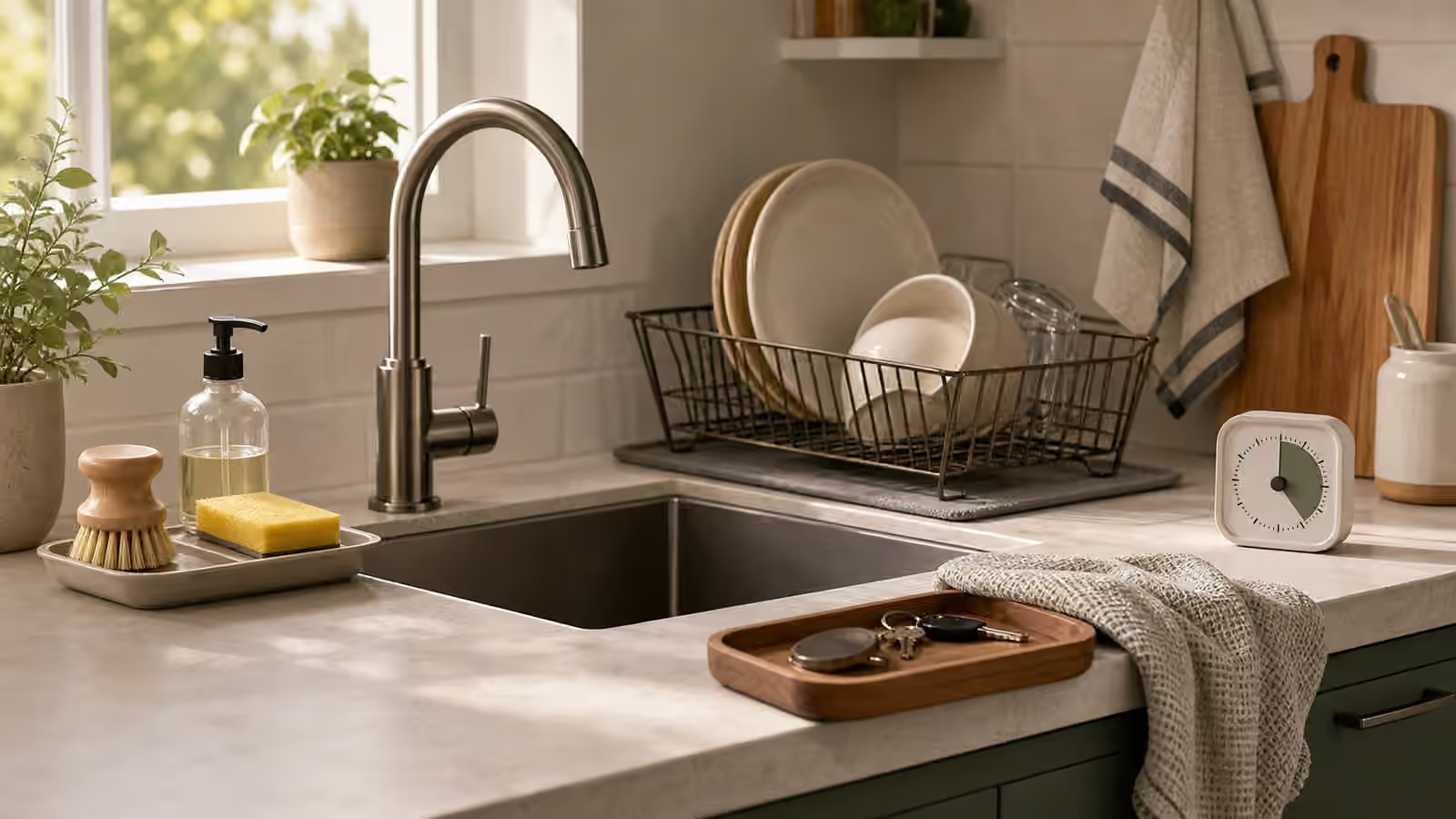
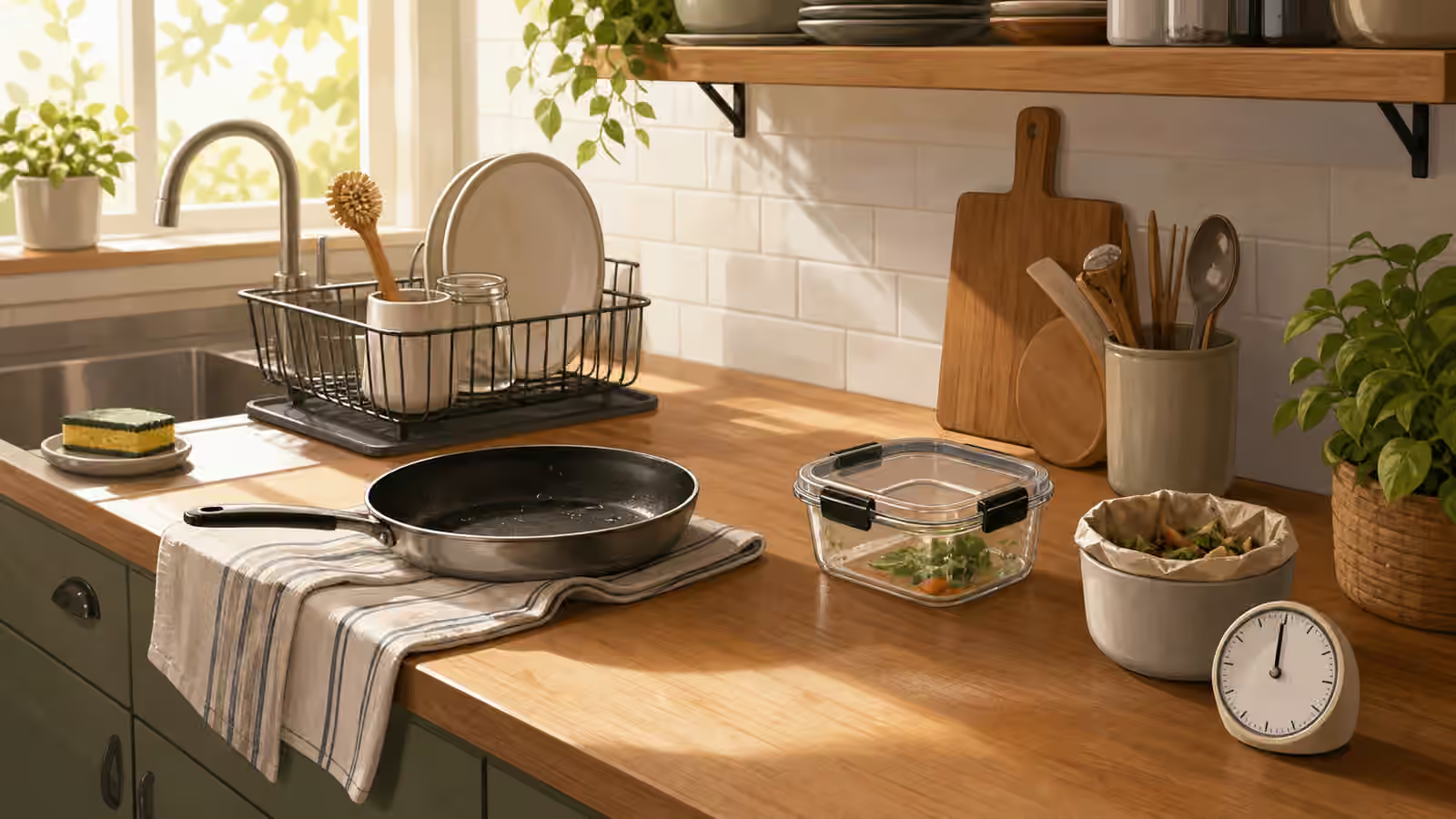
- Dishes Without the Sink Pile - How to make dishes easier to begin, pause, and finish without turning the sink into an all-or-nothing household reset.
- Device Charging Start Station - How to make phones, tablets, laptops, headphones, and power banks ready enough to support the next task instead of blocking it.
- Social Plan Start Lines - How to make casual plans, visits, meetups, and invitations easier to start without over-preparing or disappearing into avoidance.
- Capture Inbox Without the Pile - How to catch loose thoughts, papers, links, and reminders without letting the capture place become another avoided pile.
- Login Friction Start Lines - How to make accounts, portals, passwords, and verification steps less likely to swallow the task you meant to start.
- Lunch Break Restart - How to return from lunch or a midday pause without letting the next task disappear into dishes, messages, or drift.
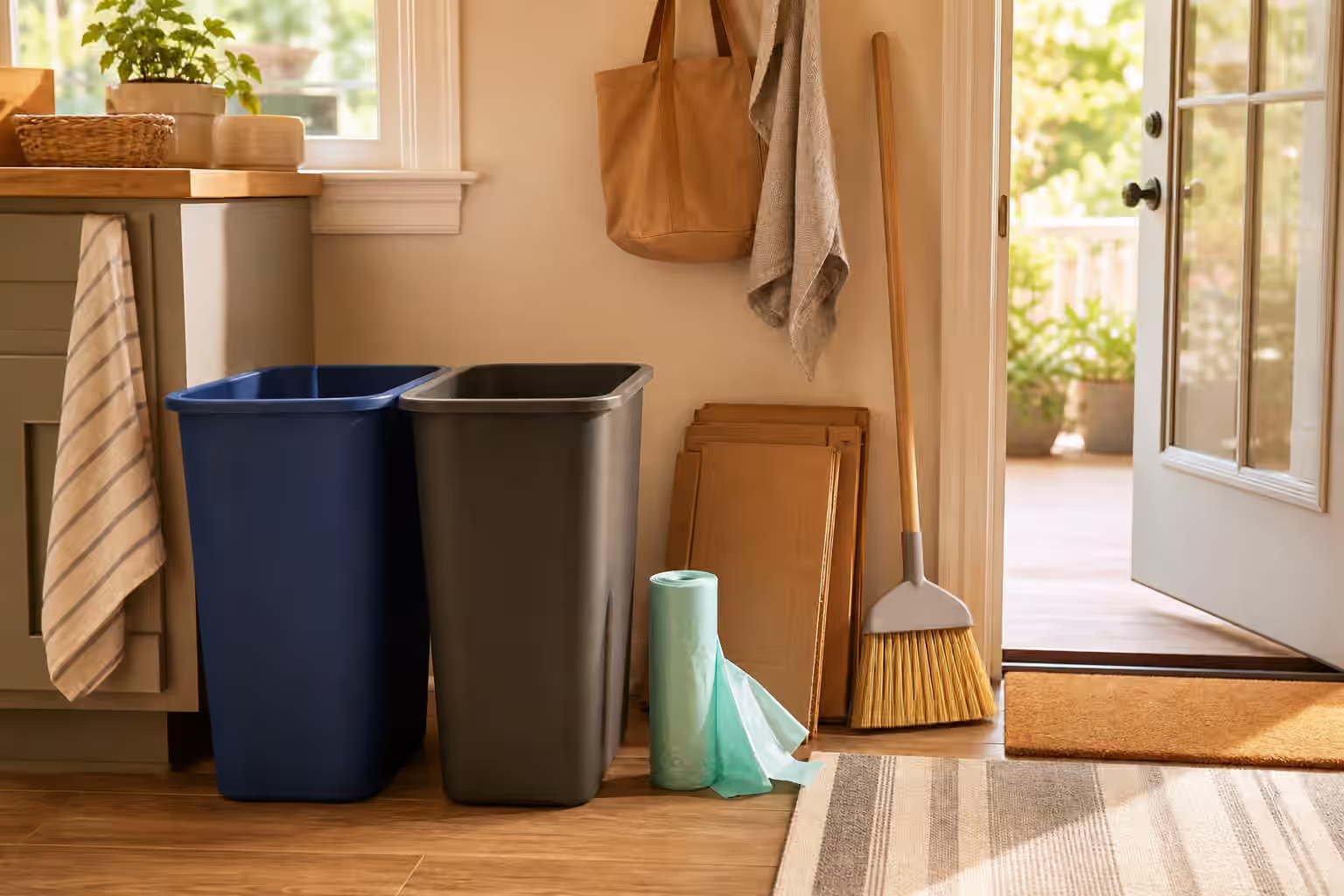
- Trash and Recycling Start Lines - How to make trash, recycling, bags, bins, and pickup-day handoffs easier to begin without turning them into a whole-home cleanup.
- Bag Reset After School or Work - How to reset a backpack, tote, work bag, or daily carry after returning home so tomorrow’s start is easier.
- After-Task Reset - How to close a task with a small reset that protects the next start without turning cleanup into a second project.
- Movement Start Lines Without the Workout Spiral - How to make ordinary movement easier to begin by staging the first object, lowering the doorway, and protecting a clear finish line.
- Trip Return Reset - How to unpack after travel or an overnight stay without letting the bag, laundry, chargers, papers, and loose tasks linger for days.
- Kitchen Shutdown Start Lines - How to close the kitchen enough after food, dishes, or snacks so the next meal has a visible place to start.
- Car Launch Pad Reset - How to treat a car, trunk, or passenger seat as a mobile launch pad without letting errands, returns, trash, and bags pile up.
- Desk Reset for Reentry - How to leave a work, study, or admin desk in a state that makes the next session easier to enter after a pause.
- Weekend Open-Time Map - How to make unstructured weekends easier to enter by adding a few visible anchors without planning every hour.
- Decision-to-Action Bridge - How to turn a decision that is already made into a visible first move before it fades back into avoidance.
- Rough Draft Start Lines - How to begin writing, reports, schoolwork, forms, and messages by making the first rough move smaller than the finished result.
- Visual Storage Without the Bin Spiral - How to make everyday objects easier to find and put away without turning storage into another avoided project.
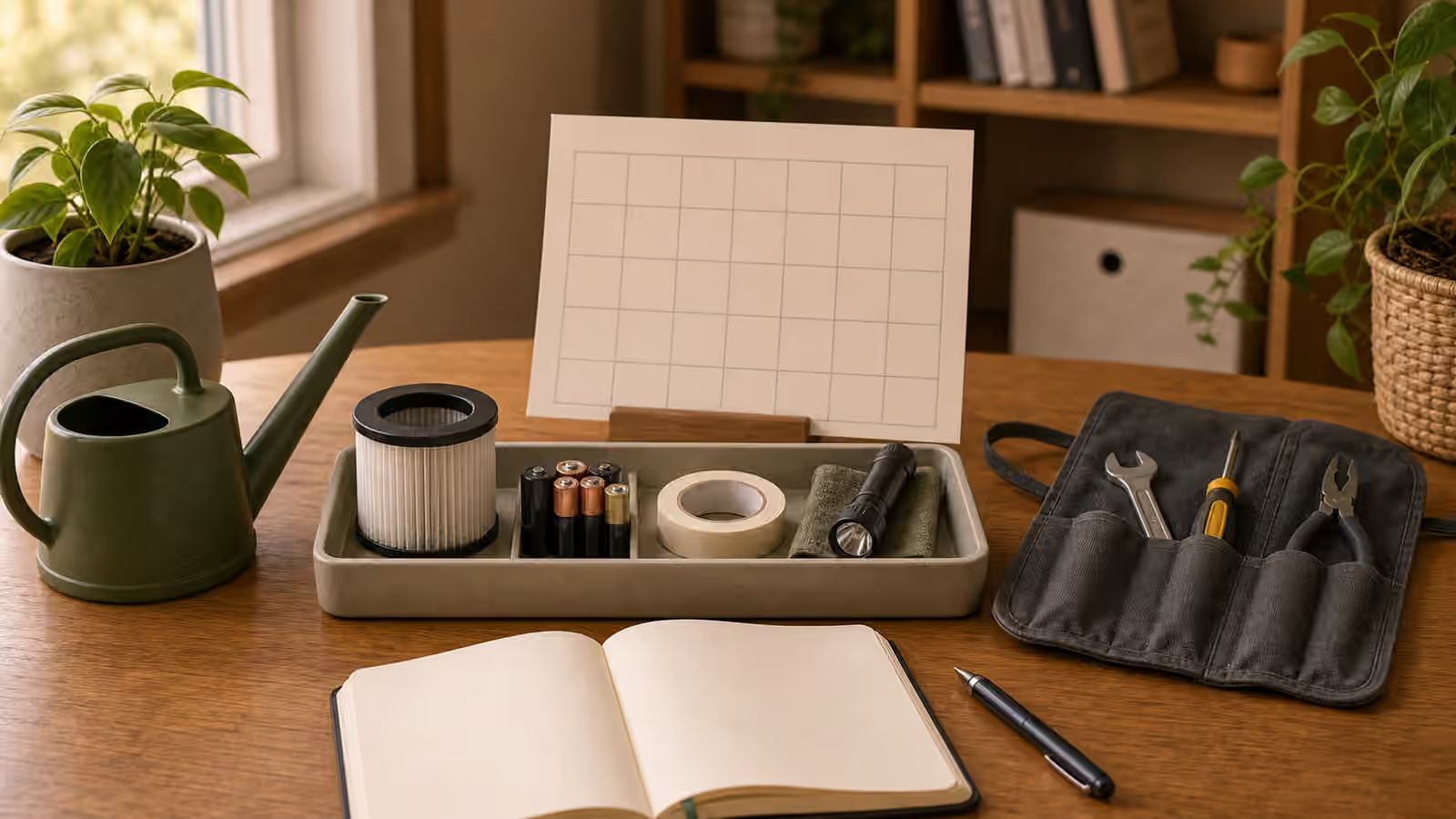
- Recurring Maintenance Cue Stack - How to make recurring upkeep tasks visible and startable before they become overdue background pressure.
- Bill-Payment Start Lines - How to make bills and recurring household admin easier to start by separating the process from money decisions.
- Midweek Course Correction - How to recover a drifting week with a few visible anchors instead of waiting for the next full reset.
- Open Tabs Without the Session Spiral - How to turn open browser tabs into a small returnable session instead of a hidden backlog that swallows the start.
- Lost-Item Search Without the Spiral - How to search for a missing everyday object with zones, return points, and calmer first moves instead of widening the search forever.
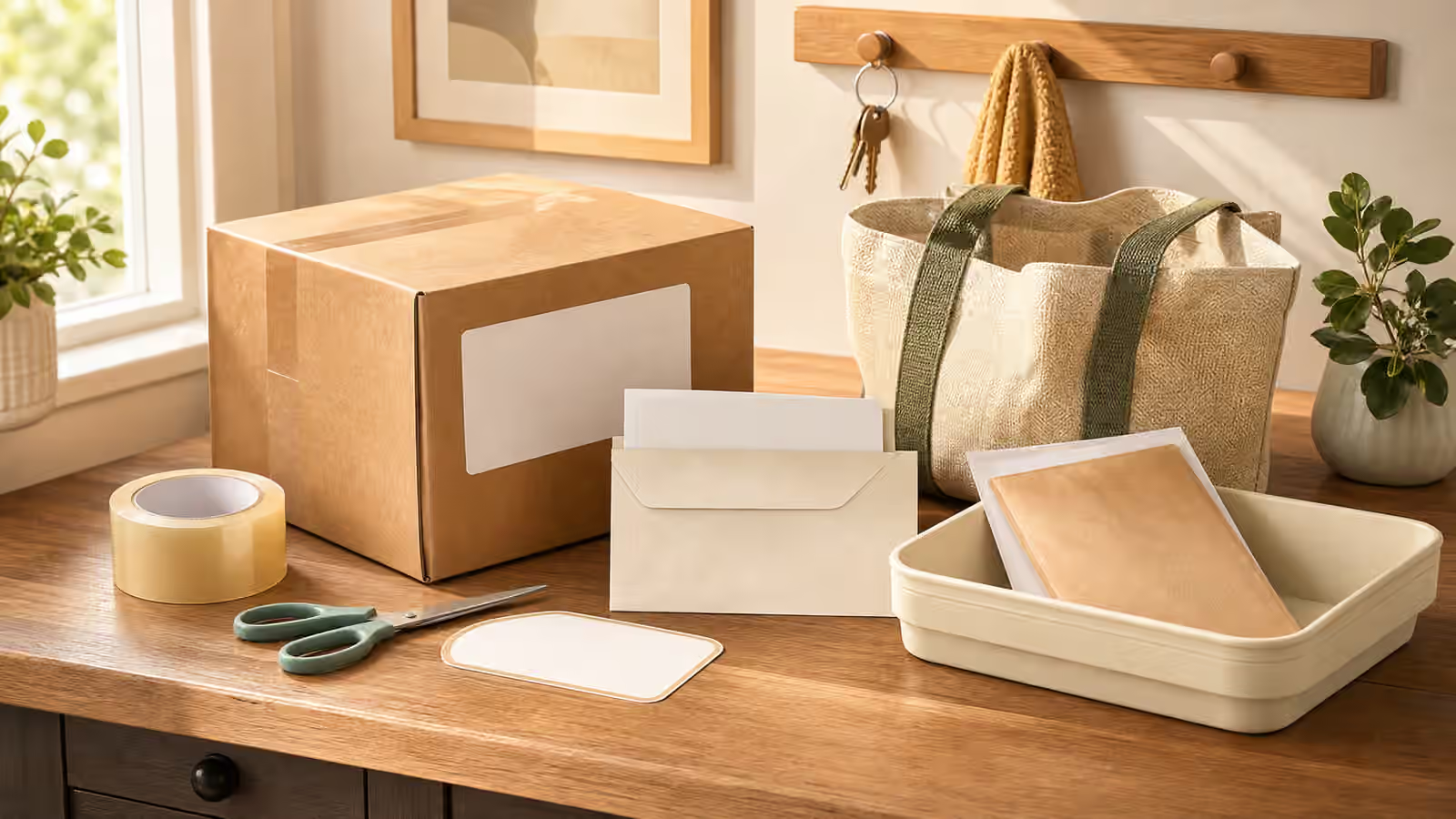
- Package Returns Without the Errand Spiral - How to make package returns, labels, receipts, packing materials, and drop-offs startable before they become another avoided pile.
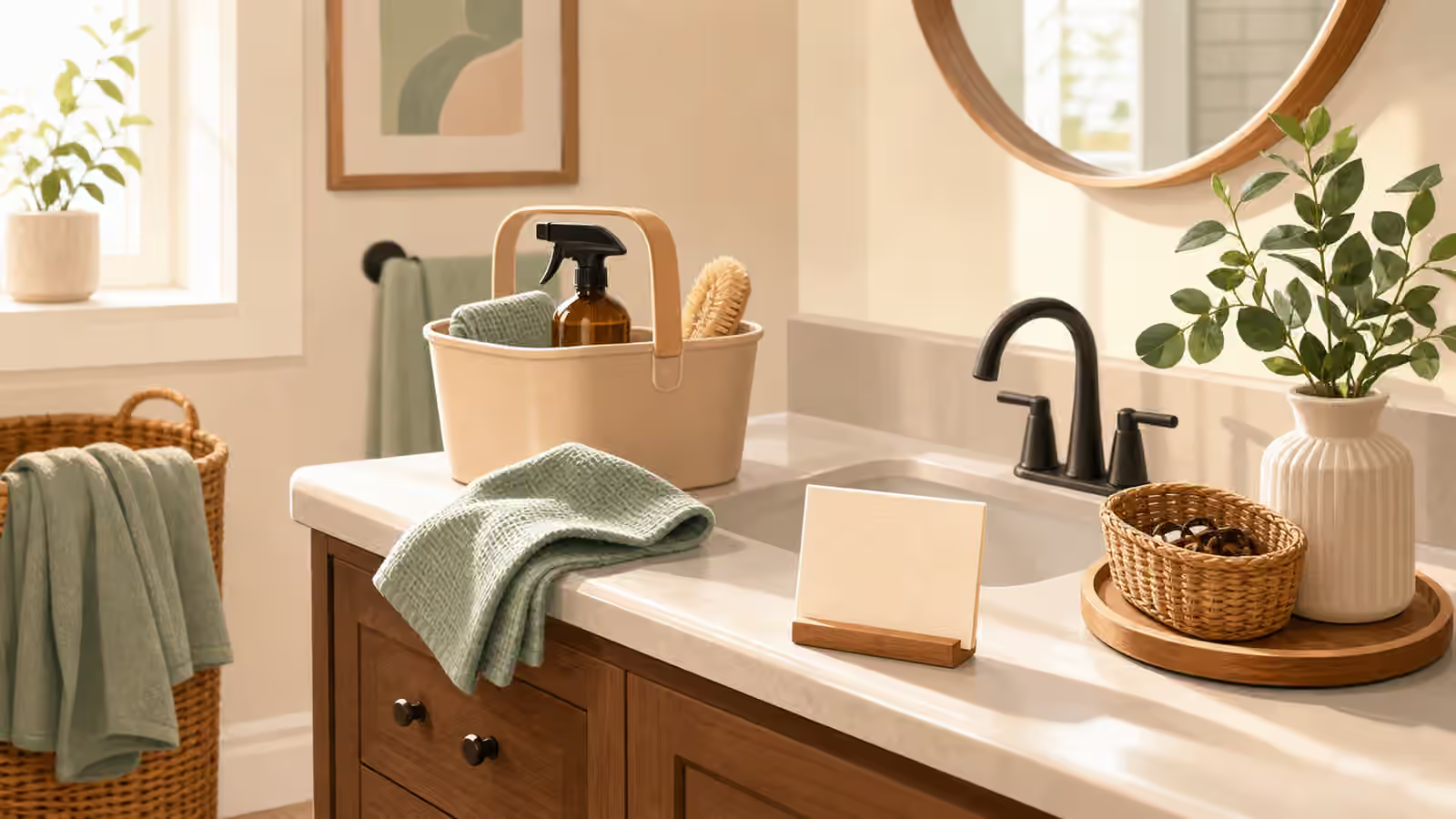
- Bathroom Reset Start Lines - How to make a bathroom counter, sink, towel zone, and loose supplies easier to reset without turning it into a whole-home cleaning project.
- Group Project Handoff Board - How to make shared school, work, volunteer, or creative projects easier to start and resume when tasks move between people.
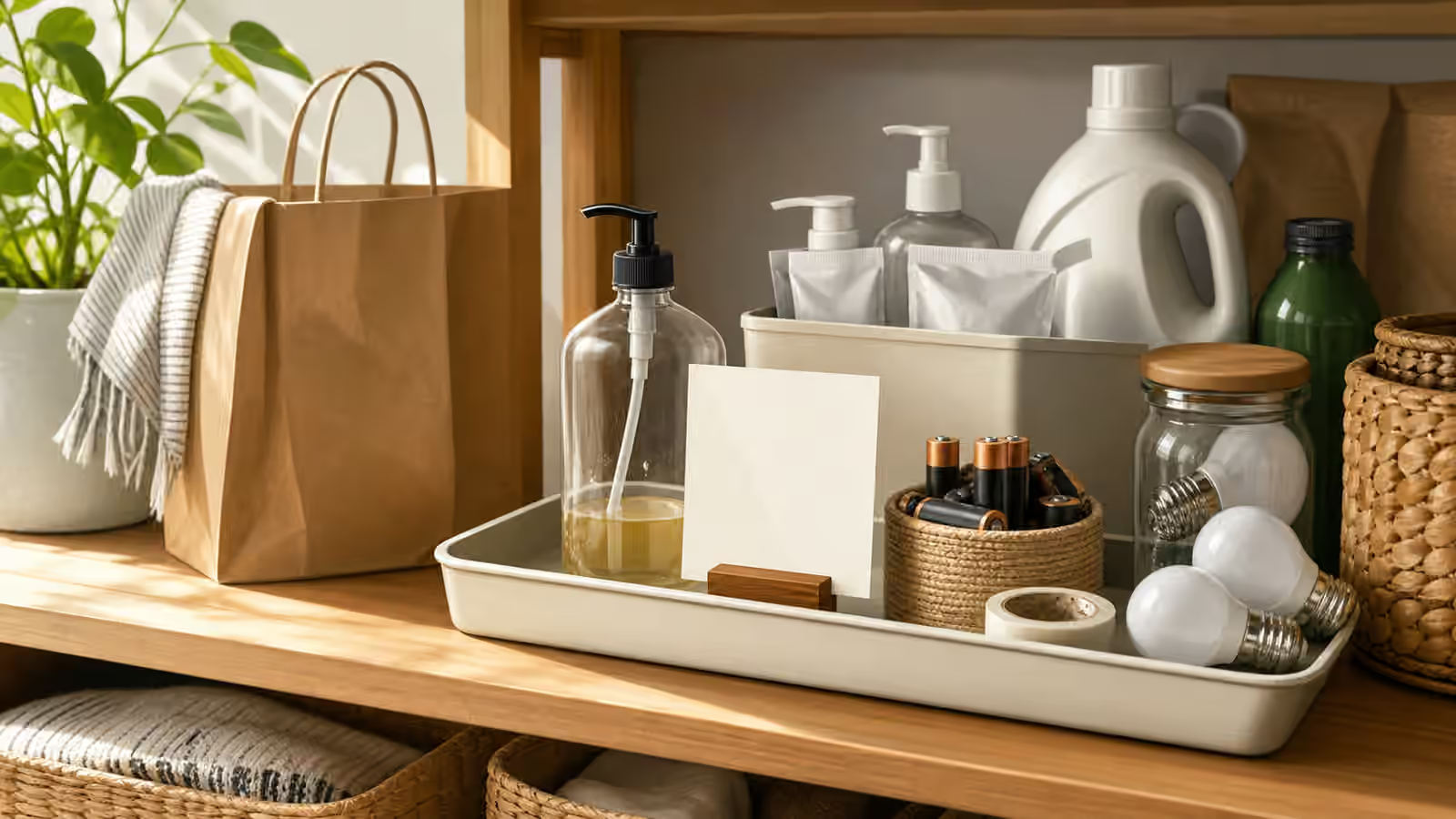
- Supply Refill Start Station - How to make household supply refills visible before missing soap, tape, batteries, bags, or pantry basics block the next task.
Careful questions
If you arrived here because online ADHD content felt familiar, read Does This Mean I Have ADHD? slowly. It explains why executive-function struggles can have many causes and when professional support is the better next step.