Startable Life Lab 54 guides Tasks, Time, Routines, Studying & Everyday Follow-Through

Startable Life Lab

Executive-function skills for tasks, time, routines, studying, and everyday follow-through.

Jump straight into the Startable Life Lab track in the Fondsites game, then use the guidebooks when you want depth.

Startable Life Lab 13 guides Tasks, time, routines, study and follow-through

Executive-function skills for tasks, time, routines, studying, and everyday follow-through.

When a task will not start, the problem is not always laziness. Sometimes the task is too vague, time is invisible, the first move is unclear, or the environment is asking your brain to do too much at once. Startable Life Lab teaches practical ways to make tasks visible, startable, returnable, and finishable.
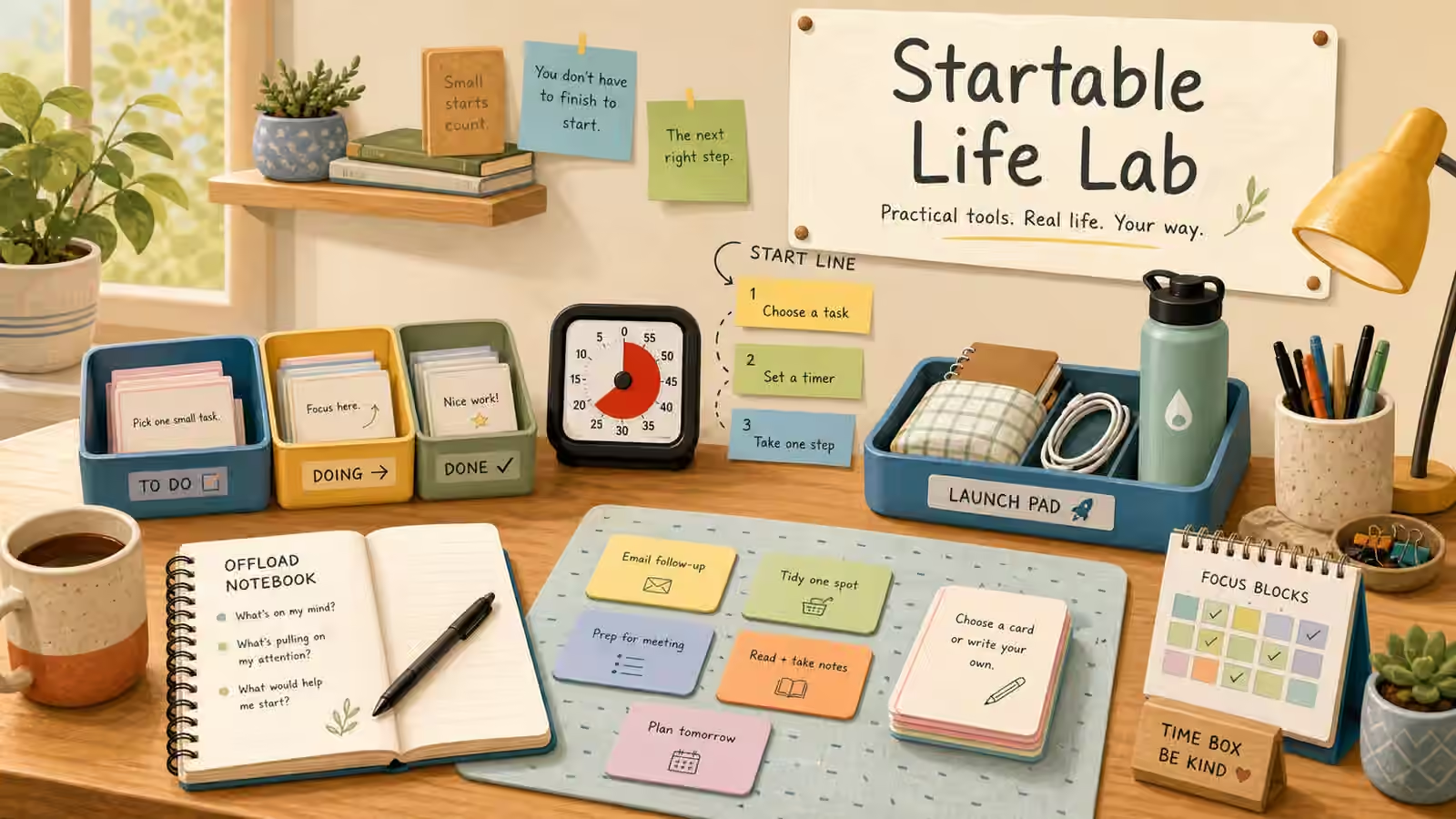
A cozy task lab desk with visual timer, labeled trays, start-line cards, calendar blocks, notebook, and launch pad.

Note
Not medical advice
Startable Life Lab is educational and practical. It is not a diagnostic tool, medical advice, therapy, or a treatment plan. If attention, focus, mood, sleep, anxiety, learning, or daily functioning problems are seriously affecting your life, consider speaking with a qualified professional.

Use the lab when the start is the hard part

This topic is for students, parents, knowledge workers, neurodivergent readers, and anyone who wants more practical support around task initiation and follow-through. It does not assume a diagnosis. It does not try to diagnose ADHD. It focuses on concrete systems: first moves, visible time, return points, offload stations, body-double scripts, transition ramps, and low-friction study or work environments.

Core frameworks

Guidebook path

Startable Life Quickstart

A practical first path for making tasks visible, startable, returnable, and finishable without shame or diagnosis.

Task Initiation: Why "Just Start" Is Bad Advice

Why vague start advice fails, and how to make the first action specific, physical, and low-friction.

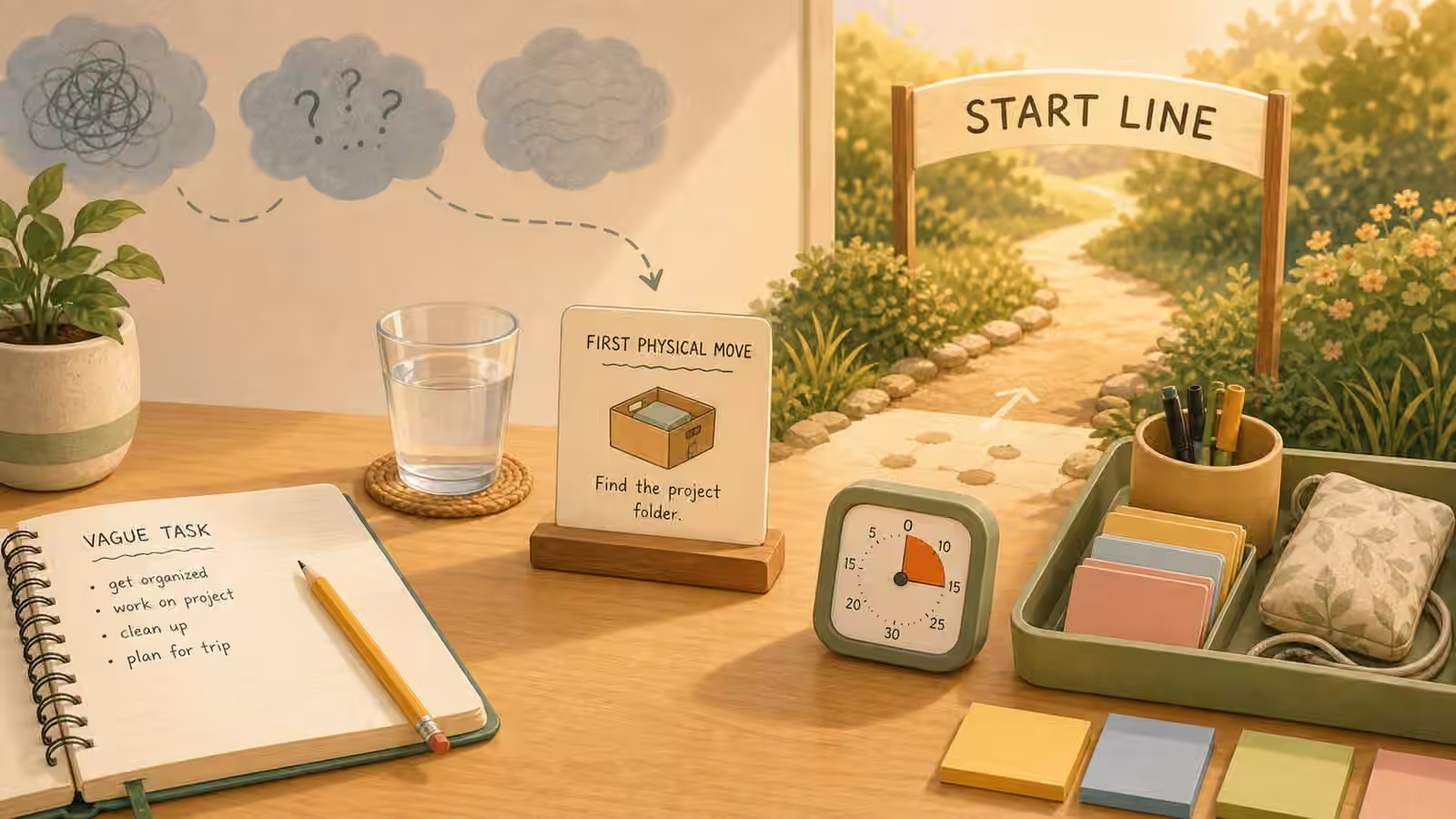
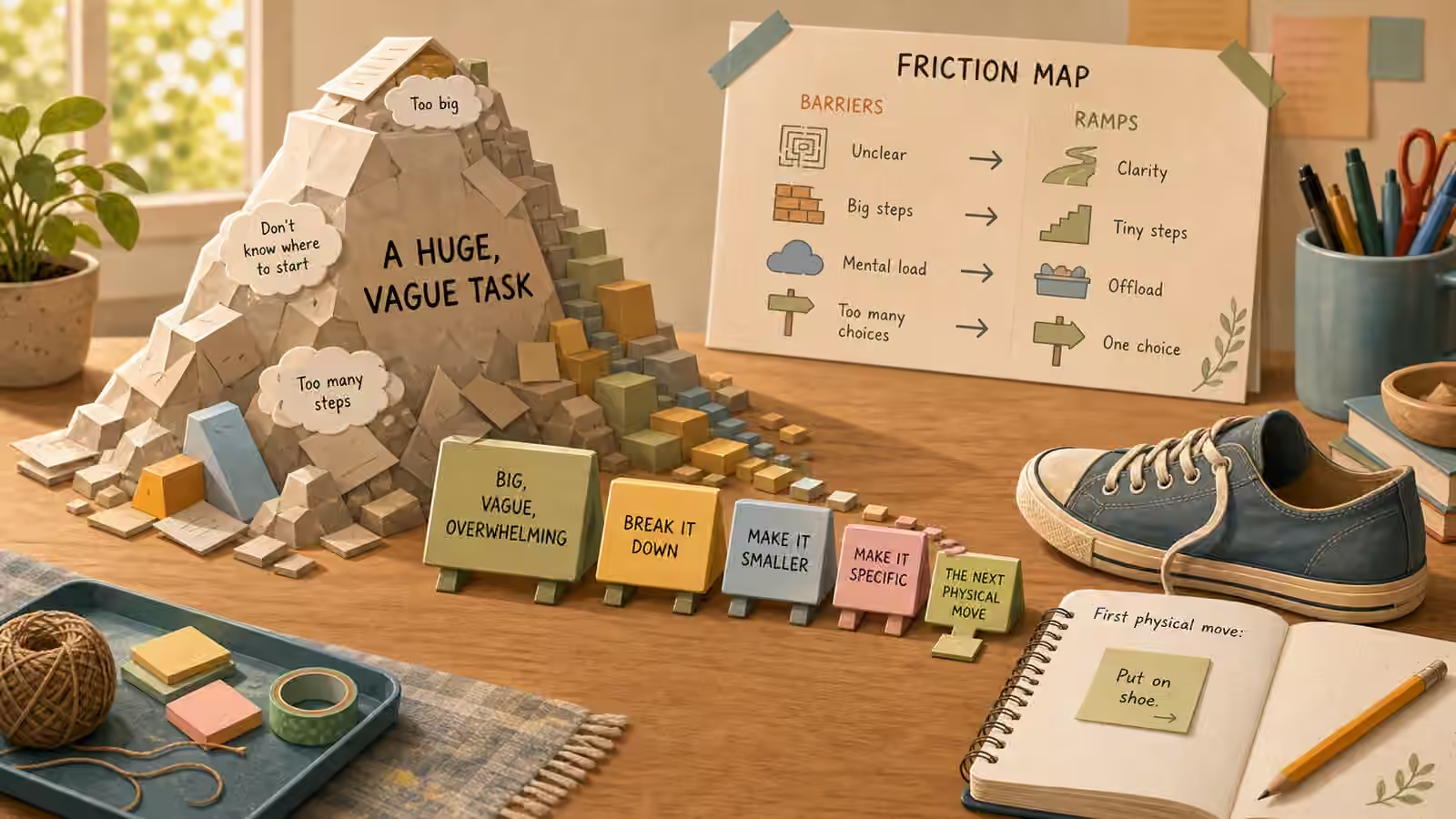
The Start Line: Turn a Vague Task Into a First Physical Move

A repeatable method for converting abstract tasks into a first visible action you can take in 30 seconds.

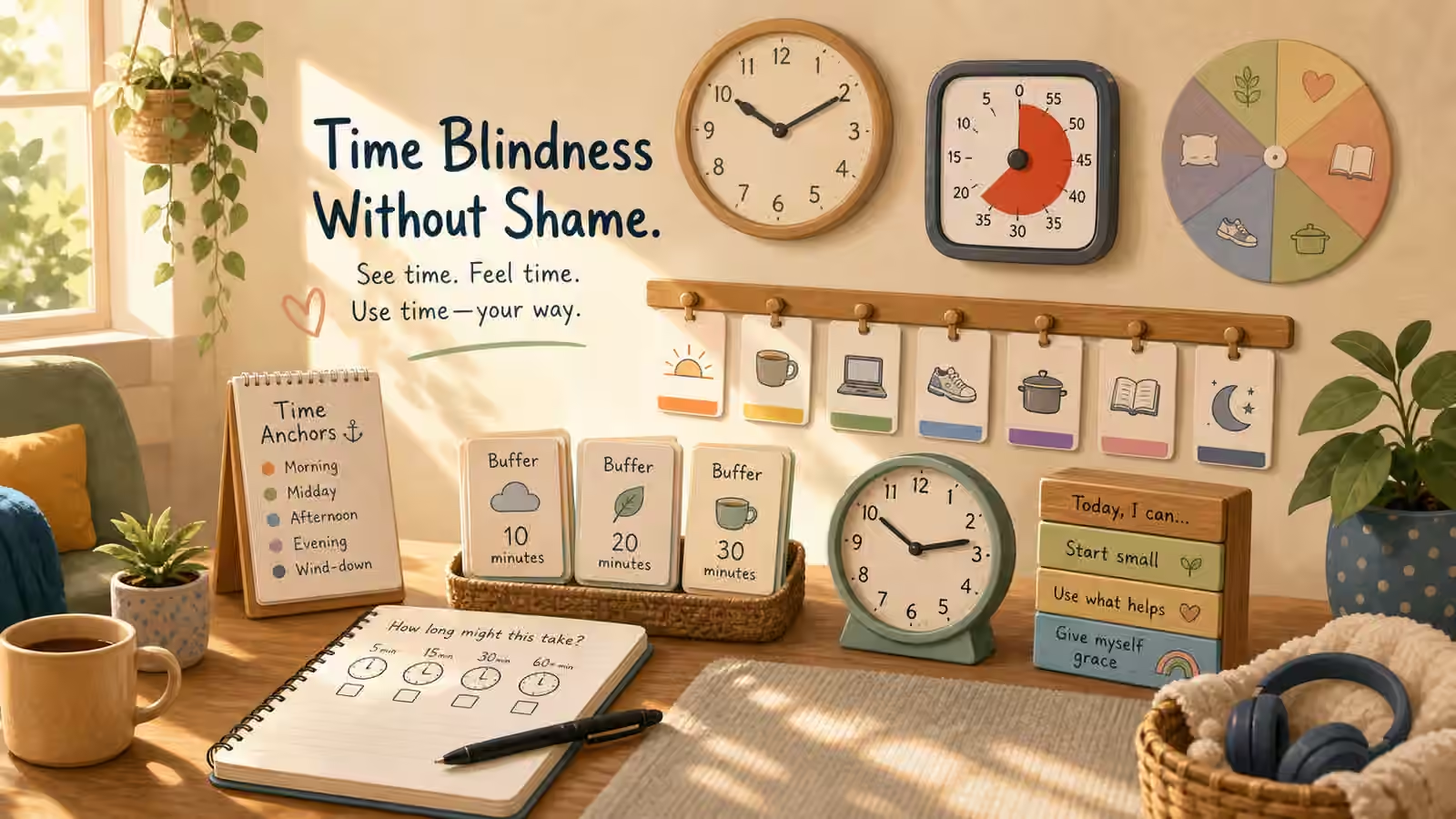
Time Blindness Without Shame

A practical guide to time visibility, estimates, timers, clocks, buffers, and anchors without shaming the reader.

Body Doubling for Beginners

How to work beside another person for accountability, focus, and momentum, with scripts and examples.

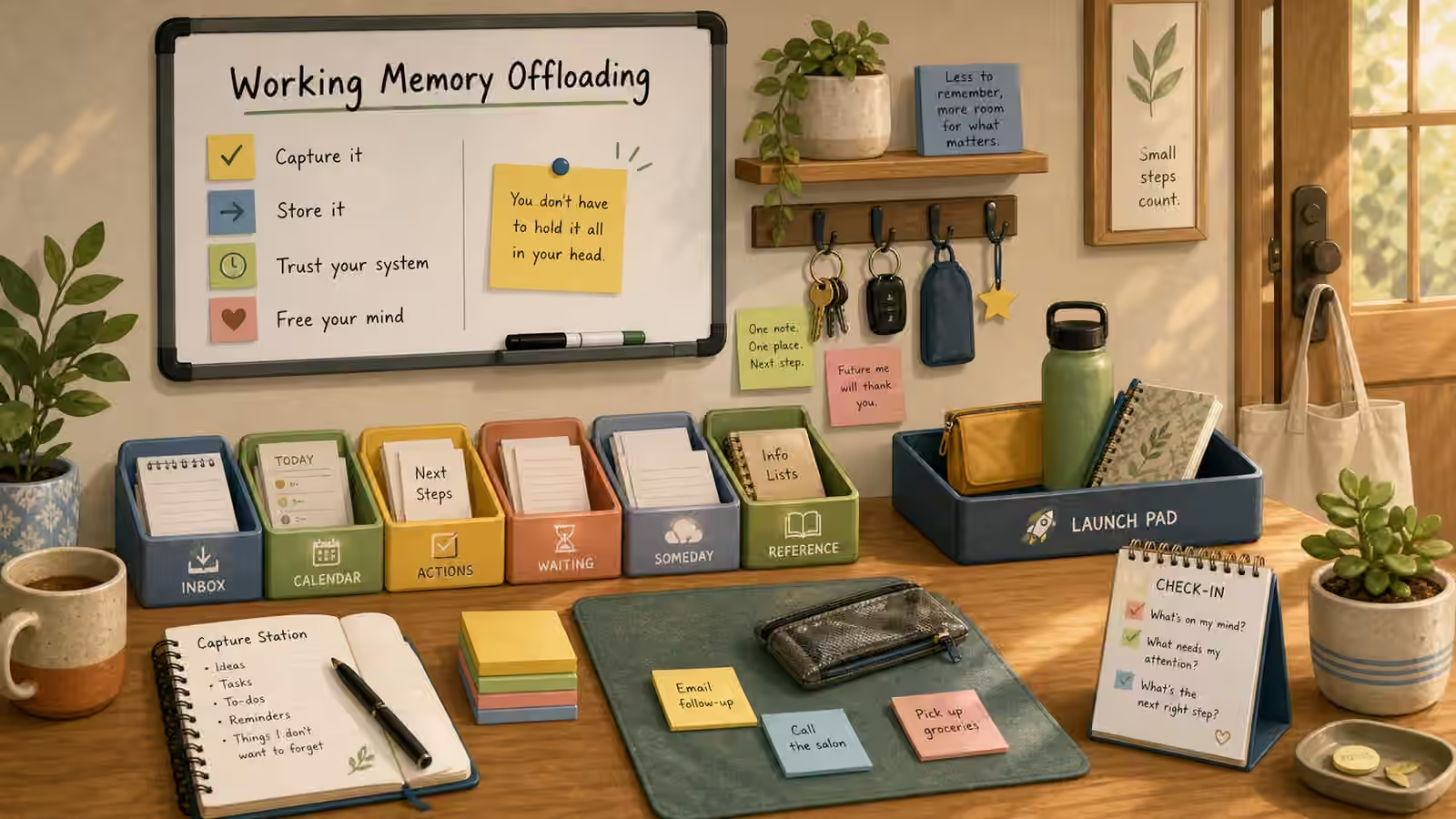
Working Memory Offloading

External memory systems for whiteboards, trays, notes, launch pads, capture stations, checklists, and labels.

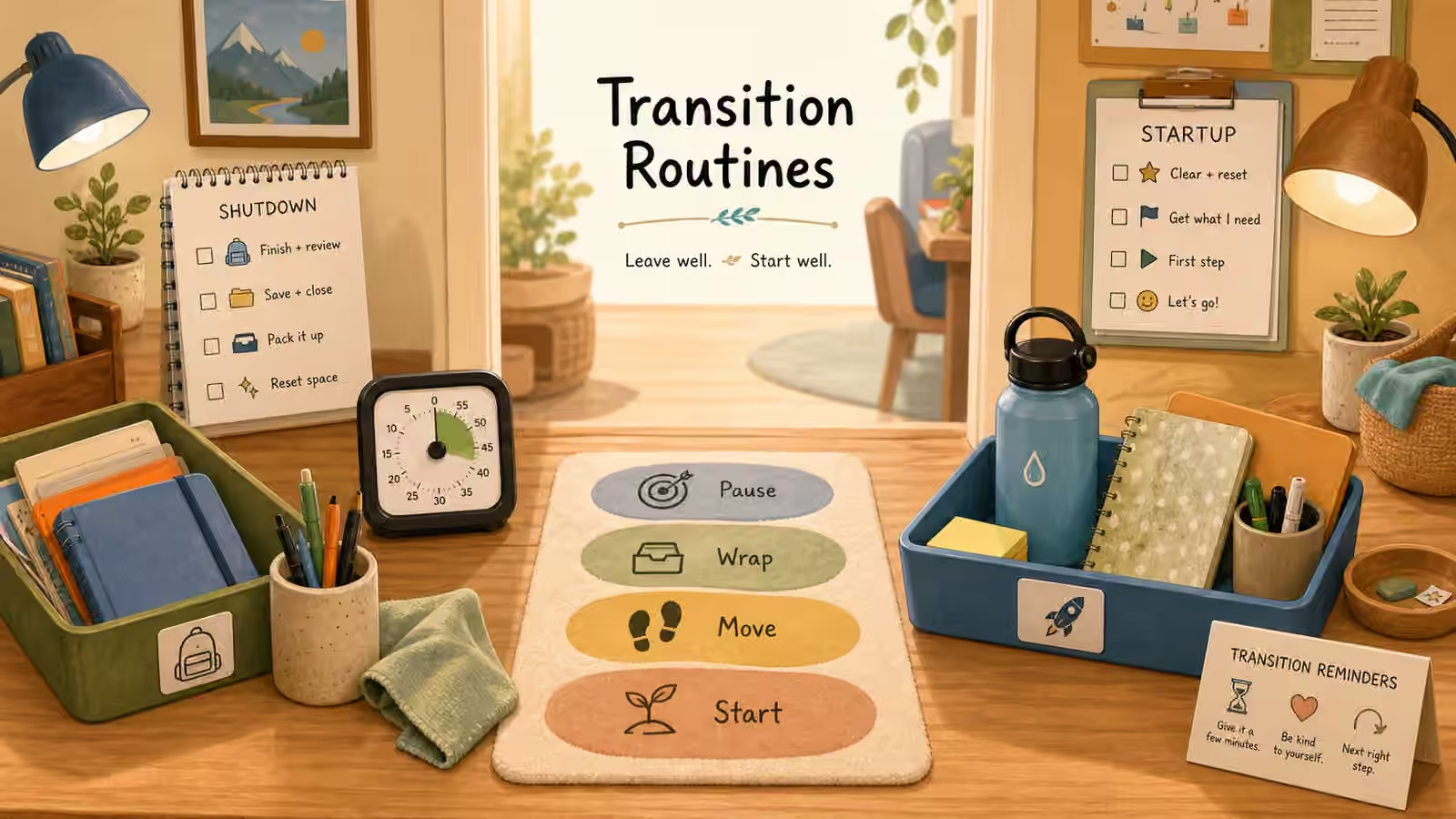
Transition Routines

How to leave one task and enter the next using rituals, reset cues, packing steps, and shutdown/startup sequences.

The Two-Minute Setup

Prepare tomorrow's first task tonight by staging materials, reducing decisions, and defining a start line.

Homework Without a Fight

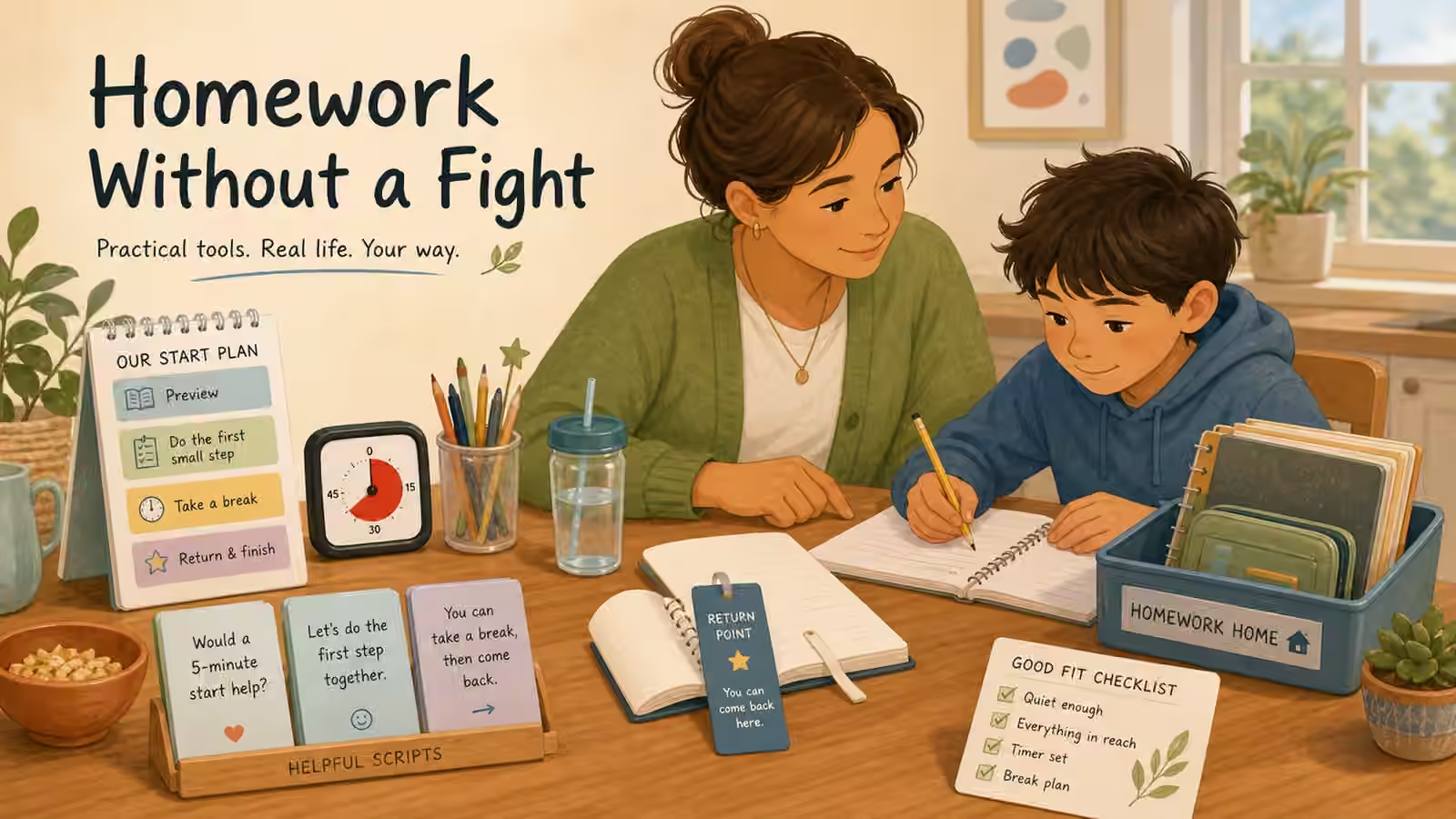
A parent/student guide for starting homework with less conflict, using scripts, breaks, return points, and environment setup.

Study Spaces That Actually Help

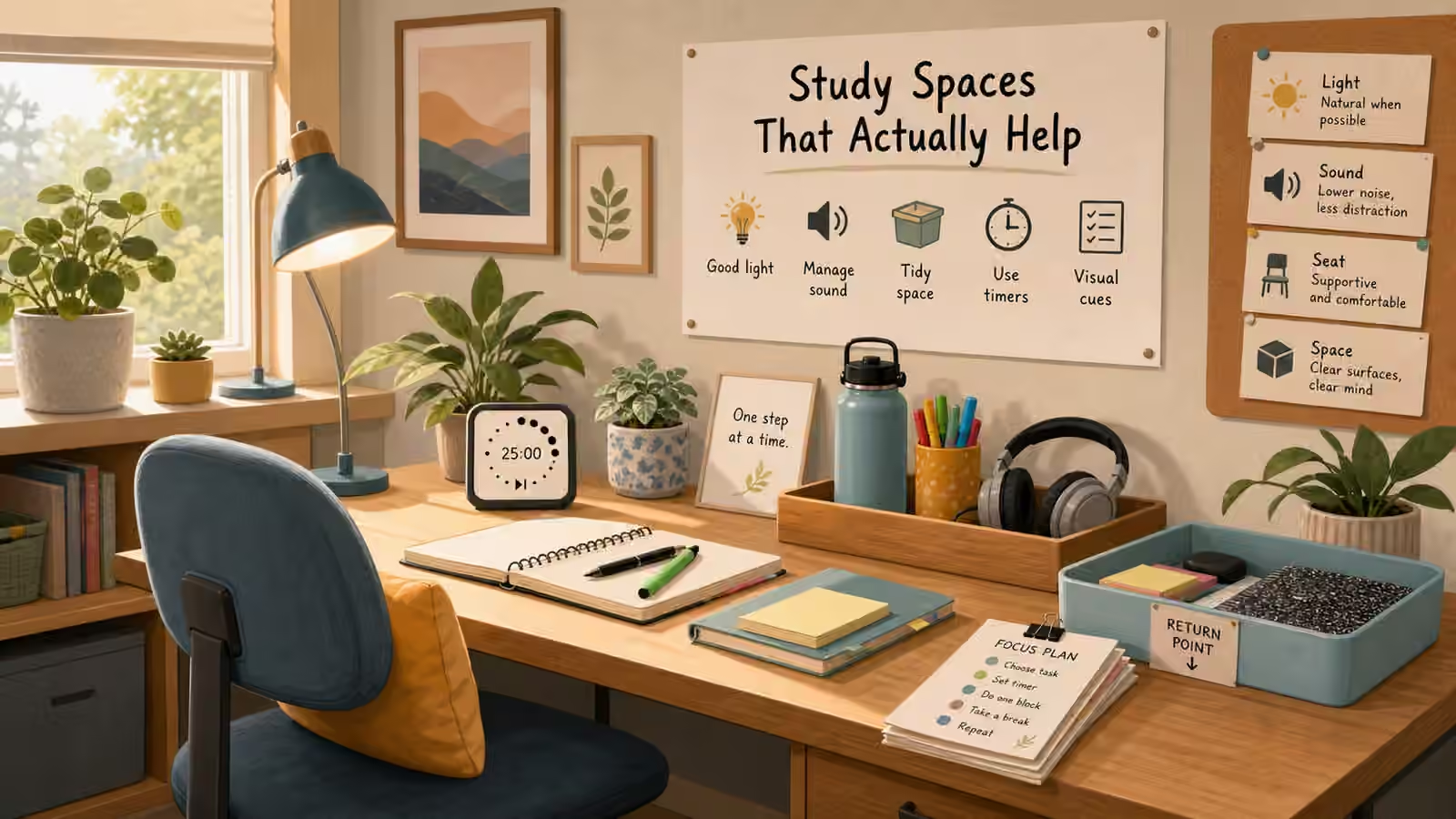
A guide to light, sound, clutter, seating, supplies, timers, visual cues, and low-friction study environments.

Digital Distraction Map

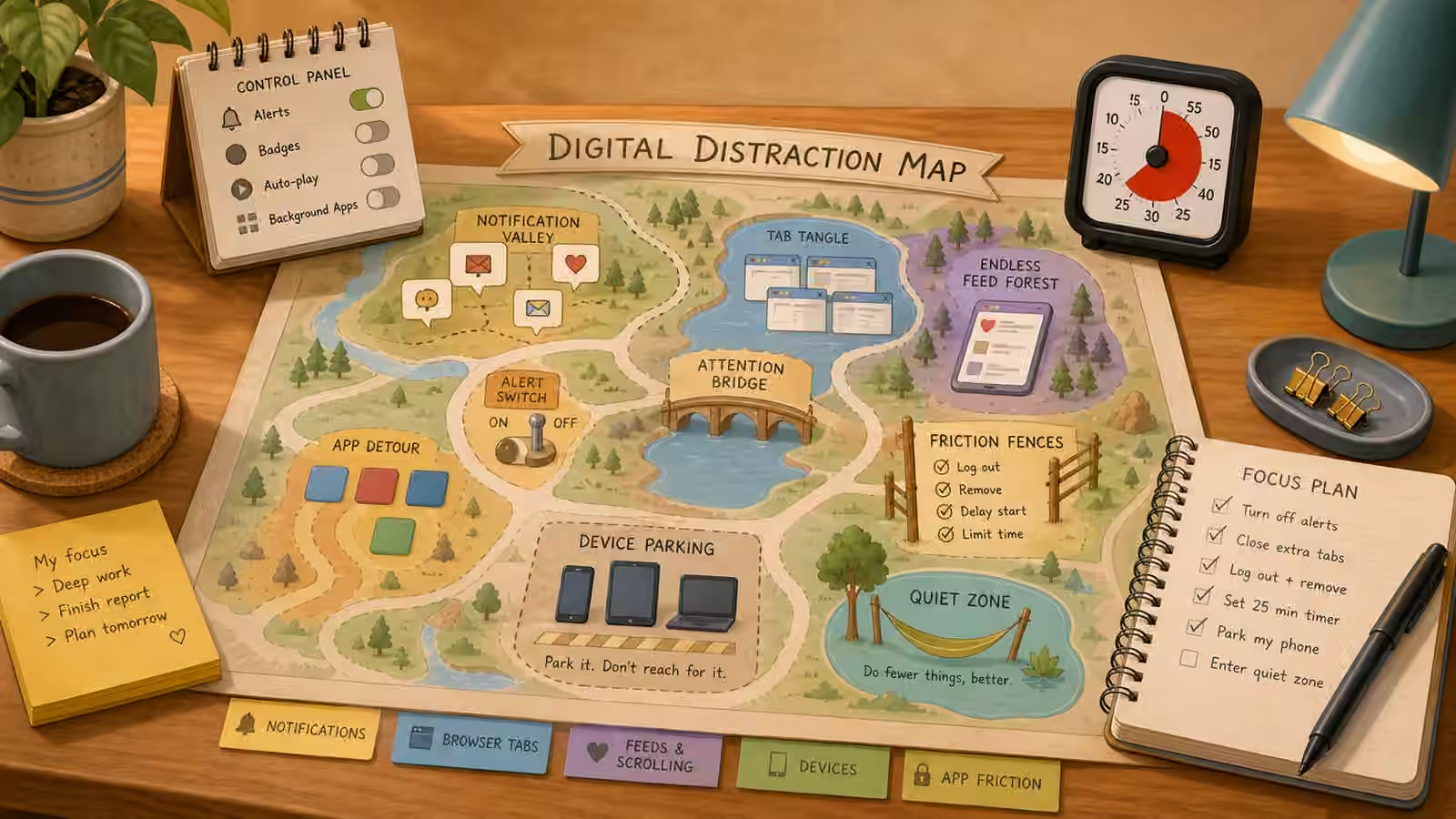
Map notifications, open tabs, feeds, devices, and app friction, then choose practical setup options.

The Shutdown Routine

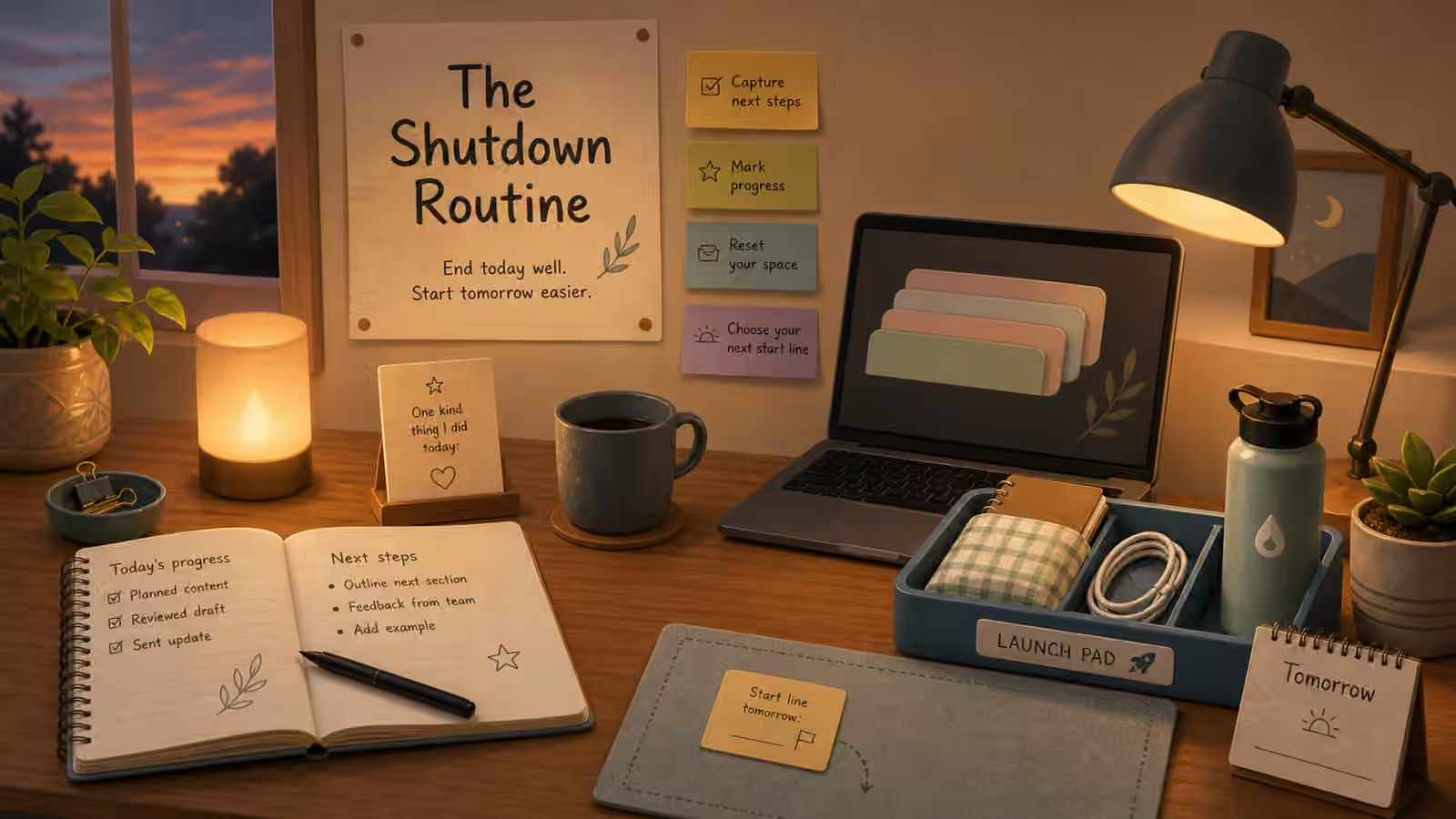
End work in a way that makes restarting easier later: capture next steps, mark progress, reset desk, park tabs, and choose the next start line.

Does This Mean I Have ADHD?

A careful, non-diagnostic explainer about executive-function struggles, possible causes, and when to seek professional support.

  • Speech Pathology for communication supports, school-team language, and home practice boundaries.
  • Sleep Setup Lab for bedtime, morning routines, room cues, and attention-supportive environments.
  • AI Agents for breaking tasks into reviewable checklists while keeping human judgment in charge.
  • Reality Check Desk for evaluating ADHD, productivity, and focus claims online without panic.
  • Mechanical Keyboard Guide for desk tools and typing setup when work friction is physical.
  • Keepers Guild for unfinished-task triage, maintenance logs, and return points.
  • Home Energy Lab for household routines, checklists, and load-shifting habits.

The tone of the lab

Startable Life Lab avoids hustle culture, diagnosis bait, and shame. It assumes readers are already trying. The practical work is to make the next move smaller, clearer, closer, and easier to resume.
Guidebooks

Practical guidebooks for task initiation, visible time, body doubling, working memory offloading, visible task boards, friction audits, energy-matched task menus, portable start kits, help requests, transitions, hyperfocus exit ramps, homework routines, study spaces, digital distractions, email replies, phone calls, shutdown rituals, task triage, return points, breaks, finish lines, big project first maps, overdue task reentry, tiny admin batches, open-loop parking, shared household handoffs, chores, laundry cycles, meal prep, grocery starts, paperwork, morning launch pads, calendar-to-start bridges, getting dressed, one-surface resets, coming-home landing strips, packing runways, personal-care starts, digital file searches, guest-ready resets, decision paralysis, waiting mode, errands, reentry notes, creative project reentry, weekly resets, and careful ADHD questions.

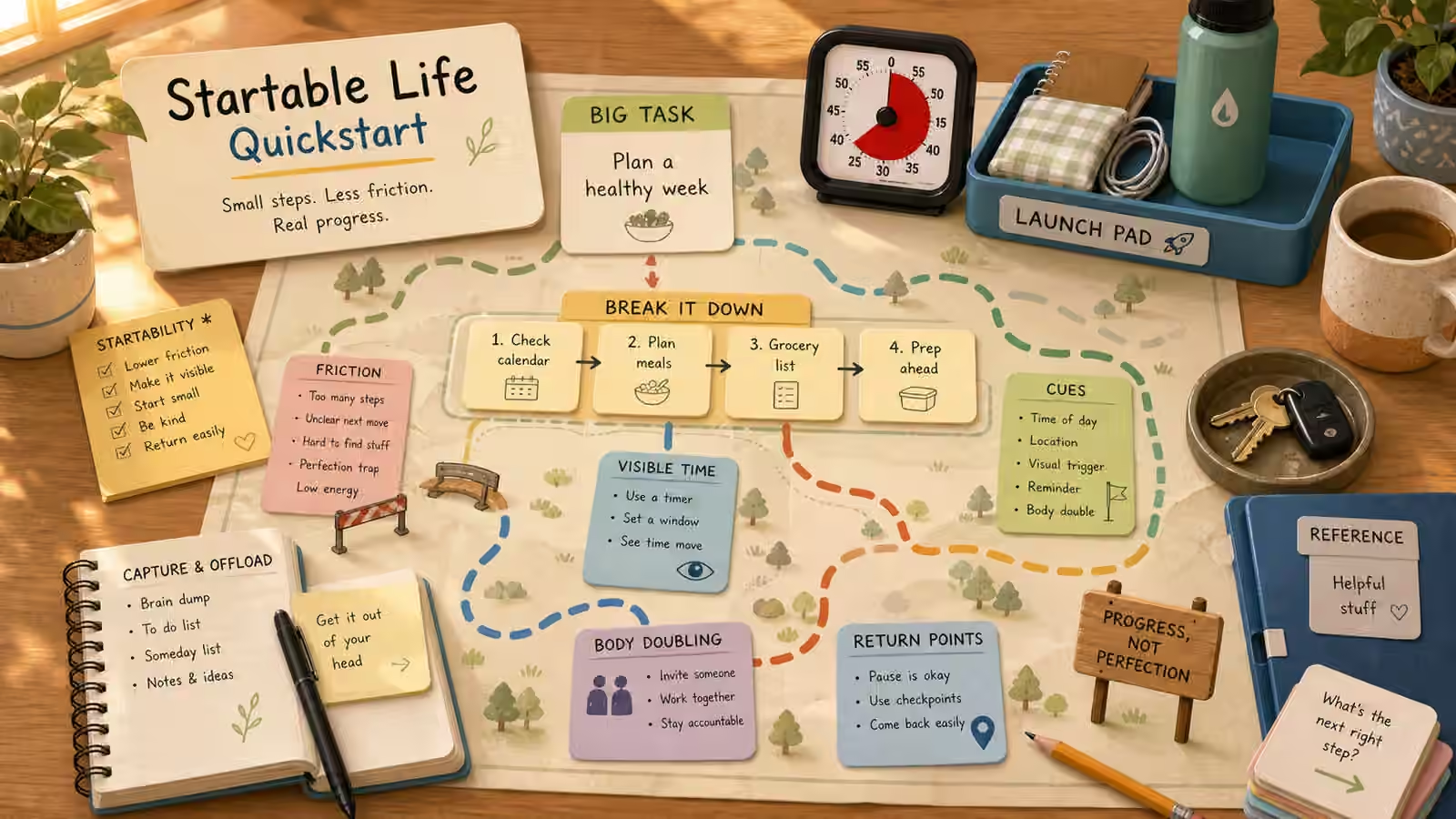
A tabletop map of tasks becoming smaller action cards beside a timer, launch pad tray, notebook, and everyday supplies.

Startable Life Lab

Startable Life Quickstart

A practical first path for making tasks visible, startable, returnable, and finishable without shame or diagnosis.

Beginner 5 min read
A warm room with clocks, timer, calendar blocks, sunlight cues, buffer cards, and visible time anchors.

Startable Life Lab

Time Blindness Without Shame

A practical guide to time visibility, estimates, timers, clocks, buffers, and anchors without shaming the reader.

Beginner 5 min read
Two people working quietly in parallel with timers, notebooks, water bottles, headphones, and a small check-in card.

Startable Life Lab

Body Doubling for Beginners

How to work beside another person for accountability, focus, and momentum, with scripts and examples.

Beginner 5 min read
A tidy offload station with trays, whiteboard checklist, capture notebook, hooks, reminders, and a launch pad near a door.

Startable Life Lab

Working Memory Offloading

External memory systems for whiteboards, trays, notes, launch pads, capture stations, checklists, and labels.

Beginner 5 min read
A doorway between two activity zones with a timer, packing tray, reset cloth, water bottle, and startup cards.

Startable Life Lab

Transition Routines

How to leave one task and enter the next using rituals, reset cues, packing steps, and shutdown/startup sequences.

Beginner 5 min read
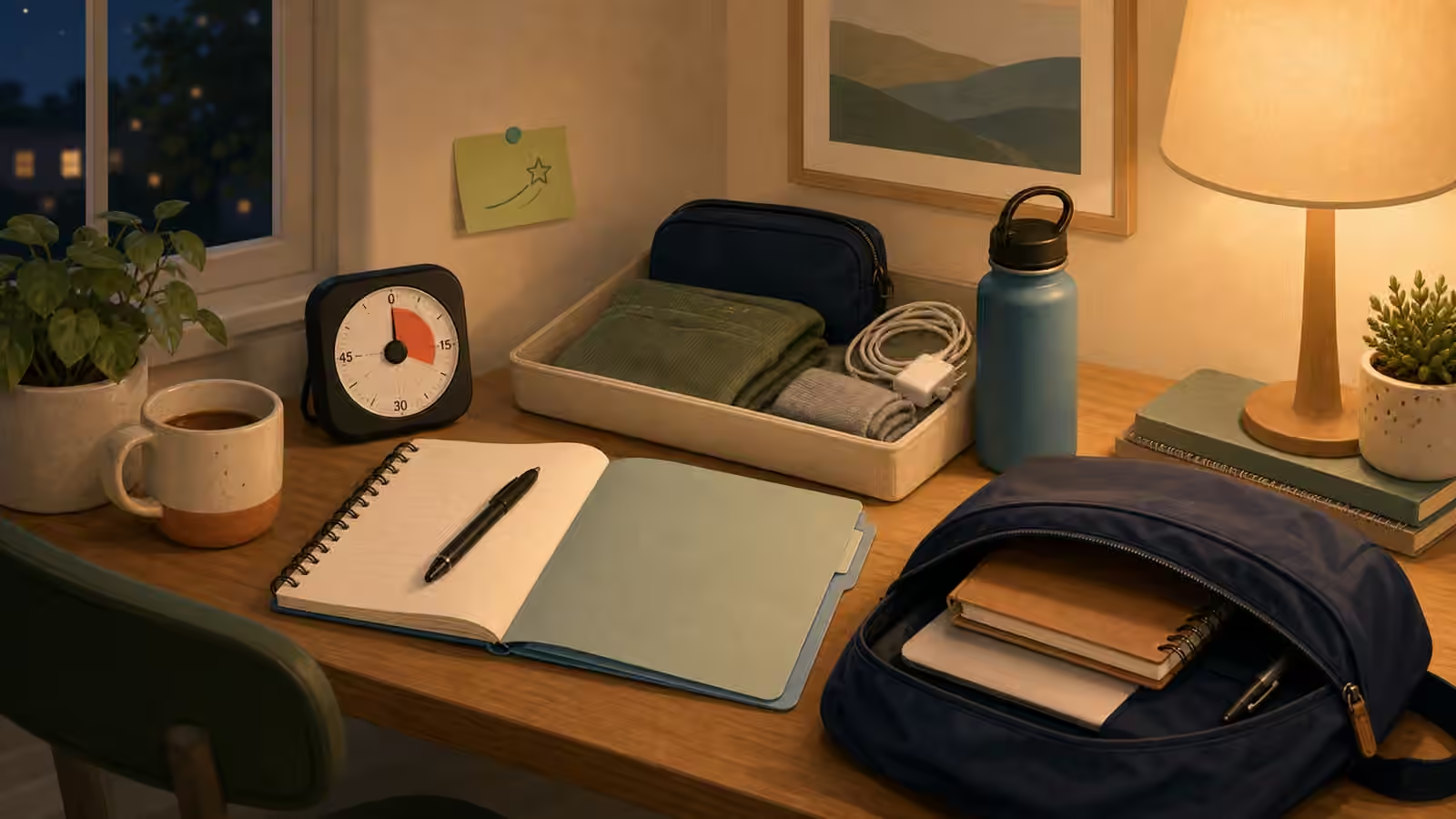
Tomorrow's materials staged neatly in evening light with a notebook, folder, bag, charger, timer, and supply tray.

Startable Life Lab

The Two-Minute Setup

Prepare tomorrow's first task tonight by staging materials, reducing decisions, and defining a start line.

Beginner 5 min read
A parent and child at a table using calm checklist cards, a visual timer, snack, water, pencils, and a homework tray.

Startable Life Lab

Homework Without a Fight

A parent/student guide for starting homework with less conflict, using scripts, breaks, return points, and environment โ€ฆ

Beginner 5 min read
A well-arranged study nook with good light, clear desk, timer, supplies tray, headphones, water, and cue cards.

Startable Life Lab

Study Spaces That Actually Help

A guide to light, sound, clutter, seating, supplies, timers, visual cues, and low-friction study environments.

Beginner 5 min read
Phone notifications, browser tabs, feeds, switches, and quiet zones shown as a colorful controllable map on a desk.

Startable Life Lab

Digital Distraction Map

Map notifications, open tabs, feeds, devices, and app friction, then choose practical setup options.

Beginner 5 min read
A desk closing ritual with a next-step note, parked tabs, tidy launch pad tray, notebook, lamp, and evening light.

Startable Life Lab

The Shutdown Routine

End work in a way that makes restarting easier later: capture next steps, mark progress, reset desk, park tabs, and โ€ฆ

Beginner 5 min read