This guide explains how visual supports can make communication easier across home, school, therapy, work, and community routines. It is educational background, not an AAC evaluation, behavior plan, classroom accommodation decision, treatment plan, or substitute for a licensed speech-language pathologist, occupational therapist, teacher, physician, assistive technology team, or qualified local professional. See Augmentative and Alternative Communication for the professional reference behind this topic.
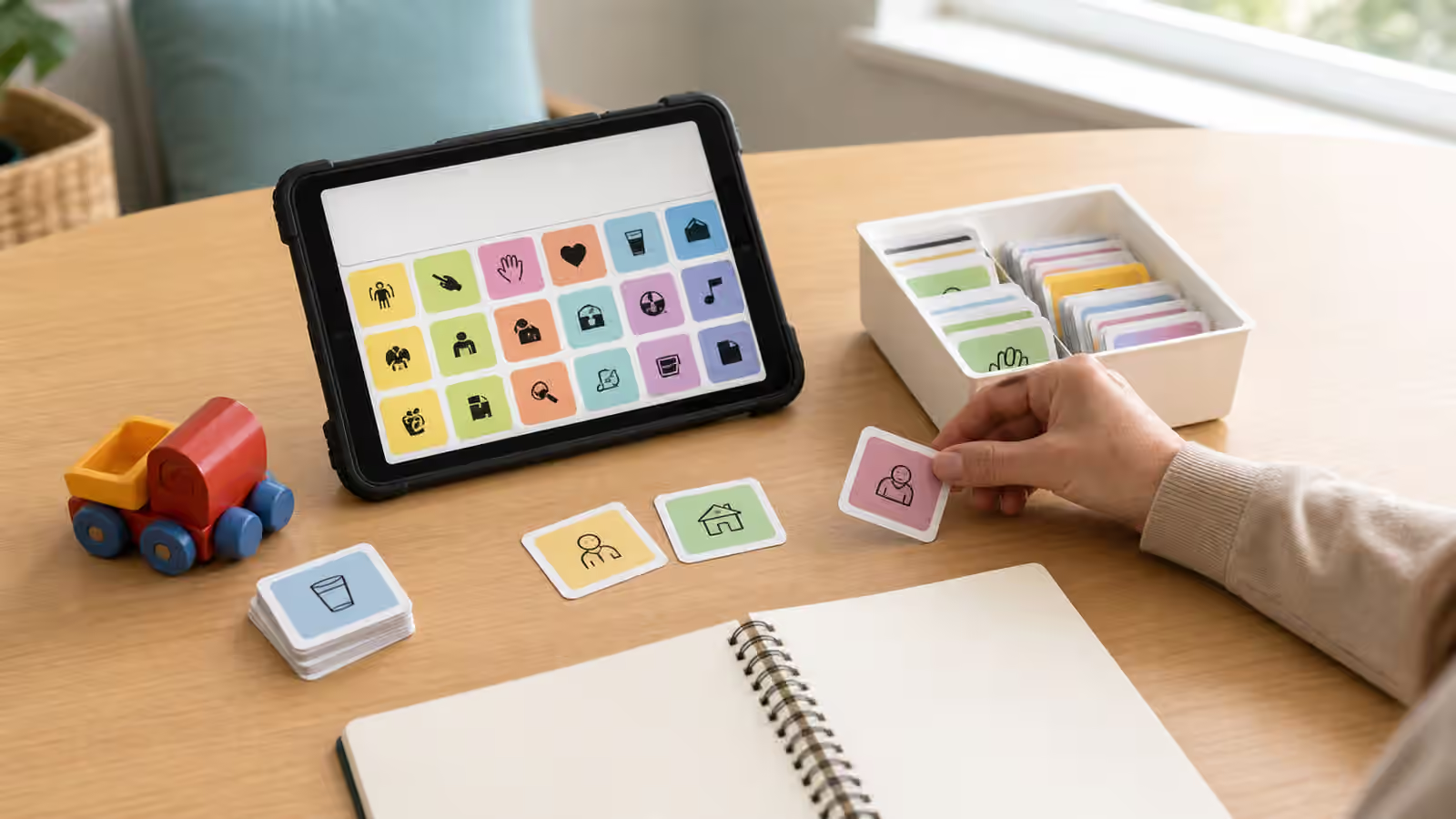
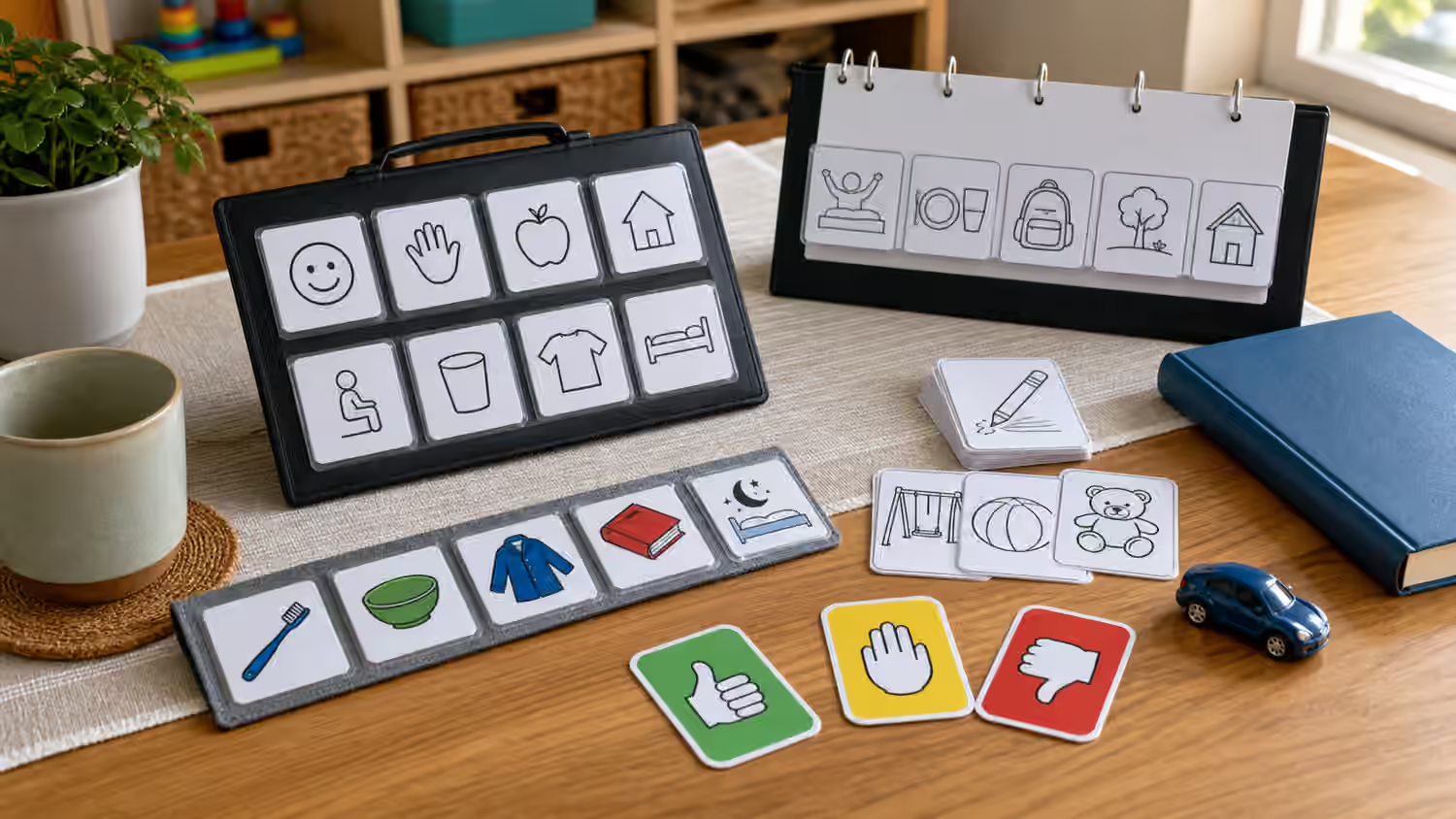
Visual support is a broad phrase. It can mean a gesture, photograph, object, drawing, schedule, written keyword, choice board, first-then card, map, calendar, communication book, AAC display, or anything else that makes information visible. The point is not decoration. The point is access.
Visuals reduce the load
Spoken language disappears as soon as it is said. That can be hard for someone who needs more time to process, has hearing differences, is learning a language, is anxious, is tired, has aphasia, has cognitive-communication changes, uses AAC, or is trying to manage a busy classroom. A visual support stays present. It gives the person something to return to when speech moved too quickly.
This does not mean visuals are only for people with severe communication needs. A written agenda helps adults follow meetings. A calendar helps a family understand the week. A map helps a traveler. A recipe helps a cook. A classroom schedule helps many students, not only one. Visuals are ordinary human tools. Speech-language support uses them more intentionally.
The Receptive Language guide is a useful companion because understanding often depends on how information is presented. A person may look like they are not listening when the real issue is that the spoken message is long, abstract, fast, noisy, or unsupported. A visual can make the language hold still long enough to understand.
Choosing the smallest support that actually helps
The best visual support is not always the biggest board or most elaborate system. It is the support that fits the communication need. If a child melts down when a routine changes, a simple schedule with a visible change marker may help. If a student loses track during multistep directions, written keywords or picture steps may be enough. If an adult with aphasia cannot reliably explain a need during a medical appointment, a personal communication page may be more useful than a generic set of symbols.
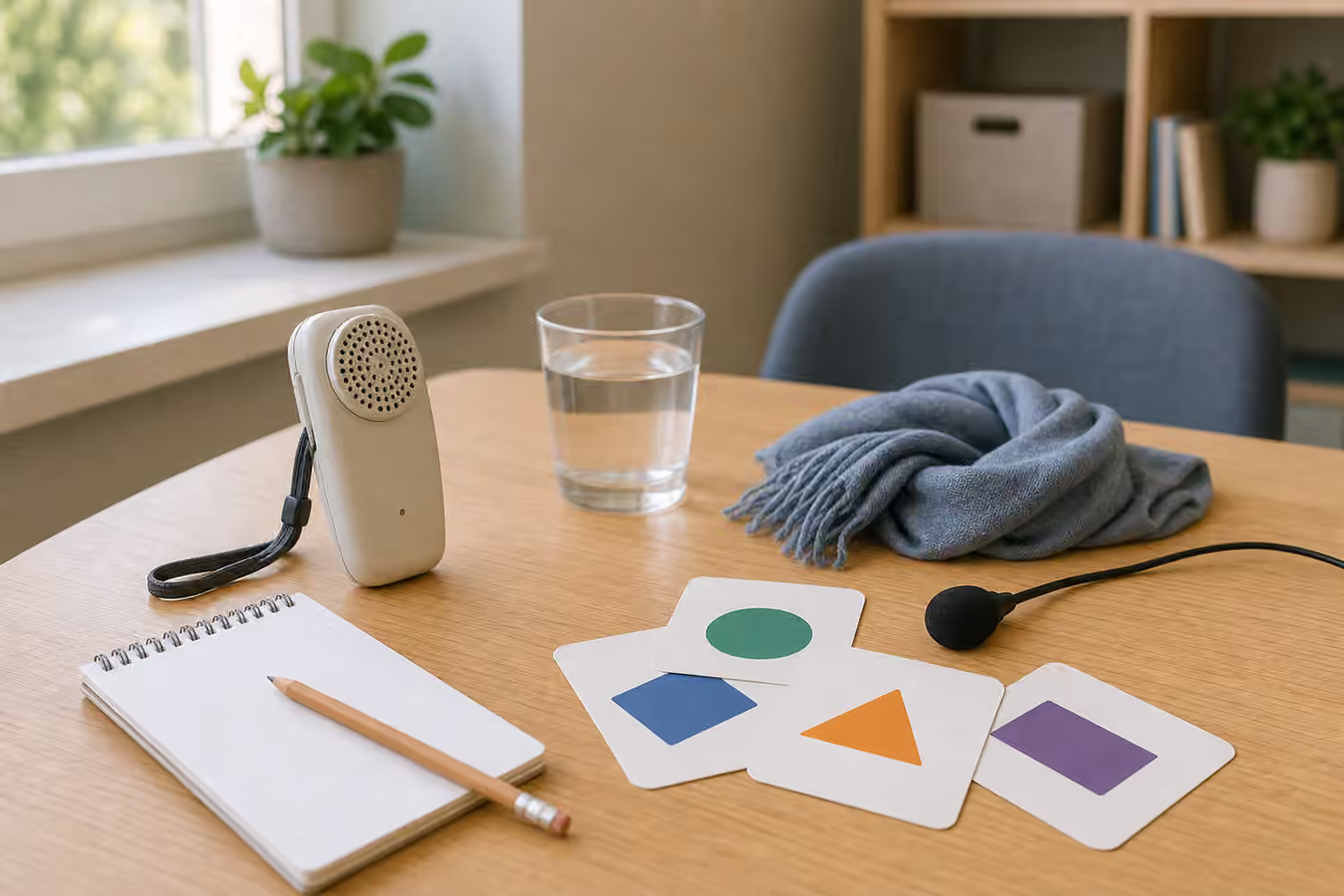
The support should match the person, setting, and task. A photograph may be clearer than a line drawing for one person. A written word may be better for another. An object may help someone who does not yet connect pictures to real items. A color-coded card may reduce search time. A high-tech device may be essential for one person and unnecessary for another. The question is not which tool looks most professional. The question is whether it makes communication more available.
Families and teams sometimes abandon visuals because the first version does not work. Often the issue is fit. The visual may be too cluttered, too far away, too childish for the person, too hard to scan, too vague, or introduced only during conflict. A support that appears only when someone is upset can become part of the pressure. A support that appears during calm, meaningful routines has a better chance to become useful.
Visual supports are not the same as control
Visuals can be used respectfully or poorly. A first-then card can help a person understand sequence, but it can also become a command that ignores distress. A schedule can reduce uncertainty, but it can also be used to deny flexibility. A choice board can support communication, but it is not a real choice if every option is controlled by someone else and refusal is ignored.
Good visual support expands agency. It gives the person more ways to know what is happening, express a preference, ask for help, refuse, repair, prepare, or return to a task. It should not be a prettier way to force compliance. If a visual is always paired with pressure, the person may reject the visual for good reasons.
This distinction matters in autism support, selective mutism support, AAC work, feeding routines, classroom transitions, and adult rehabilitation. The Autistic Communication Support guide emphasizes access and preference for the same reason. Communication support should reduce unnecessary strain. It should not make the person easier to manage at the expense of being heard.
How visuals work with AAC and spoken language
Visual supports and AAC overlap, but they are not identical. AAC is communication support beyond speech, and it may include signs, pictures, writing, partner scanning, communication books, speech-generating devices, or other systems. A visual schedule may not be a full AAC system, but it can still support communication by making time, sequence, and choices easier to discuss. The AAC Basics and AAC in Daily Routines guides explain how communication systems should live in ordinary routines.
Visuals can also support spoken language. A child who speaks in short phrases may use a picture sequence to retell a story. A student may use a written sentence starter to ask for help. A teacher may pair verbal directions with a simple drawn plan. An adult may use a keyword card during a phone call. These supports do not make communication less authentic. They make the message easier to organize and repair.
Partners need to model the support. If a board, schedule, or card is handed to the person only when they are expected to answer, it may feel like a test. A partner can point to the schedule while talking through the plan, touch a symbol while making a comment, write a keyword while summarizing, or use the same choice card themselves. Modeling says, “This is part of how we communicate here.”
Keep the support portable and ordinary
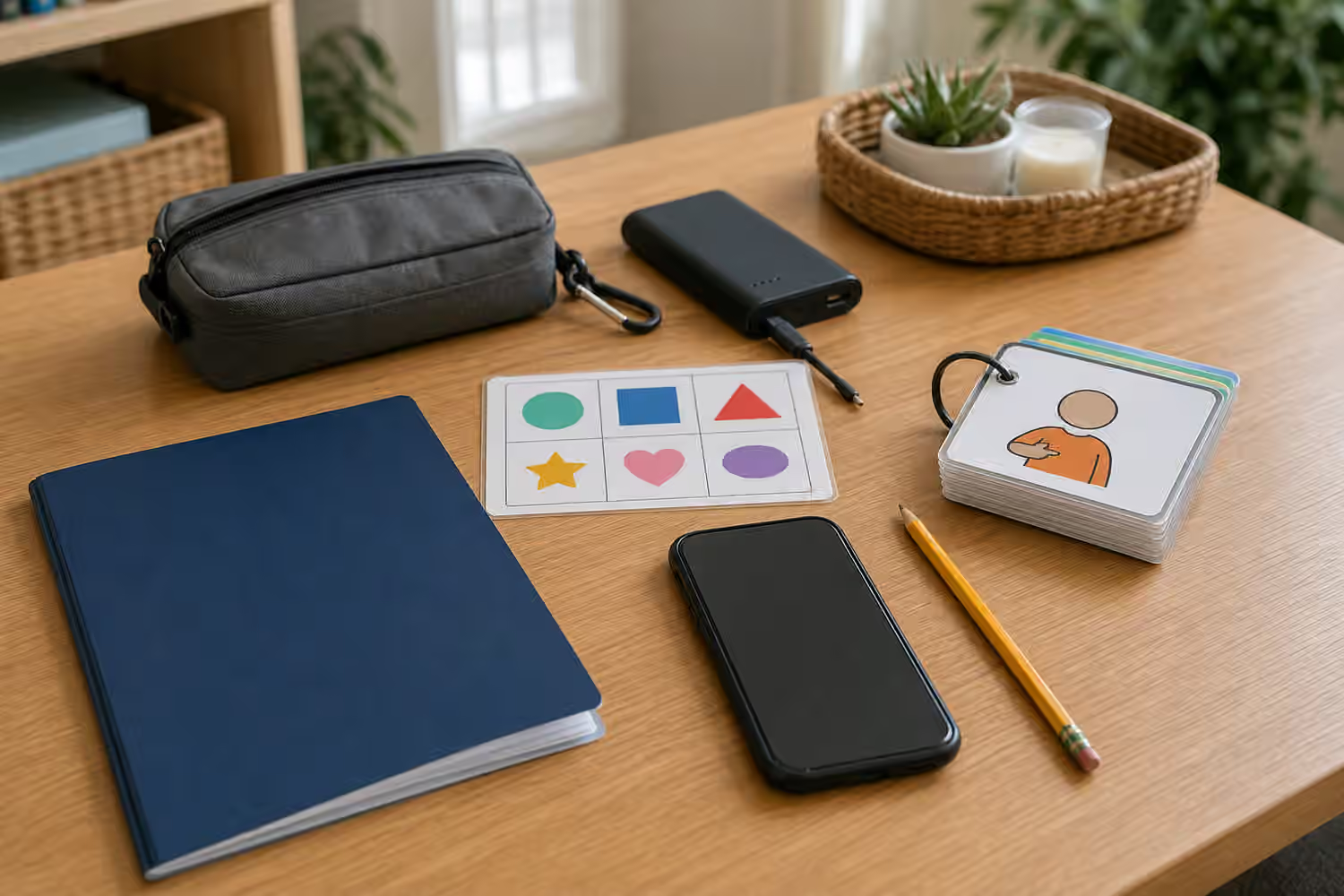
A visual that works only on a perfect therapy table may not survive the day. Real supports need to be reachable during breakfast, school pickup, playground noise, work breaks, appointments, errands, bedtime, or community activities. They may need duplicates, a small ring, a phone photo, a laminated strip, a notebook page, a whiteboard, or a low-tech backup when a device battery dies.
Portability also includes dignity. A teenager may reject a childish picture chart even if the idea is sound. An adult may need a support that looks like ordinary notes rather than a therapy worksheet. A bilingual family may need visuals that respect the languages used at home. A person with low vision, motor differences, or attention challenges may need larger spacing, tactile cues, fewer items, or a different access method.
When visual supports matter across settings, the team should talk. Home, school, clinic, and community partners do not need identical materials, but they should understand the purpose. If the support is for transition, everyone should know how to introduce a change. If it is for communication repair, everyone should know how to respond when the person uses it. If it is part of AAC, access should not disappear during recess, lunch, transportation, or stressful routines.
Visual supports are successful when they become less remarkable. The person glances at the plan, makes a choice, repairs a message, asks for a break, follows the story, or joins the routine with less strain. That is the point. The visual is not the achievement. The easier communication is.