This guide helps you decide whether a remote speech-language service is a good fit for the person, goal, setting, and legal requirements. It is educational background, not a diagnostic assessment, treatment plan, or substitute for a licensed speech-language pathologist, physician, audiologist, school evaluation team, or other qualified professional. See Telepractice for the professional reference behind this topic.
What this can look like in real life
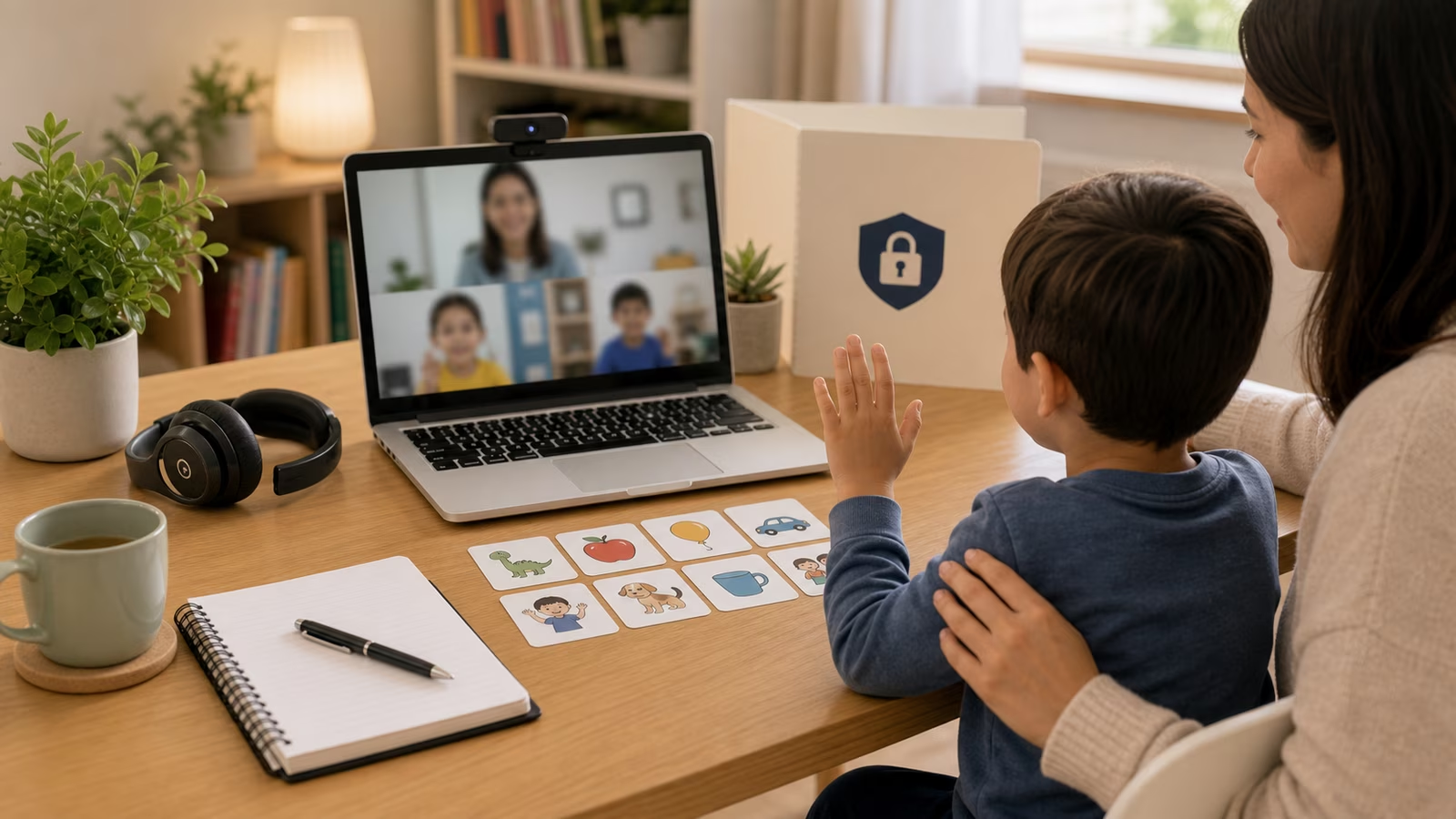
Remote speech therapy can be excellent, awkward, or inappropriate depending on the person, goal, technology, privacy, and support available at home. A video session is not automatically lesser care, but it changes the room. The clinician cannot reach through the screen to adjust materials, hear every subtle sound perfectly, manage a meal safely, or control the background noise. The home partner may become part of the setup whether they expected to or not.
How to observe without over-reading
Good telepractice planning begins before the first activity. Is the internet stable? Can the person hear and see comfortably? Is there a quiet enough space? Does the device show the mouth, hands, materials, AAC system, or writing surface as needed? Is a caregiver available for a young child or a person who needs support? Are there privacy concerns with siblings, roommates, workplace calls, or shared devices? These details shape whether remote care helps or frustrates.
A gentler support routine
The home setup should be simple and repeatable. Keep the same device, charger, headphones if useful, materials, notebook, and seating arrangement ready. Test links early. Put pets, notifications, and extra tabs away when possible. For children, a caregiver may need to help with turn-taking, reinforcement, and materials, but that does not mean the caregiver has to become the therapist. For adults, the plan should respect independence and privacy.
Where professional care fits
Telepractice is a professional service, not just a video chat with speech activities. It should still include informed consent, privacy practices, appropriate goals, progress monitoring, and a decision about whether remote delivery fits the concern. Feeding and swallowing, complex motor needs, hearing access, severe behavior, or medical instability may require in-person or coordinated care. The right question is not “remote or real.” It is “remote for which goal, under which conditions, with which safeguards?”
Plain-language map
- Telepractice is remote service delivery using telecommunications technology.
- It can be useful when clinically appropriate, but the clinician must consider technology, privacy, licensure, assessment fit, and support needs.
- A local browser practice tool is not the same as telepractice.
Common misconceptions
- A video call is automatically equivalent to in-person care for every goal.
- Any provider can serve any location without checking requirements.
- Remote speech recognition tools provide clinical measurement.
What to observe or document
- Device, internet, camera, microphone, privacy, caregiver availability, attention, safety, hearing access, and fatigue.
- Whether the task requires hands-on support or special equipment.
- How progress, home practice, and privacy will be documented.
A useful telepractice note might say: “The child attended well with toys at the table, lost focus when the laptop moved, and needed a caregiver to handle turn-taking. The adult preferred headphones and written keywords.” That information helps decide whether remote therapy needs a different setup, more partner support, or a different delivery model.
For children and minors, avoid storing names, birth dates, school names, diagnoses, recordings, or sensitive personal details in casual tools.
Keep the goal visible
Keep Telepractice and Remote Speech Therapy: What to Check grounded in the person’s own priorities. The most important outcome may be being understood at breakfast, joining a classroom, managing a phone call, refusing safely, telling a story, or asking for help; the measure should follow that lived purpose.
Questions to ask an SLP, school, or clinician
- Is the clinician licensed or otherwise allowed to serve the client location?
- What platform, privacy practices, and emergency plan are used?
- What should happen if technology prevents a valid session?
Limits and professional care
Speech Genie and the pages in this section cannot determine whether someone has a disorder, cannot rule out hearing or medical concerns, and cannot replace a professional evaluation. For concerns about speech, language, voice, fluency, swallowing, development, hearing, regression, sudden change, choking, or safety, bring the concern to qualified local services.
For Telepractice and Remote Speech Therapy: What to Check, use the Speech Therapy hub and Home Practice Without Pressure as next steps; treat Speech Genie transcript differences as practice notes, not clinical findings.