This guide helps you decide how to describe social communication needs without reducing communication to one narrow style. It is educational background, not a diagnostic assessment, treatment plan, or substitute for a licensed speech-language pathologist, physician, audiologist, school evaluation team, or other qualified professional. See Social Communication Disorder for the professional reference behind this topic.
What this can look like in real life
Social communication is not about making every person act the same. It is about how meaning moves between people: taking turns, reading context, repairing misunderstandings, shifting language for the listener, understanding implied meaning, and using communication to belong without being forced into a single social style. Some people are direct, quiet, scripted, intense, literal, or more comfortable with written communication. Difference alone is not disorder.
How to observe without over-reading
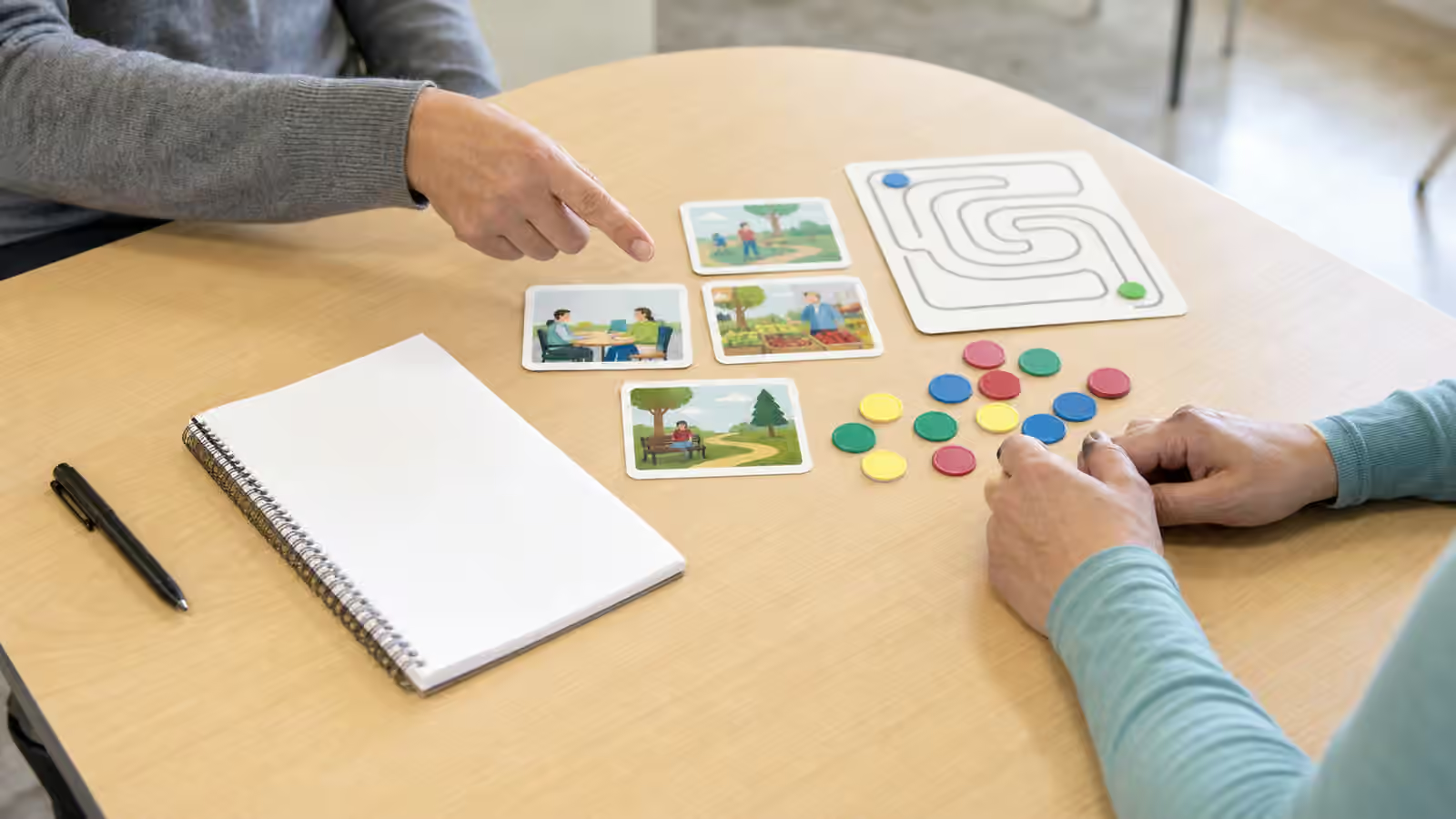
The useful question is whether communication differences are creating distress, exclusion, safety problems, school or work barriers, or repeated misunderstandings the person wants help navigating. Notice the setting. A child may talk easily with one friend but freeze in a group. A teenager may understand rules literally but miss hidden expectations. An adult may be competent at work tasks but drained by meetings full of implication and interruption. Context matters more than a generic social checklist.
A gentler support routine
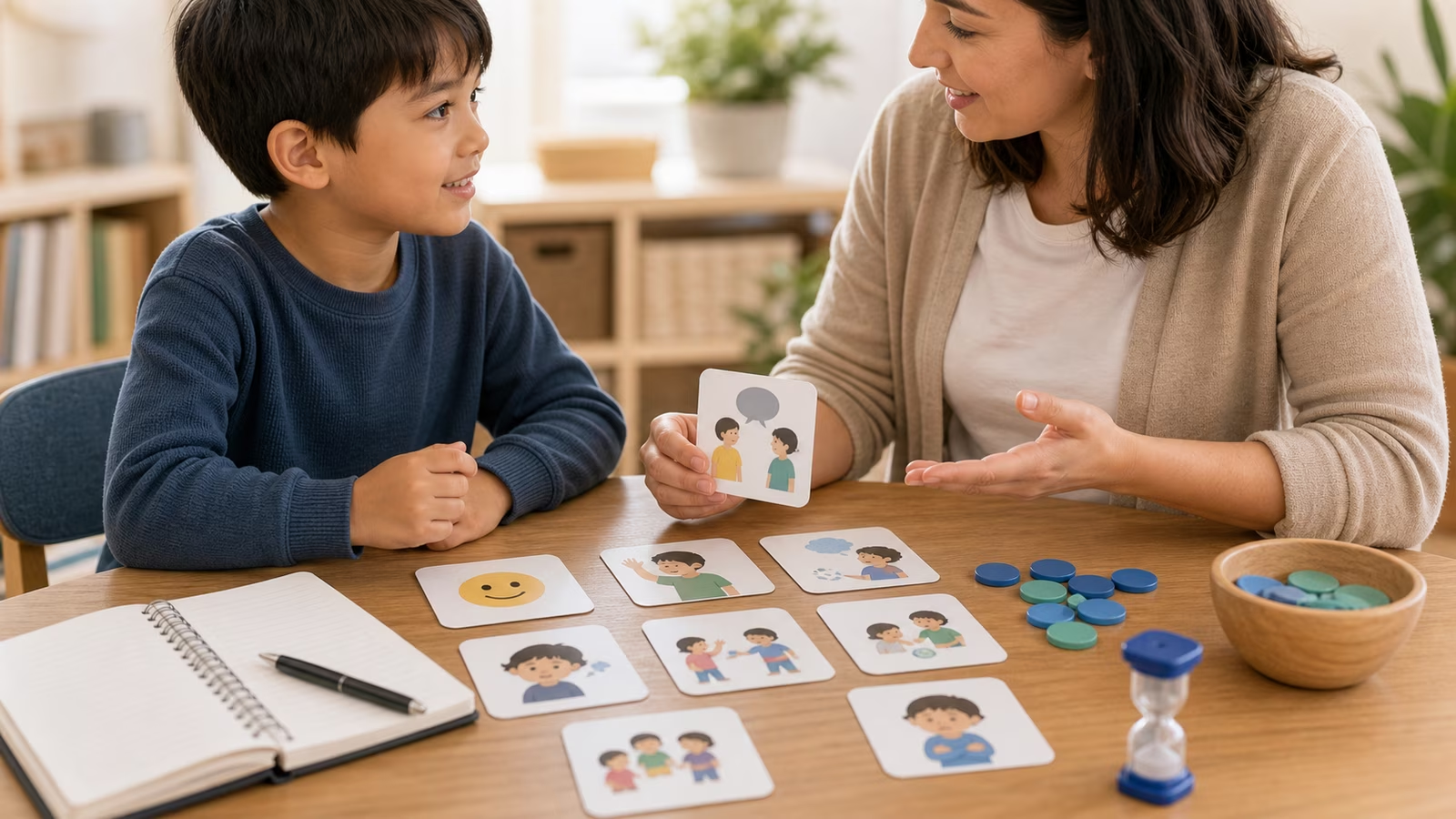
Support should not become masking school. Instead of teaching someone to pretend, teach explicit options: how to ask for clarification, how to leave a conversation kindly, how to say no, how to repair when someone misunderstood, how to explain a sensory need, how to use scripts that feel authentic, and how to spot unsafe pressure. The goal is participation with dignity, not a polished performance for other people’s comfort.
Where professional care fits
An SLP, psychologist, school team, or other professional may help when social communication questions overlap with autism, ADHD, language disorder, anxiety, brain injury, hearing differences, or trauma. Good support includes the person’s own goals. If the target is only “look more typical,” ask harder questions. Communication care should make life more navigable for the person receiving support, not just more convenient for observers.
Plain-language map
- Pragmatics is how communication works in context: purpose, partner, repair, turn-taking, topic, and setting.
- Social communication support should respect disabled and neurodivergent communication, not force masking as the goal.
- A useful plan asks what helps participation, understanding, autonomy, and relationships.
Common misconceptions
- Eye contact is the main measure of communication.
- A person who communicates differently is choosing to be rude.
- Social communication work should train everyone into the same style.
What to observe or document
- How the person starts, maintains, repairs, and ends communication in different settings.
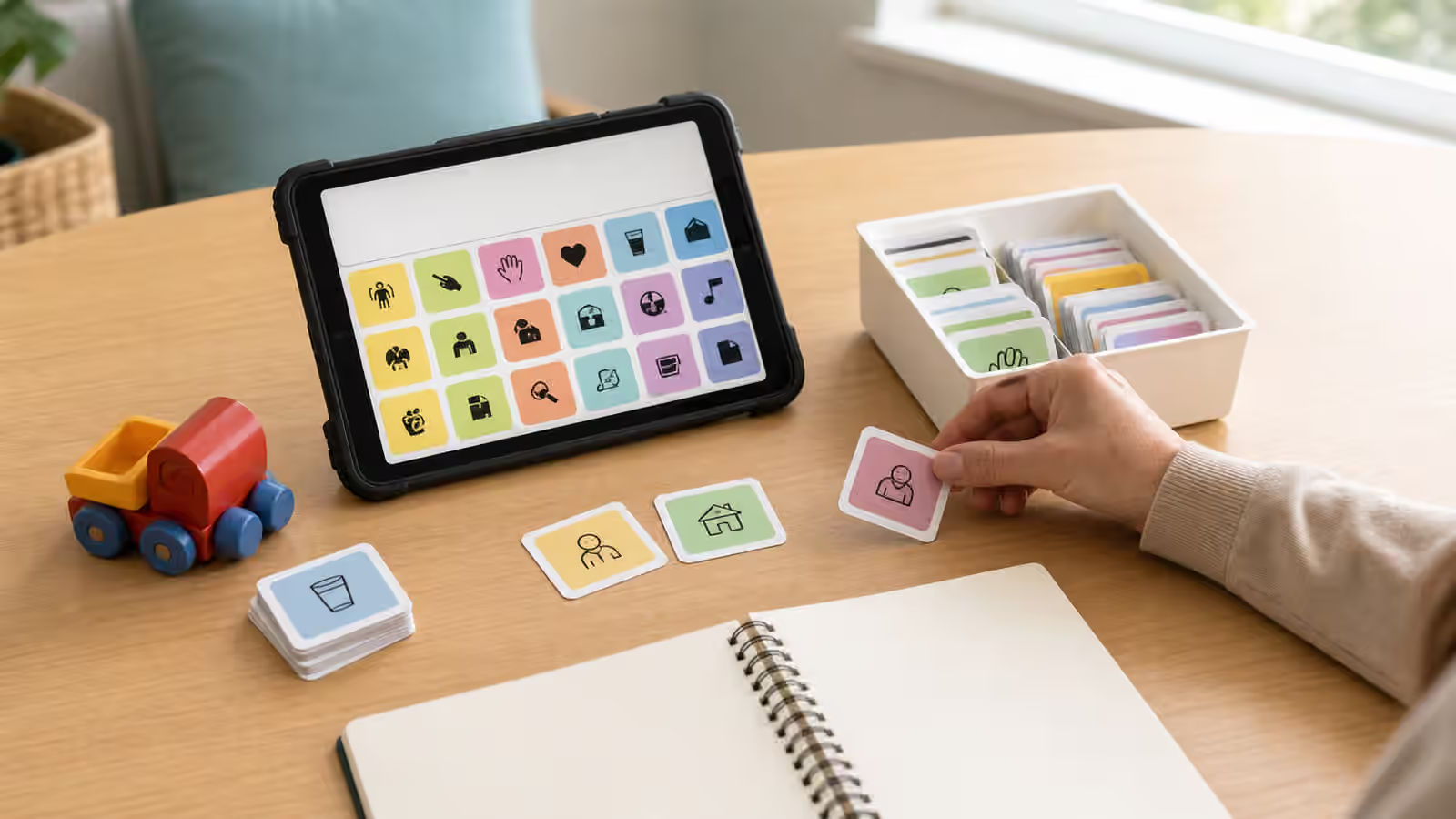
- Which supports reduce breakdowns: visual schedules, scripts, explicit expectations, AAC, partner education, or sensory accommodations.
- Whether the difficulty is with language, anxiety, sensory load, hearing, cognition, or partner assumptions.
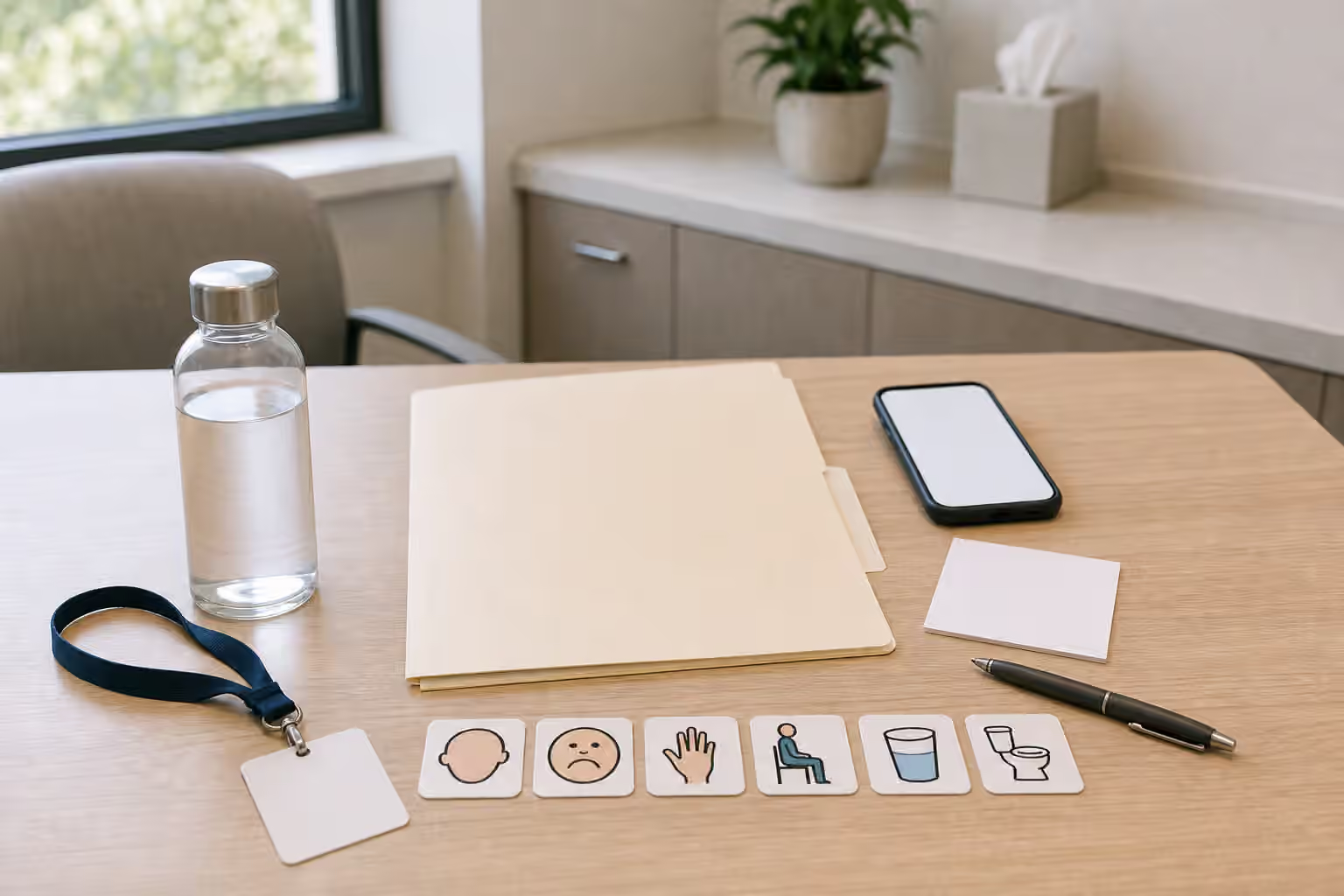
A useful note might say: “She handles direct questions well but struggles when classmates hint, tease, or change plans quickly. He wants friends but leaves group projects when rules are unspoken.” That kind of note avoids turning personality into pathology. It shows where explicit support could make participation easier.
For children and minors, avoid storing names, birth dates, school names, diagnoses, recordings, or sensitive personal details in casual tools.
Keep the goal visible
The next conversation about Social Communication and Pragmatics Basics can be more productive when it includes both the goal and the limit. Ask which possibilities should be assessed, what support can start now, and what signs would make a hearing, medical, school, or specialist referral more important.
Track participation without turning every interaction into a score. A useful note might describe the setting, the shared activity, the repair attempt, and whether the person had a comfortable way to join or leave the exchange.
Questions to ask an SLP, school, or clinician
- What does successful communication mean for this person in this setting?
- Which partner behaviors make communication easier or harder?
- How can goals support self-advocacy and access?
Limits and professional care
Speech Genie and the pages in this section cannot determine whether someone has a disorder, cannot rule out hearing or medical concerns, and cannot replace a professional evaluation. For concerns about speech, language, voice, fluency, swallowing, development, hearing, regression, sudden change, choking, or safety, bring the concern to qualified local services.
For Social Communication and Pragmatics Basics, use the Speech Therapy hub and Home Practice Without Pressure as next steps; treat Speech Genie transcript differences as practice notes, not clinical findings.