This guide explains why communication planning can matter early in progressive neurologic conditions that may affect speech, voice, language, cognition, swallowing, or fatigue. It is educational background, not a diagnosis, prognosis, device recommendation, exercise plan, or substitute for a licensed speech-language pathologist, neurologist, physician, audiologist, dietitian, occupational therapist, or other qualified professional. See Dementia for the professional reference behind this topic.
Progressive conditions vary widely. Some people experience changes in loudness, articulation, rate, breath support, word finding, memory, swallowing, writing, hand control, facial movement, or stamina. Some changes are slow. Some are uneven. Some people keep speech as their main communication for years, while others need backup routes sooner. A static page cannot predict that path. It can explain why waiting until communication fails is often harder than planning while the person still has energy and choices.
What this can look like in real life
An adult with a new neurologic diagnosis may still sound clear to familiar listeners, but phone calls have become tiring. A person with Parkinsonian speech changes may be told to “speak up” all day and feel blamed for a voice that does not carry. Someone with a motor neuron condition may know that speech is changing and want to preserve personal messages before typing becomes harder. A person with multiple sclerosis or another neurologic condition may have speech that changes with fatigue, heat, medication timing, or illness. A family may not know whether to focus on exercises, devices, partner training, or simply getting through the week.
The emotional side is real. Communication planning can feel like admitting decline before the person is ready. It can also be an act of control. Planning early does not mean giving up on speech. It means protecting the person’s ability to say what matters if speech becomes less reliable.
Planning before crisis preserves choices
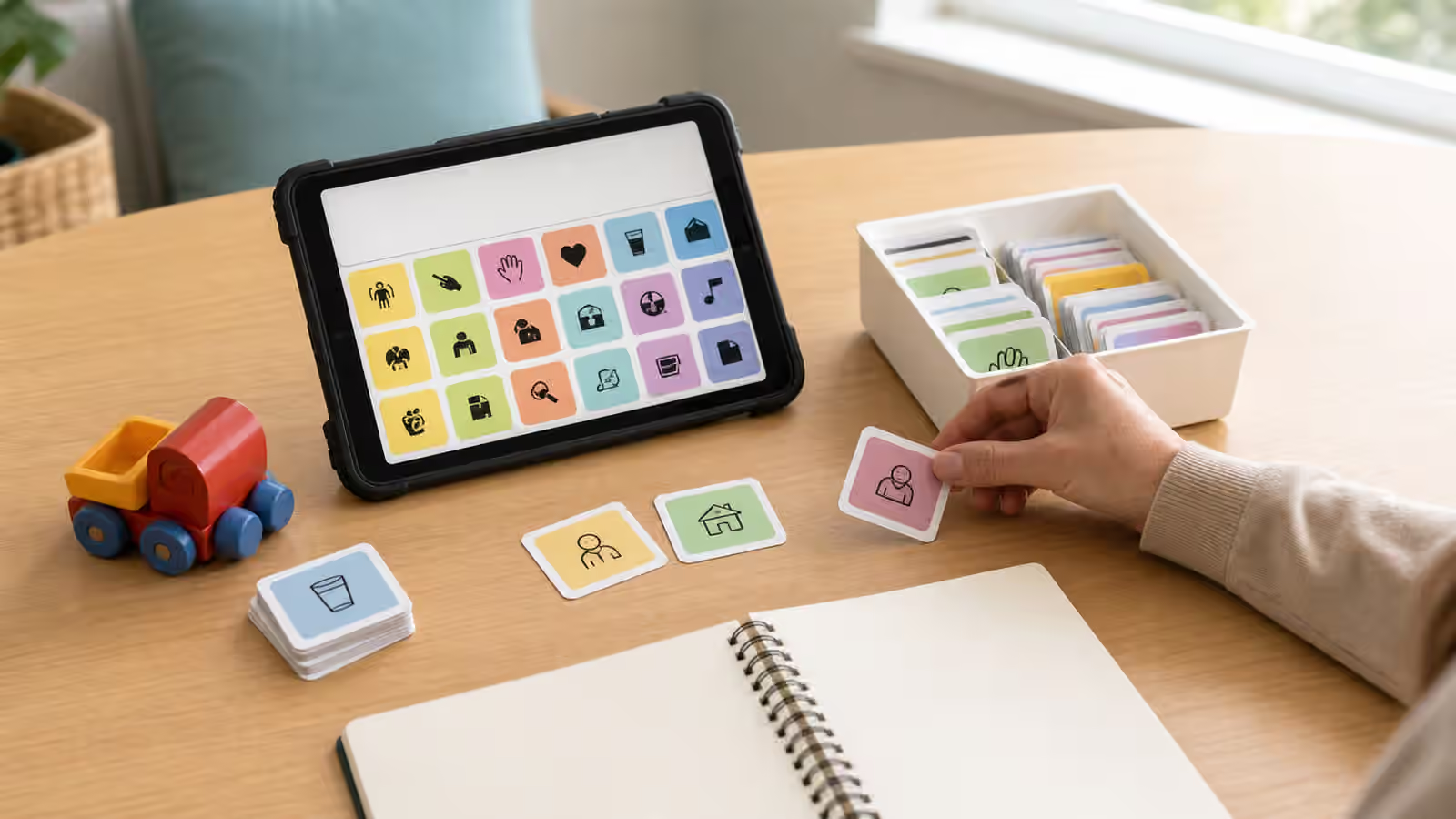
Backup communication is easier to learn while the person can still compare options, express preferences, and practice without emergency pressure. A backup may be as simple as a notebook, alphabet board, topic board, saved phone phrases, voice amplifier, text-to-speech app, gesture system, partner-assisted scanning routine, or printed emergency card. Some people may consider message banking or voice banking with professional guidance, especially if speech is expected to change. The details depend on the person, the condition, access needs, local services, and available technology.
The AAC Basics guide explains why adding communication modes is not a failure of speech. It gives the person more routes into conversation. For progressive conditions, that principle is especially important because the useful route may change over time. Speech, writing, gesture, facial expression, partner scanning, typing, and speech-generating technology can all belong in the same plan.
A plan should include ordinary messages, not only emergencies. People need ways to greet friends, tell stories, disagree, joke, ask for privacy, talk about symptoms, make choices, participate in work, and direct their own care. If the backup only says “yes,” “no,” and “help,” it may be useful in a crisis but too narrow for daily life.
Speech and voice support should match the reason
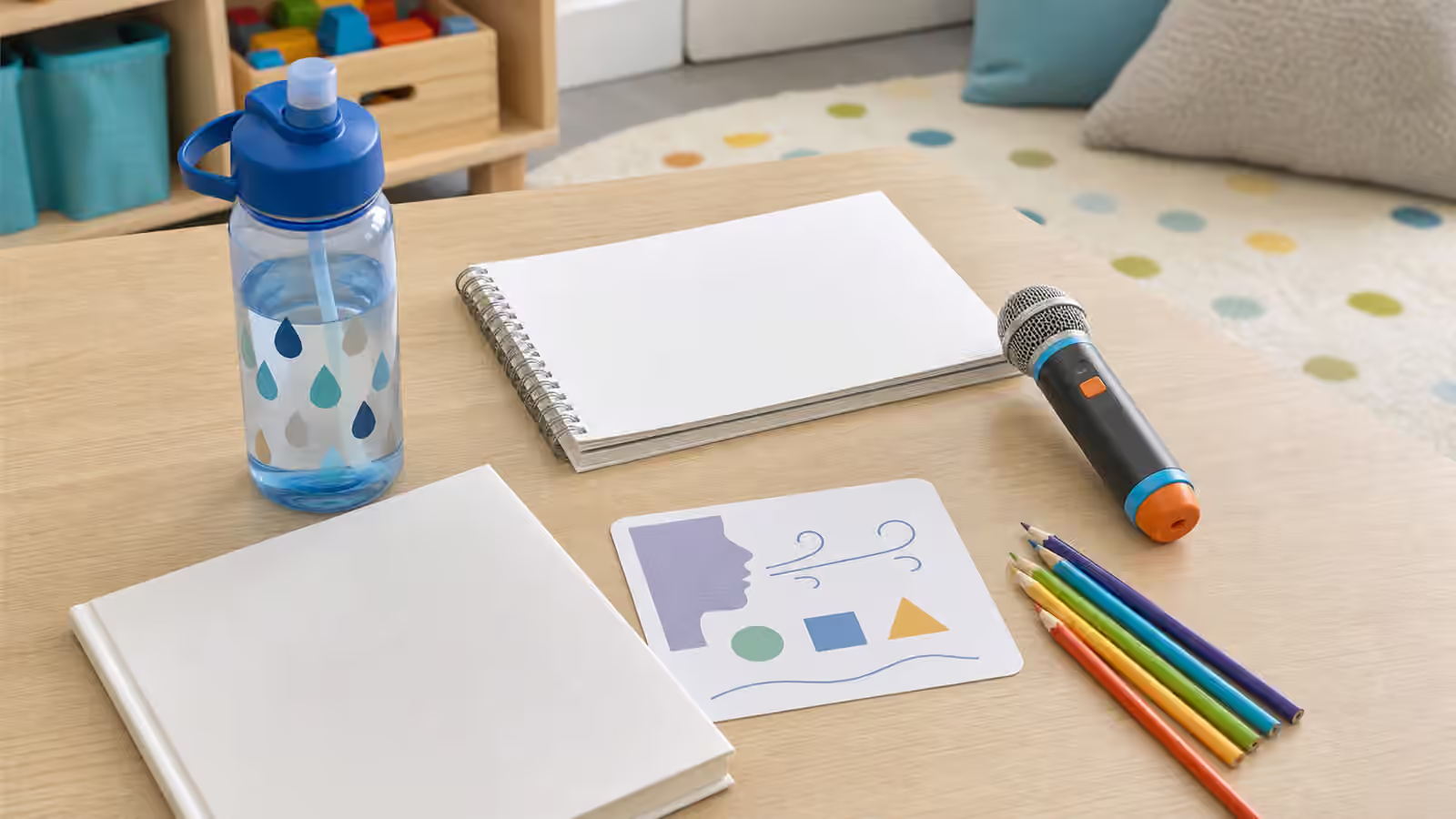
Some people benefit from direct speech or voice therapy, but the approach should match the underlying change and medical context. Loudness, articulation precision, respiratory support, pacing, resonance, prosody, and fatigue are not the same target. A strategy that helps one person may not help another. This is why evaluation matters. A qualified SLP can look at how the speech system is changing, how the person communicates in daily routines, and which supports are realistic.
The Dysarthria and Motor Speech Clarity guide is a useful companion when speech sounds less clear, quieter, strained, or less coordinated. It also explains why practice should connect to personally important messages. Repeating random syllables may have a place in some therapy plans, but participation usually depends on names, medical phrases, work language, family stories, safety needs, and repair strategies.
Voice support may also involve medical questions. Sudden voice change, swallowing concern, breathing difficulty, or rapid decline should be brought to qualified care. Speech-language support is part of a broader team, not a replacement for medical evaluation.
Partners need training before habits harden
Progressive communication changes affect everyone in the conversation. Partners may start guessing too quickly, finishing sentences, asking too many yes-or-no questions, speaking louder instead of listening better, or avoiding difficult topics because communication takes longer. Those behaviors may come from love, fear, or exhaustion, but they can reduce the person’s control.
Partner training can make support more respectful. A partner can learn to wait longer, confirm what was understood, offer choices without trapping the person, use the backup system before frustration peaks, keep communication tools within reach, and ask before speaking for the person. The Communication Partner Training guide covers this shared responsibility. In progressive conditions, partner training may need to happen repeatedly as access changes.
Care facilities, workplaces, clinics, and extended family may also need simple instructions. A communication card or one-page support note can explain how the person says yes and no, what helps speech clarity, what backup tools are used, how to confirm a message, and what not to do. That note should be written with the person’s consent and updated when it stops fitting.
Swallowing and cognition may belong in the same conversation
Some progressive conditions affect swallowing, memory, attention, planning, or language as well as speech. Those changes should not be treated as side issues if they affect safety and participation. The Feeding and Swallowing: What Belongs in Professional Care page explains why coughing, choking, texture changes, and meal fatigue need qualified guidance. The Dementia and Progressive Communication Support guide may be relevant when memory, orientation, or shared routines become part of the communication plan.
A practical team might include neurology, speech-language pathology, primary care, audiology, occupational therapy, physical therapy, dietetics, respiratory care, social work, mental health support, and family or paid caregivers. Not every person needs every professional. The point is that communication cannot be separated from fatigue, movement, hearing, swallowing, cognition, transportation, privacy, and the person’s goals.
A useful first planning conversation
A good first conversation with an SLP can be concrete. The person might explain which communication moments matter most: phone calls, medical decisions, work meetings, talking with grandchildren, prayer, storytelling, jokes, texting, or directing care. The clinician can ask what is easy now, what is getting harder, what tools the person already uses, what motor access is reliable, what languages are needed, and which partners need training.
The plan should also name when to return. Progressive conditions change, and support that works now may not work later. Return points might involve increased fatigue, reduced intelligibility, new swallowing symptoms, hand access changes, device abandonment, partner confusion, or the person avoiding communication. The Therapy Discharge, Maintenance, and Returning When Needs Change guide can help families think about reentry without treating it as failure.
Communication planning is not only technical. It protects identity. A person should have ways to say the names they care about, refuse unwanted help, share preferences, speak privately, and keep humor alive. When support begins early enough, the person can shape the tools instead of being handed a system after everyone else has decided what counts as communication.