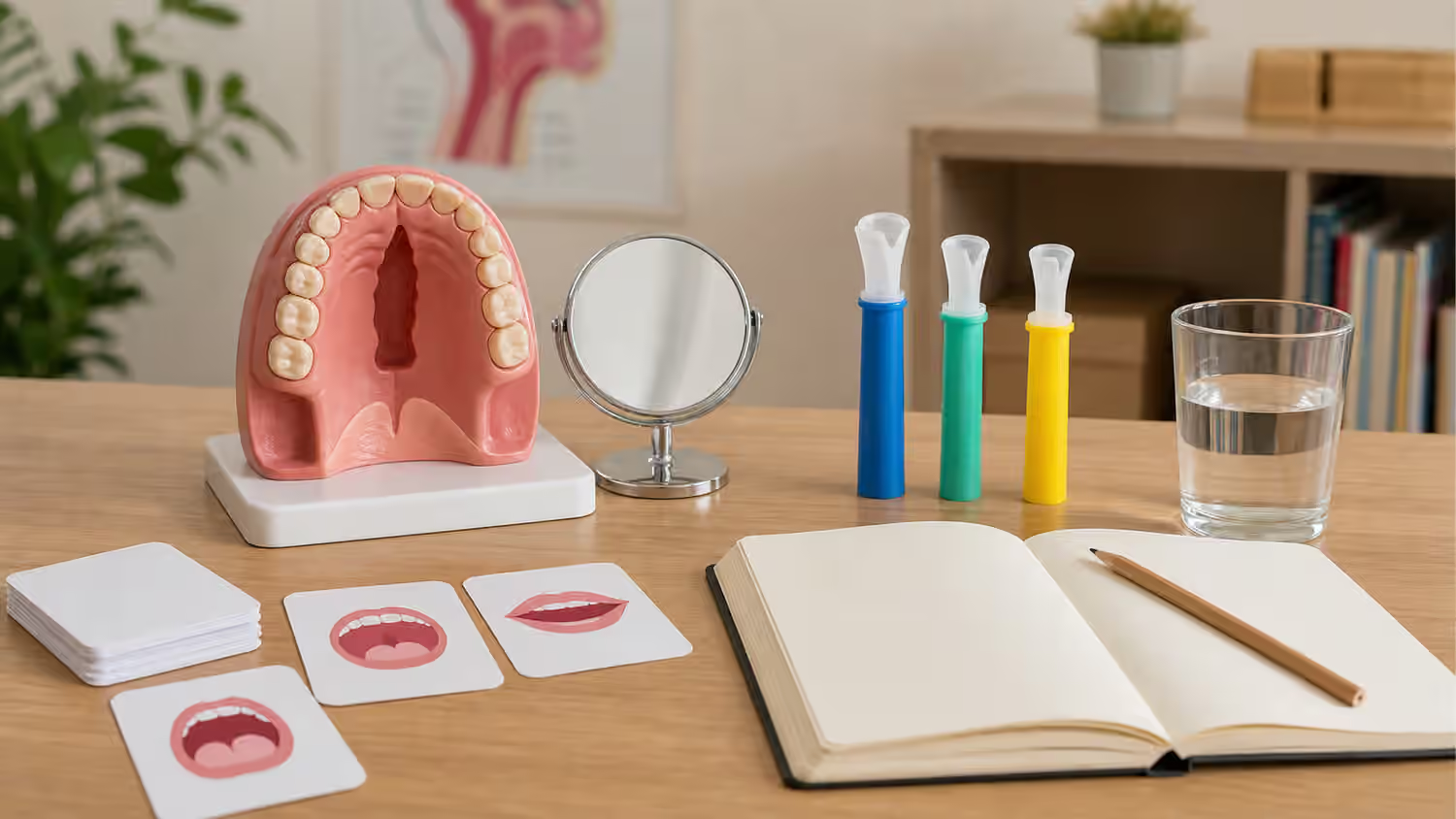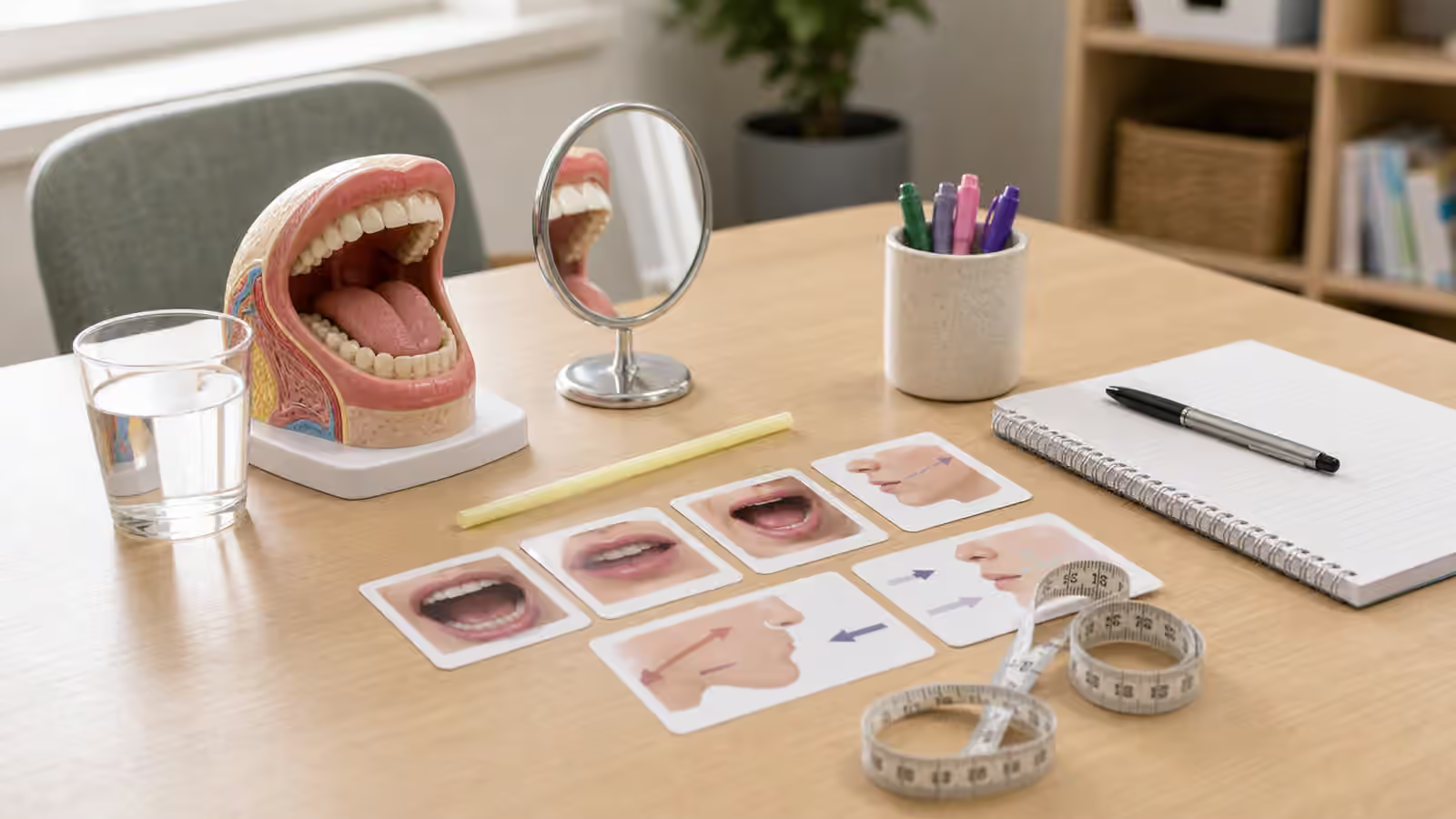
This guide helps readers approach orofacial myofunctional questions with caution. It is educational background, not a diagnosis, exercise plan, dental plan, orthodontic advice, medical advice, airway evaluation, feeding plan, or substitute for a licensed speech-language pathologist, physician, dentist, orthodontist, otolaryngologist, lactation professional, or other qualified local professional. See Orofacial Myofunctional Disorders for the professional reference behind this topic.
Mouth posture, tongue movement, breathing route, resonance, speech sounds, feeding, dental development, and airway concerns can overlap. That overlap is exactly why casual self-treatment can be risky. A video exercise, a mouth tape trend, or a one-size-fits-all tongue cue cannot sort out anatomy, medical history, dental structure, sleep, allergies, neurology, development, or speech needs.
What people usually notice first
Families and adults may notice an open-mouth resting posture, noisy breathing, drooling beyond the age expected by local professionals, tongue pushing forward during speech or swallowing, difficulty with certain sounds, dental comments about bite or tongue posture, snoring, chronic congestion, messy eating, fatigue, or voice and resonance changes. Sometimes the concern begins with speech. Sometimes it begins at the dentist, orthodontist, pediatrician, feeding appointment, or sleep conversation. The signs can feel connected even when no one has explained how.
The useful response is careful observation, not a leap to a label. A child who rests with an open mouth may have congestion, habit, structural factors, low tone, fatigue, enlarged tissues, allergies, dental issues, or something else entirely. An adult with a change in resonance may need medical attention. A person with feeding difficulty may need a feeding or swallowing evaluation rather than an oral exercise routine. The pattern matters, and the right professional depends on the pattern.
The Voice, Resonance, and When Voice Changes Need Attention guide gives a broader frame for resonance and voice changes. If coughing, choking, texture restriction, weight change, or meal safety is involved, the Feeding and Swallowing guide belongs in the conversation.
Why the team may be larger than one clinician
Orofacial myofunctional concerns often sit between professions. An SLP may evaluate speech sound production, oral movements for speech, resonance, feeding skills within scope, and how function affects communication. A dentist or orthodontist may look at teeth, bite, palate, and oral structures. A physician or otolaryngologist may consider airway, tonsils, adenoids, nasal obstruction, allergies, reflux, sleep, or medical causes. Other professionals may be involved depending on age, feeding, lactation, neurology, or development.
That does not mean every person needs every specialist. It means the plan should match the concern. If speech sounds are the issue, speech evaluation matters. If breathing during sleep is the issue, medical evaluation matters. If dental structure is the issue, dental or orthodontic input matters. If feeding safety is the issue, swallowing and medical care may be urgent. A single exercise plan cannot replace that sorting process.
Families sometimes feel frustrated because each professional sees one part of the picture. A practical way forward is to ask each person what their role is, what they can and cannot answer, and what signs would require referral. This keeps the team honest. It also reduces the risk that a speech concern is treated as purely dental, or a medical concern is treated as a speech habit.
Speech sounds and tongue patterns need context
Tongue placement can matter for speech, especially for sounds that require fine control. Still, speech sound work is not the same thing as judging every mouth movement. A child may lisp for developmental, structural, motor, dental, hearing, language, or learned reasons. An adult may change speech because of dental work, neurological change, fatigue, or injury. A tongue thrust swallow pattern may be discussed by dental professionals, but that does not automatically explain every speech sound difference.
The Articulation and Speech Sounds guide is a better starting point for speech clarity. It helps separate intelligibility, sound development, dialect and accent, phonological patterns, and participation. If a speech target is needed, an SLP can decide whether placement cues, auditory discrimination, motor practice, language context, or other supports fit the person. The target should be chosen because it improves communication, not because a mirror exercise looks tidy.
For children, constant correction can backfire. A child who hears “put your tongue there” all day may become self-conscious without gaining usable speech. Professional therapy may include placement cues, but those cues are chosen carefully and practiced in a way that can travel into words and conversation. Home partners should know exactly what to practice, how often, and when to stop.
Breathing questions deserve medical caution
Open-mouth breathing, snoring, gasping during sleep, chronic congestion, daytime fatigue, and concerns about airway are not speech practice problems. They deserve qualified medical or dental evaluation when they are persistent, severe, changing, or connected to sleep, feeding, growth, behavior, or daily functioning. The internet often turns these concerns into simple explanations and simple products. Real people are more complicated.
Mouth taping, unsupervised appliances, aggressive exercises, or restrictions based on online advice can be unsafe for some people. A person may have nasal obstruction, respiratory disease, sleep-disordered breathing, anxiety, reflux, neurological issues, medication effects, or other factors that need professional care. It is reasonable to bring observations to a clinician. It is not reasonable to assume that a home trend is safe because it is popular.
Observation can stay plain. Note whether the concern happens during sleep, rest, meals, speech, exercise, illness, or certain seasons. Notice whether there is snoring, fatigue, congestion, drooling, coughing, choking, pain, voice change, or sudden change. Notice what professionals have already said about dental, medical, hearing, speech, feeding, or developmental history. Those notes help the right clinician decide what to examine.
Exercises are not neutral
Orofacial exercises may look harmless because they are small. But exercises can be inappropriate when the cause is misunderstood, when the person is too young to perform them meaningfully, when medical issues are unaddressed, when fatigue or pain is present, or when the goal is not connected to function. Practice can also steal attention from more urgent care. A person with swallowing symptoms needs swallowing guidance, not a random tongue workout. A person with new resonance change may need medical evaluation, not a set of mouth drills.
A good plan explains why an exercise exists, what function it supports, how it will be measured, who is responsible, and when the plan should change. It also respects dignity. People should not be asked to perform strange mouth tasks endlessly without understanding the purpose. Children should not be shamed for mouth posture. Adults should not be told that every symptom is their fault. The point of care is function, comfort, communication, safety, and participation.
The Therapy Goals and Progress Notes guide can help readers ask whether a proposed activity is tied to a meaningful goal. If the answer is vague, the plan may need clearer explanation.
A careful next conversation
The first conversation can be simple. Describe what you notice, when it happens, how long it has been present, what has changed, what professionals have already said, and what daily function is affected. Ask which professional should evaluate which part. Ask what should not be tried at home. Ask which signs would make the concern more urgent. If a child is involved, ask how to support communication without making the child feel watched and corrected all day.
Speech Genie and the pages in this section cannot determine whether a person has an orofacial myofunctional disorder, airway concern, dental issue, resonance disorder, speech sound disorder, feeding problem, swallowing disorder, or medical condition. They can help organize observations and encourage caution. In this topic, caution is not fear. It is respect for how many systems meet at the mouth, nose, throat, teeth, voice, and daily communication.