This guide helps you decide how to track development without treating milestones as a pass-fail exam. It is educational background, not a diagnostic assessment, treatment plan, or substitute for a licensed speech-language pathologist, physician, audiologist, school evaluation team, or other qualified professional. See ASHA — Who Are Speech-Language Pathologists? for the professional reference behind this topic.
What this can look like in real life
Milestones are helpful only when they are handled gently. They are guideposts, not verdicts. A checklist can remind a parent to notice gestures, sound play, first words, following directions, pretend play, conversation, and speech clarity. It can also make a family stare at one skill and miss the larger child in front of them. Development has patterns, but it also has temperament, opportunity, language exposure, hearing, health, and everyday variation.
How to observe without over-reading
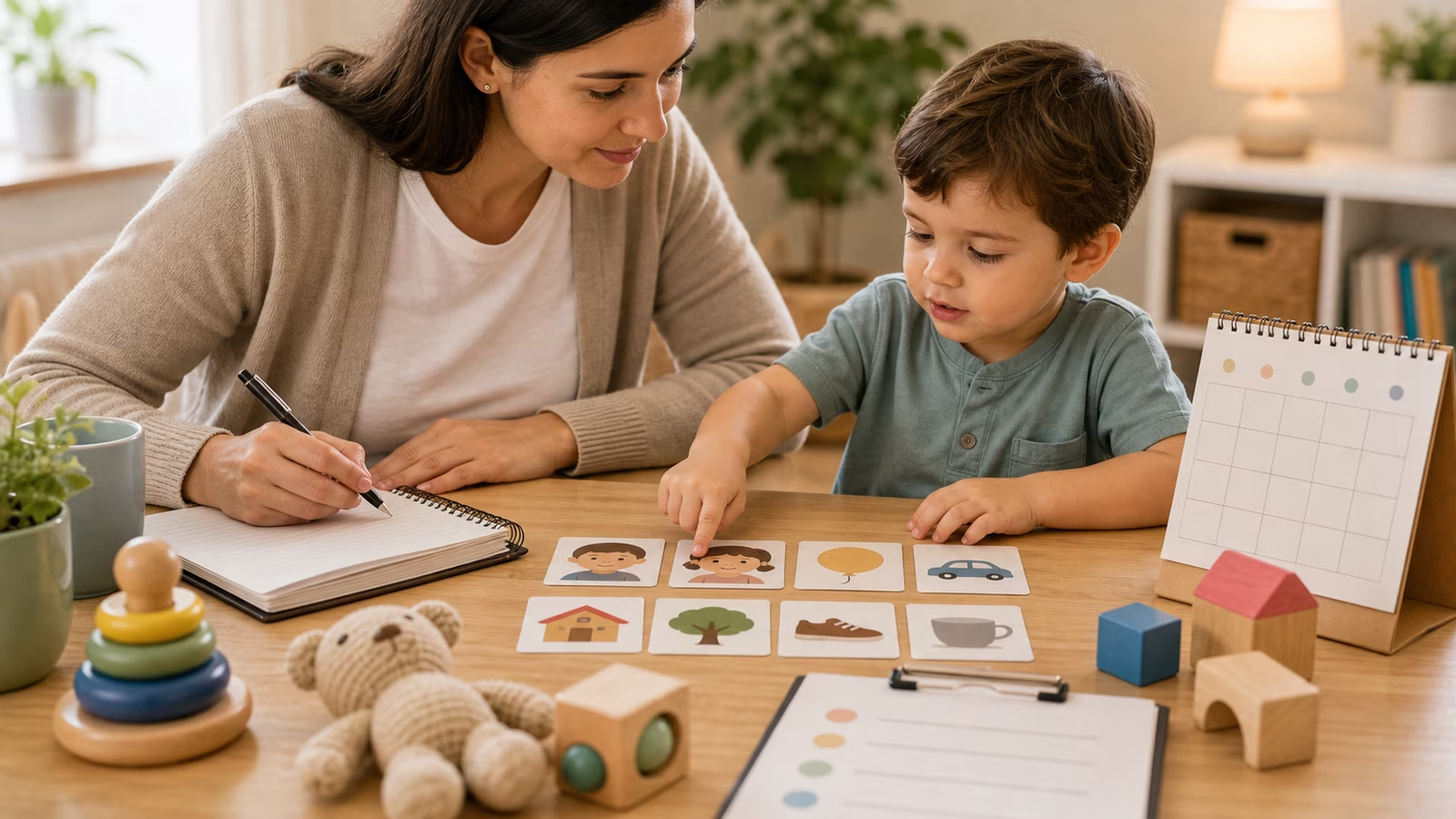
The best milestone note is not “behind” or “fine.” It is a small picture of what the child does across routines. Do they turn toward voices, share attention, imitate, point, bring objects to show, understand familiar words, combine ideas, ask for help, tell simple stories, or play with other people? Which skills appear at home but not school, with one caregiver but not another, in one language but not another? That context keeps a milestone from becoming a label too soon.
A gentler support routine
Families do not need to wait silently while they watch development. They can read, sing, talk during routines, respond to gestures, offer choices, leave space for turns, and make communication rewarding without drilling all day. If a milestone concern is real, warm interaction still matters. If the concern turns out to be ordinary variation, those routines were still good for the child. Supportive language is not a risky intervention.
Where professional care fits
When a child misses many expected skills, loses skills, has hearing concerns, struggles to eat safely, shows limited social communication, or creates persistent worry for caregivers or teachers, it is reasonable to ask for evaluation. Asking does not mean something is wrong forever. It means the adults are gathering better information. A professional can help separate watchful waiting from early support, and that distinction can spare families months of anxious guessing.
Plain-language map
- Milestones describe skills many children show around certain ages; they are not a diagnosis by themselves.
- A missed milestone, loss of skills, caregiver concern, or hearing question is worth discussing with a qualified professional.
- Standardized screening and evaluation are different from reading a milestone chart.
Common misconceptions
- Milestones mean every child should develop in a perfectly fixed order.
- Being multilingual causes disorder.
- A child must fail many milestones before anyone should ask for help.
What to observe or document
- Communication in play, routines, gestures, sounds, words, understanding, pretend play, and interaction.
- Skills that appeared and then faded.
- The languages and communication modes the child uses at home, school, and community settings.
A useful milestone note might say: “He points to request and show, brings books to adults, uses ten words, and understands bath time and shoes. He does not yet combine words, and unfamiliar adults rarely understand him.” That is calmer than a pass-fail checklist. It gives the evaluator a developmental snapshot, including what is working.
For children and minors, avoid storing names, birth dates, school names, diagnoses, recordings, or sensitive personal details in casual tools.
Keep the goal visible
A useful follow-up for Speech and Language Milestones: How to Read Them Carefully is a short before-and-after note. Describe the situation, the support offered, the response, and the next adjustment. That record can guide a family, teacher, or clinician without pretending to replace professional judgment.
Questions to ask an SLP, school, or clinician
- Which milestone source should we use for this age and language context?
- Should we ask for developmental screening, hearing evaluation, early intervention, or school evaluation?
- What should caregivers do this week that is supportive and low pressure?
Limits and professional care
Speech Genie and the pages in this section cannot determine whether someone has a disorder, cannot rule out hearing or medical concerns, and cannot replace a professional evaluation. For concerns about speech, language, voice, fluency, swallowing, development, hearing, regression, sudden change, choking, or safety, bring the concern to qualified local services.
For Speech and Language Milestones: How to Read Them Carefully, use the Speech Therapy hub and Home Practice Without Pressure as next steps; treat Speech Genie transcript differences as practice notes, not clinical findings.