This guide explains communication access during medical appointments for people who use speech, AAC, writing, gestures, interpreters, hearing technology, extra processing time, or partner support. It is educational background, not medical advice, legal advice, privacy advice, diagnosis, treatment planning, or substitute for qualified healthcare, speech-language pathology, audiology, interpreting, or local advocacy support. See Augmentative and Alternative Communication for the professional reference behind this topic.
Appointments can be communication-heavy even when the medical issue is simple. A person may need to describe symptoms, answer fast questions, understand unfamiliar terms, remember instructions, ask about risks, refuse something, explain pain, or correct a misunderstanding. If speech, language, hearing, fluency, cognition, fatigue, anxiety, or motor access changes the conversation, the appointment can become less accurate and less respectful.
What this can look like in real life
An adult with aphasia may know what hurts but need time and written choices to explain it. A teenager who stutters may avoid asking a question because the clinician is already reaching for the door. A person who uses AAC may have a device on the tray table but no one waits for the message. An older adult with hearing aids may nod through instructions because the room is noisy and the clinician speaks while facing a computer. A person with cognitive-communication changes may understand the visit but lose the sequence of medication changes after leaving.
These are not small inconveniences. Medical care depends on accurate communication. If the person cannot ask, refuse, repair, or confirm, the visit may miss important information. A support person can help, but support should not automatically replace the patient’s own voice. The central question is how to keep the person as involved as possible in the communication that affects their body and daily life.
Preparation should make the visit easier, not perfect
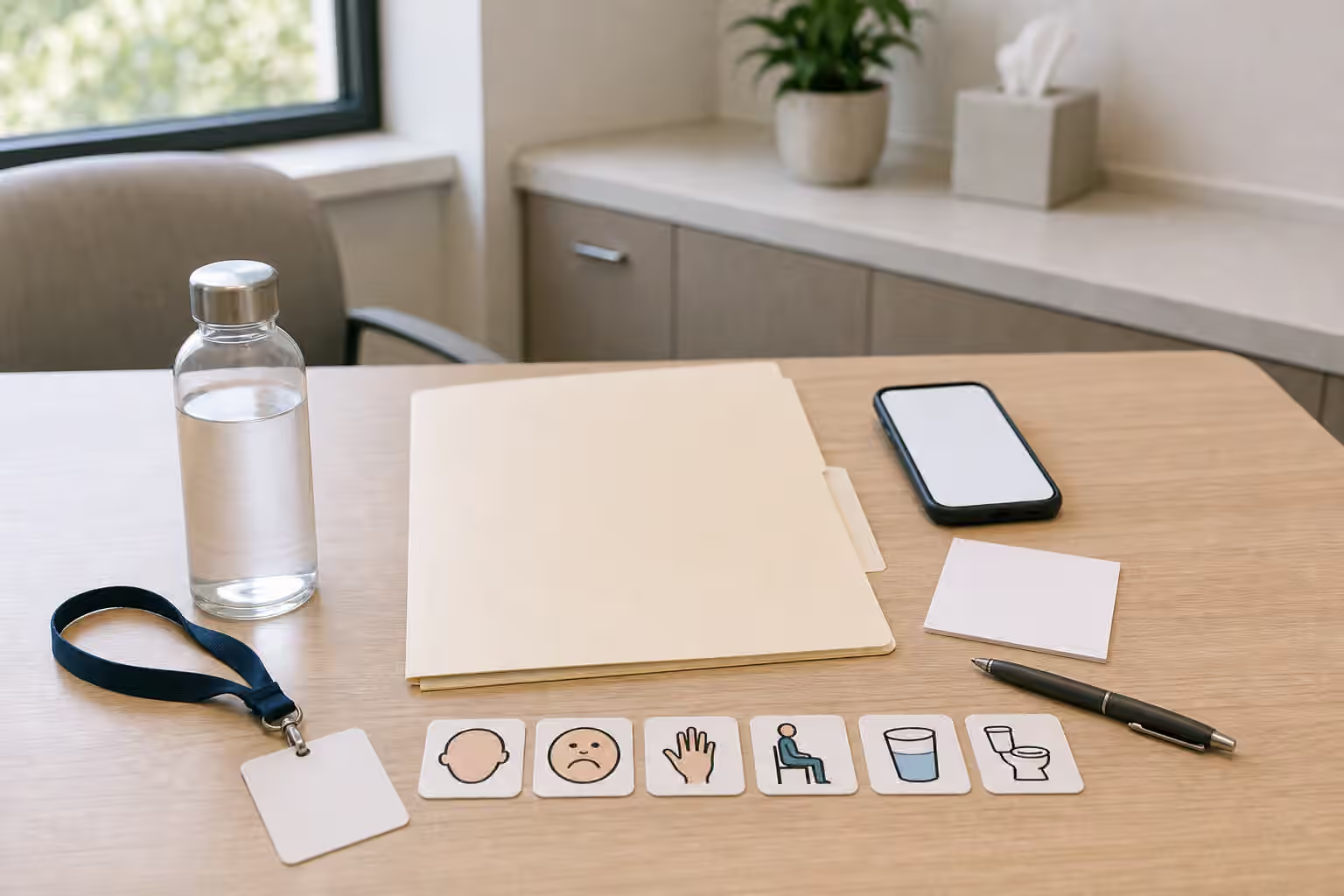
Useful preparation can be brief. Before the appointment, the person or partner can write the main concern in plain language, the most important question, recent changes, current communication supports, and anything that makes conversation harder. The note does not need to be polished. It needs to give the clinician a better starting point when time is short.
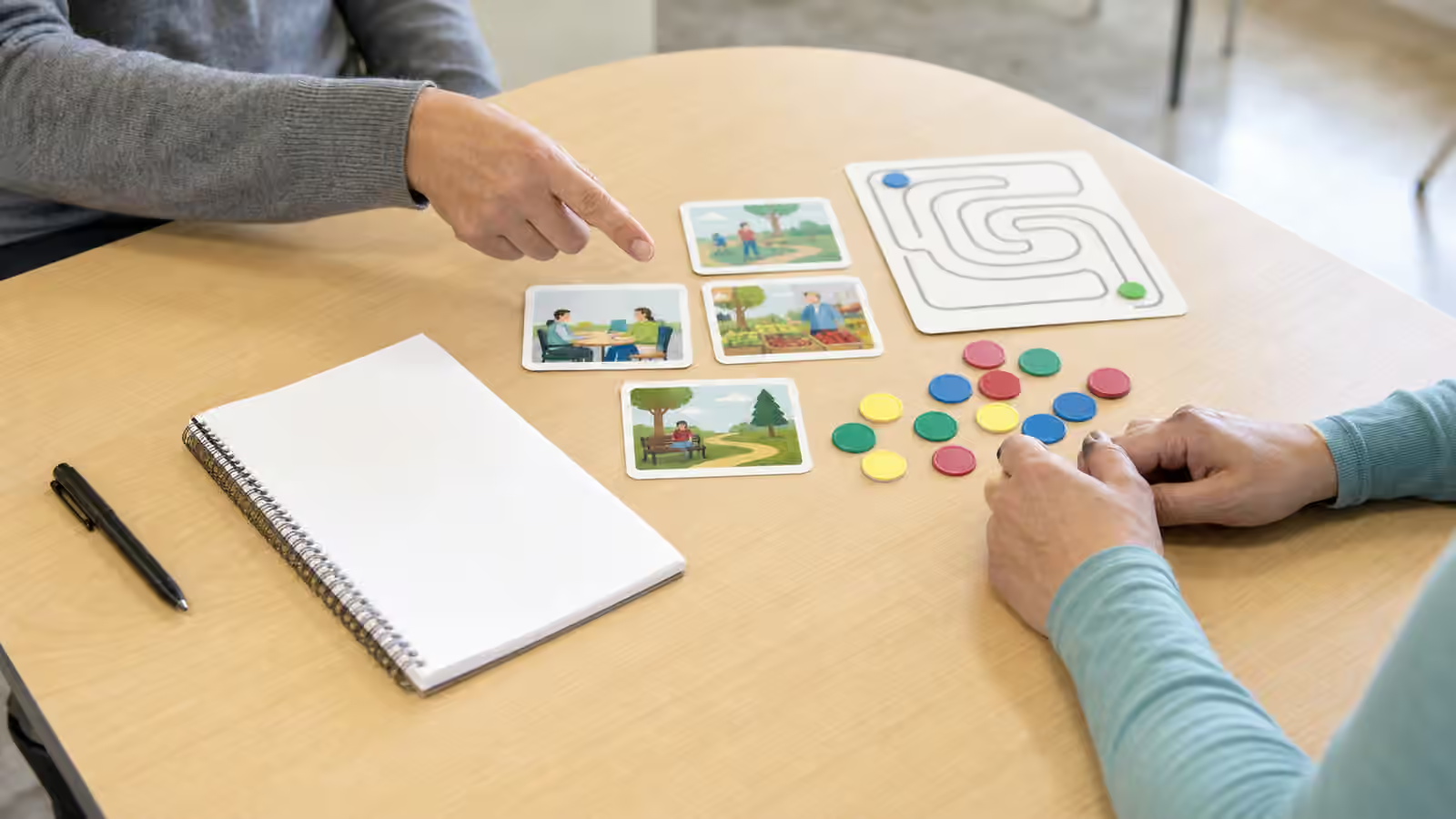
For someone with aphasia, the note might include key words, pictures, a pain scale used with support, or a request for written choices. For someone with dysarthria, it might include a topic board, alphabet board, or saved phone phrases. For someone who stutters, it might include a request for enough time to finish. For someone with hearing access needs, it might include a reminder to face the person, reduce background noise, use captioning when available, or write names and medication changes. For someone with memory or executive function difficulty, it might include a written visit summary and a plan for who will help review it later.
The Communication Repair and Self-Advocacy guide is useful when the person needs reliable ways to signal, “That was not what I meant,” or “Please say that another way.” Repair phrases are not rude. They are part of accurate care.
The room and pacing matter
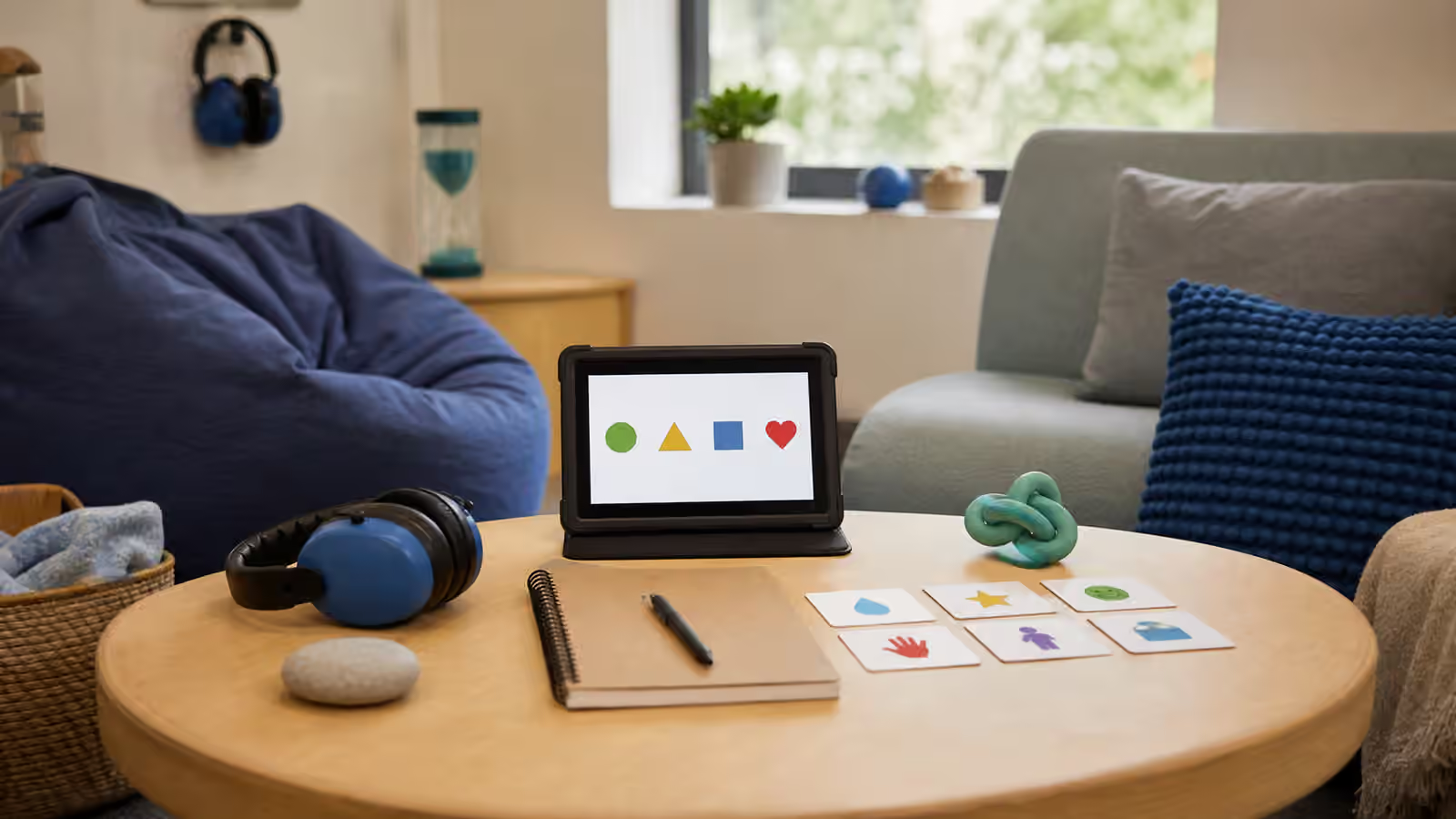
Small environmental changes can make a medical conversation more accessible. The clinician can face the person while speaking, reduce competing noise when possible, pause after questions, write key terms, avoid speaking only to the support person, and check understanding without turning the visit into a quiz. The person may need the AAC device within reach, glasses and hearing technology in place, a quieter room, a chair that supports writing, or permission to record or receive notes when appropriate under local rules and clinic policy.
Pacing matters because medical language is dense. A person may understand ordinary conversation but struggle when symptoms, dates, medication names, body parts, risks, and instructions arrive in a rapid chain. Extra time does not have to mean a long visit. It can mean asking one question at a time, waiting for the answer, and confirming the plan before moving on.
For people who use interpreters, communication access includes both language access and disability access. An interpreter may need to know that the person uses AAC, has aphasia, stutters, or needs written support. The Interpreters in Speech-Language Evaluations guide focuses on evaluations, but the same principle applies here: language should not be filtered through guesses when qualified interpreting is needed.
Support people should help without taking over
A family member, friend, aide, or advocate can be essential. They may bring history, help with transportation, manage paperwork, notice fatigue, or support a communication system. The risk is that the appointment turns into a conversation about the person rather than with the person. Good partner behavior keeps the person in the center.
Before the visit, the person and partner can agree on how help should work. The partner might wait before answering, ask permission to add details, write key words, repeat what the clinician said, or step in only when the person signals. Some people want a partner to explain background at the beginning and then let them answer. Others want the partner to take notes quietly. Preferences can change with fatigue, pain, emotion, or the type of visit.
The Communication Partner Training guide explains why listeners share responsibility. In medical settings, that responsibility includes not mistaking speed for competence and not mistaking slow speech for lack of understanding.
AAC, writing, and visual supports belong in healthcare
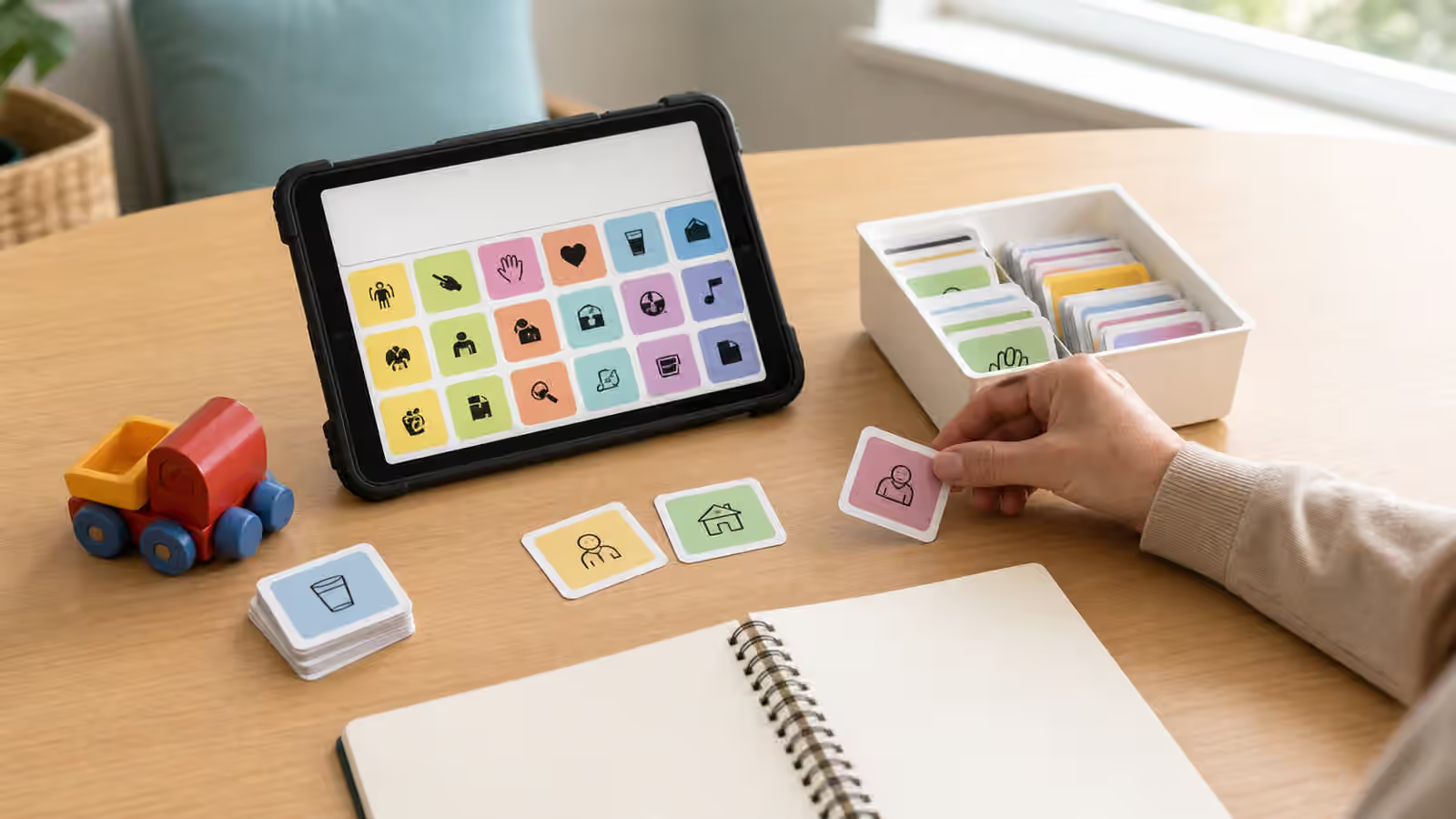
AAC should not disappear at the clinic door. A person may need to use a speech-generating device, communication book, phone, letter board, gesture system, picture cards, or partner scanning during the appointment. The system should include medical messages when appropriate: pain, nausea, breathing, privacy, consent, confusion, body locations, timing, and requests for breaks. It should also include ordinary human messages such as “Wait,” “I disagree,” “Ask me,” and “I need my device.”
The AAC in Daily Routines guide explains why AAC has to travel into real routines. Medical care is one of those routines. The Visual Supports for Communication Access guide can also help when written choices, pictures, calendars, or body diagrams make conversation clearer. Any support that includes personal medical details should be handled carefully and stored according to the person’s privacy preferences.
After the visit is part of the communication plan
Many breakdowns appear after the appointment, when the person tries to remember what changed. A clear exit routine can help. The clinician or partner can review the main plan, write key instructions, confirm follow-up steps, and identify who to contact if symptoms change or instructions are unclear. The person should have a chance to say what they understood and what still feels uncertain.
For cognitive-communication changes after concussion, brain injury, stroke, or illness, the after-visit plan may matter as much as the visit itself. The Cognitive-Communication After Concussion and Brain Injury and Aphasia Communication Support pages can help families think about how language, memory, attention, fatigue, and repair affect follow-through.
Medical appointment access is not a favor. It is a practical condition for safer, more accurate care. The best sign of a better visit is not that the person sounded fluent, fast, or easy for the clinic. It is that the person had a real chance to understand, ask, refuse, repair, and leave with the next step clear enough to use.