This guide helps you decide which part of language is hard and what examples help a professional see the pattern. It is educational background, not a diagnostic assessment, treatment plan, or substitute for a licensed speech-language pathologist, physician, audiologist, school evaluation team, or other qualified professional. See Spoken Language Disorders for the professional reference behind this topic.
What this can look like in real life
Language development is bigger than first words. It includes understanding, gesture, play, turn-taking, vocabulary, grammar, storytelling, questions, social use, and the ability to repair confusion. A child may talk a lot but struggle to understand directions. Another may understand more than they can say. An adult may use fluent sentences while losing precision after fatigue, illness, injury, or stress. The surface amount of talking is only one clue.
How to observe without over-reading
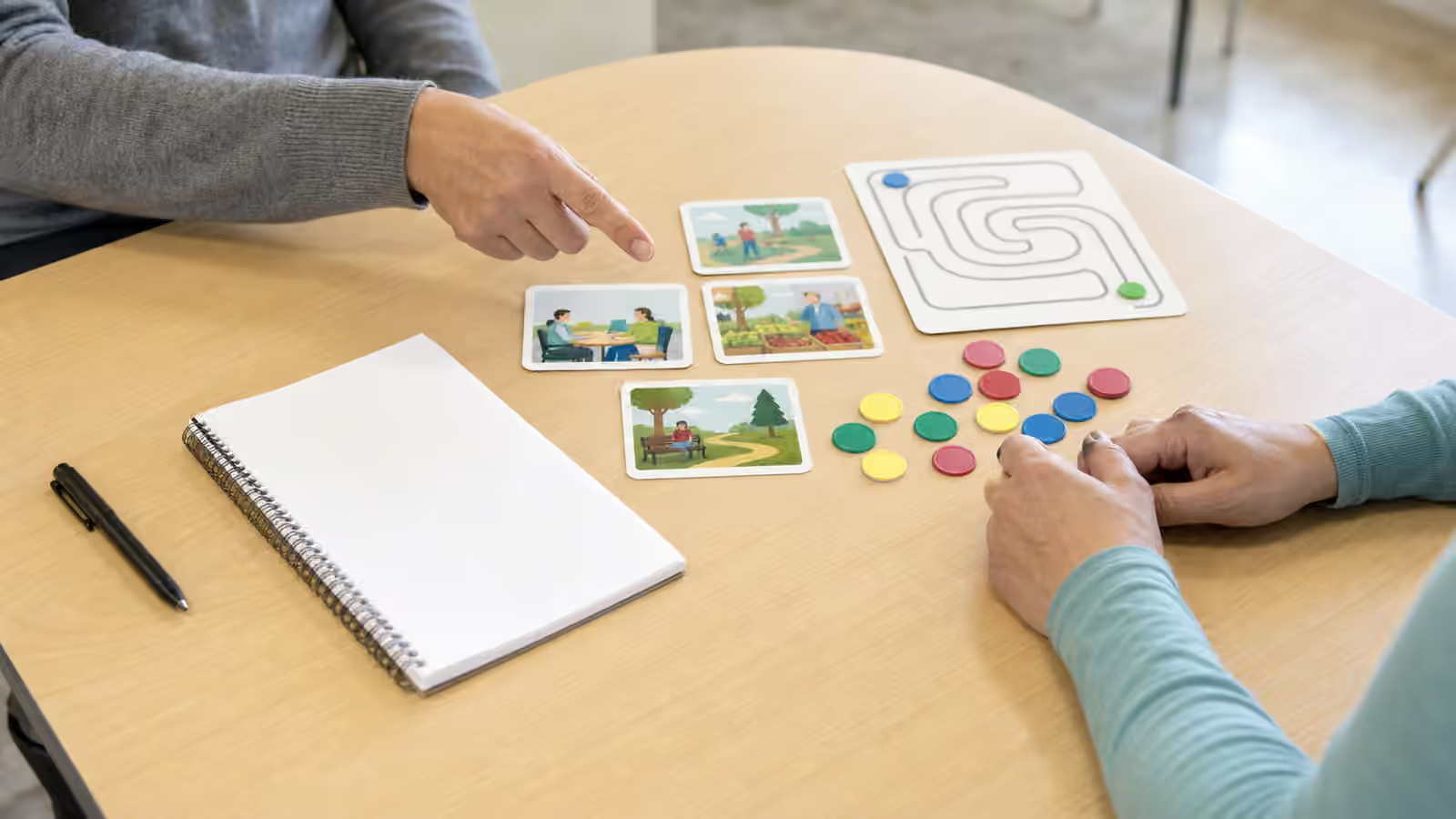
Strong observation follows meaning. Notice what the person tries to communicate, which partners understand, which routines help, and where the breakdown happens. Does the child point, show, imitate, pretend, combine words, answer questions, follow stories, or use language for reasons beyond requesting? Does the adult lose words, miss implied meaning, repeat themselves, or have trouble organizing a story? These are practical details a clinician can actually use.
A gentler support routine
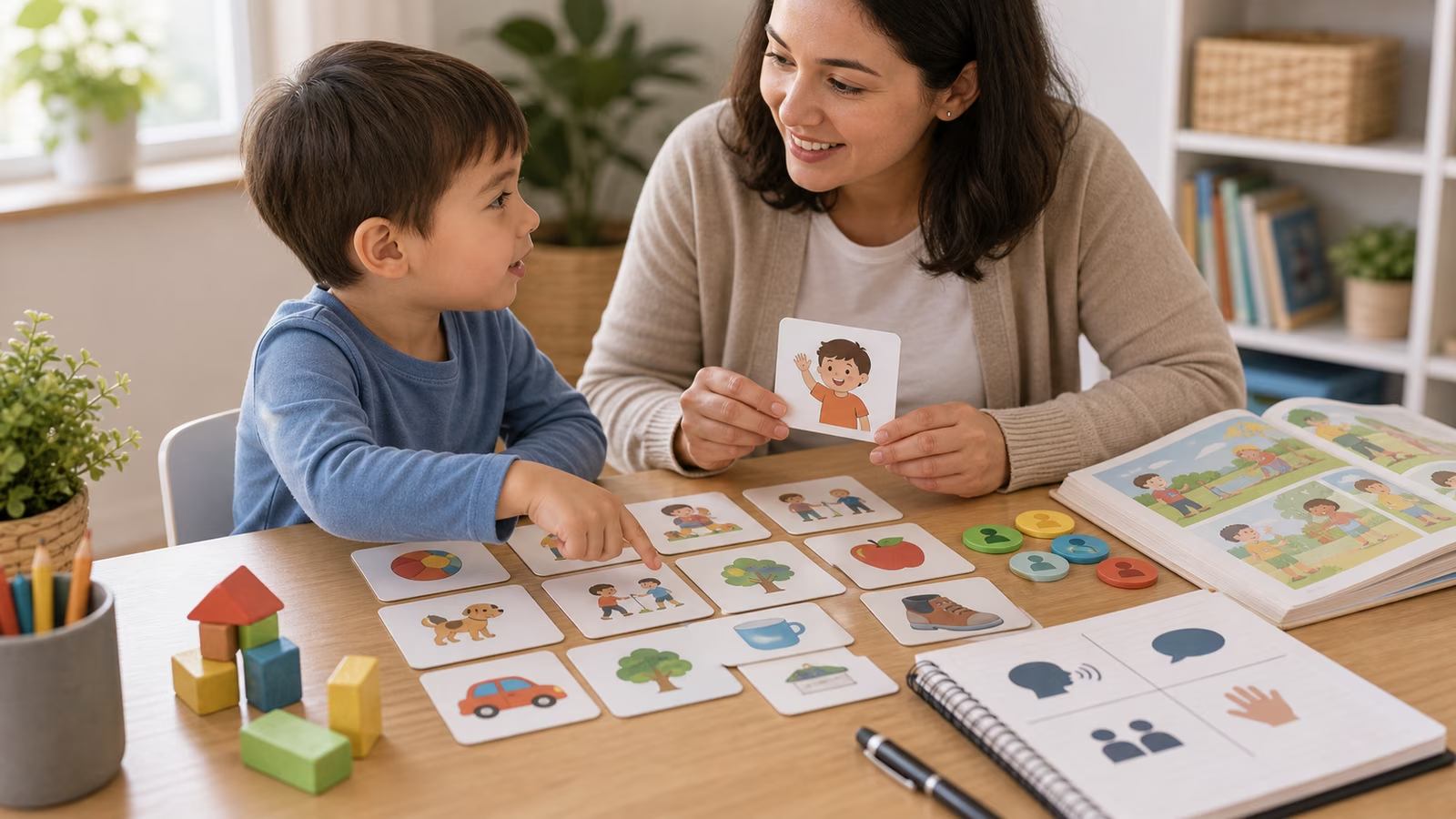
Everyday language support should be generous and natural. Narrate what is happening, wait for a response, expand what the person says, offer choices, read familiar books, revisit shared memories, and let conversation breathe. For children, play is not a break from language; it is one of language’s main workplaces. For adults, meaningful topics matter. Practice that never reaches real conversation can become tidy but irrelevant.
Where professional care fits
An SLP can help decide whether language concerns fit typical variation, limited exposure, hearing access, developmental language disorder, autism-related communication differences, cognitive-communication changes, aphasia, or another profile. The right next step depends on age, history, languages used, school or work demands, and daily participation. Bring examples from real settings, not just a list of missed words. Language is easiest to understand when it is connected to life.
Plain-language map
- Receptive language is understanding. Expressive language is communicating ideas outward.
- Pragmatics is social use of language, including turn-taking, repair, audience, context, and flexible communication.
- Language also connects to literacy, learning, memory, attention, and problem solving.
Common misconceptions
- A large vocabulary proves language is fine.
- A quiet child does not understand, or a talkative child understands everything.
- Pragmatic differences should be judged by one narrow social style.
What to observe or document
- Following directions, answering questions, explaining events, telling stories, repairing breakdowns, and understanding classroom or workplace language.
- Differences between familiar routines and new situations.
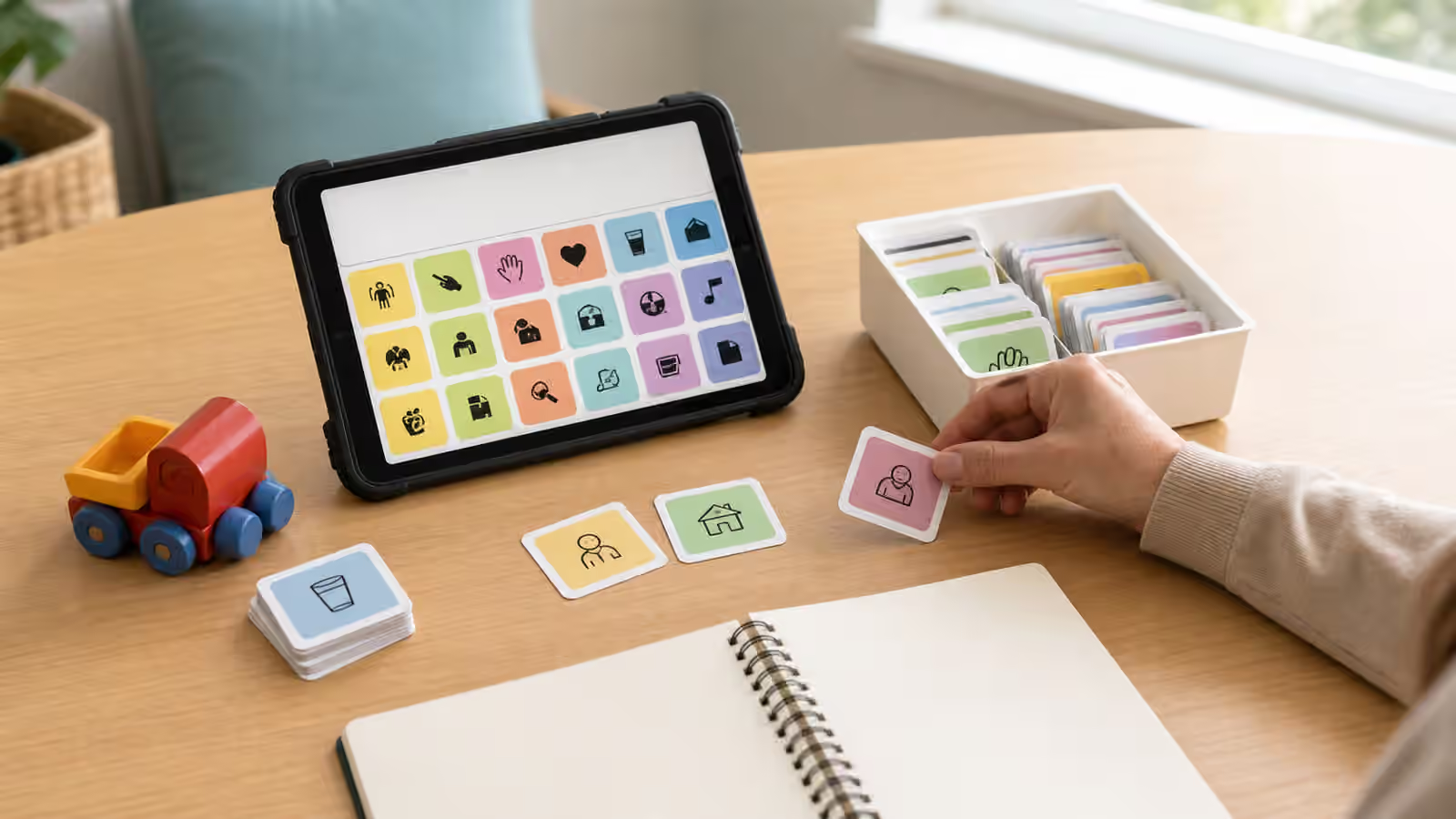
- Which supports help: visuals, extra wait time, choices, repetition, written notes, or AAC.
A useful note might say: “She uses many single words, brings toys to show us, and follows familiar routines, but she does not yet combine words or answer simple where questions. At daycare she watches other children before joining.” That keeps the picture balanced. Strengths, comprehension, expression, play, and setting all matter.
For children and minors, avoid storing names, birth dates, school names, diagnoses, recordings, or sensitive personal details in casual tools.
Keep the goal visible
When working on Language Development: Receptive, Expressive, Pragmatics, and More, avoid making one observation carry more certainty than it can support. Speech, language, voice, fluency, swallowing, hearing, fatigue, dialect, multilingual experience, and context can interact, so a qualified evaluation may need more than a home sample.
Compare communication across real routines rather than treating one quiet activity as the whole picture. Note what the person understands, initiates, repairs, and enjoys with familiar partners, then share that context when asking what support might help.
Questions to ask an SLP, school, or clinician
- Are comprehension and expression equally strong?
- Does the person need language support, social communication support, AAC, hearing checks, or cognitive-communication evaluation?
- What home routines can support language without turning every conversation into a quiz?
Limits and professional care
Speech Genie and the pages in this section cannot determine whether someone has a disorder, cannot rule out hearing or medical concerns, and cannot replace a professional evaluation. For concerns about speech, language, voice, fluency, swallowing, development, hearing, regression, sudden change, choking, or safety, bring the concern to qualified local services.
For Language Development: Receptive, Expressive, Pragmatics, and More, use the Speech Therapy hub and Home Practice Without Pressure as next steps; treat Speech Genie transcript differences as practice notes, not clinical findings.