This guide helps you decide how to practice at home without turning communication into correction all day. It is educational background, not a diagnostic assessment, treatment plan, or substitute for a licensed speech-language pathologist, physician, audiologist, school evaluation team, or other qualified professional. See ASHA — Who Are Speech-Language Pathologists? for the professional reference behind this topic.
What this can look like in real life
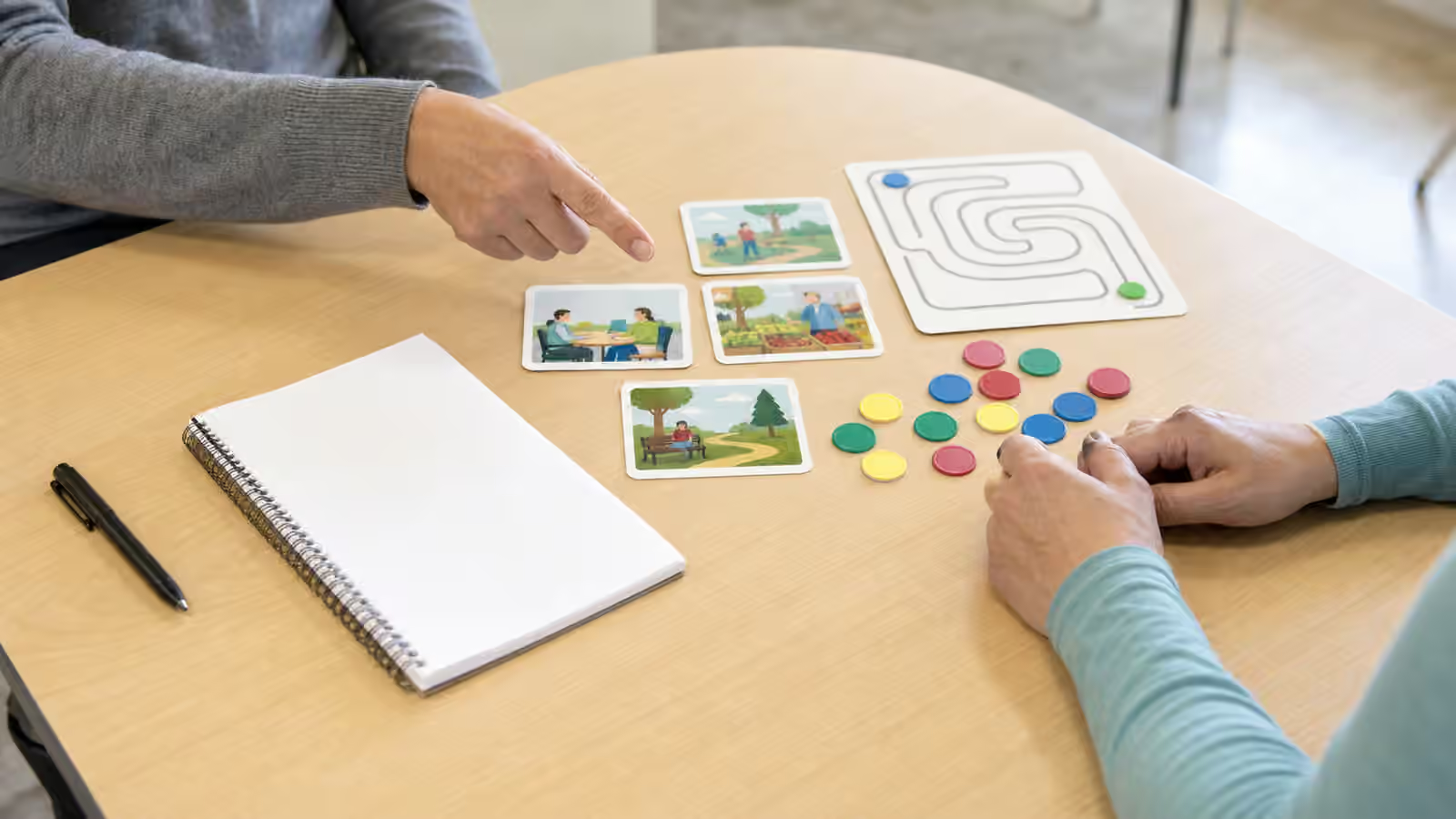
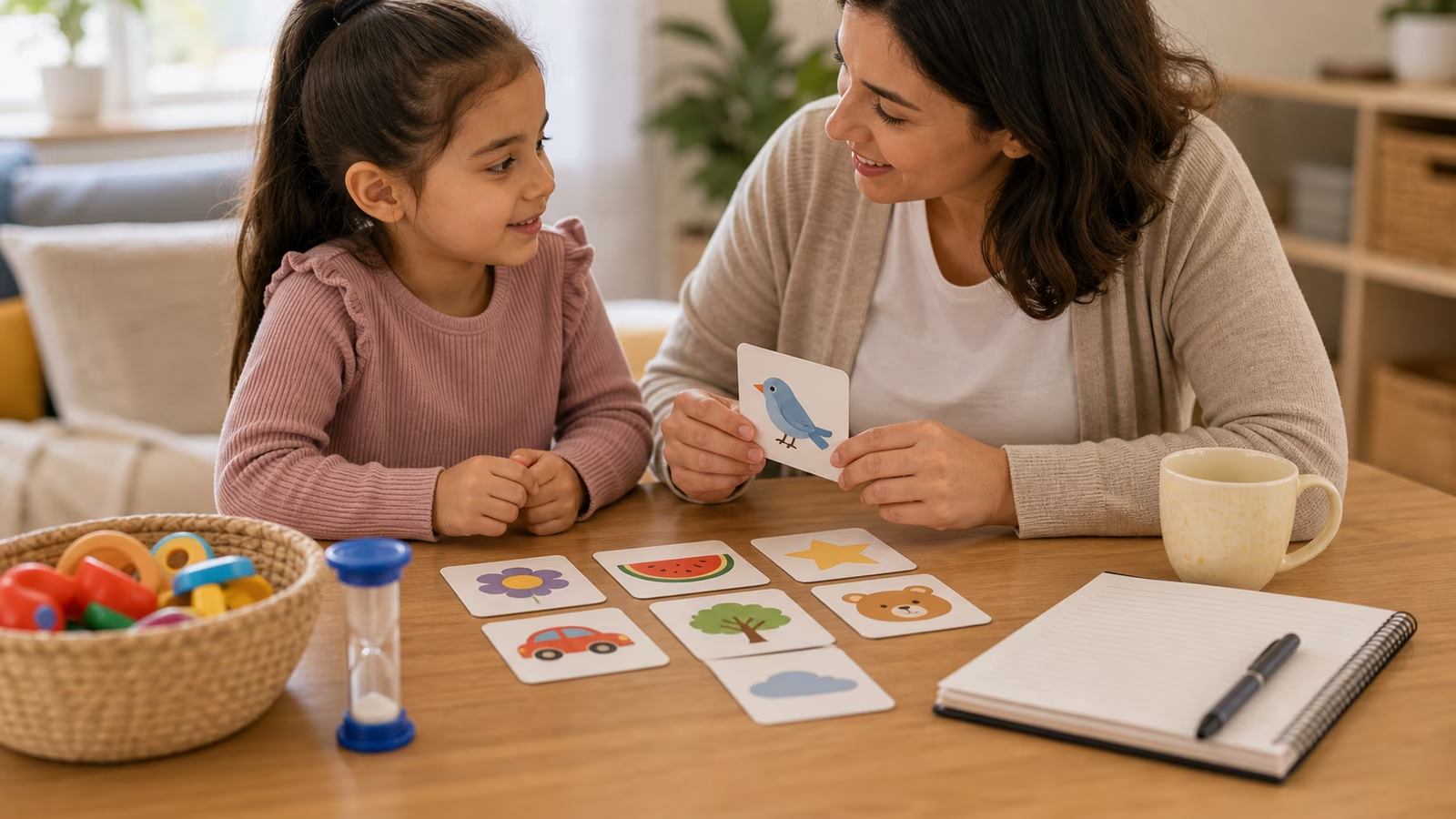
Home practice works best when it disappears into real life. The goal is not to turn the kitchen table into a clinic or make every family conversation feel evaluated. Children and adults usually need practice that is brief, predictable, and tied to a useful purpose: being understood, asking for help, telling a story, using a new word, taking a conversational turn, or making a safe swallow plan easier to follow under professional guidance.
How to observe without over-reading
Pressure changes communication. A person may perform well for a clinician, then shut down when a parent, partner, or caregiver turns practice into a public test. They may also look resistant when the task is too hard, too long, too boring, or disconnected from something they care about. A useful practice note asks, “What made this easier?” before it asks, “Why did this fail?” That shift keeps the learner from becoming the problem.
A gentler support routine
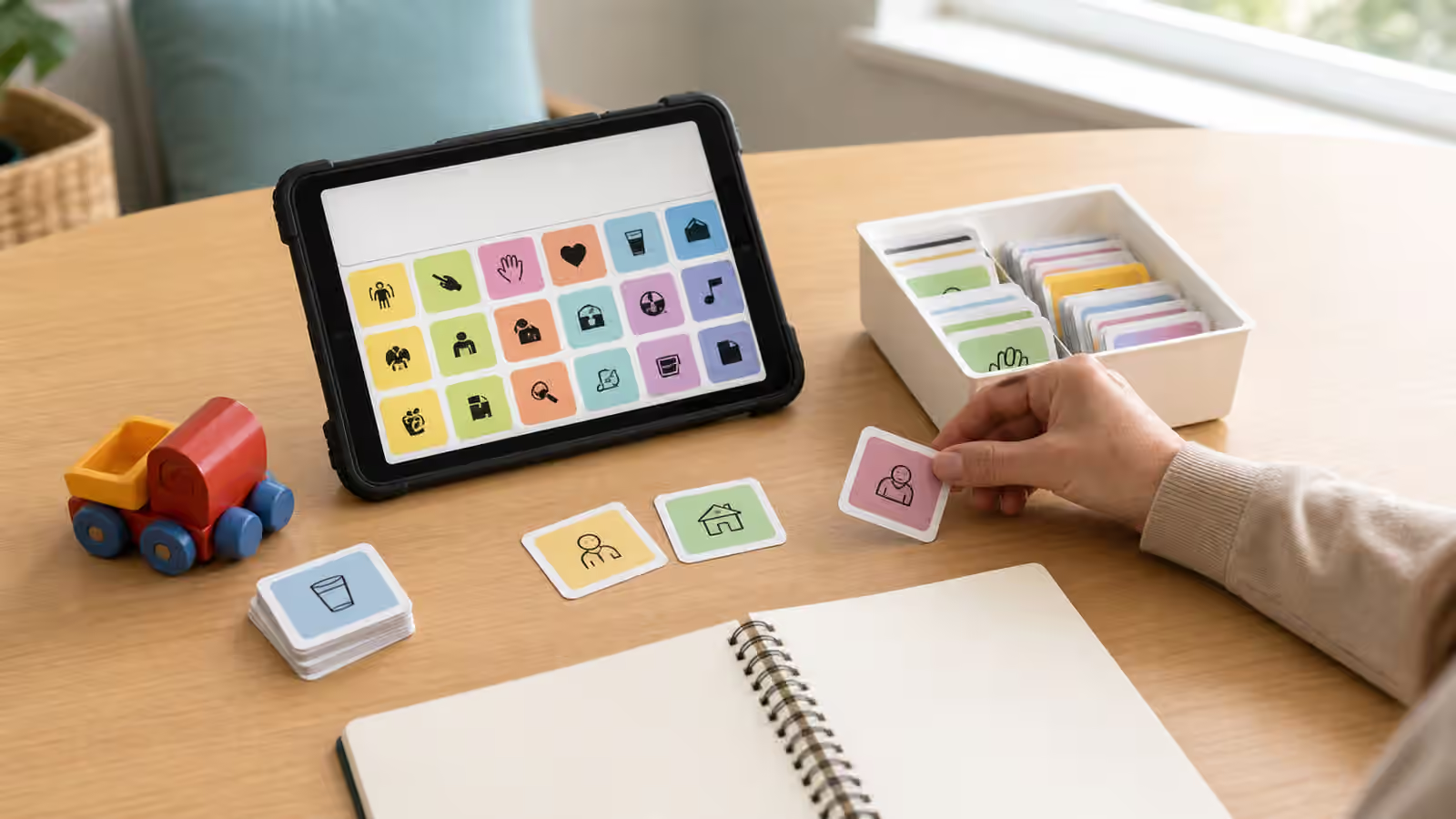
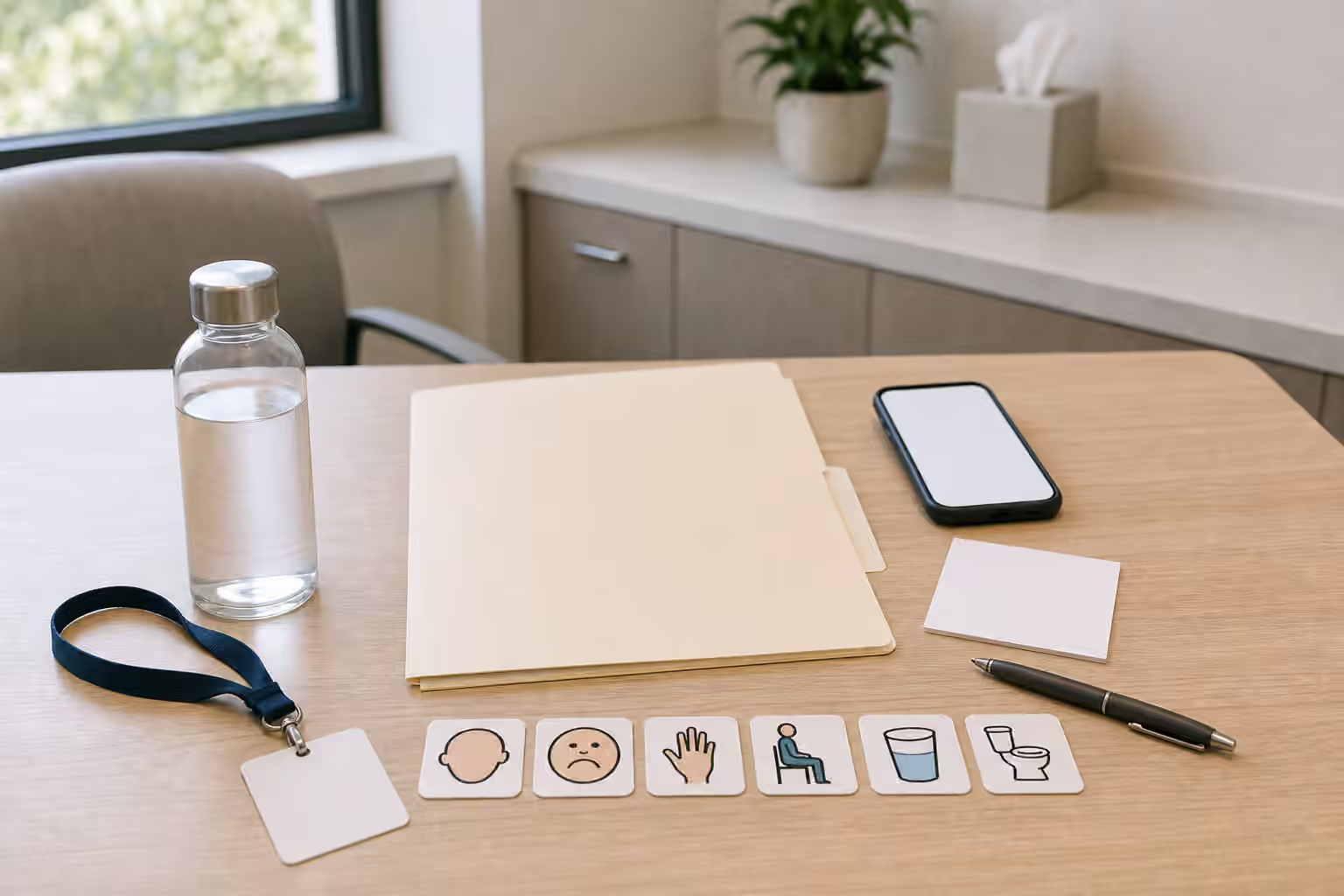
Choose one tiny practice window and protect it. Five calm minutes can be better than thirty minutes of bargaining. Use real routines: choosing breakfast, reading one page, packing a bag, calling a relative, naming a photo, telling what happened at school, or practicing a target word during a game. End while there is still energy left. If a plan uses rewards, make them humane and clear, not a bribe that turns communication into a power struggle.
Where professional care fits
A professional plan should tell you what to practice, how often, what success looks like, when to make it easier, and when to stop. If home practice creates tears, conflict, avoidance, shame, or worsening symptoms, bring that back to the SLP instead of pushing harder. Good therapy does not require families to become perfect technicians. It helps them create more chances for communication to succeed during the life they already have.
Plain-language map
- Home practice is most useful when it is short, specific, kind, and connected to a goal that makes sense.
- Caregiver cues should support attention and confidence, not shame or constant correction.
- Practice tools can help with routines and reflection, but they cannot decide clinical targets.
Common misconceptions
- More repetitions are always better.
- Every conversation should become practice.
- A correct-looking transcript proves the speech target was correct.
What to observe or document
- Energy, frustration, attention, best time of day, cue type, successful words, and when to stop.
- Whether practice generalizes to real communication or stays isolated.
- Whether the person wants a break, another communication mode, or a different routine.
A useful practice note might say: “Five minutes after snack worked; fifteen minutes before bed led to tears. He liked choosing the picture card himself. She used the target word twice during cooking but refused it when I asked directly.” That note helps the SLP adjust the plan because it shows timing, motivation, success, and pressure points.
For children and minors, avoid storing names, birth dates, school names, diagnoses, recordings, or sensitive personal details in casual tools.
Keep the goal visible
Use a small observation for Home Practice Without Pressure: Safe, Short, and Supportive. Record what happened, who was involved, what the person tried, what helped, and where the message or participation broke down. Keep names, recordings, and identifying details out of casual tools, especially for children and minors.
Questions to ask an SLP, school, or clinician
- What exact target should we practice, and at what level: sound, syllable, word, phrase, conversation, or communication strategy?
- How long should practice last and what should count as a supportive session?
- Can Speech Genie Practice Studio help log practice without storing sensitive details?
Limits and professional care
Speech Genie and the pages in this section cannot determine whether someone has a disorder, cannot rule out hearing or medical concerns, and cannot replace a professional evaluation. For concerns about speech, language, voice, fluency, swallowing, development, hearing, regression, sudden change, choking, or safety, bring the concern to qualified local services.
For Home Practice Without Pressure: Safe, Short, and Supportive, use the Speech Therapy hub and Home Practice Without Pressure as next steps; treat Speech Genie transcript differences as practice notes, not clinical findings.