This guide explains why speech-language pathology may be part of care before, during, or after head and neck cancer treatment. It is educational background, not medical advice, cancer guidance, swallowing instructions, exercise prescription, diet recommendation, or substitute for an oncology team, physician, licensed speech-language pathologist, dietitian, dentist, surgeon, radiation team, mental health professional, or other qualified professional. See Head and Neck Cancer for the professional reference behind this topic.
Head and neck cancer care can involve structures used for speech, voice, resonance, chewing, swallowing, breathing, taste, smell, saliva, and facial movement. The details vary widely by diagnosis, treatment, anatomy, timing, and the person’s health. A website cannot tell someone what will happen or what exercises to do. It can help people understand why communication and swallowing questions deserve a place in the care conversation from the beginning.
What this can look like in real life
A person may enter treatment focused on scans, appointments, and survival, then discover that eating, speaking, voice quality, mouth opening, saliva, taste, fatigue, or public communication also need attention. A family may notice that meals take longer, certain textures are avoided, the person’s voice tires quickly, or conversations become shorter because talking requires effort. Someone preparing for surgery may need to learn how communication could change afterward and what options might be available. Someone after radiation may need support for swallowing comfort, voice strain, dry mouth, or changes that appear over time.
These concerns are not cosmetic side notes. Eating and communication are tied to safety, nutrition, dignity, identity, work, relationships, and medical decision-making. A person who cannot be understood easily at appointments may lose control of their own care. A person who fears coughing during meals may withdraw from family routines. A person whose voice changes may feel that others no longer hear them as themselves.
Why early SLP involvement can matter
An SLP with relevant experience may help document baseline speech, voice, resonance, swallowing, communication participation, and support needs before treatment changes the picture. Baseline does not mean prediction. It means the team has a clearer comparison point. If swallowing, voice, or speech changes later, the clinician can better understand what is new, what is expected, what needs medical attention, and what support may help.
Early involvement may also give the person time to ask questions while they can still make choices calmly. If surgery could affect voice or speech, the person may need to understand possible communication options. If swallowing could be affected, the person may need guidance from the appropriate professionals before making changes. If fatigue is expected, the family may need a communication plan for appointment days. If the person uses more than one language, interpreters and translated materials may need to be arranged before the hardest conversations happen.
The Reading a Speech-Language Evaluation Report Without Getting Lost guide can help families understand the kind of functional information an SLP may document, but cancer care reports may include medical details that should be explained by the treating team.
Swallowing changes need qualified care
Swallowing concerns in head and neck cancer care should not be managed by trial and error at home. Pain, coughing, choking, weight loss, dehydration, texture avoidance, wet voice, fatigue, food sticking, pneumonia concerns, mouth sores, dental issues, reflux, changes in saliva, surgery, radiation effects, medication, and airway questions can all shape what is safe or comfortable. Changing liquids, restricting textures, forcing exercises, or avoiding foods without guidance can create new problems.
The Feeding and Swallowing: What Belongs in Professional Care guide explains this caution in broader terms. In cancer care, swallowing support may involve the oncology team, SLP, dietitian, physician, dentist, nurse, and other specialists. Sometimes instrumental swallowing assessment is needed because what happens inside the swallow cannot always be judged from the outside. The person and family should know which symptoms require urgent medical contact according to their own team.
A practical note for the team might describe when coughing happens, which textures are avoided, how long meals take, whether weight or hydration has changed, whether pain is involved, and what treatment phase the person is in. That note should not become a home experiment. It should help the professionals decide what to assess.
Voice, speech, and resonance are participation issues
Head and neck cancer treatment can affect voice quality, loudness, pitch, resonance, articulation, intelligibility, breath support, and how much effort speech requires. Some people need temporary strategies. Some need long-term communication options. Some may use alaryngeal communication after laryngectomy, such as an electrolarynx, tracheoesophageal speech, esophageal speech, writing, typing, gestures, or speech-generating tools, depending on medical fit and personal choice. These options require specialized instruction and team support. They should not be reduced to a device shopping decision.
Voice and speech support should protect the person’s identity. A voice change can affect how others respond, how the person feels in public, and whether they participate at work, worship, family gatherings, or medical visits. The Voice Care for High-Demand Speakers page may be useful for general voice hygiene ideas, but cancer-related voice changes deserve specific guidance from the treating team.
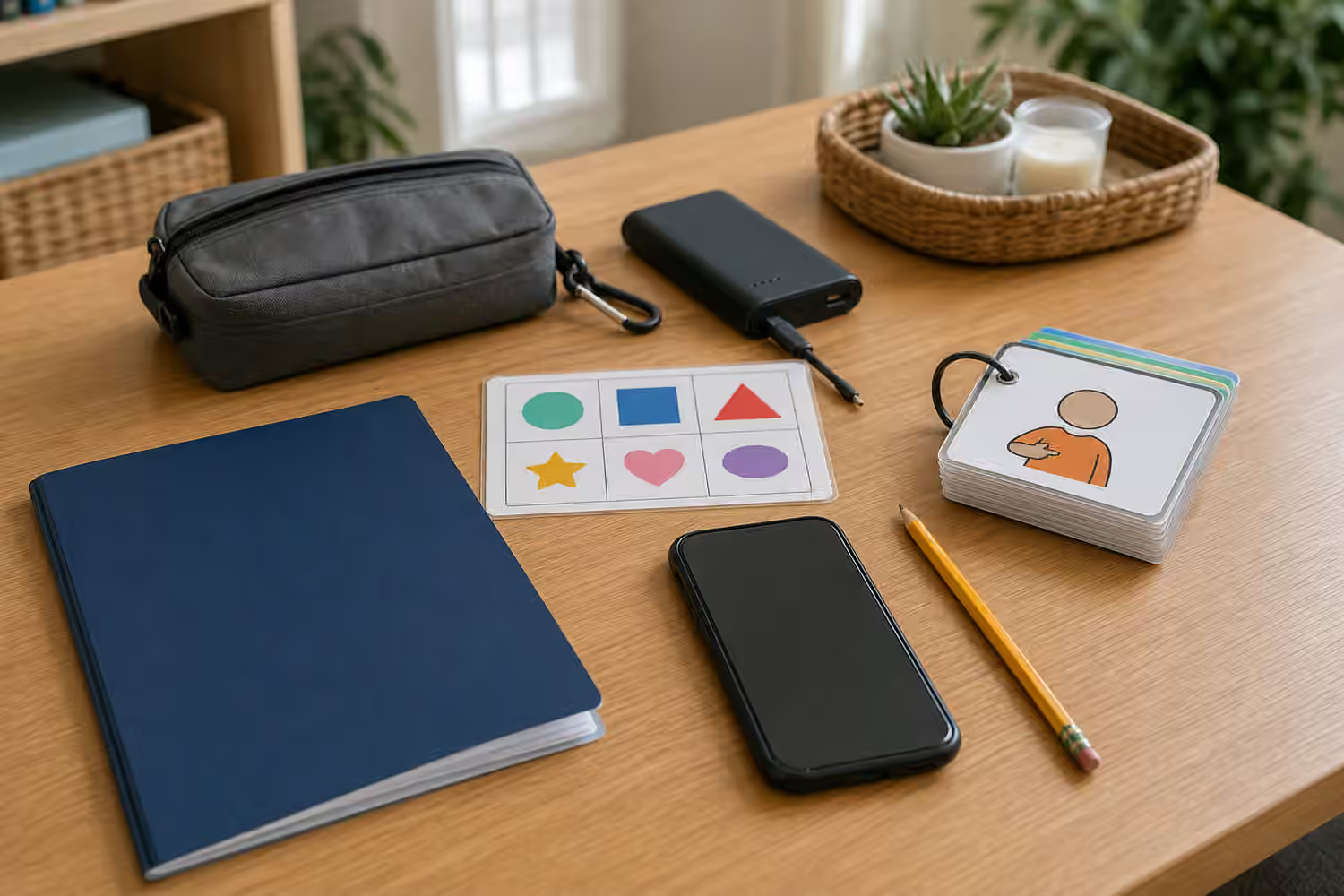
The AAC Basics guide is also relevant because backup communication can help during treatment even when speech is expected to return or improve. A whiteboard, phone note, printed phrase card, text-to-speech tool, or partner-confirmation routine can reduce pressure during painful, tiring, or noisy moments. Backup communication is not giving up on speech. It is keeping the person in the conversation.
Partners and appointments need a communication plan
Cancer care often involves many appointments, unfamiliar specialists, complex terms, fatigue, and emotion. Communication access can break down even for people who usually speak easily. A partner may need to take notes, but the person should not lose the chance to ask questions directly. A clinician may need to slow down, write key terms, confirm understanding, or arrange an interpreter. A family may need to decide how to help without answering for the person.
The Medical Appointment Communication Access guide offers broader preparation strategies. For head and neck cancer care, useful preparation may include a blank notebook, a current communication method, questions written before the visit, a way to signal pain or fatigue, and a plan for how the person wants partners to support them. Sensitive medical details should be stored carefully and shared only where appropriate.
Communication partner training can also matter at home. Family and friends may need to learn how to wait, reduce background noise, confirm messages respectfully, and include the person in conversation even when speech is slower or different. The Communication Partner Training guide explains why listeners share responsibility.
Support should continue when treatment phases change
Needs may change across diagnosis, treatment, recovery, surveillance, recurrence, late effects, or long-term survivorship. A person may need one kind of support before surgery and another months later. Swallowing may feel different with fatigue. Voice may improve, plateau, or change again. Eating in public may remain stressful after medical treatment ends. The care plan should allow return visits when communication or swallowing participation shifts.
A good question for the team is not “Will everything go back to normal?” but “What should we watch, what support is available, and when should we call?” That question leaves room for uncertainty without leaving the person alone. Head and neck cancer care is already demanding. Speech-language support should make speaking, eating, and being understood less fragile wherever possible.