This guide explains emergency communication access planning for people who may have difficulty speaking, understanding, hearing, writing, or using their usual communication tools under stress. It is educational background, not emergency instructions, medical advice, legal advice, disaster planning advice, or substitute for local emergency services, medical professionals, school teams, disability advocates, or qualified local support. See Augmentative and Alternative Communication for the professional reference behind this topic.
Communication often becomes harder when people most need it. Pain, fear, noise, urgency, unfamiliar partners, bright lights, fatigue, lost devices, medication, illness, or injury can make ordinary communication systems less reliable. A backup plan cannot control every emergency. It can make it more likely that the person is recognized as a communicator.
Stress Changes Access
A person who communicates well at home may struggle in an ambulance, emergency department, shelter, school drill, roadside incident, airport disruption, or crowded public place. A child who uses spoken language may shut down when frightened. An adult with aphasia may need written keywords and extra time. A person who uses AAC may lose access if the device battery dies or the device is left behind. A person with hearing loss may miss instructions when masks, noise, or distance interfere. A person with progressive speech changes may be understood by family but not by strangers.
Planning should start from that reality. The goal is not to create a perfect packet for every possible event. The goal is to identify the messages, supports, and partner habits that are most likely to matter when communication becomes difficult. A small plan that people can actually find and use is better than an elaborate plan that stays in a drawer.
The AAC Basics guide is useful because emergency planning often includes low-tech and high-tech tools together. A sophisticated device still needs a backup route.
The First Messages Are About Control And Care
Emergency communication should include ways to say who the person is, how they communicate, what helps, what does not help, whether they understand, what hurts, what they need, who to contact, and how to ask for a break. It should also include ways to refuse, correct a misunderstanding, and indicate that a yes-no answer is not enough. These messages do not need to be fancy. They need to be reachable.
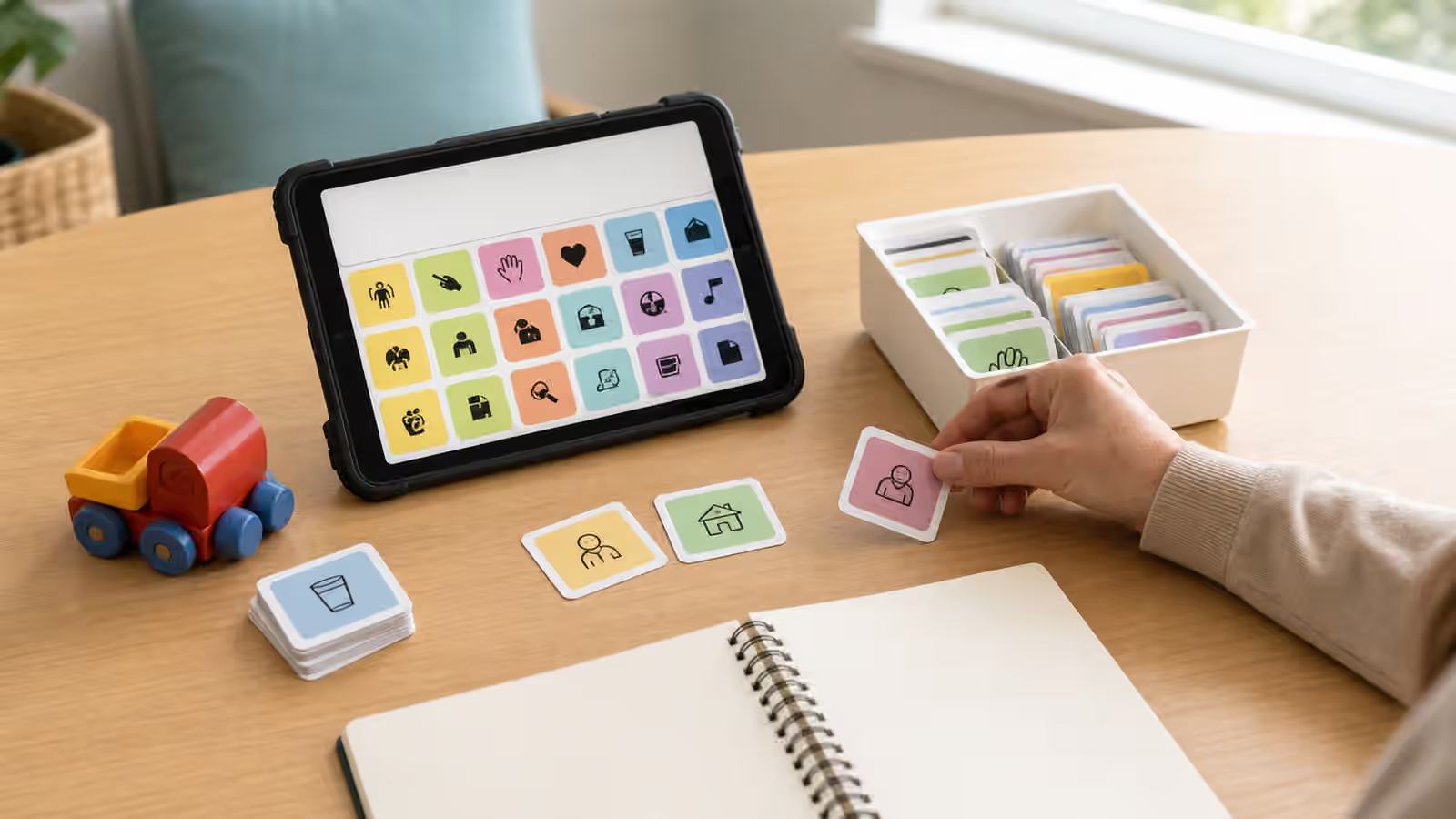
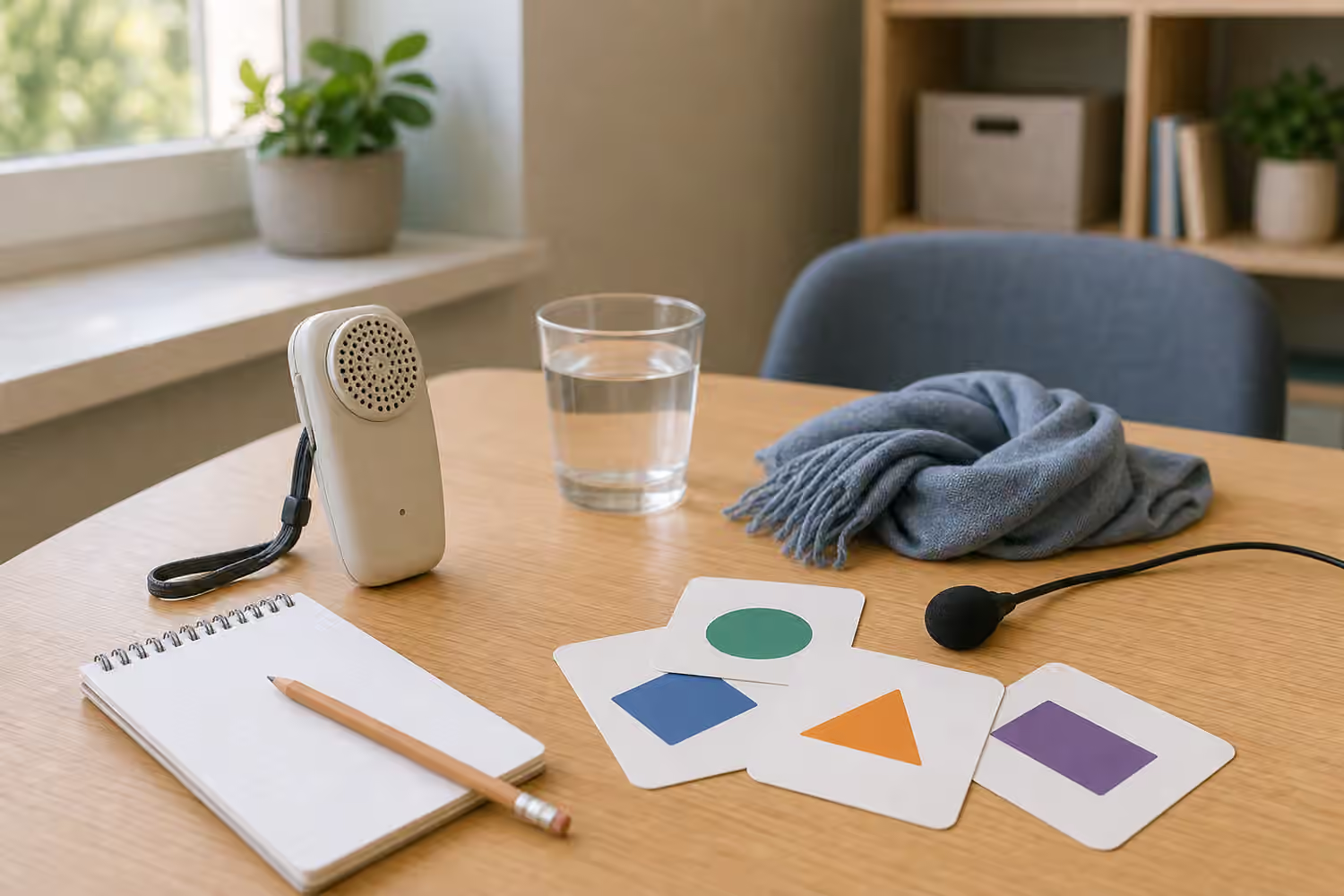
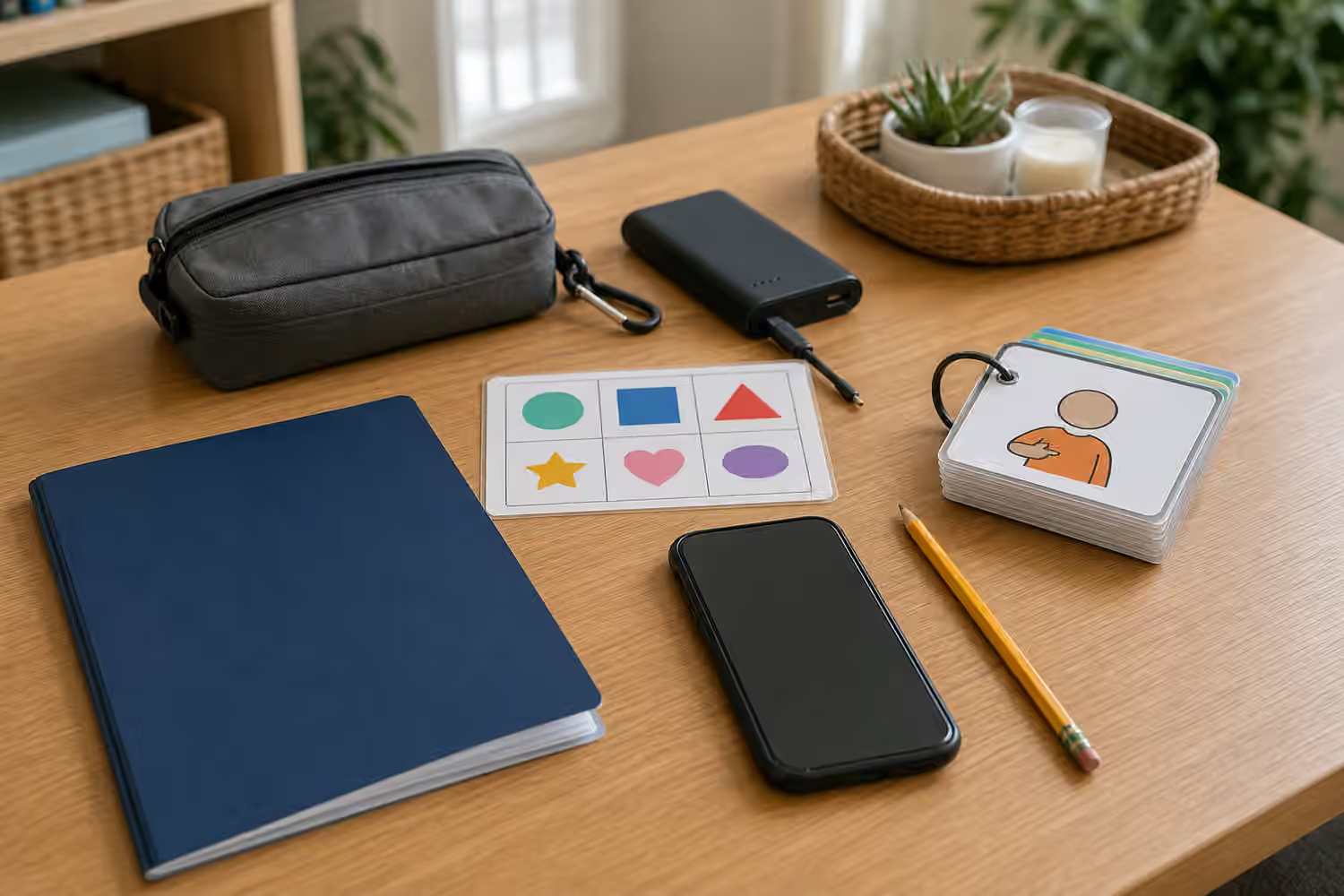
For some people, a laminated card, small notebook, phone note, medical portal note, or AAC page can carry the essential information. For others, the backup may be a partner routine: ask yes-no questions this way, wait this long, offer written choices, show pictures, use the person’s glasses or hearing aids, or check the device mounted on the wheelchair. The format should match the person’s access, literacy, vision, motor control, language, and privacy needs.
The Communication Repair and Self-Advocacy guide matters here. In stressful settings, the most important message may be “that is not what I meant.”
Privacy And Usefulness Have To Balance
An emergency communication plan may contain sensitive information. It might mention diagnoses, medications, allergies, contact people, language needs, behavior supports, access methods, or medical history. Too little information may not help. Too much information may expose private details or overwhelm the listener. Families and adults should think carefully about what belongs on a card that strangers might see and what belongs in a more private medical record.
The wording should also be respectful. A card that says “nonverbal” without explaining how the person communicates may invite people to talk around them. A better card might explain the person’s access method and ask partners to give time. A note should not reduce a person to a diagnosis. It should help others communicate with them.
For children and minors, caregivers should avoid casually storing identifiable details in tools that are not meant for private health information. Schools and care programs may have their own procedures, but the communication access question should be included in those conversations.
Backup Tools Need Ordinary Rehearsal
A plan that is first used during a crisis may be hard to trust. People need low-pressure chances to practice where the backup card lives, how to charge the device, how to open the emergency page, how to signal yes and no, and how partners should respond. This practice should not be frightening or dramatic. It can be woven into ordinary routines, medical appointments, school planning, travel preparation, or AAC maintenance.
The person should be involved as much as possible. Adults and children can often say what feels respectful, embarrassing, useful, or confusing. A person may reject a card that uses words they dislike. They may prefer a different photo, symbol set, language, or phrase. They may want a message that tells strangers not to touch their device without permission. Planning is better when it protects autonomy.
The Visual Supports for Communication Access guide can help teams think about visual tools as access supports rather than decorations.
Medical Settings Need Their Own Layer
Medical visits and urgent care settings create specific communication demands. The person may need to describe symptoms, answer questions, understand options, consent or refuse, and remember instructions. Pain, time pressure, unfamiliar vocabulary, and noise can make this harder. Bringing a communication plan to routine appointments can reveal gaps before an urgent visit happens.
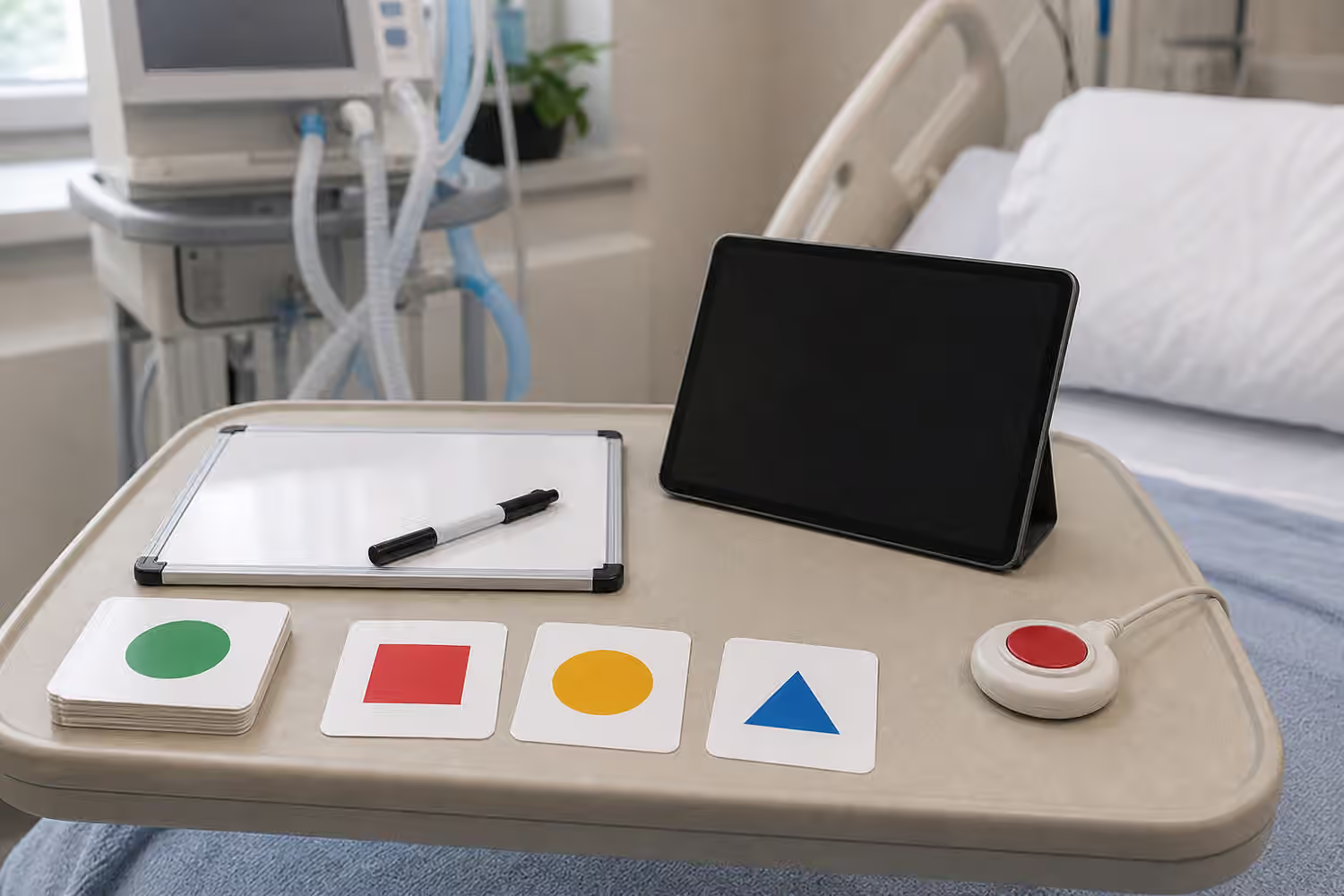
People who use AAC may need chargers, mounts, low-tech boards, and vocabulary for pain, body parts, medication effects, privacy, and consent. People with aphasia or cognitive-communication changes may need written keywords, simplified choices, extra time, and a trusted partner who supports without speaking over them. People with hearing access needs may need devices, captioning, writing, or environmental changes. The details should be individualized with the relevant professionals.
The Medical Appointment Communication Access guide expands this medical layer. Emergency planning is strongest when routine care already treats communication as part of access.
Review The Plan When Life Changes
Communication access changes over time. A child learns new messages. A device changes. A person moves schools, homes, jobs, or care teams. A medical condition changes. A caregiver phone number becomes outdated. A backup battery stops holding charge. A plan that was useful last year may quietly become unreliable.
Review does not have to be formal. It can happen when packing for travel, preparing for a school year, changing devices, updating medical information, or after a stressful event revealed a gap. The question is simple: if the usual communication route failed tomorrow, what would help this person be understood?
The Progressive Neurologic Communication Planning guide offers a broader version of this idea for conditions where speech, voice, writing, or movement may change. The same principle applies more widely. Backup communication is not pessimism. It is respect for the fact that communication access should not depend on perfect conditions.