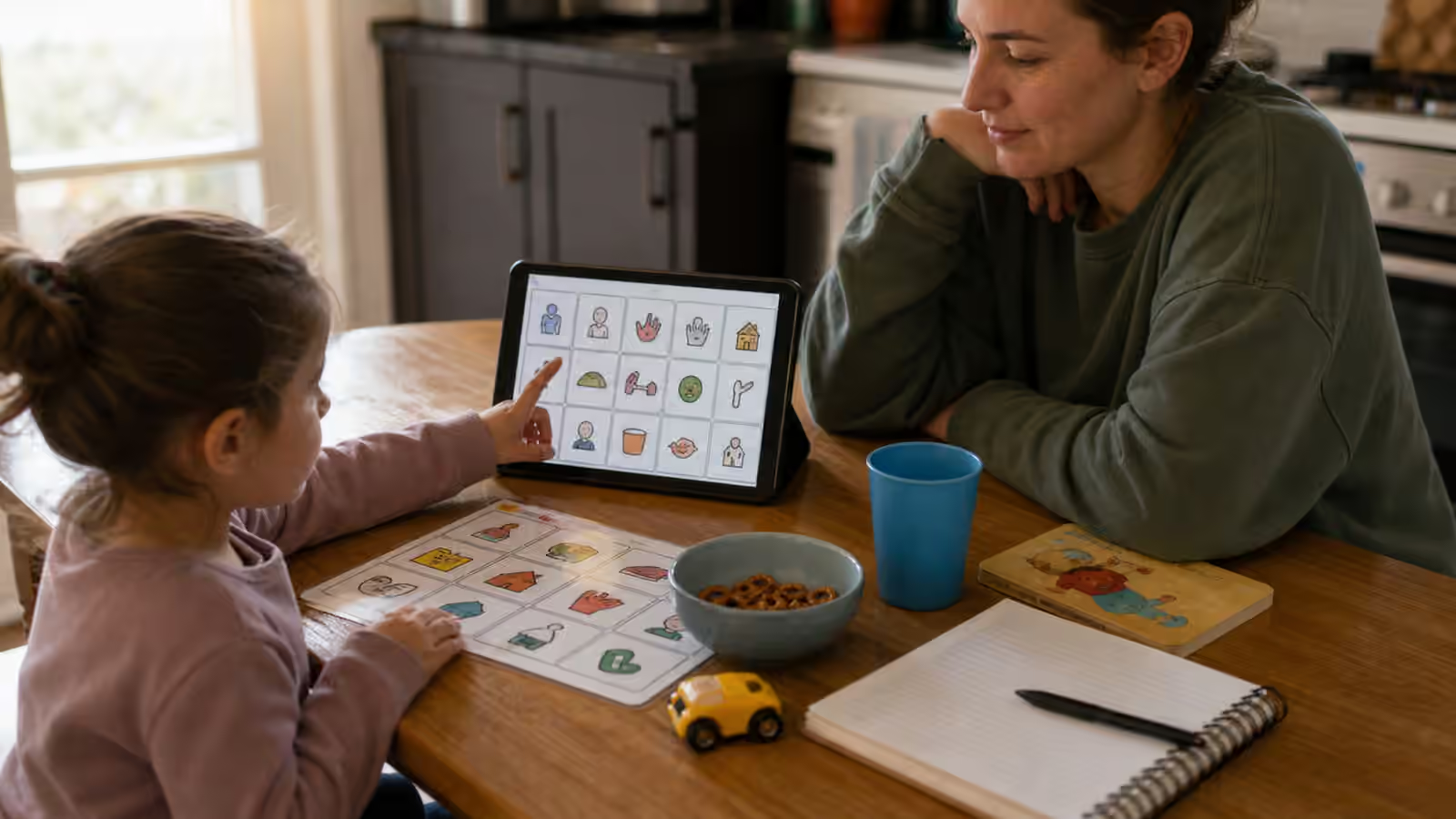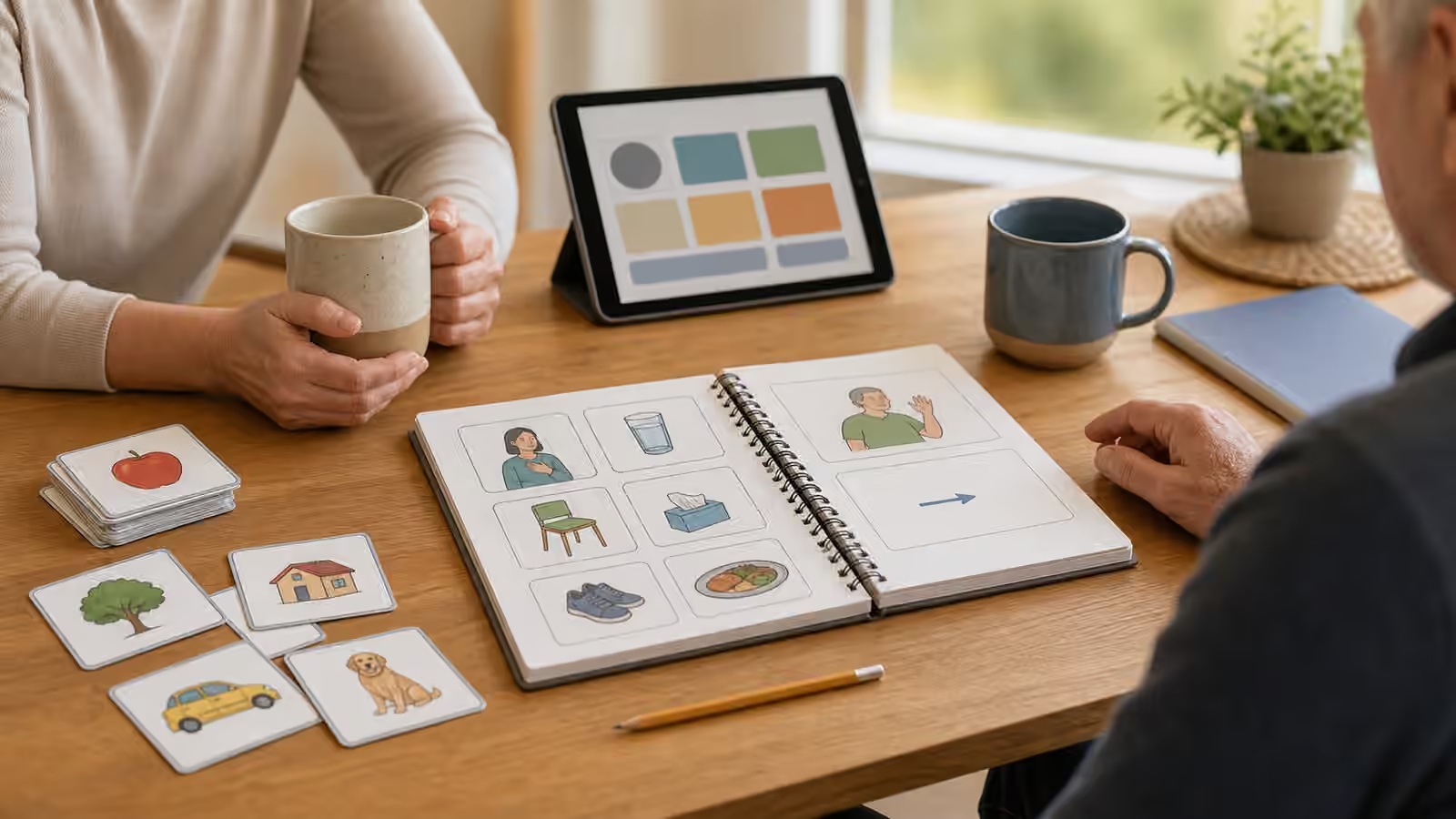
This guide explains how communication support can help when dementia or another progressive condition changes memory, language, attention, speech, voice, swallowing, or daily participation. It is educational background, not a diagnosis, medical advice, care plan, safety plan, legal advice, or substitute for a licensed speech-language pathologist, physician, neurologist, audiologist, occupational therapist, mental health clinician, care team, or other qualified professional. See Dementia for the professional reference behind this topic.
Speech recognition tools and home observations can be useful notes, but they can also be wrong, especially with progressive conditions, hearing differences, fatigue, medication changes, background noise, accents, dialects, multilingual speakers, and device limitations.
What this can look like in real life
Communication changes with dementia rarely arrive as one tidy problem. A person may repeat a question, lose a word, tell the same story, miss a joke, become overwhelmed by several speakers, or seem less able to follow a fast conversation. They may speak clearly but drift away from the topic. They may understand best when the setting is familiar and quiet. They may have strong opinions, long memories, humor, and personality still present, even when new information is hard to hold.
Families often focus on memory first because repetition is visible. Speech-language pathologists look more broadly at communication participation. Can the person make choices? Can they express discomfort, hunger, pain, preferences, refusal, affection, or fear? Can they join familiar routines? Can conversation partners adjust enough to preserve dignity? Communication support is not only about retrieving perfect words. It is about keeping the person connected to ordinary life for as long and as well as possible.
Progressive conditions can also affect swallowing, voice, motor speech, hearing access, reading, writing, and decision-making support. The pattern varies by condition and person. A guidebook cannot tell which changes belong to dementia, medication, hearing loss, depression, delirium, stroke, infection, fatigue, or another medical issue. New, sudden, or sharply changing symptoms belong with qualified medical care.
Start with the person, not the quiz
It is tempting to test the person all day. What day is it? Do you remember who visited? What did you have for lunch? Who am I? These questions may feel like checking, but they can turn conversation into repeated failure. A person who cannot answer may still feel the social meaning of being examined. Over time, this can make them withdraw, become defensive, or avoid conversation.
A more supportive habit is to offer context instead of demanding recall. “Your sister Maya is here” is kinder than “Do you know who this is?” A family photo can become a shared story without requiring the exact date. A calendar can guide the morning without becoming a test. A familiar song, recipe, prayer, hobby object, or walk may open communication that direct questions close. The point is not pretending nothing has changed. The point is building ramps into conversation.
The Home Practice Without Pressure guide applies here because support should reduce daily strain. Practice for a progressive condition may look less like drills and more like arranging the environment, simplifying choices, creating predictable routines, and teaching partners how to communicate. The person should not have to earn kindness by performing memory.
Partner communication changes the room
Communication partners can make a large difference. A slower pace, one topic at a time, shorter sentences, visible objects, written keywords, gentle gestures, and reduced background noise can help. So can waiting. Many partners ask another question before the person has had time to process the first one. Silence may feel uncomfortable, but a few extra seconds can allow the person to answer, point, smile, object, or show a preference.
Repair should be respectful. If the person searches for a word, a partner can offer a choice or confirm the meaning rather than correcting every detail. If a story is repeated, the partner can respond to the emotion or theme instead of announcing that the story has already been told. If the person says something inaccurate but harmless, the partner may choose connection over correction. If the inaccuracy affects safety, medication, finances, leaving home, eating, or medical care, the team needs a safety plan beyond conversational kindness.
Hearing deserves attention. A person with dementia and untreated hearing difficulty may seem more confused because they are missing speech details. The Hearing, Listening, and Speech-Language Development guide is written broadly, but the principle applies across the lifespan: listening access shapes communication. Background television, multiple talkers, poor lighting, and fast speech can turn a manageable conversation into noise.
Memory supports are communication supports
External supports can help when they are simple, visible, and tied to real routines. A notebook, whiteboard, picture label, daily rhythm card, phone photo, communication book, familiar object basket, or written key word can reduce repeated confusion. The best support is not the most elaborate one. It is the one the person and partners actually use. A crowded binder with tiny labels may be less useful than a single clear page for today’s visitors, meals, or choices.
These tools should preserve identity. A communication book might include family names, favorite topics, music, work history, hobbies, meaningful places, faith practices, food preferences, and phrases the person likes to use. It should not reduce the person to care tasks. If the person uses more than one language or dialect, supports should honor that communication history. A familiar home language may remain emotionally powerful even when other skills change.
AAC can also be relevant, though it may look different from high-tech systems used in other contexts. The AAC Basics guide explains communication support beyond speech. For dementia and progressive conditions, AAC may include low-tech choice boards, topic cards, picture menus, labeled objects, saved phrases, or devices used by a partner with the person. The goal is not to make technology impressive. The goal is to make messages easier to send and receive.
When meals and safety enter the picture
Some progressive conditions affect eating, drinking, saliva management, cough, voice quality, attention during meals, or swallowing safety. Families may notice longer meals, coughing, wet-sounding voice, food left in the mouth, weight change, chest infections, or fear around eating. These signs should not be managed from a guidebook. The Feeding and Swallowing guide explains why swallowing concerns belong in professional care.
Communication and meals are linked because meals are social, sensory, and often emotional. A person may eat better when the room is calm, the food is familiar, the pace is unhurried, and the partner gives one cue at a time. But diet changes, swallowing strategies, and safety decisions should come from qualified professionals who know the person. Families should be wary of generic internet advice that promises safety without evaluation.
Safety also includes the person’s ability to ask for help, refuse care, report pain, identify familiar people, and communicate distress. If speech or language is changing, the care team may need backup communication for medical appointments, emergency contacts, medication routines, and daily choices. This is not only a convenience. It is part of preserving agency.
Planning ahead without removing the present
Progressive conditions require planning, but planning can accidentally make the person disappear from the current conversation. Families may talk around the person, discuss future decline in front of them, or make every interaction about care logistics. Communication support should leave room for ordinary connection: humor, preferences, irritation, affection, memories, music, food, weather, grandchildren, neighbors, and quiet company.
An SLP may help identify current strengths, design partner strategies, recommend communication supports, collaborate around swallowing concerns, and prepare for likely changes. The plan may shift over time. Early support might focus on word finding and calendars. Later support might focus on routines, choices, sensory cues, partner interpretation, and comfort. Progress may not mean restoring former communication. It may mean fewer breakdowns, calmer care, more successful choices, and more moments where the person is met as themselves.
If you are preparing for an appointment, bring examples from daily life. Describe what communication is still strong, what has changed, what settings are hardest, whether hearing has been checked, whether meals have changed, and which messages matter most. Ask how partners should respond to repetition, word-finding difficulty, confusion, refusal, and fatigue. Ask what signs should prompt medical attention. Ask how communication supports can respect the person’s language, culture, routines, and privacy.
Speech Genie and the pages in this section cannot diagnose dementia, explain a sudden change, determine swallowing safety, or create a care plan. They can help families organize observations and make communication gentler. For acquired communication changes, read Adult Speech-Language Support After Stroke or Brain Injury . For communication access beyond speech, read AAC Basics . ASHA’s public materials on dementia and communication are a useful starting point for families preparing questions for qualified local professionals.