This guide helps you decide what to ask rehabilitation and medical teams when communication changes after stroke, traumatic brain injury, or neurological illness. It is educational background, not a diagnostic assessment, treatment plan, or substitute for a licensed speech-language pathologist, physician, audiologist, school evaluation team, or other qualified professional. See ASHA — Who Are Speech-Language Pathologists? for the professional reference behind this topic.
What this can look like in real life
After a stroke or brain injury, communication can change in ways that feel uneven from hour to hour. A person may understand more than they can say, say more when rested, lose words under pressure, or seem fluent while missing details. Families often look for one clear label because the change is frightening. Daily life is usually messier: fatigue, attention, memory, motor speech, language, mood, hearing, vision, medication, and the environment can all affect how communication shows up.
How to observe without over-reading
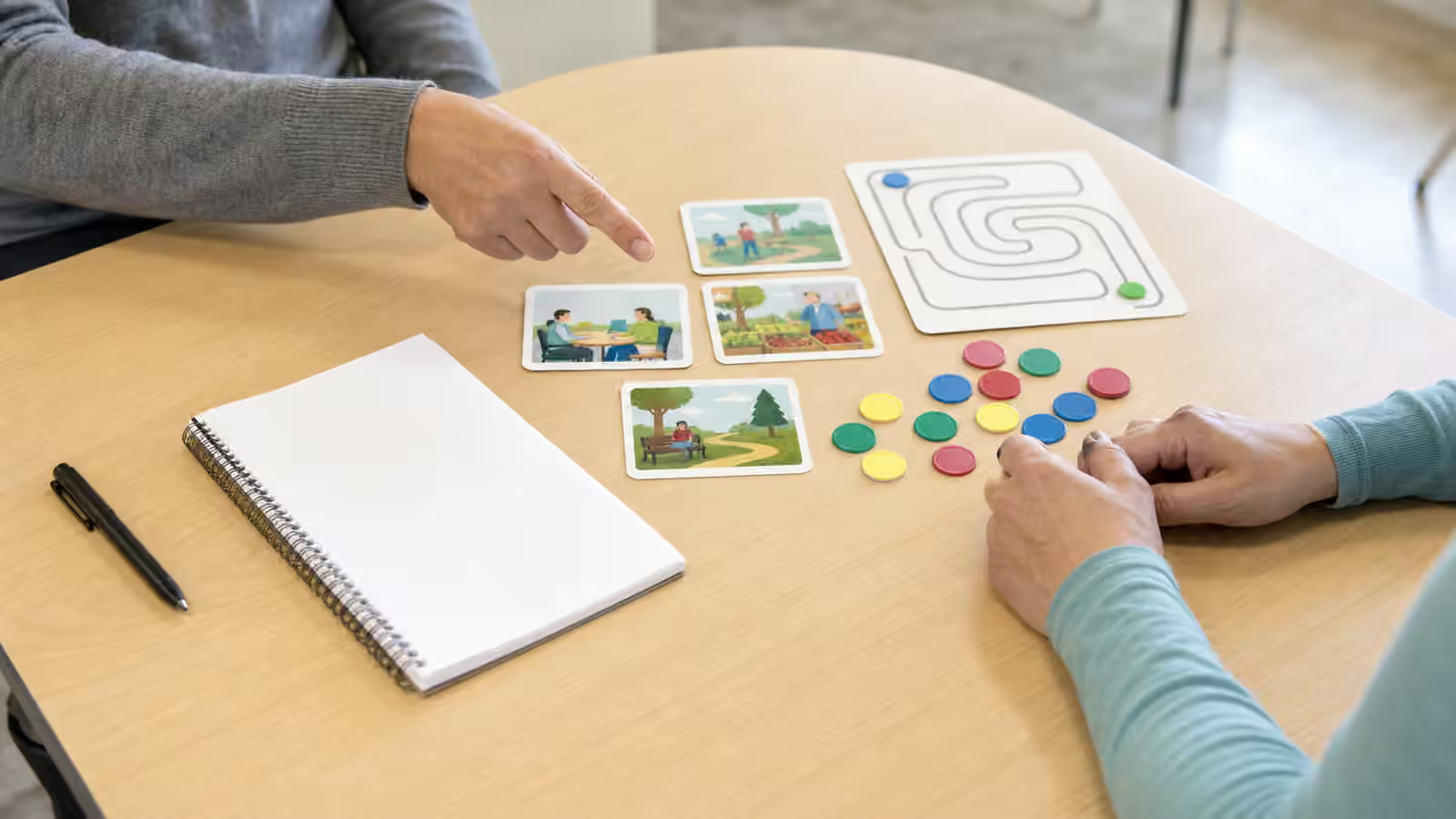
The most useful observations are ordinary and specific. Notice whether the person does better with yes-or-no choices, written keywords, quiet rooms, familiar topics, extra time, gestures, pictures, or one speaker at a time. Notice what makes the moment fall apart: fast questions, background television, multiple visitors, pain, embarrassment, or being corrected in public. Those patterns help a clinician understand communication as it is lived, not just as it appears during a formal task.
A gentler support routine
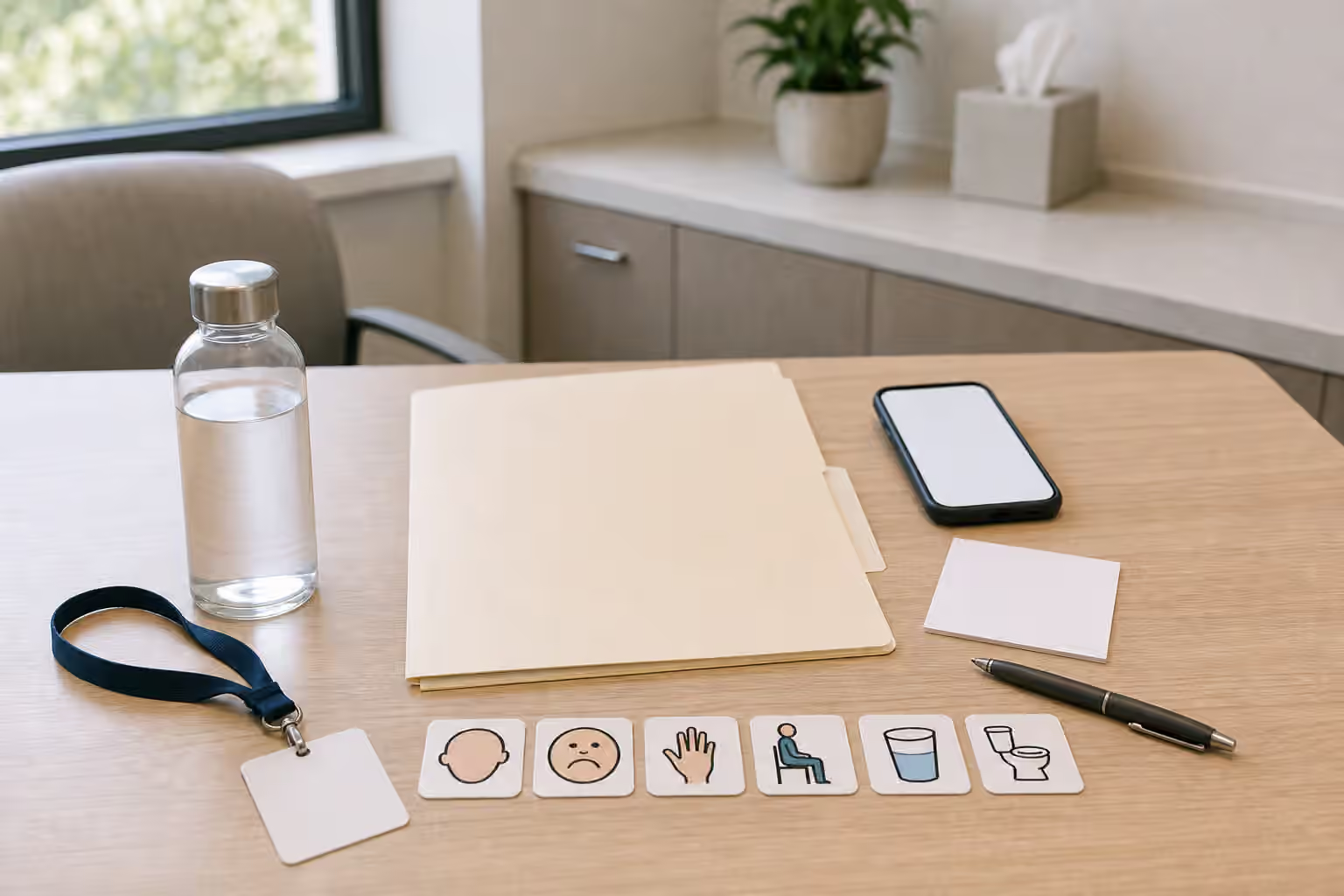
Support at home should protect dignity first. Slow the room down. Ask one question at a time. Give time after the question instead of filling the pause. Offer paper, a phone note, a picture, or a gesture if speech stalls. Confirm meaning gently: “I think you mean the appointment is tomorrow; is that right?” Avoid quizzing, arguing about errors, or pretending to understand when the stakes matter. Honest repair is kinder than cheerful guessing.
Where professional care fits
Professional care can help separate aphasia, dysarthria, apraxia, cognitive-communication changes, swallowing concerns, hearing issues, and other medical factors. Sudden change, choking, new confusion, severe headache, weakness, falls, or safety concerns belong in medical care immediately, not in home practice. Speech-language therapy is not about forcing a person back to a previous version of themselves. At its best, it rebuilds participation: talking with family, managing appointments, returning to work tasks, using supports, and being heard.
Plain-language map
- Aphasia is a language disorder that often follows damage to language areas of the brain.
- Dysarthria and apraxia of speech affect speech movement in different ways.
- Cognitive-communication changes can affect memory, attention, organization, problem solving, and social communication.
Common misconceptions
- A person with aphasia has lost intelligence.
- Louder speech fixes every motor speech problem.
- Family should wait until recovery is complete before learning communication supports.
What to observe or document
- Understanding, word finding, speech clarity, reading, writing, fatigue, attention, swallowing, mood, and daily participation.
- Which settings are hardest: hospital, home, phone, appointments, finances, work, or social visits.
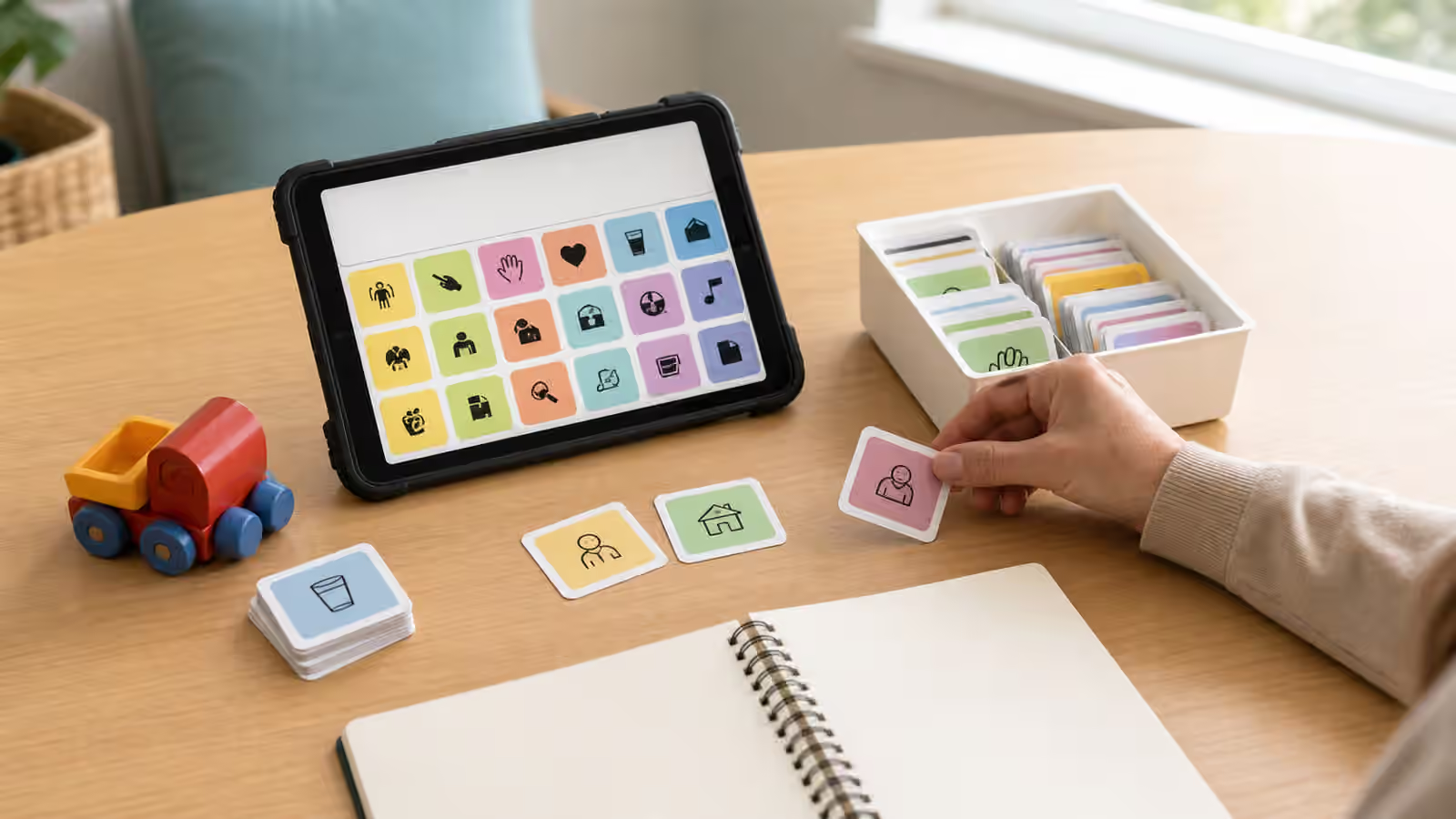
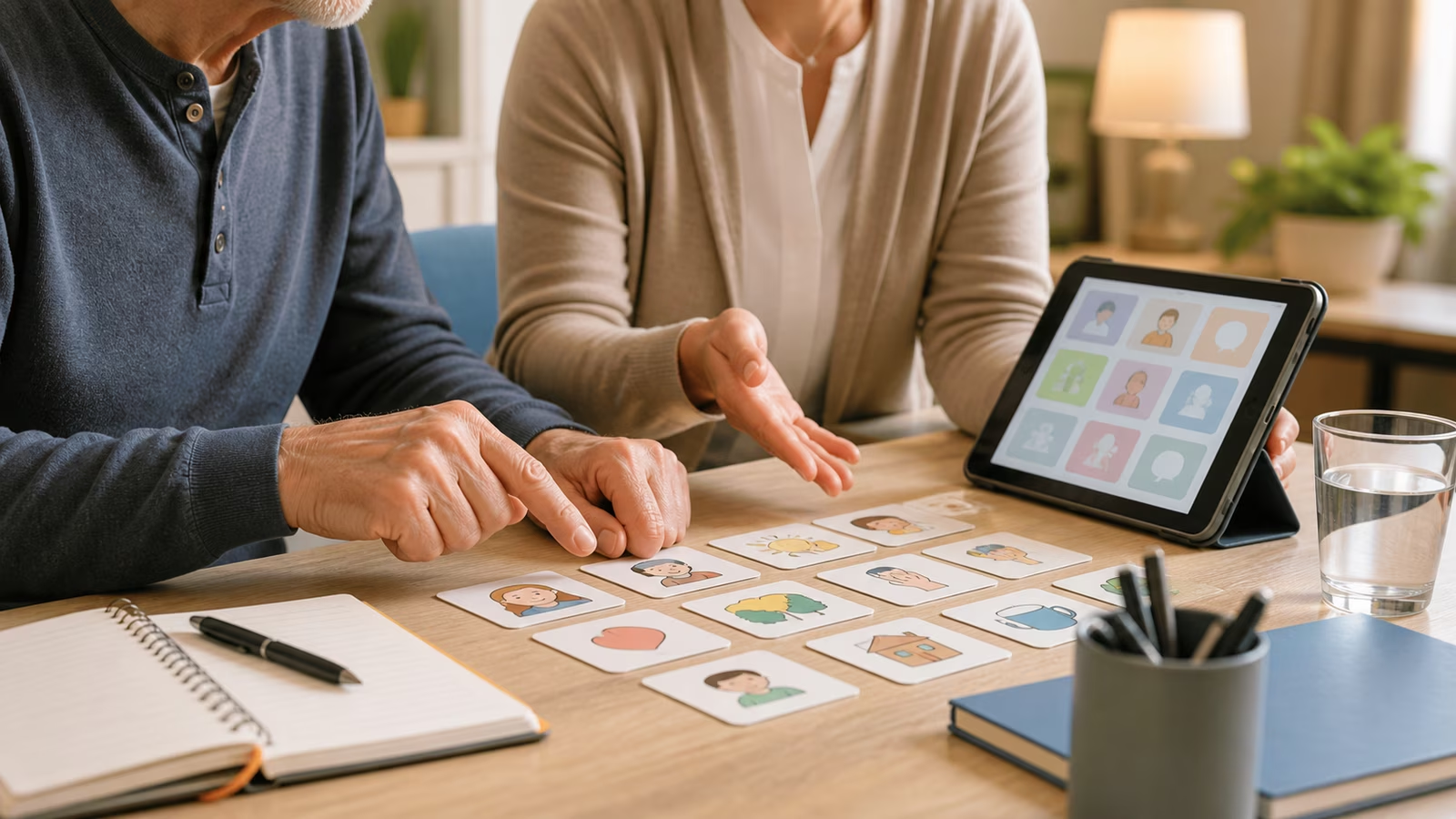
- What supports help: yes/no systems, written choices, extra time, AAC, calendars, quiet rooms, or partner training.
A useful note might say: “Dad understood the appointment reminder when I wrote the key words, but he could not say the doctor’s name aloud. He answered yes-or-no questions accurately when the room was quiet. He got frustrated when three relatives talked at once.” That gives the care team a real scene: comprehension, expression, fatigue, environment, and emotional load all in one place.
For children and minors, avoid storing names, birth dates, school names, diagnoses, recordings, or sensitive personal details in casual tools.
Keep the goal visible
A practical plan for Adult Speech-Language Support After Stroke or Brain Injury should survive an ordinary day. Choose one cue, access change, routine, or partner habit that can be repeated without turning every interaction into therapy, then decide how you will notice whether participation is easier.
Questions to ask an SLP, school, or clinician
- Which diagnosis is being considered and what evaluation supports it?
- Should swallowing, voice, cognition, hearing, or occupational therapy also be involved?
- What can communication partners do this week?
Limits and professional care
Speech Genie and the pages in this section cannot determine whether someone has a disorder, cannot rule out hearing or medical concerns, and cannot replace a professional evaluation. For concerns about speech, language, voice, fluency, swallowing, development, hearing, regression, sudden change, choking, or safety, bring the concern to qualified local services.
For Adult Speech-Language Support After Stroke or Brain Injury, use the Speech Therapy hub and Home Practice Without Pressure as next steps; treat Speech Genie transcript differences as practice notes, not clinical findings.