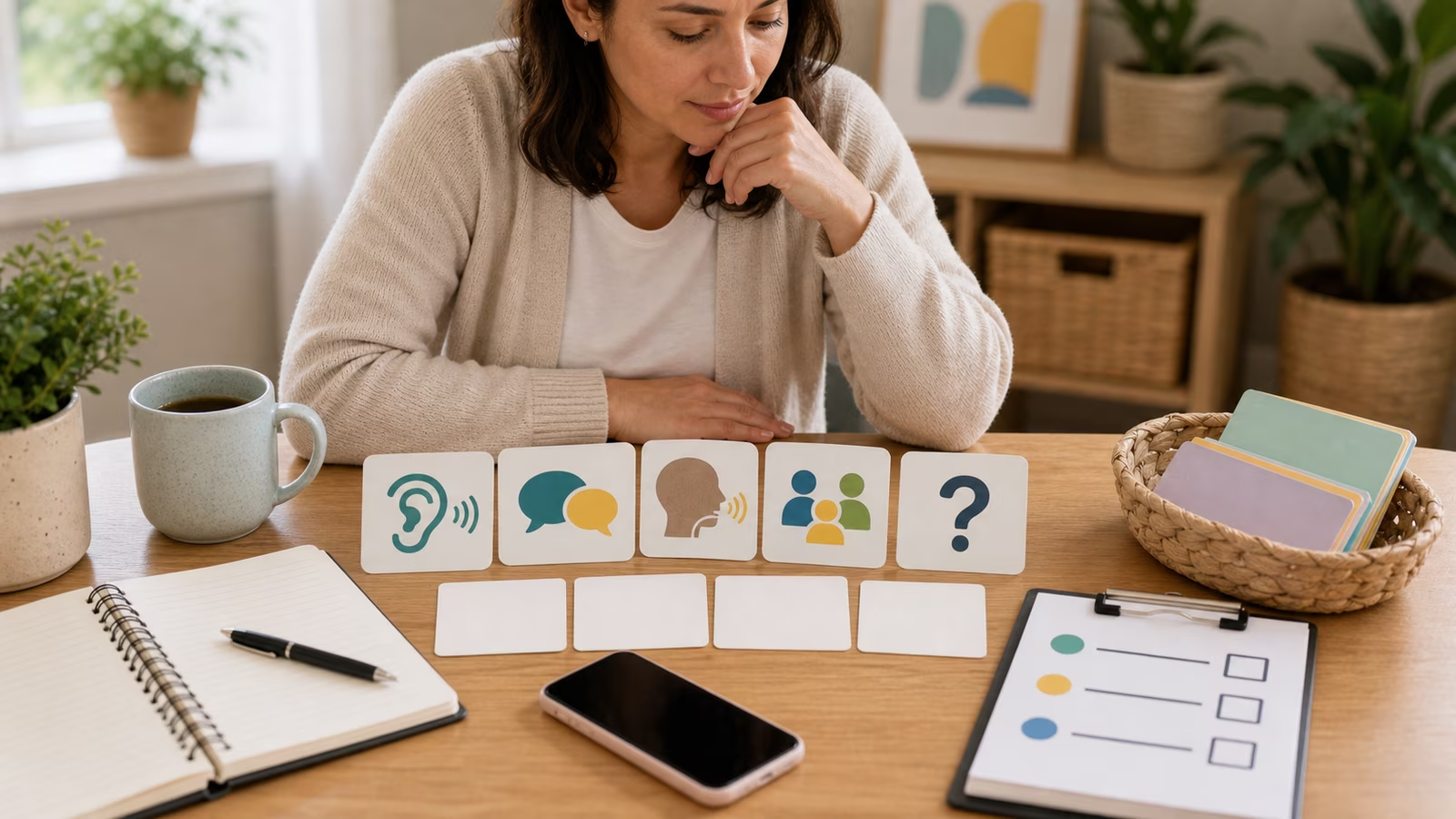
Use this shelf as a map, not a diagnosis. Each guidebook explains one speech-language pathology topic in plain language, names common misconceptions, suggests observations to bring to a professional, and points back to safe home-practice support where it belongs.
Reading path
- Speech Pathology Quickstart: What SLPs Help With
- Speech vs Language vs Voice vs Fluency: The Big Map
- When to Ask for a Speech-Language Evaluation
- Articulation and Speech Sounds: A Beginner Guide
- Phonological Patterns Without Panic
- Speech Sound Stimulability and Cues: Finding What Helps a Sound Emerge
- Speech Sound Carryover: From Practice Words to Real Conversation
- Phonological Awareness: Speech Sounds, Listening, and Early Literacy
- Childhood Apraxia of Speech: Motor Planning, Clarity, and Support
- Dysarthria and Motor Speech Clarity: What Changes and What Helps
- Accent, Dialect, and Difference: Not Every Variation Is a Disorder
- Language Development: Receptive, Expressive, Pragmatics, and More
- Receptive Language: Understanding Before Answering
- Grammar and Morphology Support: Sentences, Word Endings, and Meaning
- Word Finding and Vocabulary Support: Helping Children Reach the Words They Know
- Play-Based Language Support: Talk That Belongs in the Moment
- Shared Book Reading for Language Growth: Talk Around the Page
- Speech-Language Support for Literacy: Sounds, Stories, and School Access
- Narrative Language and Story Retell: Why Stories Matter
- Inference and Figurative Language: Helping Meaning Make Sense
- Speech and Language Milestones: How to Read Them Carefully
- Late Talkers and Early Intervention: What Families Can Observe
- Echolalia and Gestalt Language Processing: Meaning Before Correction
- Stuttering and Fluency Basics
- Preschool Stuttering Support: Listening Calmly Before Pressure Builds
- Cluttering and Fast Speech: Rate, Clarity, and Participation
- Voice, Resonance, and When Voice Changes Need Attention
- Children’s Voice and Hoarseness: When Rough Voices Need Attention
- Cleft Palate, Resonance, and Speech Support
- Voice Care for High-Demand Speakers
- Gender-Affirming Voice and Communication Support
- Orofacial Myofunctional Questions: Mouth, Breathing, Resonance, and Speech
- Social Communication and Pragmatics Basics
- Autistic Communication Support: Access, Preference, and Respect
- Selective Mutism, Speaking Demands, and Communication Support
- AAC Basics: Communication Support Beyond Speech
- AAC in Daily Routines: Communication Beyond the Practice Table
- AAC Access Methods: Touch, Eye Gaze, Switches, and Partner Scanning
- AAC Vocabulary Organization: Core Words, Personal Messages, and Real Choice
- Communication Repair and Self-Advocacy: When Messages Break Down
- Communication Partner Training: How Listeners Help Communication Work
- Bilingual Speech and Language: Myths and Better Questions
- Hearing, Listening, and Speech-Language Development
- Classroom Listening and Following Directions: Language, Noise, and Access
- Executive Function, Language, and Everyday Planning
- School Speech Services, IEPs, and Parent Questions
- Adolescent Communication Support: Teens, Identity, and Participation
- Speech-Language Screenings vs Evaluations: What Each Can Tell You
- Reading a Speech-Language Evaluation Report Without Getting Lost
- Standard Scores in Speech-Language Reports: Reading Numbers Carefully
- Therapy Goals and Progress Notes: What Meaningful Change Looks Like
- Therapy Discharge, Maintenance, and Returning When Needs Change
- Adult Speech-Language Support After Stroke or Brain Injury
- Acquired Apraxia of Speech in Adults: Motor Planning After Neurological Change
- Aphasia Communication Support: Words, Identity, and Participation
- Cognitive-Communication After Concussion and Brain Injury
- Right Hemisphere Communication Support After Stroke or Brain Injury
- Dementia and Progressive Communication Support
- Feeding and Swallowing: What Belongs in Professional Care
- Pediatric Feeding Support: Mealtimes, Participation, and Team Care
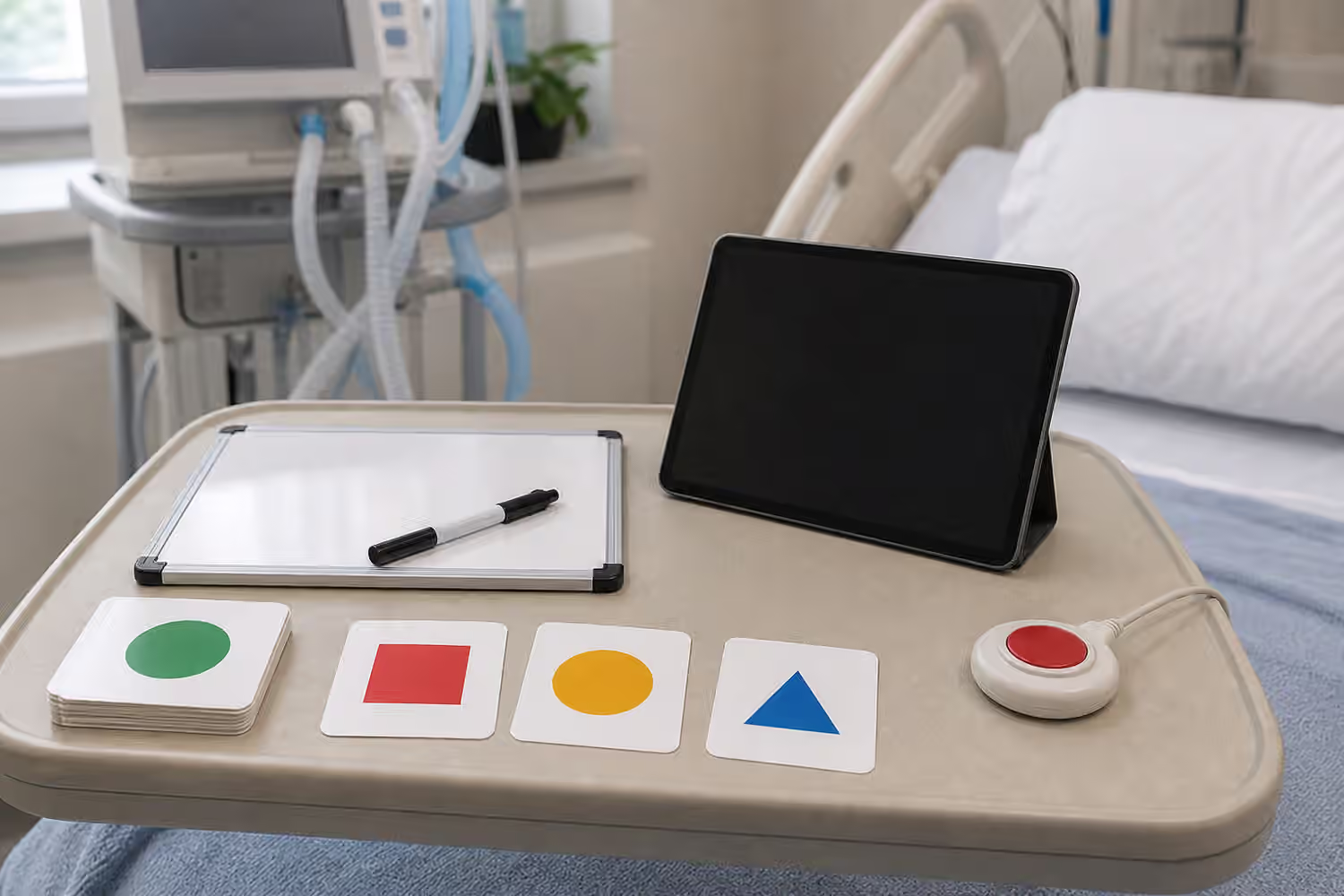
- Tracheostomy and Ventilator Communication Access: Being Heard During Medical Care
- Telepractice and Remote Speech Therapy: What to Check
- Home Practice Without Pressure: Safe, Short, and Supportive
- Language Sampling: Everyday Communication Notes That Help
- Visual Supports for Communication Access: More Than Pictures on a Wall
- Interpreters in Speech-Language Evaluations: Keeping Language Access Clear
- Stuttering Support at School and Work: Participation Without Pressure
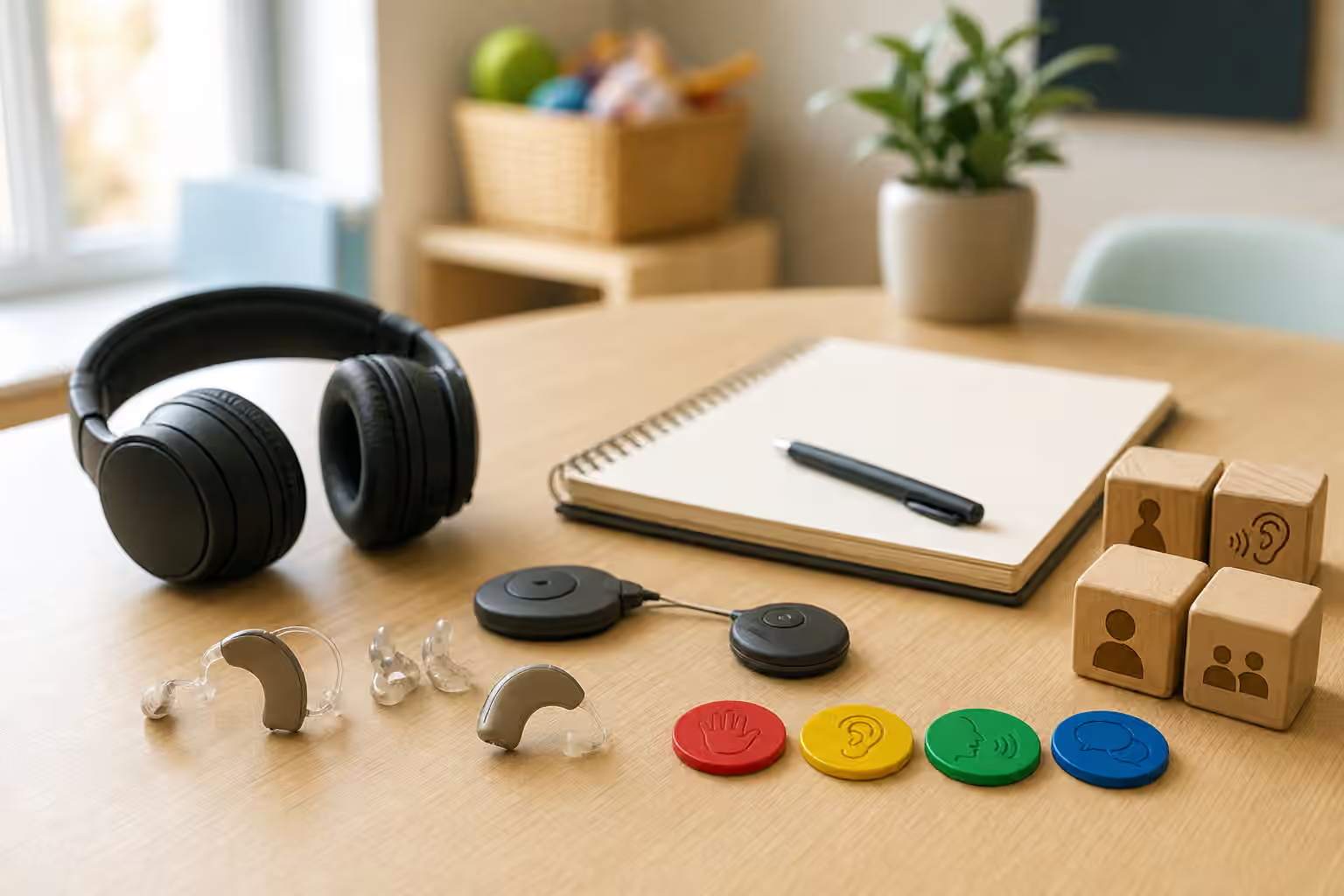
- Hearing Aids, Cochlear Implants, and Listening Access
- Caregiver Coaching in Speech Therapy: Help That Fits Real Routines
- Group Conversation Participation: Timing, Repair, and Belonging
- Progressive Neurologic Communication Planning: Speech, Voice, and Backup Routes
- Parkinson’s Voice and Speech Support: Loudness, Clarity, and Participation
- Voice Banking and Message Banking: Preserving Personal Communication
- Head and Neck Cancer Communication and Swallowing Support
- Laryngectomy and Alaryngeal Communication: Voice, Identity, and Choice
- Medical Appointment Communication Access: Being Understood in Care
- Emergency Communication Access Planning: Backup Messages Before Stress Hits
Practice support
When a guidebook points toward home routines, continue in the Speech Therapy hub . Speech Genie Practice Studio can help with local practice prompts, reflection notes, export, and delete controls, but it cannot diagnose or replace professional care.