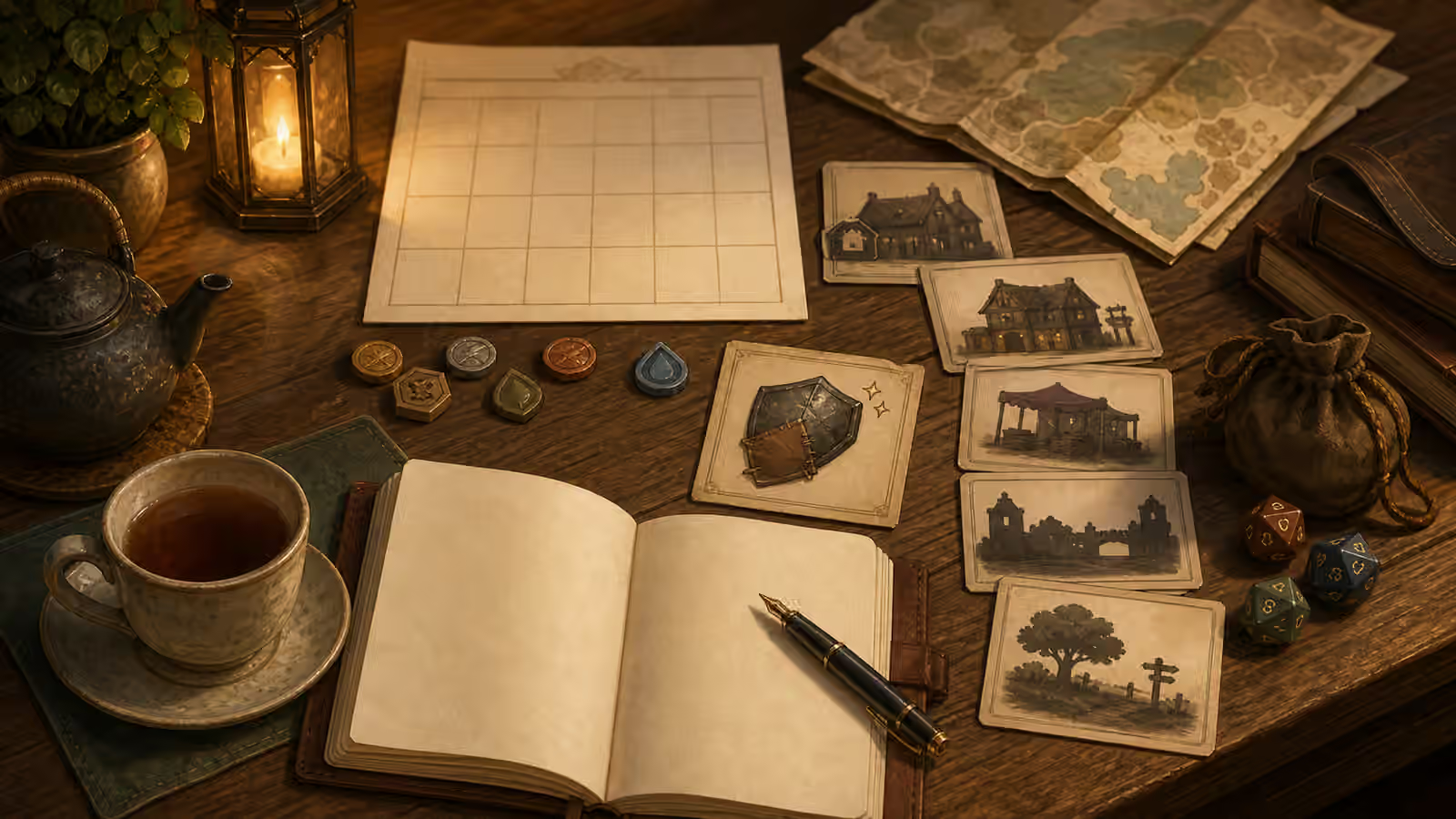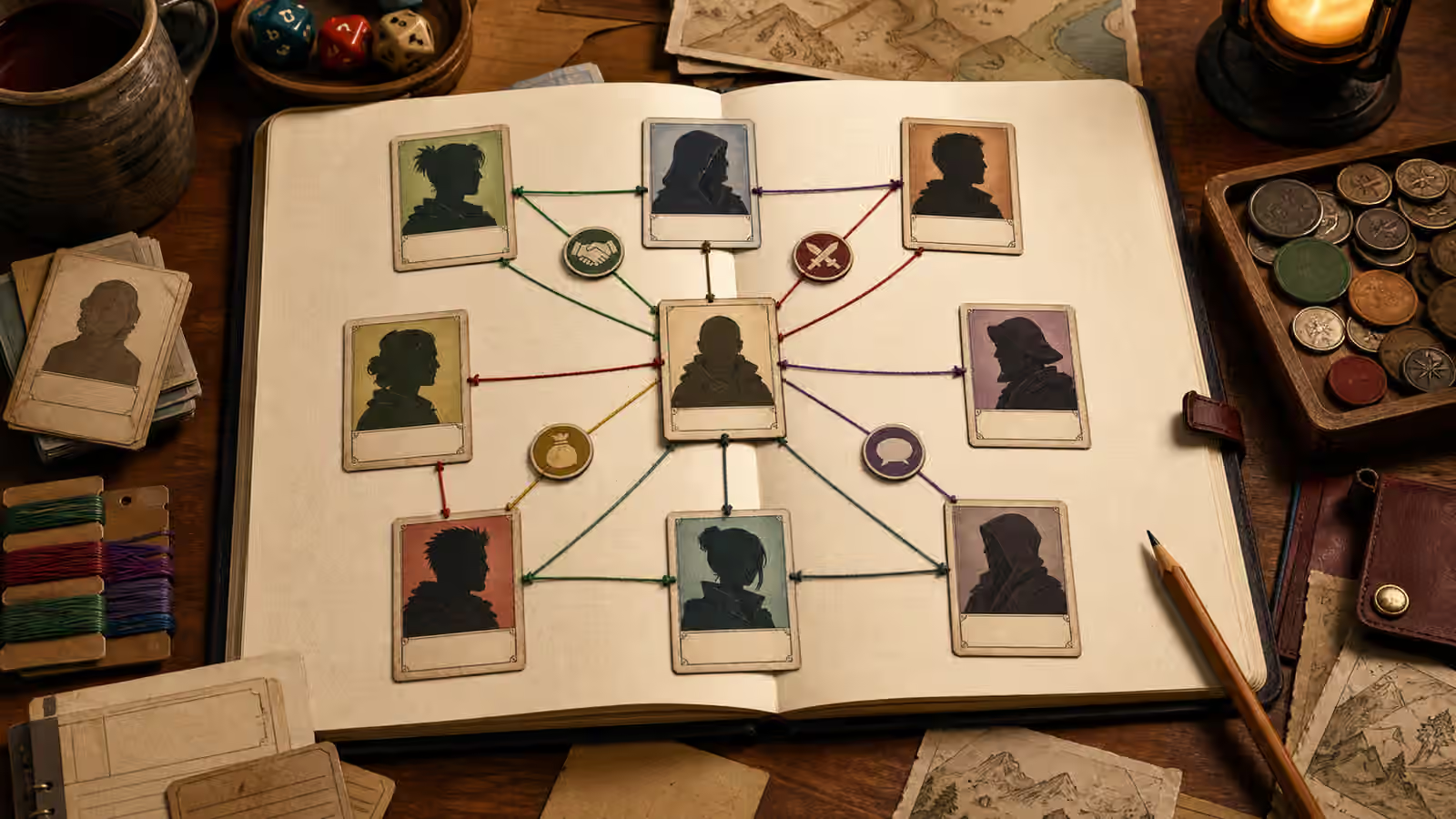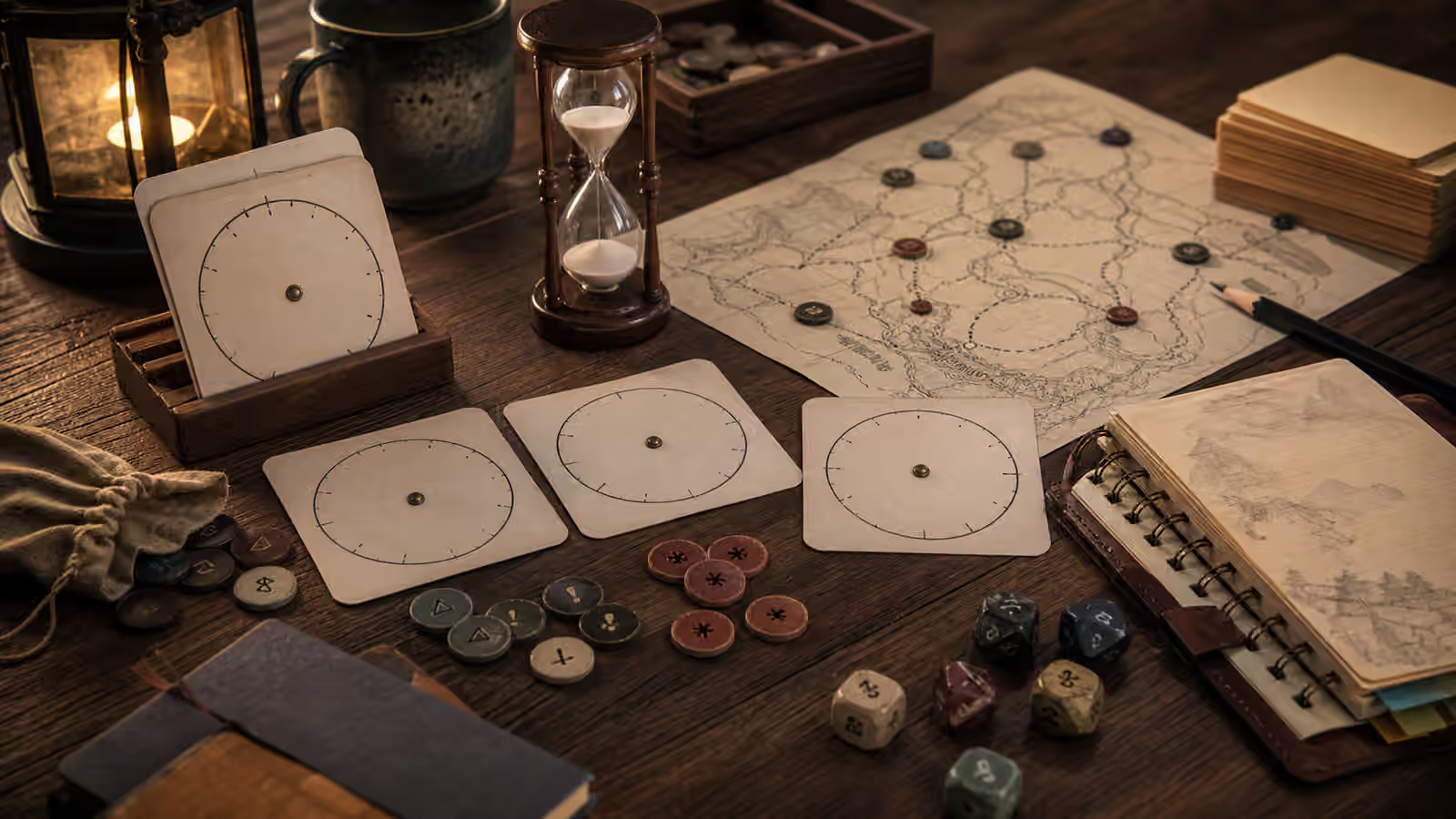
A travel kit is for small play windows: a cafe table, hotel desk, park bench, waiting room, train tray, or lunch break. It should fit the space, respect nearby people, and stop cleanly when the moment ends.
Pack Fewer Objects
Start with a notebook, pencil, one die or coin, six blank cards, and a folded reference. Add a small pouch or tin so pieces do not scatter. If the game needs a full table, it is not the travel kit game.
Use legal copies. Avoid spreading paid pages, spoilers, or copied art in public.
Pack by function rather than by collection. You need a randomizer, a writing surface, a few prompts, a way to mark state, and a way to stop. Extra dice, extra zines, and extra tokens can make the kit feel prepared while making it harder to use. If an object has not helped three travel sessions, remove it.
Keep It Quiet
Dice can be loud on hard tables. Use a felt tray, dice tin lid with padding, coin flip into your palm, or token draw bag. Keep cards and zines inside your own table footprint. Shared spaces are not private game rooms.
If people may see the materials, choose content that matches the environment.
Public respect includes attention and privacy. Do not spread components across shared seating, block service tables, or read intense content aloud around people who did not choose it. Use blank covers, folded pages, or neutral prompt cards when content notes or spoilers matter.
Build a Stop Rule
Before play, write the stop rule: finish one prompt, one room, one travel check, or one paragraph. Then write a restart line before packing the kit. Public play often ends suddenly, so the kit needs a graceful close.
The restart line should fit on one card: current place, open question, next roll, and any state marker. If you cannot write that before leaving, take a quick private photo for recall and transcribe it later. Do not rely on memory after a commute or appointment.
Make It Accessible
Small travel gear can become too small. Use larger dice, bigger cards, high-contrast notes, or a phone note as an access tool if needed. Analog play does not require rejecting useful supports.
Also consider weight, grip, and weather. A kit that is too heavy will stay home. A pencil without a cap can mark a bag. Thin paper may fail outdoors. Choose materials that survive the places you actually play, not just the kit photo you imagine.