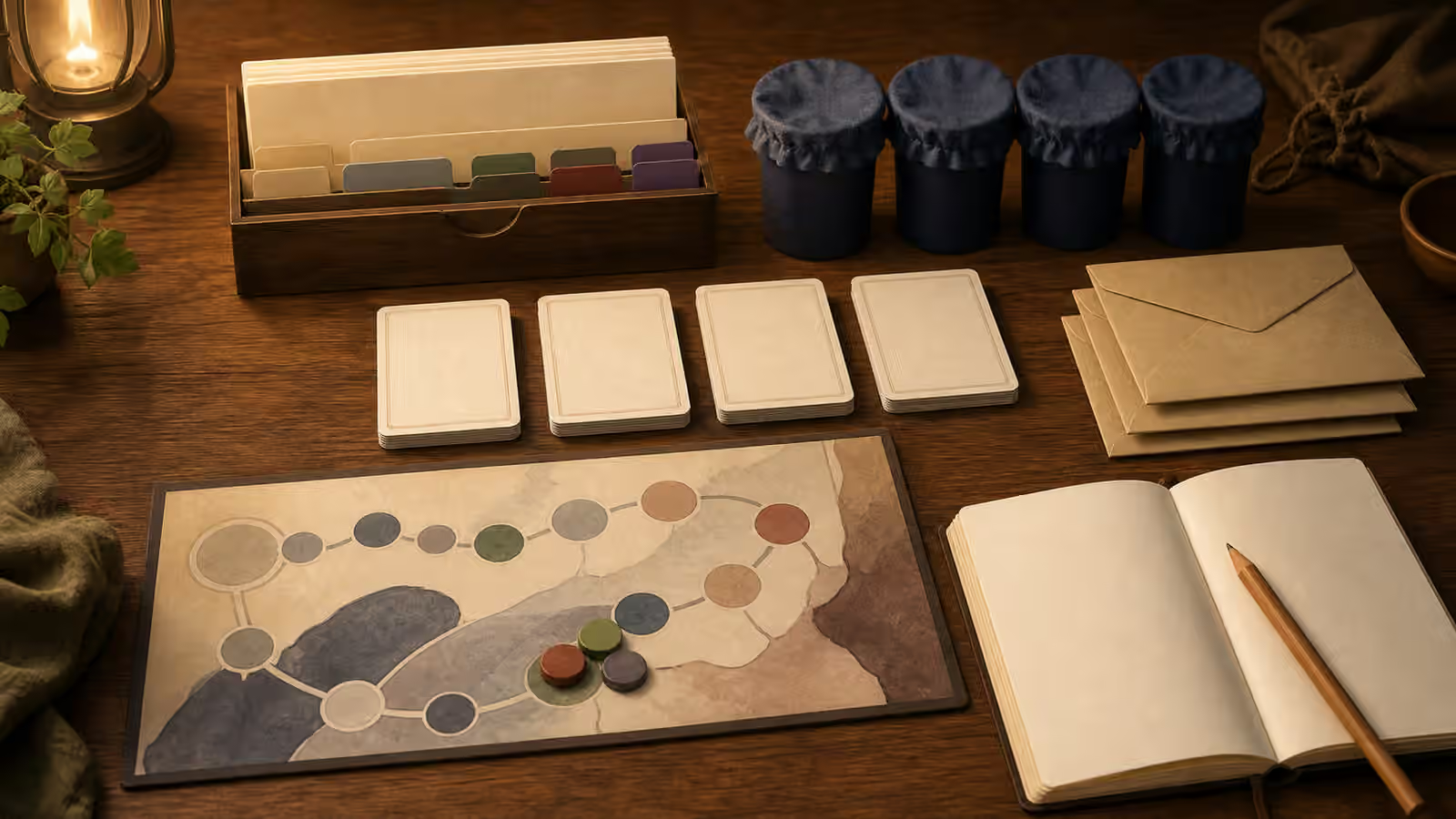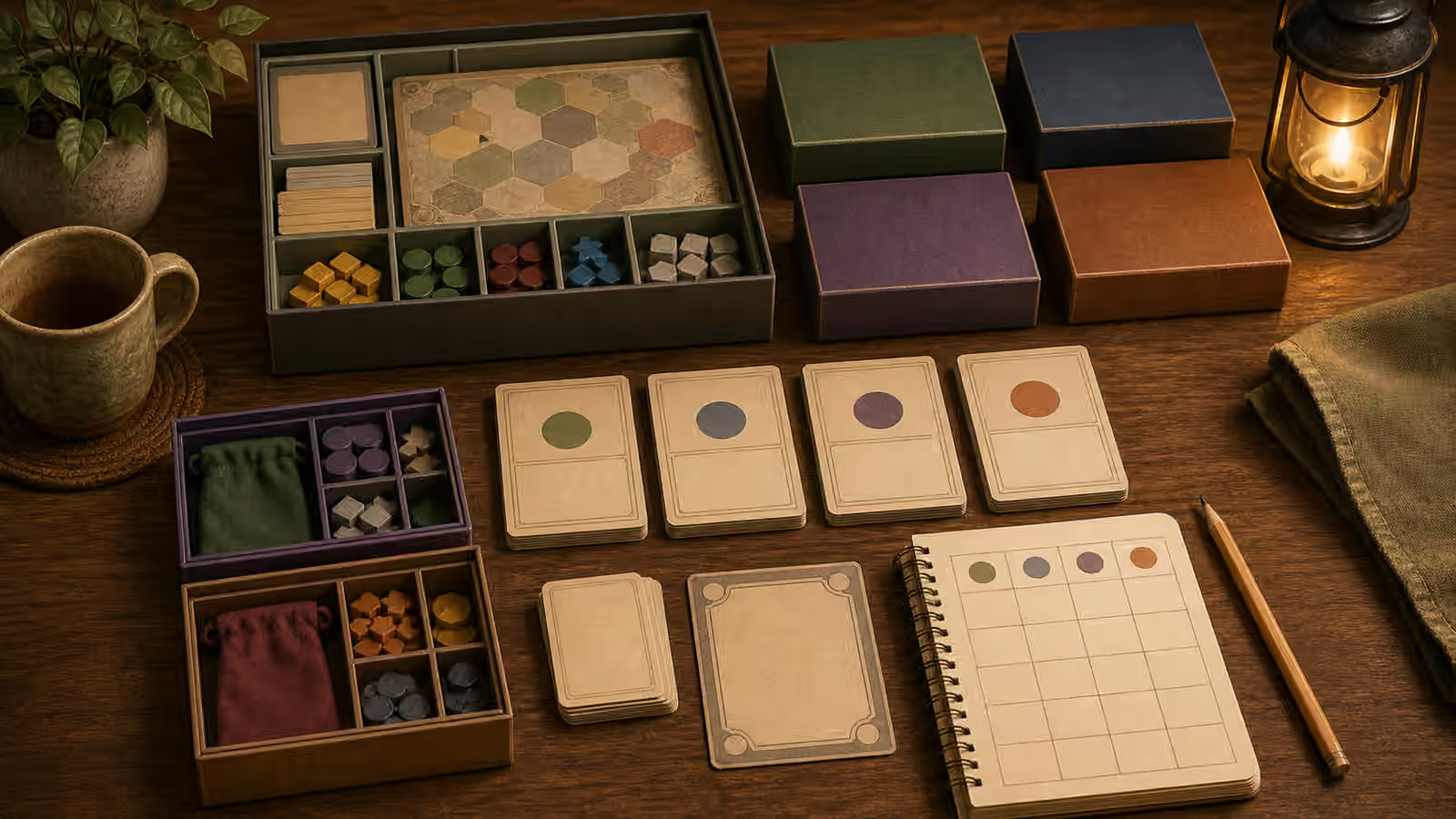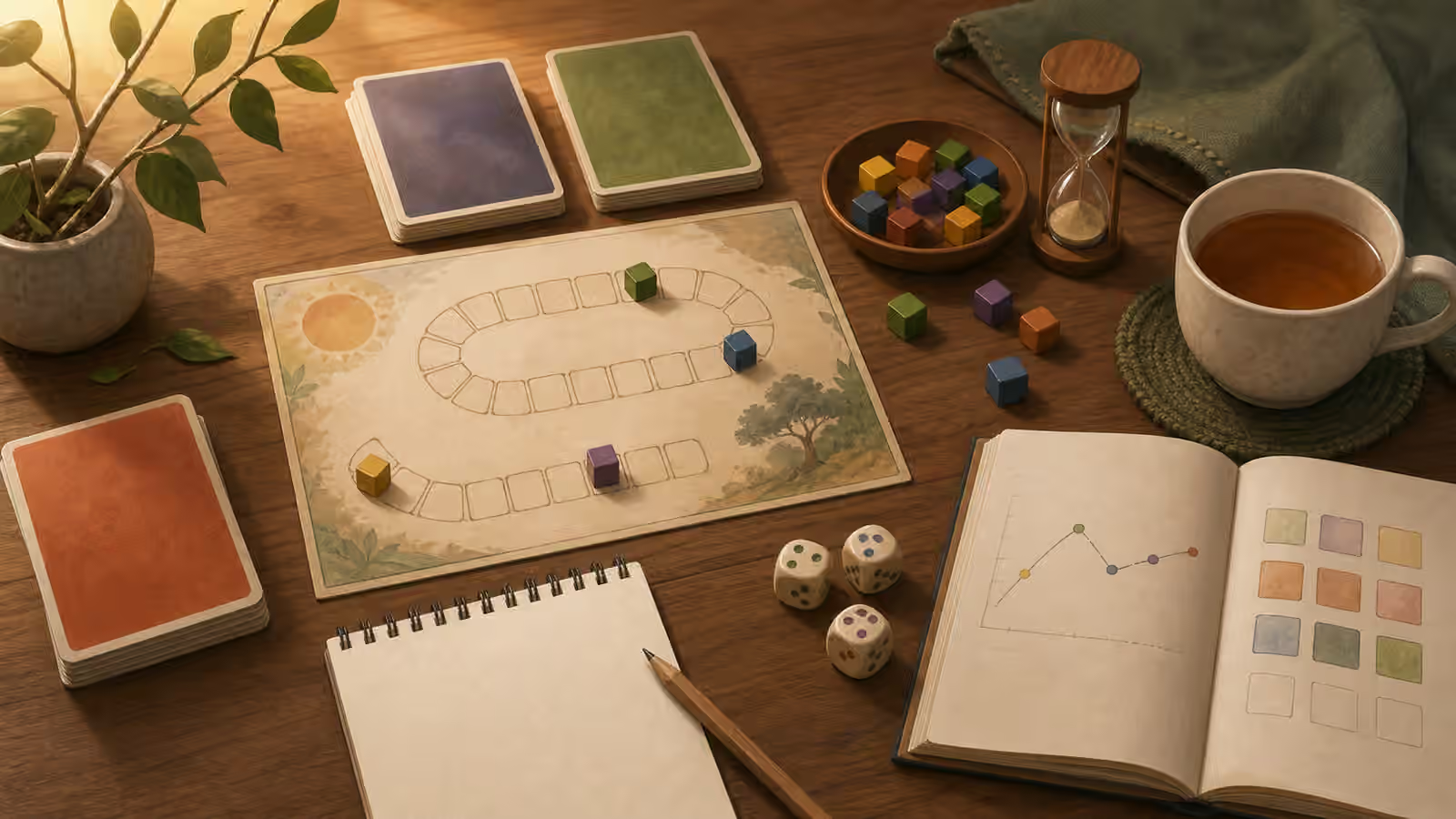
Learning a rulebook alone is a different skill from playing the game. A rulebook may be accurate and still be hard to start from. Your job is not to prove you can absorb the whole system before moving a token. Your job is to find the first legal turn, play it slowly, and leave enough evidence to continue.
Read in Passes
Use three passes. The first pass is orientation: what are you, what are you trying to do, what counts as a turn, and how does the game end or pause? Do not annotate everything. Mark only setup, turn order, resolution, and save rules.
The second pass is table pass. Put the components out while reading. When a rule says “draw,” “place,” “roll,” or “advance,” touch the relevant object. Your hands will notice missing information faster than your eyes will.
The third pass is first-turn pass. Play one small legal sequence. It can be a tutorial turn, first room, first prompt, first travel check, or first round. Stop before fatigue turns learning into resentment.
Make a Player Aid in Your Own Words
Write a private aid with four headings: setup, turn loop, common checks, and stop state. Keep it short. Do not copy long rulebook passages into a public post or file. Summarize in your own words, keep the official book nearby, and link to official support when sharing advice.
If the rulebook has examples, use them. If the example still leaves a gap, write the question down and keep playing with the least dramatic interpretation. Solo play tolerates temporary rulings.
Use Access Supports Early
Large rulebooks, small icons, low-contrast diagrams, and dense paragraphs can block play. Use page flags, a reading stand, a magnifier, better light, printed player aids where permitted, voice notes, or a smaller session. If a game needs six reference sheets to feel fair, that is useful information for future choices.
Borrow the Startable Life Lab habit: name the first physical move. “Open to setup.” “Place the starting card.” “Roll the first check.” The move matters more than a perfect understanding.
Stop With a Question List
At the end, write three lines: what worked, what confused me, and next session begins with. A question list is not failure. It is the bridge between reading and playing.
When the rules finally click, do not erase the learning path. Future you may need that path again after a long break.