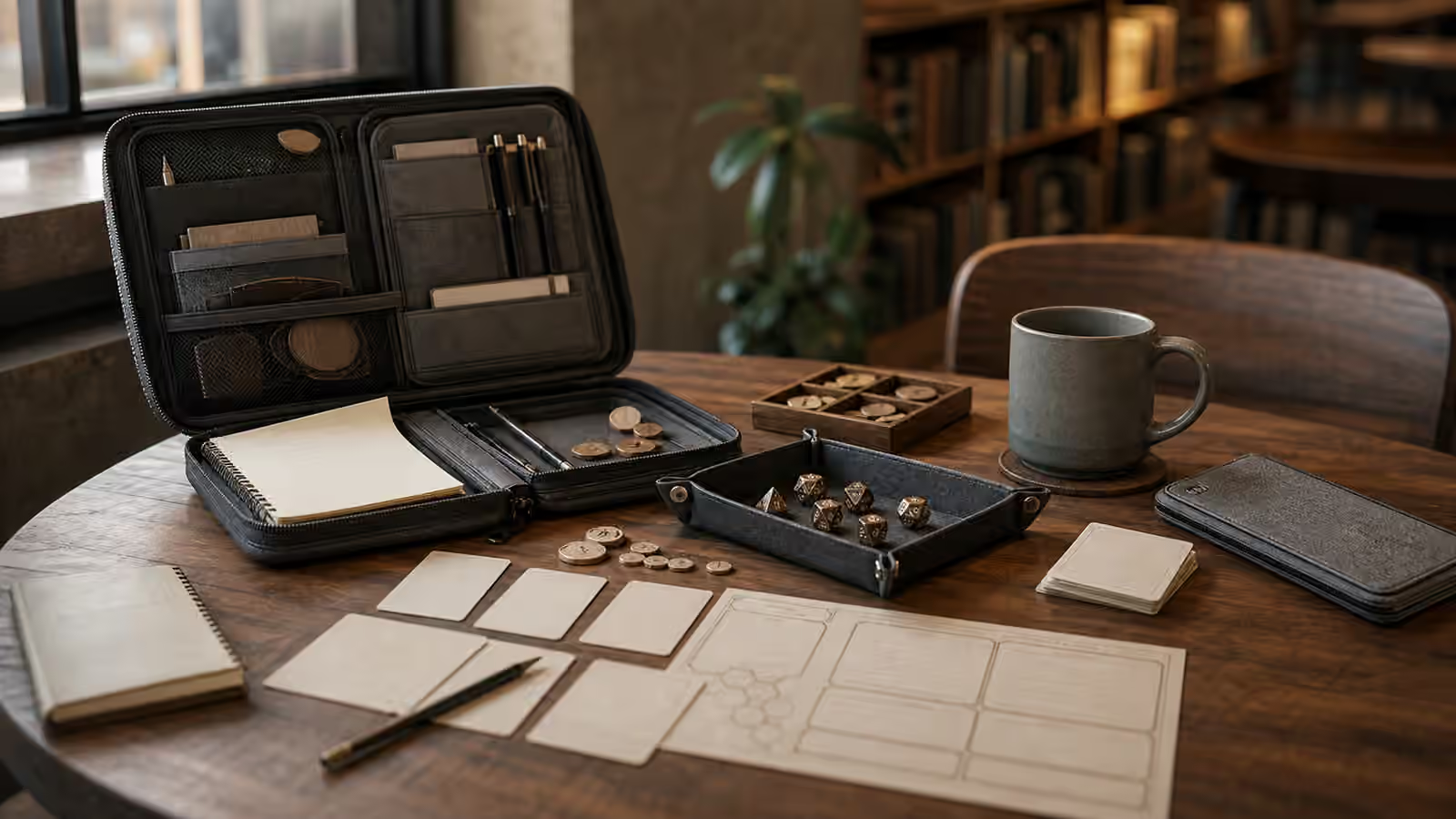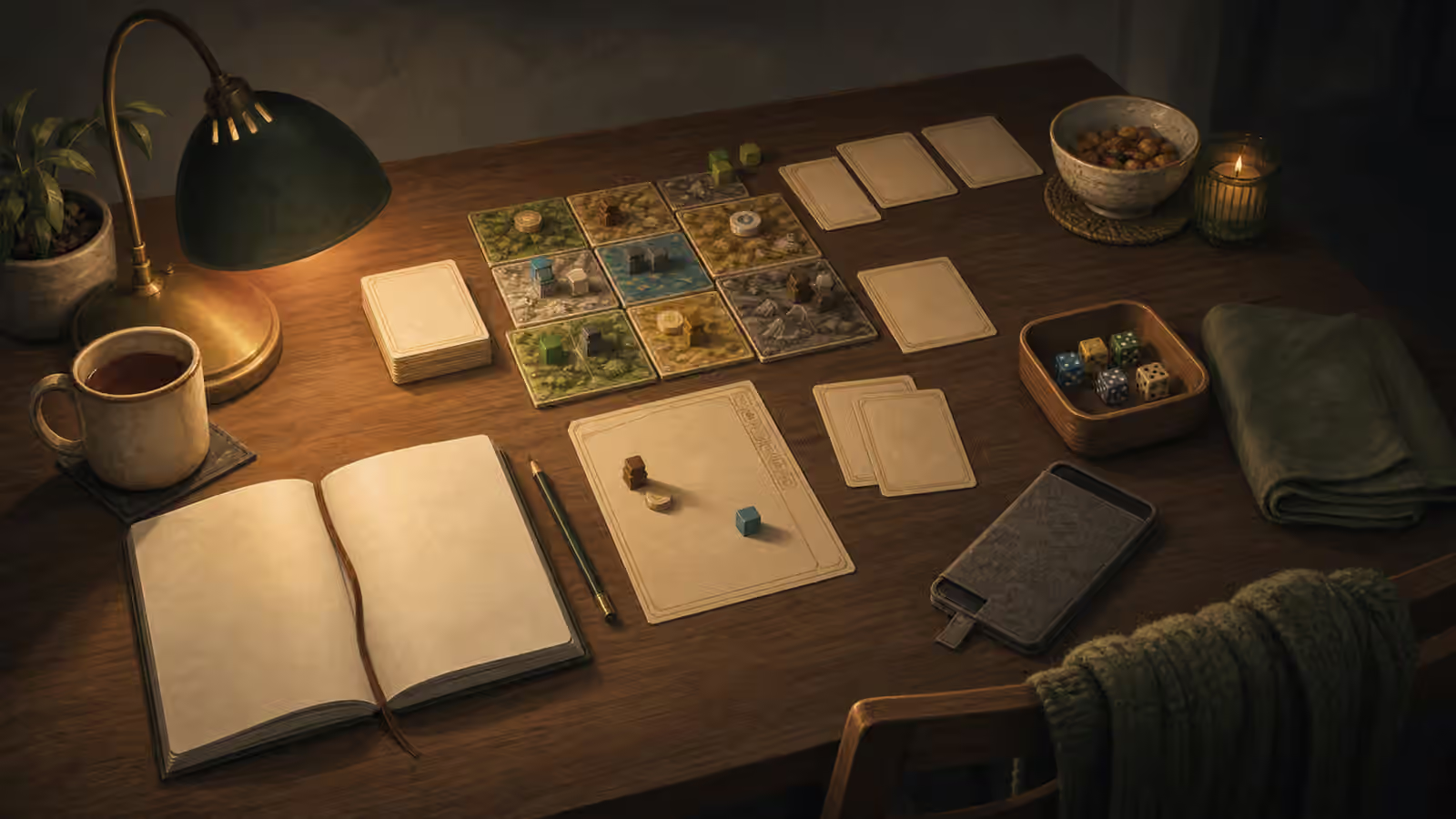
Atmosphere can help a solo table feel entered. A lamp turns on, a cloth marks the surface, dice move into a tray, a mug sits safely away from cards, and the session begins to feel separate from the rest of the day. That small transition matters. It tells the body that the table has a purpose.
The trap is overproduction. Solo play can become delayed by playlists, props, candles, camera angles, elaborate lighting, custom inserts, and the imagined judgment of an audience that is not actually present. A session that needed twenty minutes can disappear into preparation for a mood. The better approach is modest: choose one or two cues that make play easier to start, easier to sustain, and easier to close.
The cue should be easy to repeat on a tired night. If the atmosphere only works when the whole room is cleaned, the best chair is free, and every component looks ready for a photograph, it will not support ordinary play. A stable small ritual is stronger than an impressive occasional one. Keep the version that survives laundry on the table, a late start, a shared room, and a game that only has time for one scene.
Give Atmosphere a Job
Before adding a cue, name its job. Light may reduce eye strain. A cloth may define the play area. Quiet music may soften household noise. A bowl may keep tokens from spreading. A mug may make the session feel cared for. A closed phone sleeve may reduce attention drift without shaming digital tools. If a cue has no job, it may still be pleasant, but it should not become a requirement.
This keeps atmosphere connected to Analog Play as a Creative Ritual, Not a Productivity Hack . Ritual works when it lowers the threshold into attention. It fails when it becomes a second hobby that must be perfected before the first hobby can begin.
For many tables, the right atmosphere is almost invisible. Clear the surface. Turn on one lamp. Put active components inside reach. Set the rulebook on a stand. Move the drink. Start the first turn.
Use Light as a Practical Tool
Lighting is the most useful atmosphere choice because it affects access immediately. Warm light can feel calm, but it still needs to make icons, dice, card edges, and pencil marks visible. Avoid glare on sleeved cards. Put the lamp where your own hand does not cast a shadow over the notebook. If the room is shared, shield the light so it does not become someone else’s problem.
Different games need different light. A map drawing session may need bright even light. A journaling RPG may tolerate a softer pool. A tactical board game with many small symbols may need clarity more than mood. If the image in your head conflicts with what your eyes need, choose your eyes.
This is also an accessibility issue. Large dice, higher contrast, and good light are not decorations. They are part of the table working.
Keep Sound Optional
Sound can support focus, but it can also take over. A playlist that constantly demands adjustment is not atmosphere anymore. It is a second interface. If music helps, choose something that can run unattended, stays at a comfortable volume, and does not carry lyrics or emotional cues that fight the session. If silence helps, use silence. If household sound remains present, the game is still real.
Respect shared walls and shared rooms. Dice Tray, Quiet Play, and Shared-Wall Table Manners treats noise as part of care. The same applies to ambience. A solo session should not require everyone nearby to join the mood.
Use licensed or original sound if you share recordings, actual plays, or recap videos. Private play gives you more freedom, but public sharing has creator and platform boundaries.
Let Props Stay Humble
Props can anchor a scene. A coin for luck, a stone for a mountain pass, a folded cloth for a safe zone, or a small token for a recurring character can make the fiction tactile. The danger is substitution. Props should not replace decisions, notes, or play. They should make those things easier to feel.
Use generic objects when possible. Avoid recognizable branded pieces, copied art, or props that imply a different age rating than the session. A cozy town game does not need a full miniature market. It may need three tokens, a blank shop card, and enough space to write what changed.
If props slow setup, limit them to one anchor object. Put it away with the campaign so it appears only when useful. A prop that must be hunted across the house is not supporting the table.
Food and Drink Need Boundaries
Snacks and drinks can make a low-cost game night feel deliberate, but they need physical boundaries. Keep liquids away from cards and notebooks. Choose bowls that do not scatter crumbs into components. Wash hands before handling paper. If the table is tiny, the best atmosphere move may be putting the drink on a separate stool.
This is not preciousness. It is respect for materials, borrowed games, print-and-play work, and future sessions. If children, pets, or guests use the room, store food and small parts with more care. The table can feel warm without becoming risky for the components or the people nearby.
Build a Two-Minute Opening
A useful atmosphere ritual should fit inside two minutes. Turn on the lamp. Put the tray down. Open the notebook. Set one restart cue where you can see it. Move the phone into whatever position supports tonight, which might be away, face down, used for access, or ready for a private save photo. Then begin.
Morning, Lunch, and Evening Play Windows is relevant because different windows need different thresholds. A lunch scene cannot depend on a long setup. An evening campaign may welcome slower preparation. The ritual should fit the actual time window.
Close the Mood Deliberately
Atmosphere should help the ending too. Turn off the lamp, cover the game, put dice away, write the restart line, and return the room to ordinary use. This closing step prevents the session from bleeding into guilt about cleanup or unfinished play.
The plain table is always enough. Atmosphere is not proof of seriousness, taste, or belonging. It is a small set of cues that help the player arrive, stay, and leave. When it does that, it has done its job.