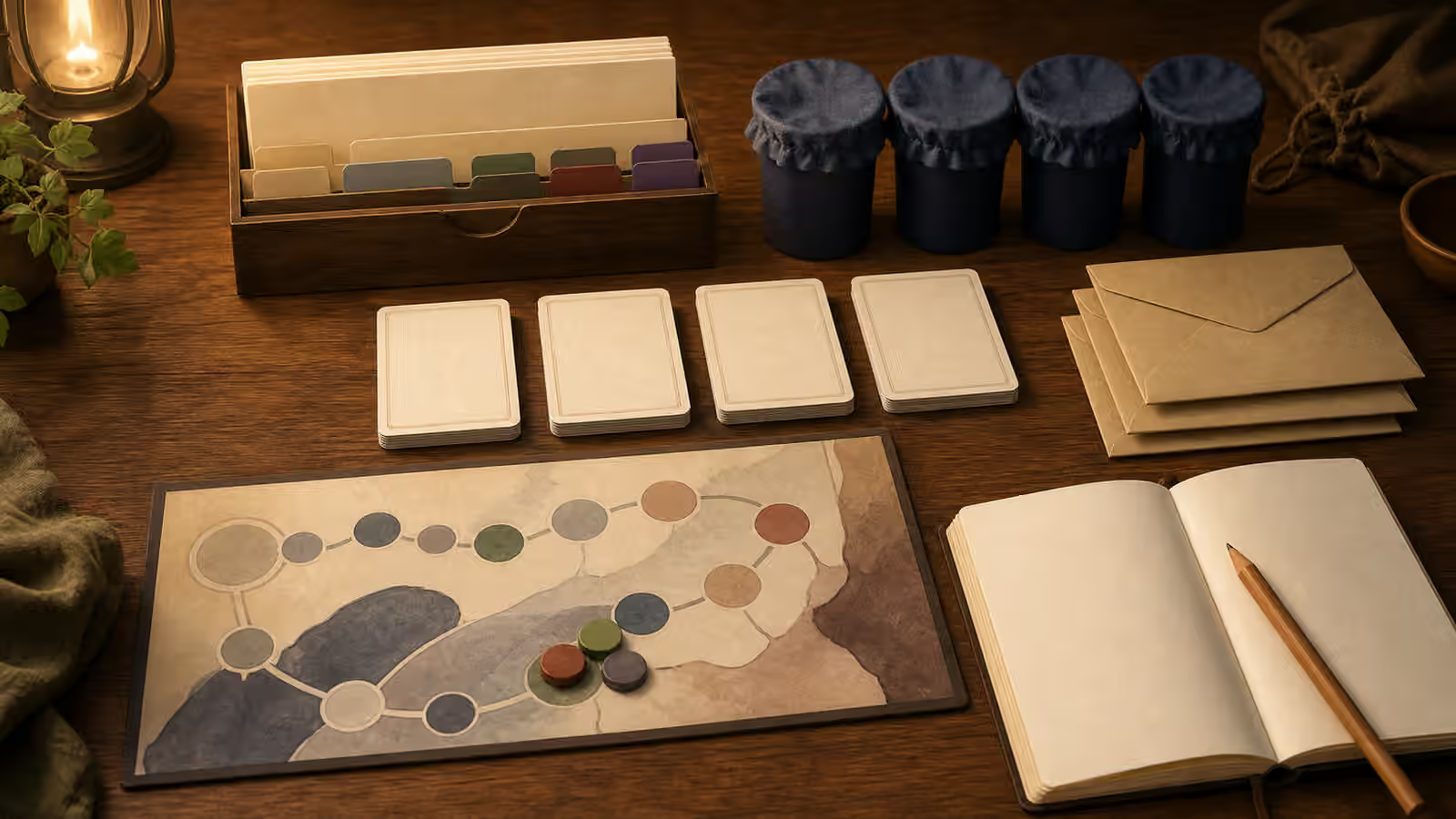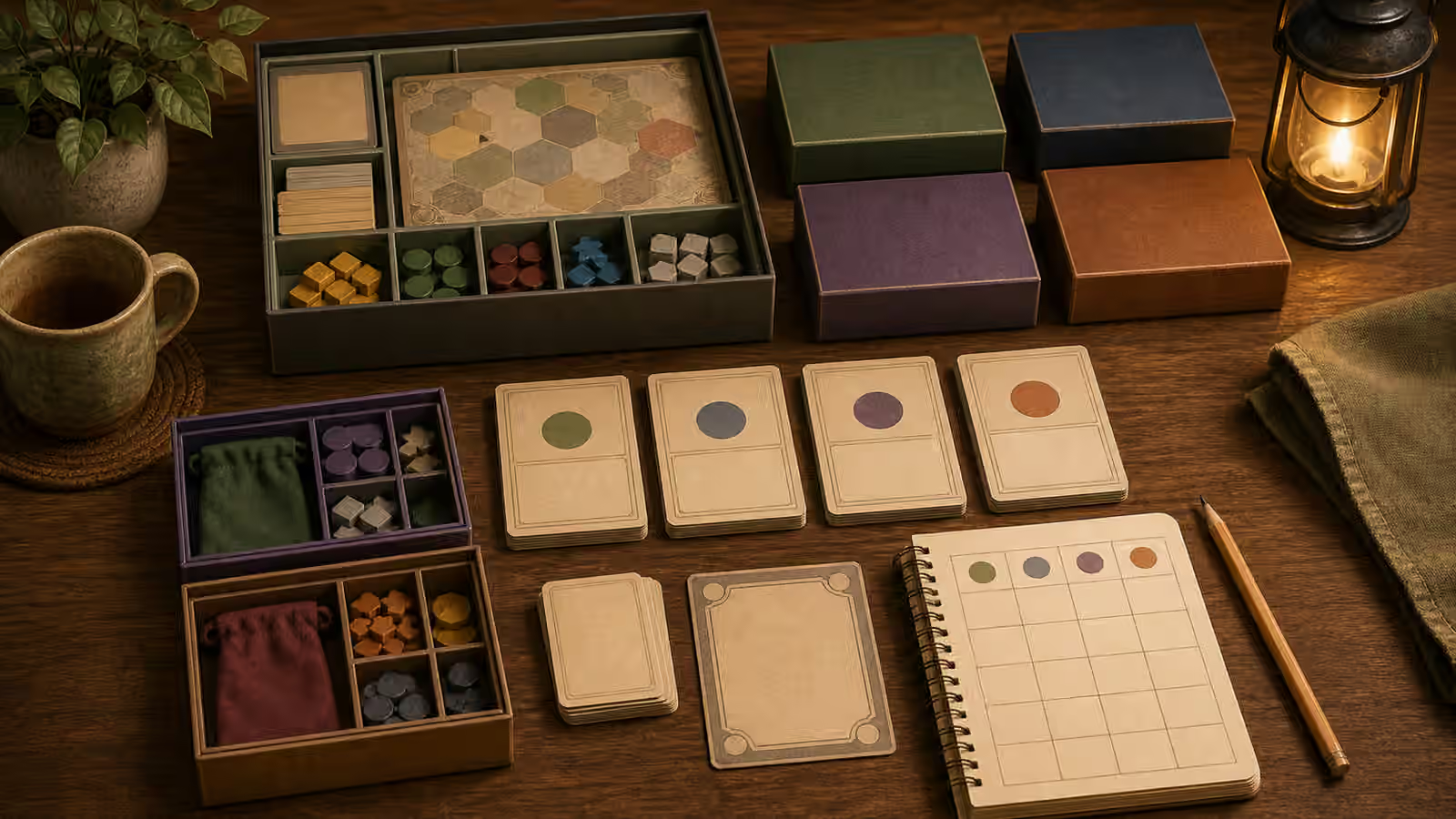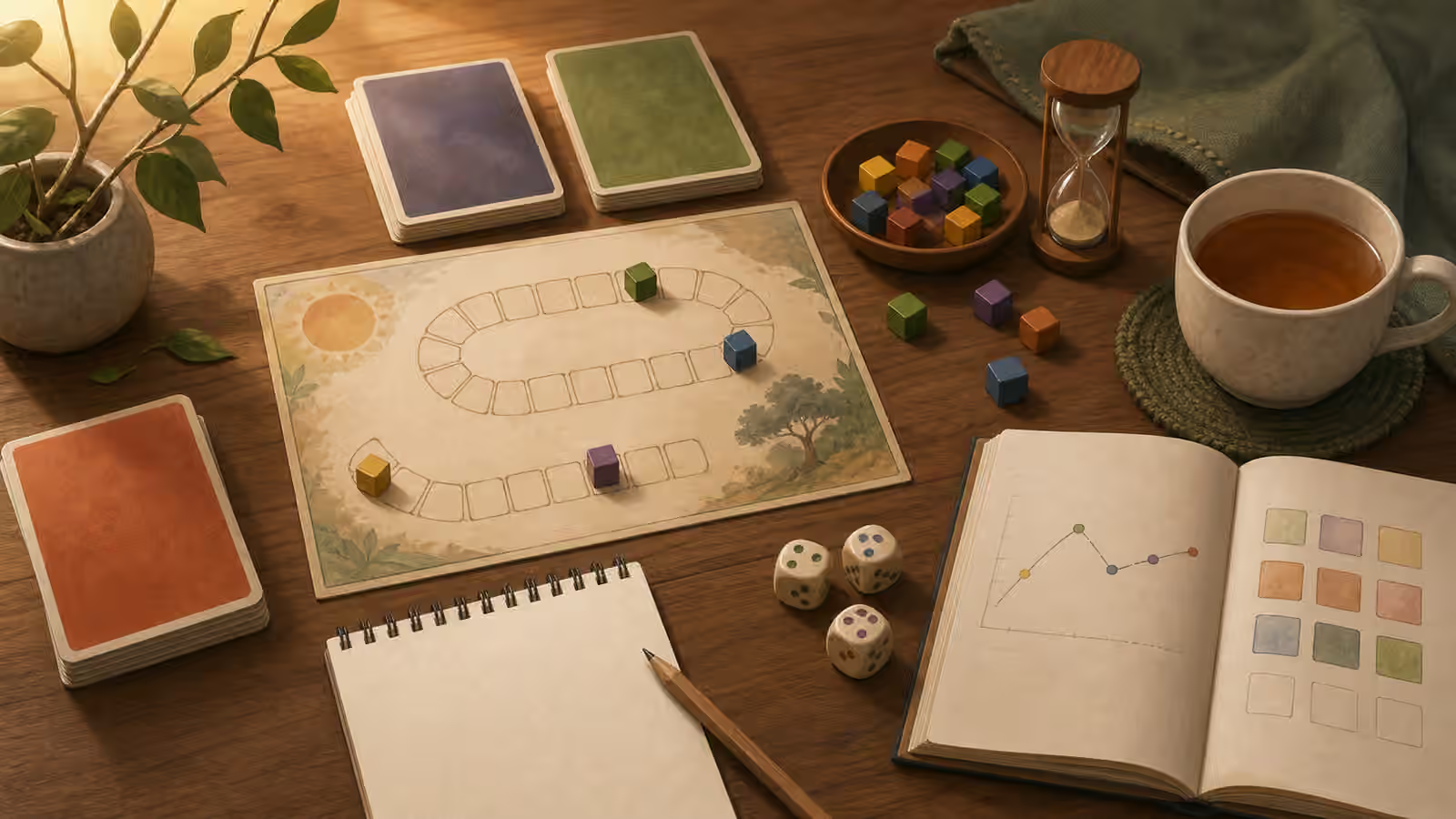
The Solo Game Finder is a fit check. It does not know your shelf, your exact body, your day, or your taste better than you do. Its job is to stop the most common stall: staring at choices until the play window disappears.
Enter Tonight, Not Your Ideal Self
Choose the mood, time, rules energy, table space, and budget that are true right now. If you have 20 minutes, say 20 minutes. If the table is tiny, say tiny. If rules learning sounds awful tonight, choose low.
The result should suggest a format: cozy journaling, compact board game, print-and-play, tactical puzzle, map adventure, or campaign session.
Add one access or content constraint before trusting the result. Maybe text must be large, setup must stay seated, themes must be all-ages nearby, or shuffling is not a good idea tonight. A finder that ignores the body and room can still point to the wrong game even when the mood match looks right.
Treat the Result as a Shortlist
Pick one owned, borrowed, printed, or library option that matches the format. If none fit, choose the nearest smaller version. A tool result is not a command to buy.
If content notes, access needs, or age rating conflict with the result, override it.
Make the shortlist concrete: first choice, easier backup, and no-spend backup. The no-spend backup might be a legal PDF you already own, a library copy, an index-card oracle, or a replay of a familiar game. This keeps the tool from turning selection into shopping.
Make the First Physical Move
After choosing, set a ten-minute setup limit. Open the box, place the notebook, or print the single page. If setup exceeds the limit, switch to a smaller option without shame.
The method succeeds when play begins.
The first physical move should be impossible to overthink. Put one die in the tray. Open the rulebook to setup. Write the character name. Cut only the cards needed for one scene. Once the hand has moved, the choice loop is broken and the play loop can start.
Close the Choice Loop
At the end, write whether the fit was right: too long, too heavy, too much table, good mood match, or better with one friend. That note improves the next choice.
Do not grade yourself. Grade the fit. “Good game, wrong evening” is a useful note. “Needed brighter light” is useful. “I wanted company” is useful. Over time, these notes become a personal recommendation engine that is better than any generic ranking.