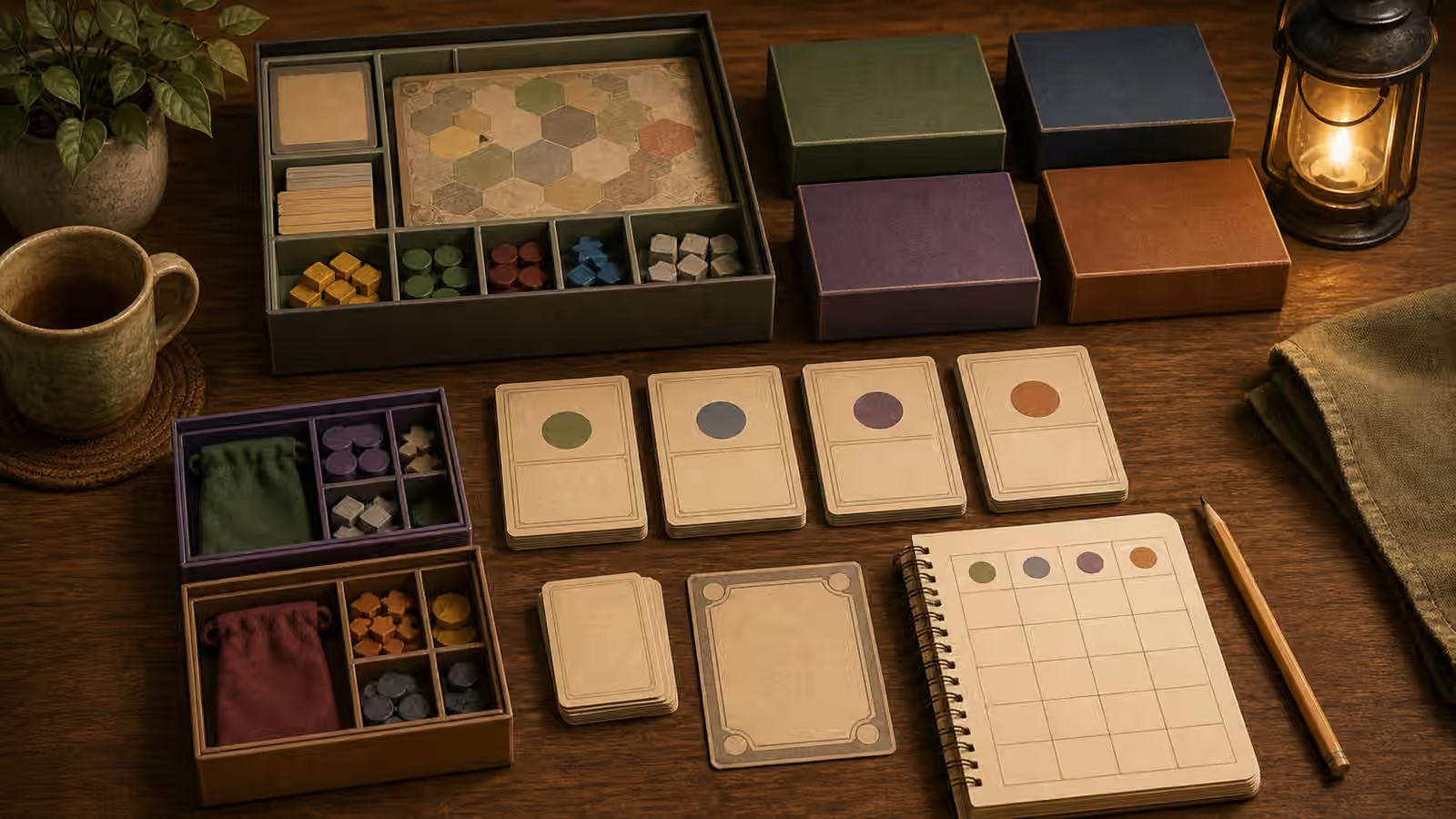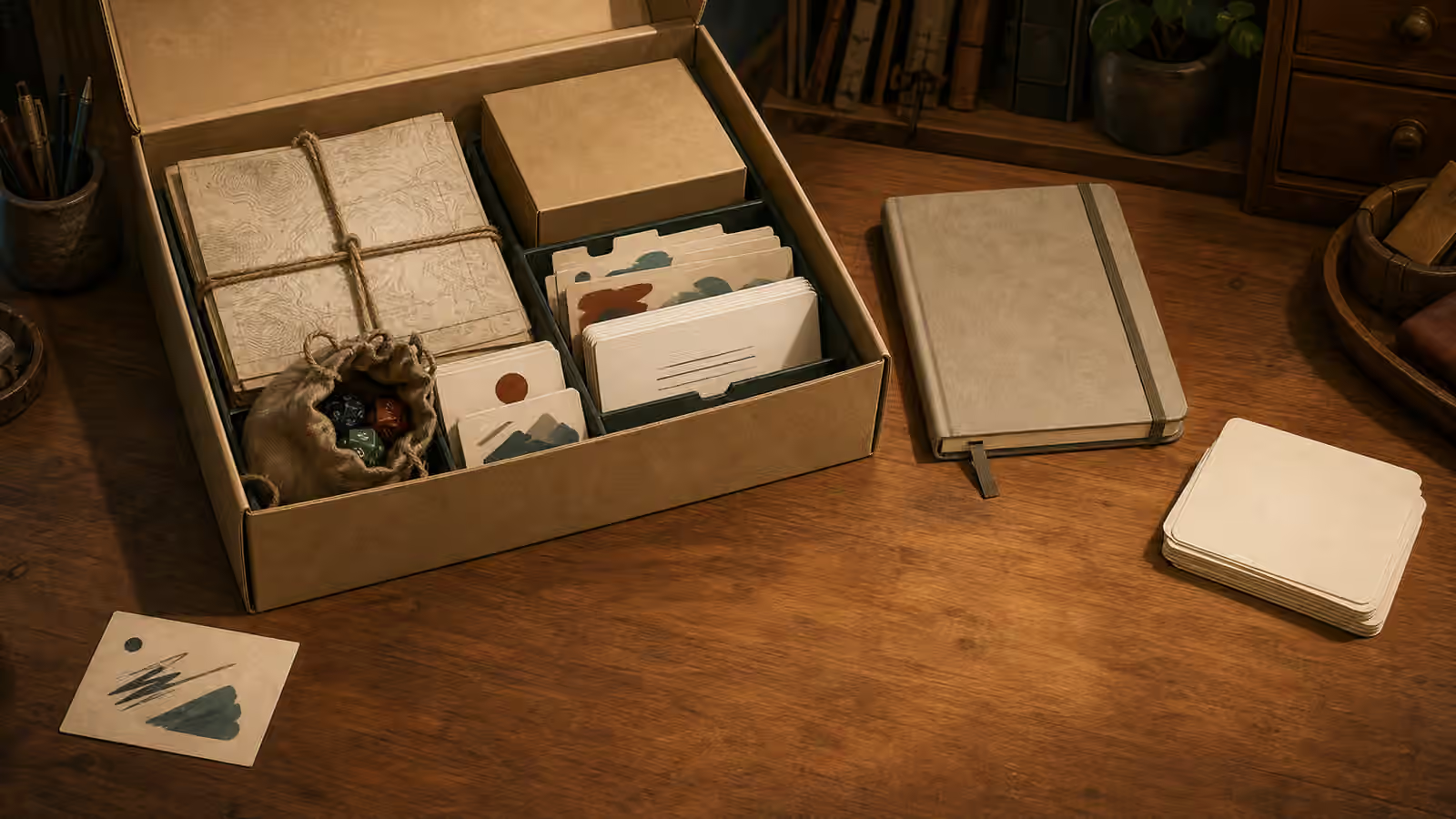
The Shelf Space Planner turns measurements into a rough capacity check. The method is simple: measure usable space, estimate box width, keep a growth margin, and reserve active campaign space.
Measure Usable Space
Measure width, height, and depth inside the shelf. Do not count trim, blocked corners, or space you cannot reach comfortably. If a shelf is high, deep, or heavy to access, treat it as archive space rather than active play space.
Capacity is not only cubic inches. It is also reach, weight, visibility, and setup friction.
Measure the largest common box you actually own, not an ideal average from a product listing. Add space for zines, dice bags, notebooks, card boxes, and printed envelopes. If the shelf has a door, lip, or sliding panel, test whether the box can be removed without tilting pieces into a mess.
Add Growth Margin
Leave 20 to 35 percent open if possible. Open space lets you pull boxes out, keep an active campaign tray, and add one new game without reorganizing everything. No margin means every purchase creates a storage decision.
If space is tight, use zines, print-and-play envelopes, and compact games deliberately.
Growth margin is also a buying boundary. If a new game would consume the last easy-reach space, decide what leaves before it arrives. This keeps storage honest and prevents low-cost purchases from becoming high-friction clutter.
Reserve Active Storage
Do not pack the current campaign away like an archive item. Give it a tray, bin, or front shelf zone with state notes. That one choice may make more difference than any new organizer.
Active storage should hold the messy middle: current map, saved deck, character sheet, rules bookmark, unresolved tokens, and next-session note. Label it clearly and keep it light enough to move in one trip. A campaign that can reach the table quickly is more likely to continue.
Review Before Buying Storage
Buy storage after measuring, not before. A pretty container that does not fit your games becomes another object to store.
Review access before aesthetics: can you read the labels, lift the bin, open the lid, and see what is inside under normal room light? Good storage reduces decisions. If it adds sorting work every session, it is decoration, not support.