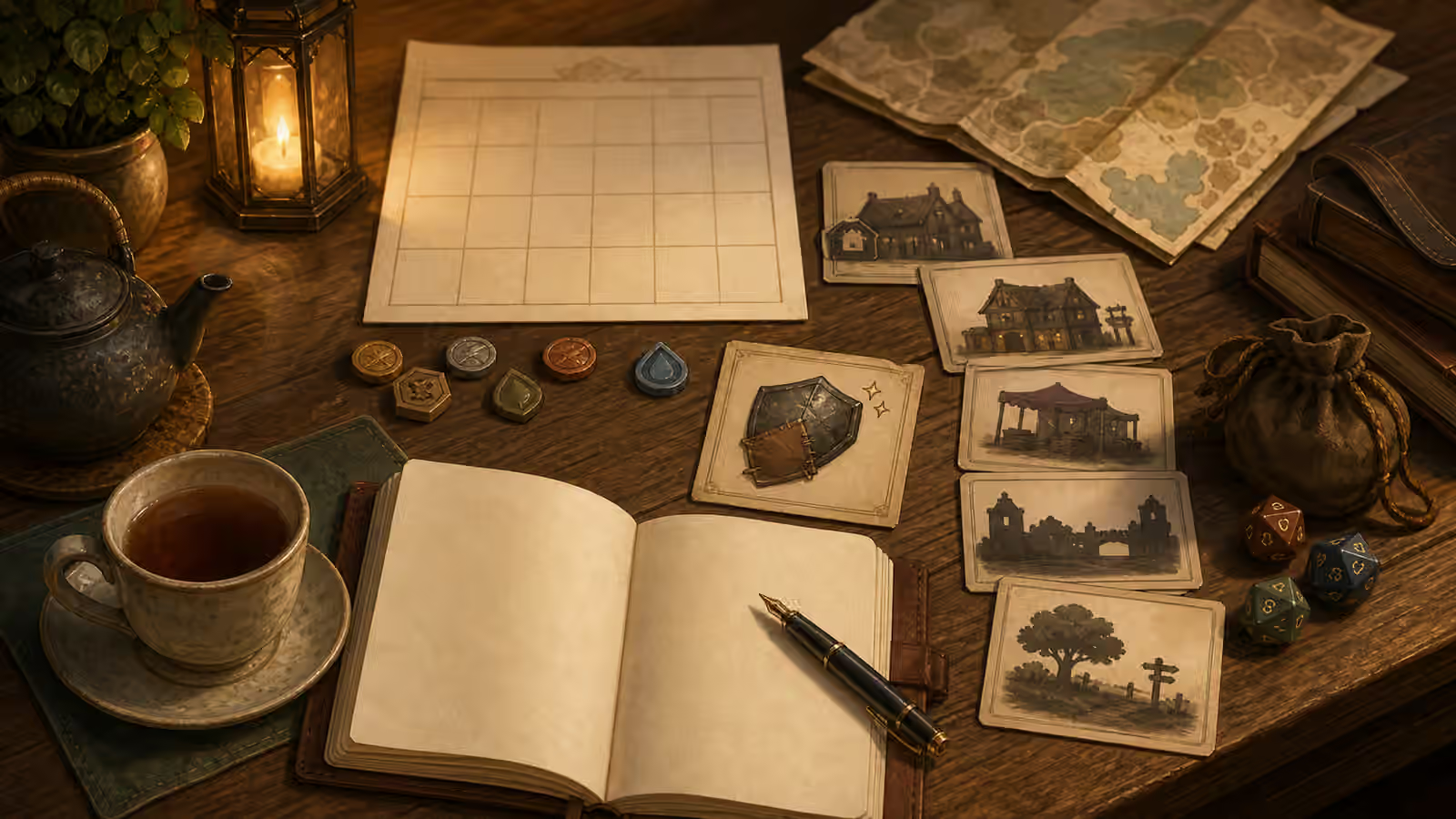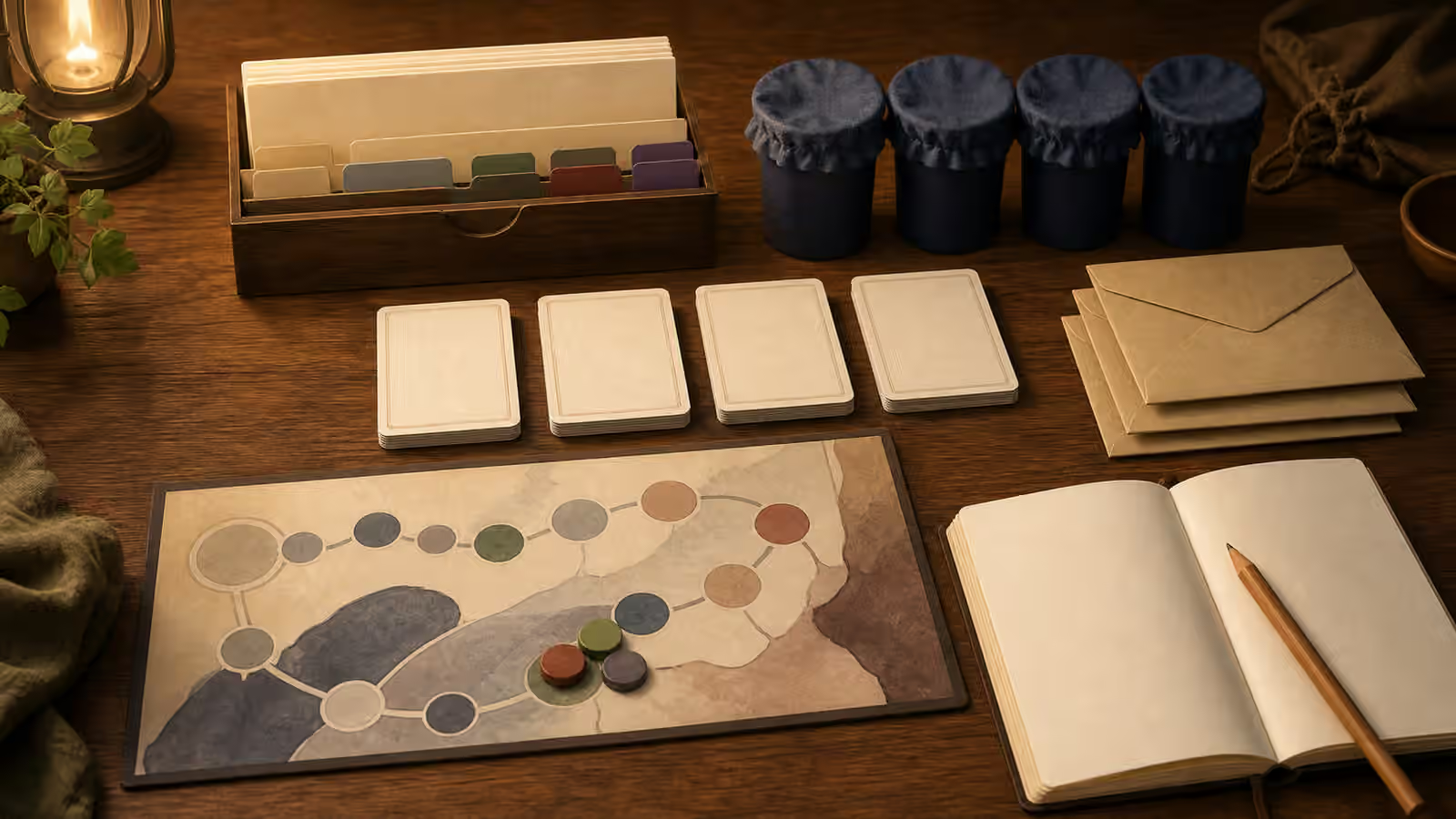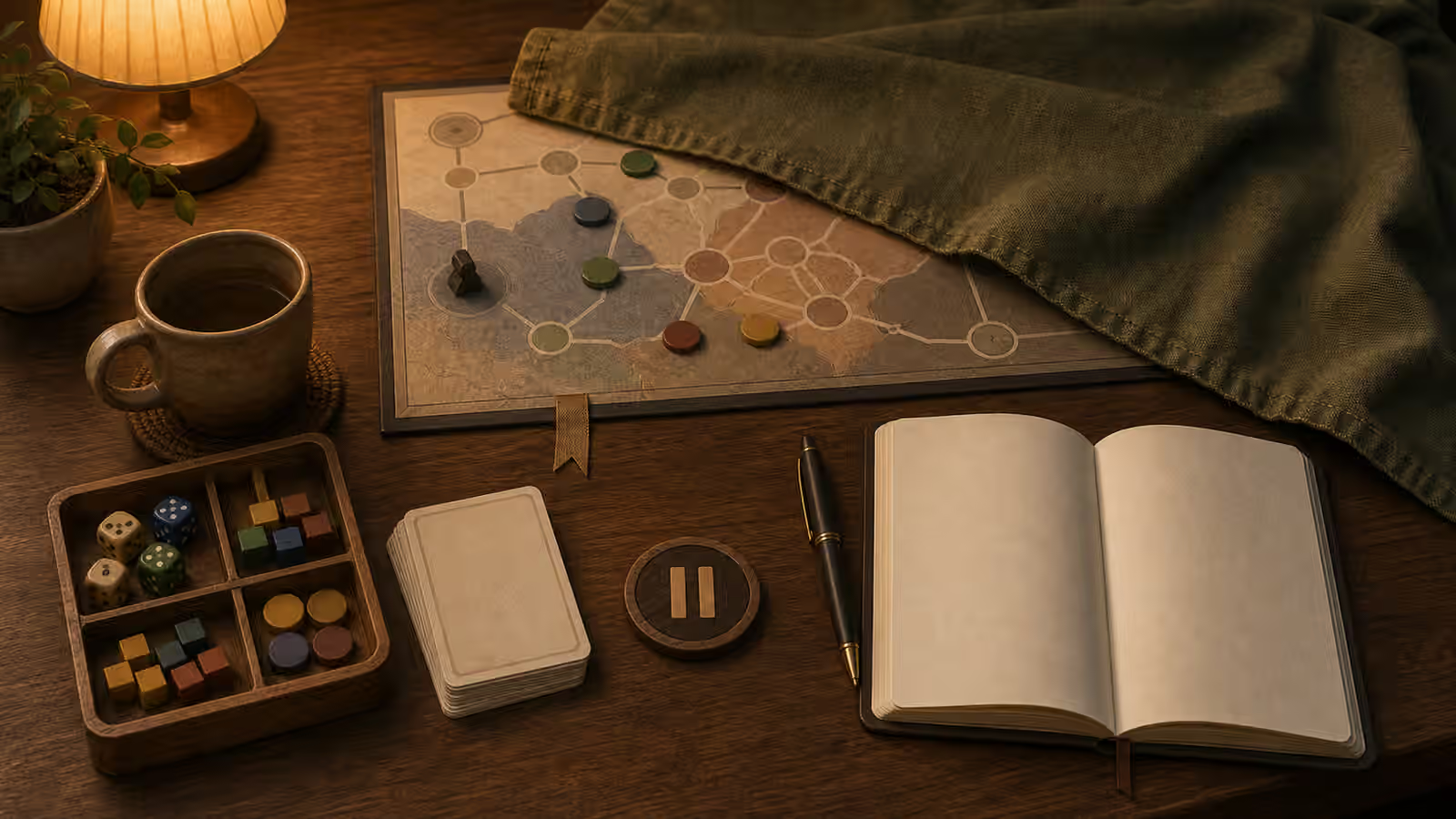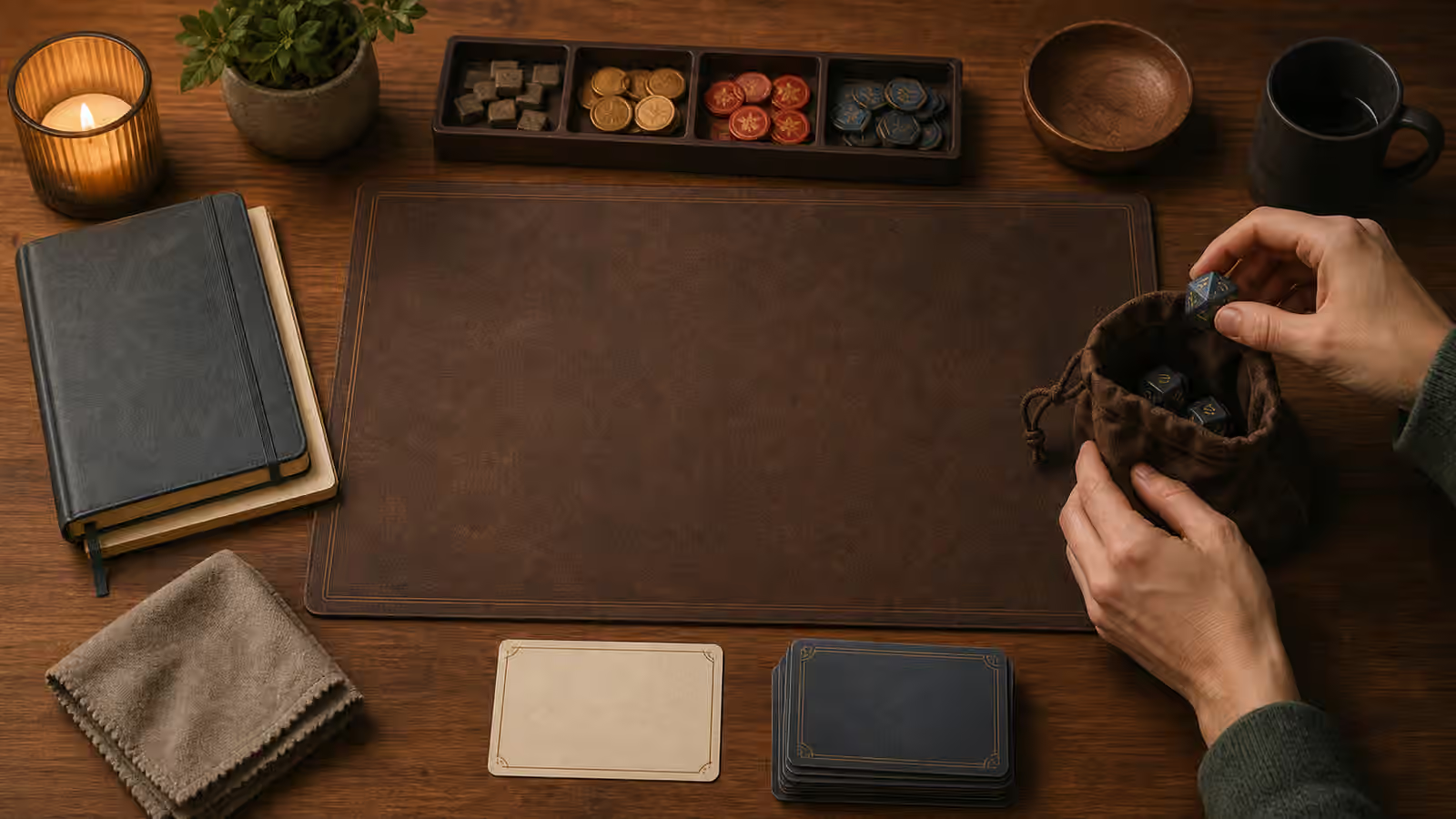
The end of a solo session is easy to underestimate. Play feels like the main event, and cleanup looks like the price paid afterward. But the closing minutes decide whether the next session begins with an invitation or an obstacle. A good reset leaves the room usable, the components protected, the campaign memory intact, and the next first move visible enough to trust.
This is not about making the table look perfect. A solo table can be lived-in, modest, and unfinished. The goal is practical closure. If the session is still active, save it. If it is complete, return the pieces. If you are too tired for full teardown, protect the parts that would be hardest to reconstruct. The reset should lower future friction, not create a new standard to fail.
Close the Fiction Before the Room
Before touching components, give the fiction one sentence. What changed? Where is the character, board state, or puzzle now? What is unresolved? This sentence can live in a campaign log, on a card, in a voice note, or on the top page of the notebook. It does not need to be elegant. It needs to be findable.
Campaign Log Review goes deeper into session memory, but the cleanup version is intentionally small. Write the line before the table starts moving. Once cards, dice, and maps are in motion, memory becomes slippery. The board may have been obvious while it was assembled. Ten minutes later, the same board is a handful of tokens and a vague feeling.
If the session was emotionally intense, close the tone too. Name that the scene is over. Put the dice away. Turn the page. Stand up, stretch, wash the cup, or change the light. These ordinary acts help the room return to itself.
Decide Between Save, Reset, and Archive
Not every ending asks for the same action. A paused campaign needs a save state. A finished one-shot needs reset. A completed campaign needs archive, giveaway, replay preparation, or retirement. Confusing these categories creates clutter. A completed scene left in active storage can make the shelf feel accusatory. A paused game packed as if it were finished can make return difficult.
Use the simplest true category. If you intend to continue from the exact board state, follow Save State Between Solo Sessions . Keep order, active cards, unresolved tokens, and restart cues intact. If the session is over and the game should be ready for a fresh play, reset the box fully enough that future setup is honest. If the campaign has ended, move its memory out of the active tray.
Archive does not need to mean keeping everything. A final map, character sheet, score card, and closing note may be enough. The rest can return to the game, recycling, storage, or another player if appropriate. The table should not become a museum of sessions you are no longer playing.
Sort by Next Use, Not by Container
Many boxes invite cleanup by container: all cards here, all tokens there, all sheets under the insert. That works for some games. For returning play, sorting by next use can be kinder. Put setup materials together. Put active campaign materials together. Put rarely used variants away from the first layer. Put dice, pencils, and private aids where the next session expects them.
This is especially helpful for games with many small pieces. A tray of active tokens can return to the box as a unit. A cloth bag can hold the randomizers. A flat envelope can hold the current map and session card. If official storage is excellent, use it. If the insert fights actual play, add reversible aids that do not damage components.
Avoid cleanup systems that require more energy than the session had left. If you regularly end tired, design a tired-person reset. That might mean one active campaign box, one dice bag, one notebook, and one “sort later” tray that gets handled before the next session. A partial reset with a known tray is better than a perfect reset you avoid until the table becomes unusable.
Protect Shared Space
Solo play often happens in rooms that have other jobs. Dining tables, desks, beds, coffee tables, and kitchen counters need to return to ordinary use. That is not a failure of immersion. It is part of the setting. Cleanup protects the people who share the room, including future you.
Move food and drinks first. Then move fragile paper, sharp tools, small parts, and mature or private content. If children, guests, or housemates may enter the room, put age-sensitive material away before decorative pieces. If pets or drafts are a concern, cover active state or move it to a lidded tray. If lighting, music, or atmosphere was part of the session, reset those cues too. Table Atmosphere Without Overproducing Solo Play is strongest when atmosphere includes a way back to normal.
Shared space also includes sound. Late-night dice, shuffling, stacking, and box rummaging can be louder than play. A soft tray, cloth, or earlier partial sort can keep closure respectful.
Leave a Start Line
The final act of cleanup is not putting the last token away. It is leaving a start line. A start line tells future you what to do first: open the current envelope, read the restart card, set up scenario two, draw the next event, review the market row, or choose a new prompt. It should be short enough to act on before doubt arrives.
Place the start line where the next session will see it. On top of the notebook. Inside the box lid. On the active tray. In the first line of the digital note if that is the accessible format. If the start line requires multiple paragraphs, the next session may need a smaller promise.
When a game keeps stalling, examine the reset. The problem may not be motivation or taste. It may be that the table ends with no invitation back. When a Solo Game Stalls names restart choices, but a simple start line often prevents the stall from forming.
Cleanup is part of play because it shapes return. It honors the components, the room, the campaign, and the player who will sit down later with less memory than you have now. Close the fiction, choose the right category, sort for next use, protect shared space, and leave a start line. The session ends better when the next session can begin.