Some solo-friendly games work well with one friend. The format can be cooperative, duet, alternating narration, shared puzzle solving, or parallel solo where each person plays nearby and checks in. The key is to keep the agreement small and explicit.
Choose the Mode
Coop means shared decisions. Duet means one focused relationship or two-role story. Parallel solo means each person has a separate table thread with occasional prompts or recap. Choose before setup so nobody has to guess the social role.
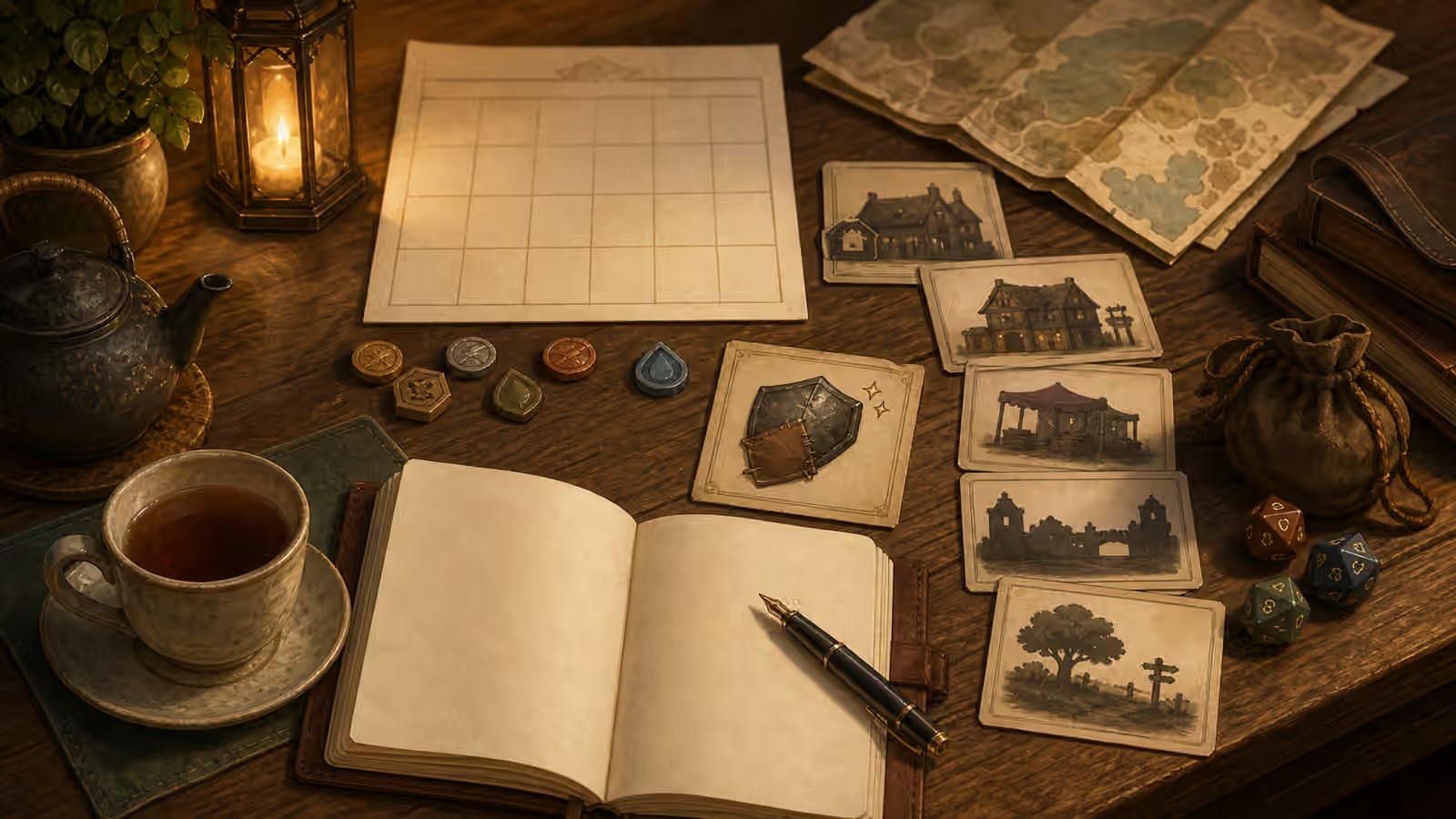
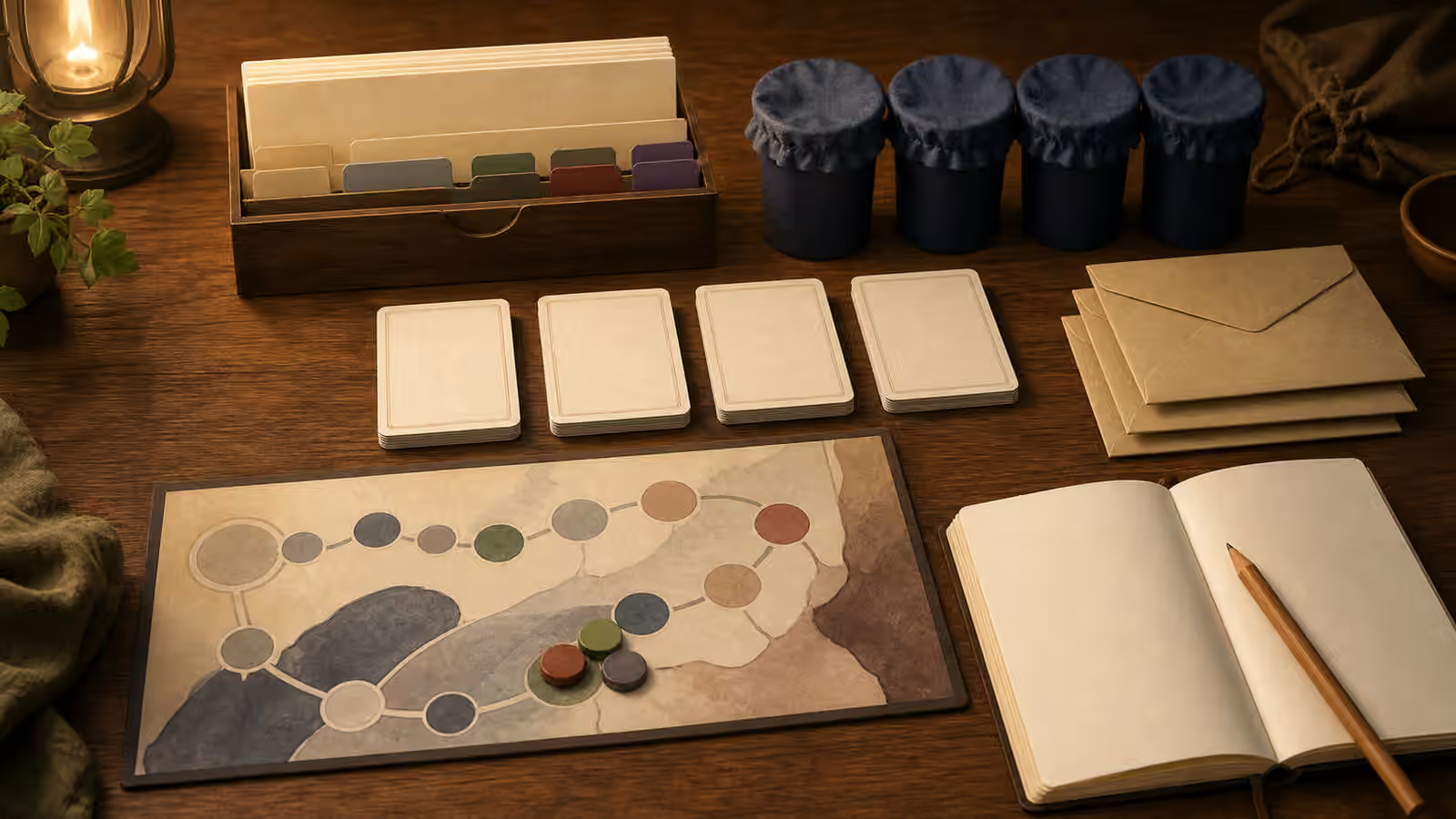
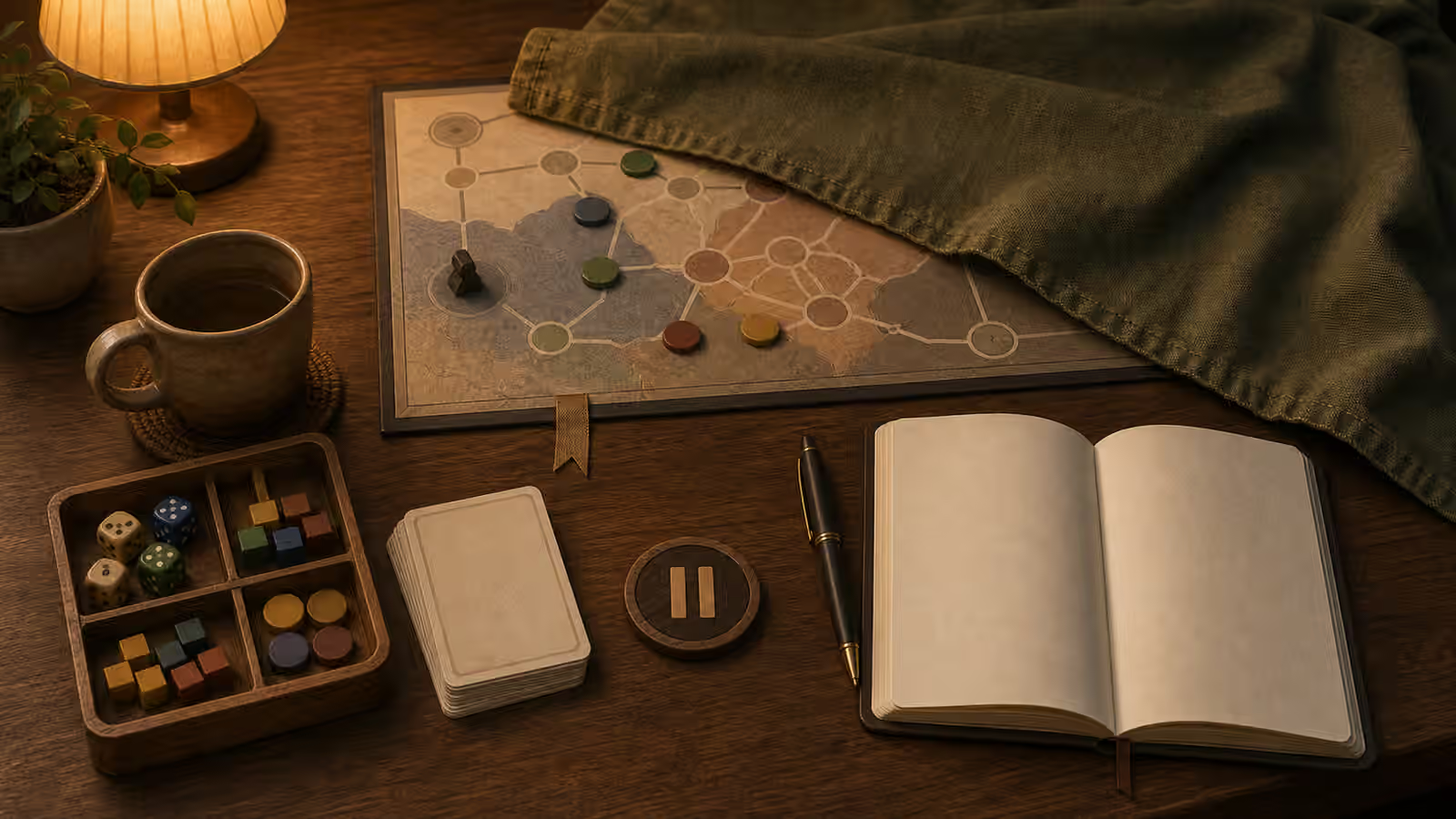
Mode also affects materials. Coop may need one shared board and visible turn order. Duet may need two character sheets and a tone card. Parallel solo may need separate notebooks, separate randomizers, and a check-in timer. Matching the table to the mode prevents the evening from becoming an argument about who is supposed to lead.
Make a Small Agreement
Name time, tone, content notes, turn-taking, advice level, and stop rule. If one person wants quiet journaling and the other wants tactical debate, choose a hybrid or a different game.
Check the game license before sharing print files or copies.
Write the agreement in plain language: “We will play one scene, advice is invited only when asked, either person can pause, and mature themes stay off-page.” This is not bureaucracy. It is a kindness that makes a small social table easier to enter and easier to leave.
Keep Pressure Low
One-friend play does not need to become a campaign promise. It can be one scene, one map route, or one board game scenario. Use the Common Table idea: a clear opening, simple format, and graceful close.
End with a consent check, not an automatic sequel. Ask whether this should continue, change format, become occasional, or stay as a one-shot. If one person loved it and the other only liked parts, keep the useful parts and release the rest without scorekeeping.