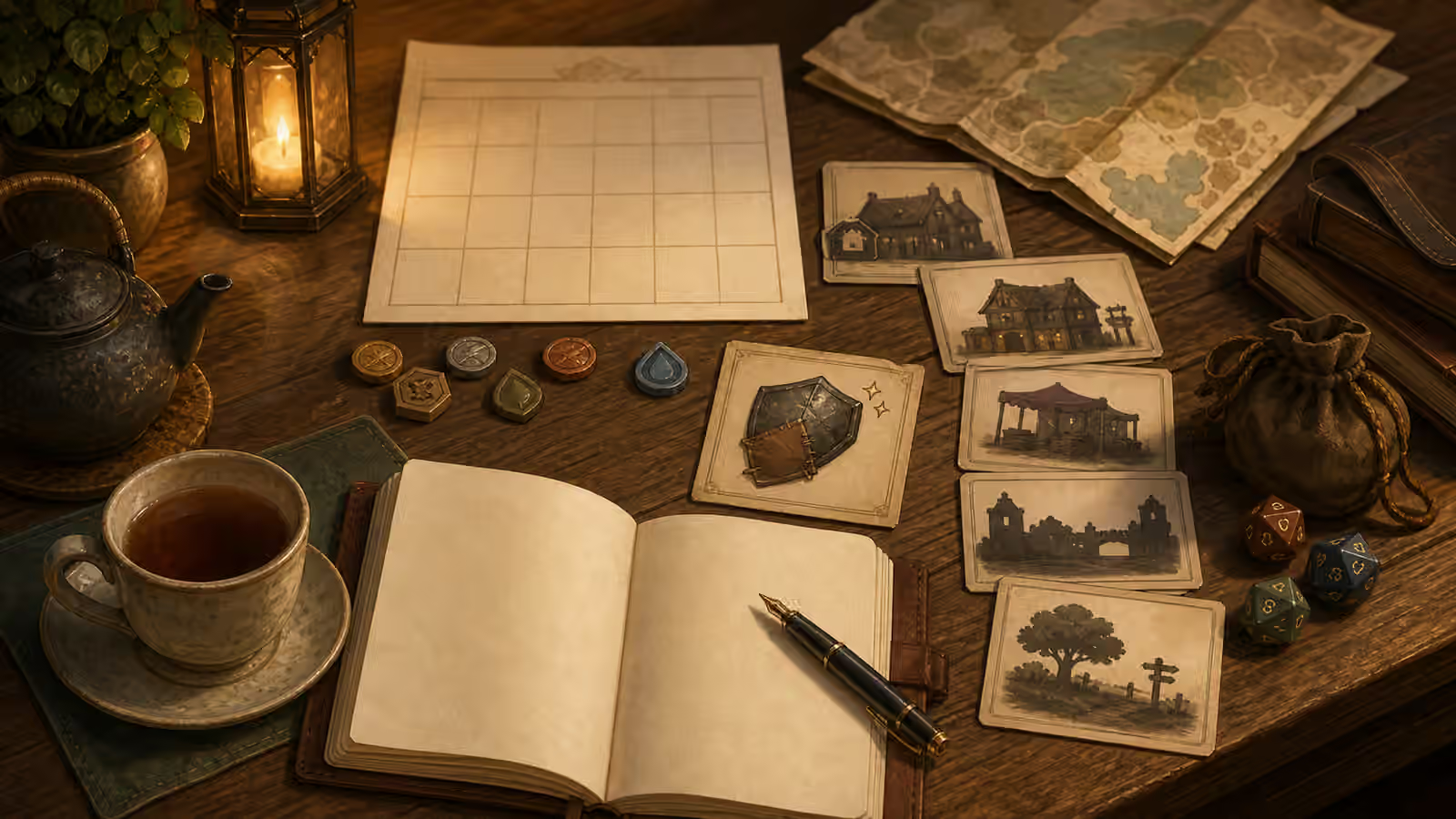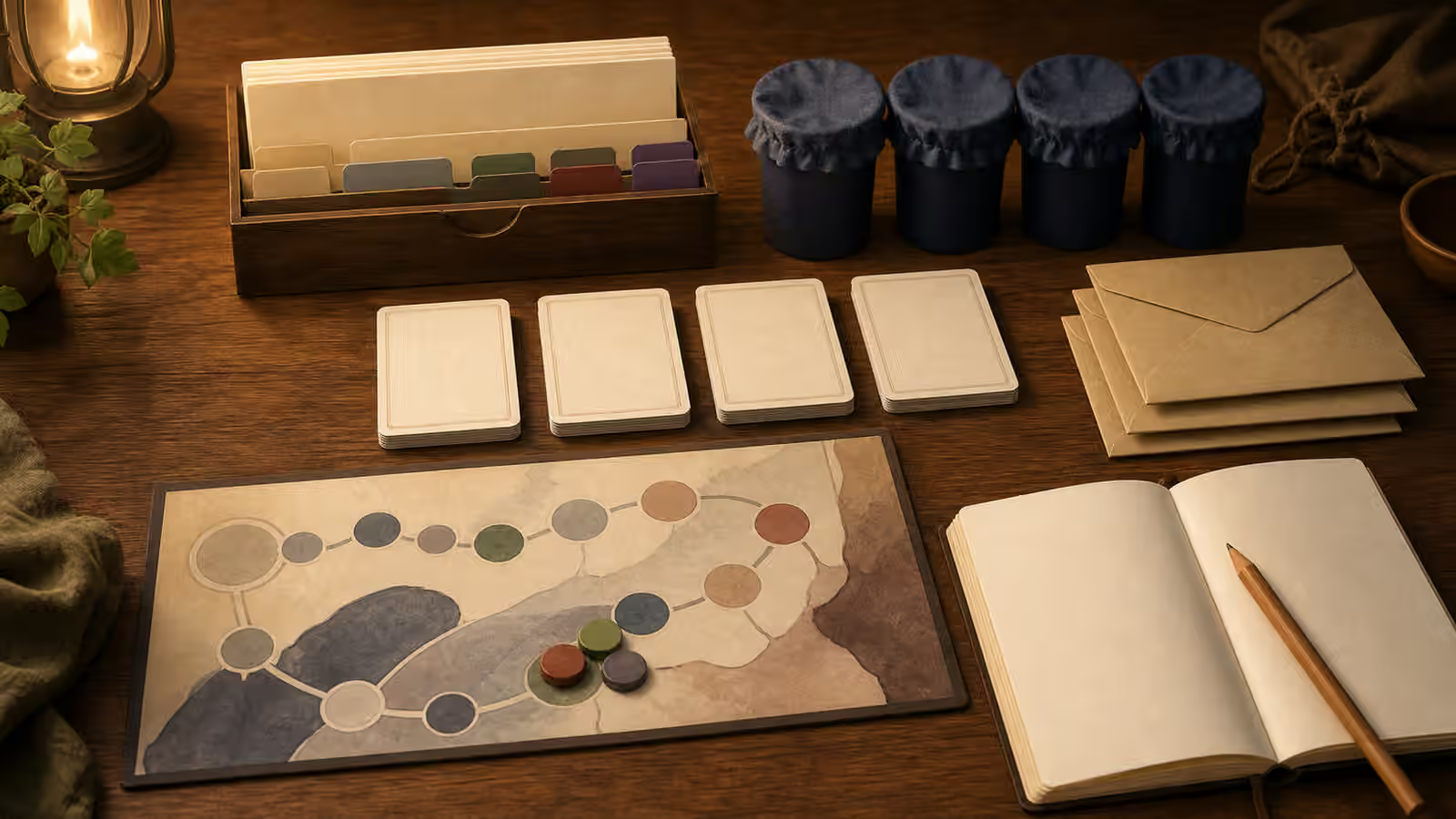
Solo mystery play has a basic problem: if you invent the answer too early, you stop investigating and start confirming yourself. The fix is not to hide everything from yourself perfectly. The fix is to use clue categories, delayed commitments, and oracle questions that reveal pressure before they reveal certainty.
Separate Clue From Meaning
Write clues as observations, not conclusions. “Wet mud on the floor” is a clue. “The gardener did it” is a conclusion. “The lock was opened without damage” is a clue. “The suspect had a key” is a theory.
Keep three columns in your notebook: observed, possible meaning, and pressure. The pressure column answers why the clue matters now. A clue can point to time running out, a relationship changing, a location becoming unsafe, or a resource disappearing.
Use Timed Reveals
Before play, decide when the answer can become stable. Maybe after six clues, after three locations, after one failed roll, or after the clock reaches midnight in the fiction. Until then, keep several explanations alive.
When an oracle gives a strong answer, write it as a new constraint rather than a final solution. “Someone lied about the bridge” is better than “Tomas is guilty.” The first keeps play open. The second can collapse it too early.
Protect Spoilers and Creators
If you play a published mystery game, avoid posting copied clues, puzzle structures, solution logic, or scenario maps. Share spoiler-light impressions, your own character notes, and links to the creator. Mystery designers depend on surprise more than many other genres.
For original private play, still mark spoilers if you share recaps. A friend may want to play the same premise later.
Keep Content Boundaries Visible
Mystery can drift into intense material quickly. Set age rating and content notes before the first clue. If the session is cozy, make crimes smaller: missing heirloom, strange letter, spoiled shipment, broken promise, vanished map. If the tone is tense, keep a recovery path.
You are allowed to solve a gentle mystery. Surprise does not require cruelty.