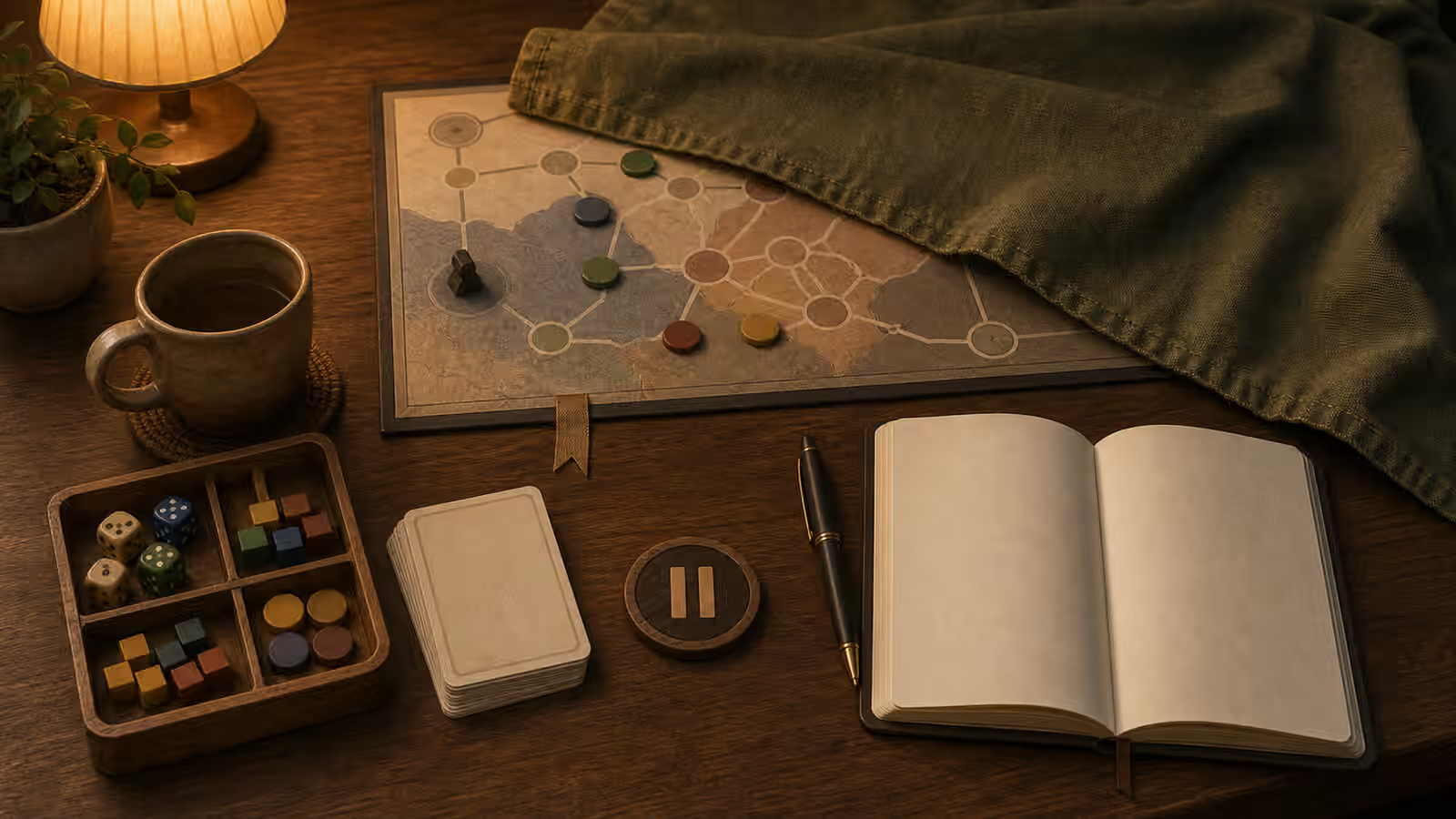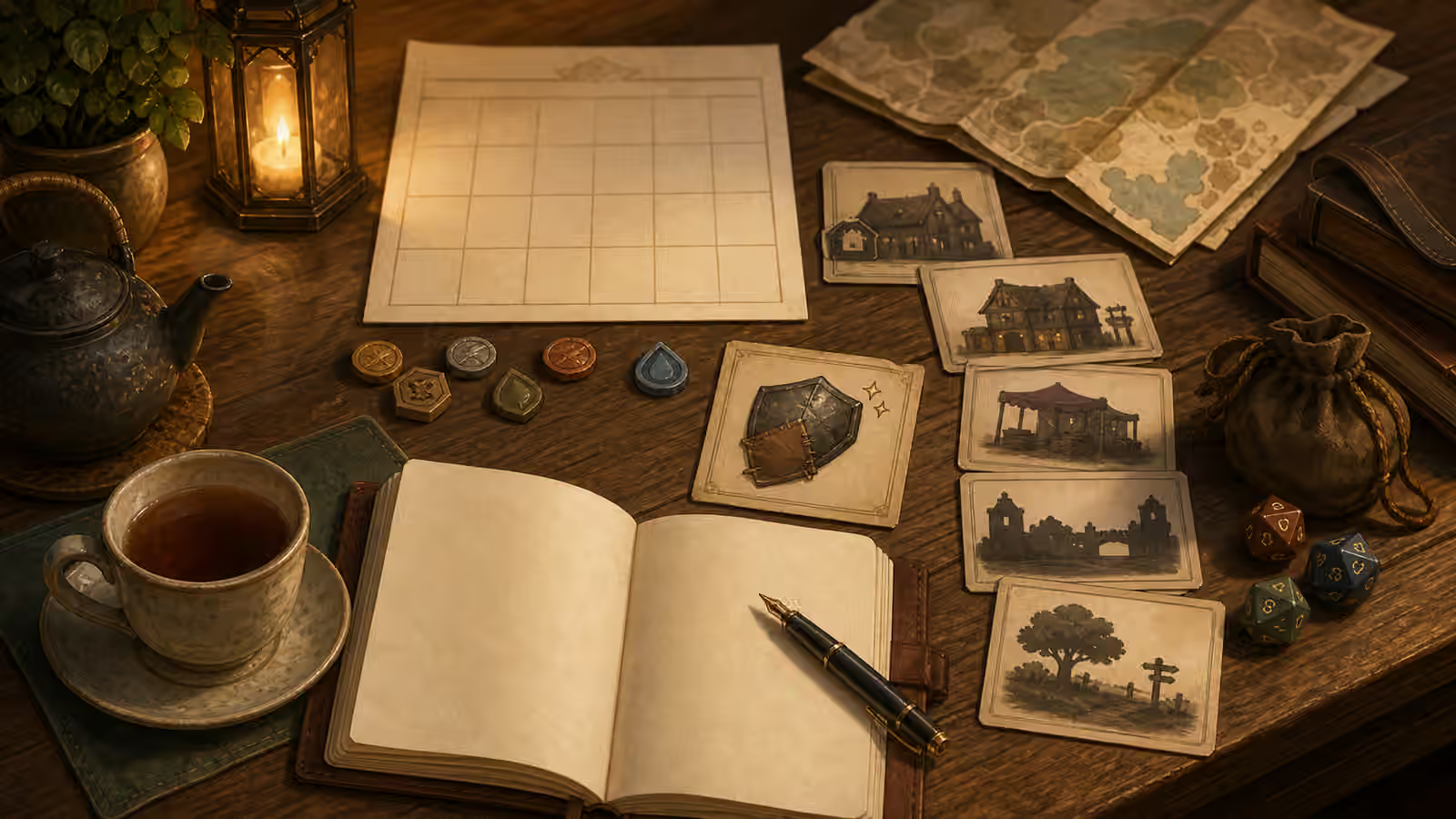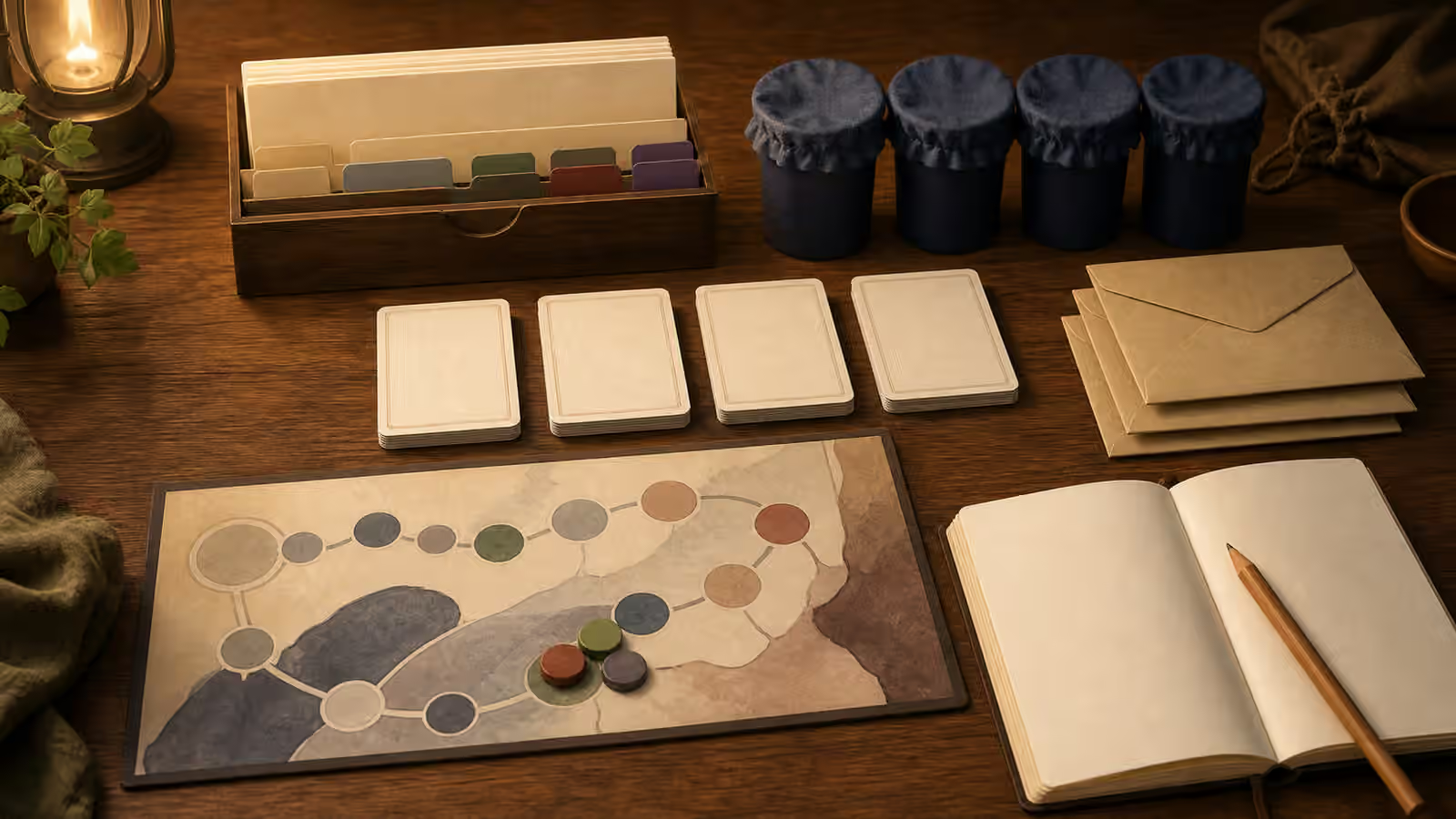
Solo tabletop does not need one ideal time block. Morning, lunch, and evening sessions can all work if each window has the right promise. A short scene is not a failed long session.
Morning: One Gentle Start
Morning play works best when setup is already staged. Use one prompt, one journal entry, one map mark, or one campaign review. Avoid heavy rules learning unless morning is your clearest time.
Leave the first move visible the night before: a bookmark, an open notebook page, a single card, or a sticky note with the next question. Morning attention is often fragile. A prepared first move lets the session begin before the day fills with decisions.
Lunch: One Contained Turn
Lunch sessions need clean boundaries. Use portable games, one room, one travel check, or one board game round. Write the restart line before returning to the day.
Lunch is also a good repair window for campaigns. Update a log, sort a tray, choose an oracle table, or reread one rule example. If the room is public or shared, choose pieces that are easy to pause and do not require private emotional intensity.
Evening: Deeper Setup, Cleaner Close
Evening can hold campaign boxes, longer scenarios, or map work. It also needs a firm close so play does not spill into sleep. Set a stop time and a decompression cue.
Fatigue changes rules tolerance. A familiar game may be perfect after dinner while a new rulebook becomes noise. Keep evening learning small: tutorial only, first turn only, or one example. Save the ambitious campaign night for a window that can support it.
Choose the Window Honestly
Use First Session Generator if the window is empty and vague. Let the tool shrink the plan instead of asking the night to expand.
The right window is the one that gets used without resentment. If twenty minutes keeps play alive, honor that. If one long weekend session is better for your body and attention, use that. Solo play does not need to copy anyone else’s rhythm to count.