Solo play is often imagined as uninterrupted attention: the table cleared, the lamp steady, the rules open, the next decision waiting. Real sessions are less tidy. Someone asks a question from the doorway. Food needs attention. A delivery arrives. A timer goes off. A shared room changes use. The player gets tired earlier than expected. None of this means the session failed. It means the session needs a pause habit.
A clean pause is different from abandoning the table. It protects the next decision, the physical state, and the emotional boundary of the session. It does not need to be elaborate. The useful pause answers three questions before attention leaves: what is happening now, what must not move, and what do I do first when I return?
Pause Before the State Gets Fuzzy
The hardest interruption is the one you try to ignore. You keep one ear on the room, half finish a turn, forget whether upkeep happened, move a token without recording why, and return ten minutes later to a board that looks plausible but untrustworthy. A better habit is to pause earlier than pride wants.
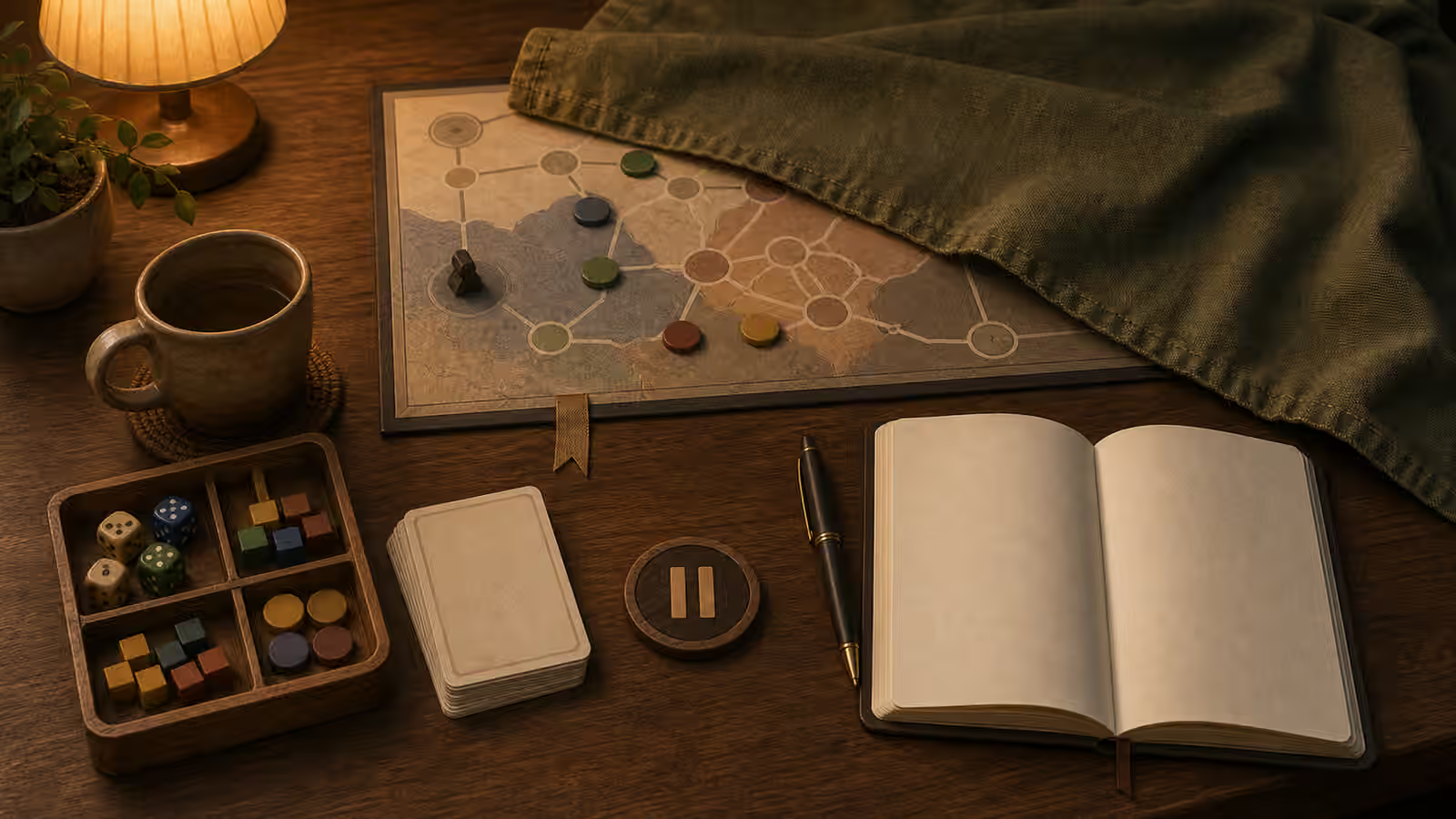
When attention is pulled away, stop at the next legal seam. Finish the current roll if it is already in motion. Do not start a new card, new enemy activation, new journal prompt, or new room reveal. Put a visible pause marker near the active area. The marker can be a coin, blank card, token, bookmark, folded paper, or anything that clearly means the game is not between turns yet.
If the game has a formal save procedure, use it. If not, a pause marker and one sentence are enough for short interruptions. The sentence should name the next action, not summarize the whole campaign. “Resolve enemy card before player turn.” “Choose route from bridge.” “Answer oracle question about the locked desk.” That is the handle future you needs.
Protect the Physical Layout
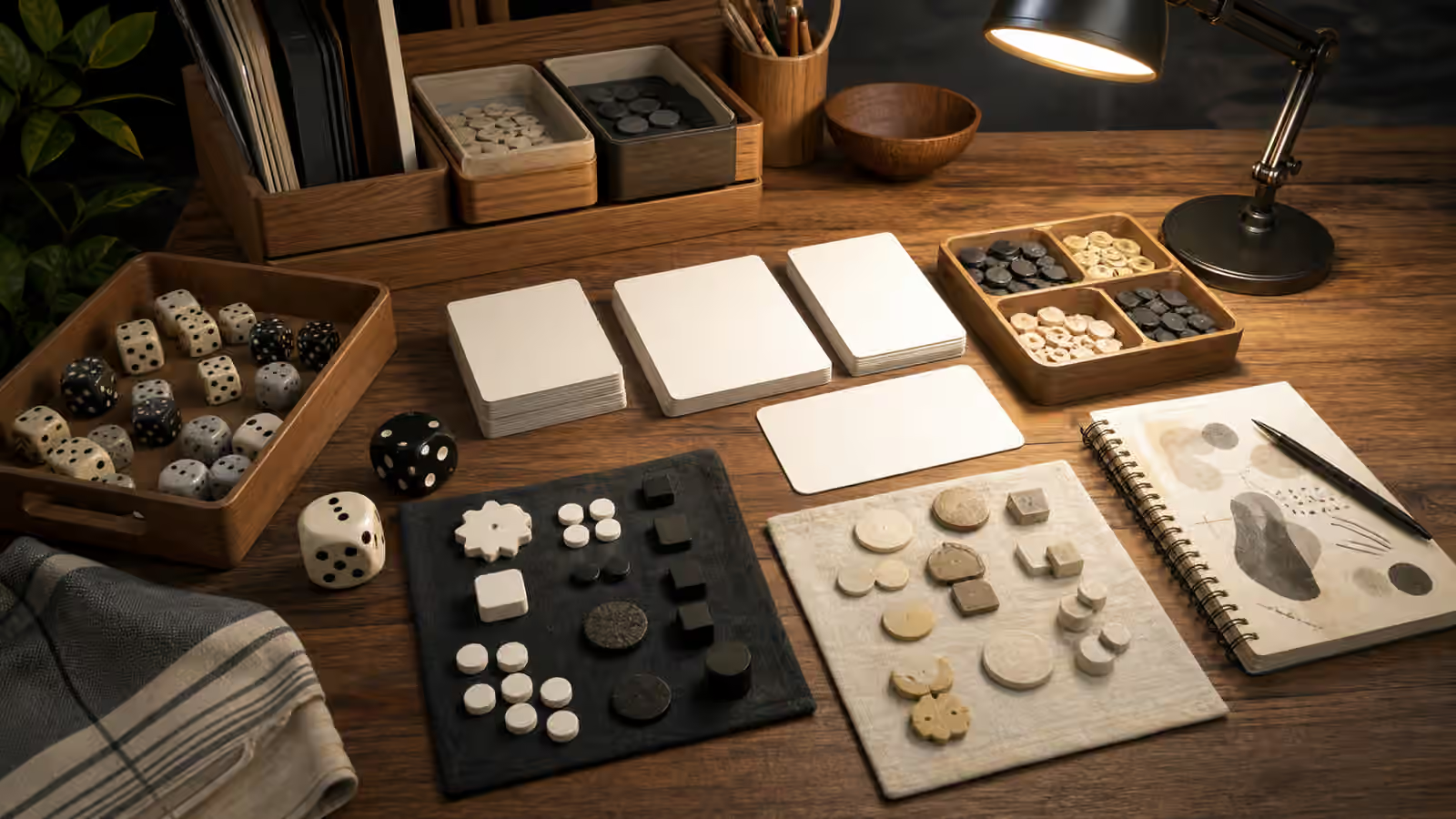
For a short pause, protect what can scatter. Dice go in a tray. Tokens that belong to the active step stay together. Face-down cards remain face down. A discard pile gets squared. A notebook stays open to the current page. If the table is in a shared space, cover the active board with a cloth, tray lid, clean sheet of paper, or box lid if doing so will not disturb pieces.
The goal is not museum preservation. The goal is to prevent accidental reconstruction work. If a card row slides a little but the next action is clear, the session is fine. If one small marker would create doubt by moving, secure that marker first. Component Visibility and Table Contrast can help when the table state is already hard to scan.
Longer pauses may require a stronger save state. Save State Between Solo Sessions covers trays, envelopes, photos, notes, and restart cues. The clean-pause habit is smaller. It is for the interruption that might be five minutes and becomes thirty.
Keep Shared-Space Boundaries Visible
Solo play often happens in rooms that serve more than one purpose. The table may also be for meals, homework, work calls, or guests. A clean pause respects that shared reality. If the session includes intense images, horror tone, private journal entries, or content that does not belong in the room’s next use, close or cover it before stepping away. Do not rely on everyone else to understand the context.
This is not only about age rating. It is also about privacy. A solo journal can include personal reflections, fictional letters, private campaign notes, or emotional material that is not meant for casual reading. A cover sheet or closed notebook can protect the work without making it precious. Age Rating and Content Notes for Solo Tabletop Play is useful when the session may be seen by children, guests, or roommates.
Noise and mess matter too. If the interruption means the room will be used by someone else, move the dice tray away from the edge, cap pens, put sharp tools away, and clear drinks from the play surface. A pause that creates friction for the household will make the next session harder to start.
Return With a Warm Start
When you come back, do not try to remember the whole campaign at once. Read the pause sentence. Look at the marker. Identify the current step. Take one breath and perform the next action. After that, the rest of the table will often come back into focus.
If the state feels uncertain, make the smallest fair ruling and write it down. Do not spend the entire return searching for perfect reconstruction unless the game truly depends on it. If you cannot tell whether a resource was spent, choose the interpretation that keeps the session stable and note the uncertainty. Ambiguous Rules When You Are Playing Alone uses the same conservative habit for unclear rules.
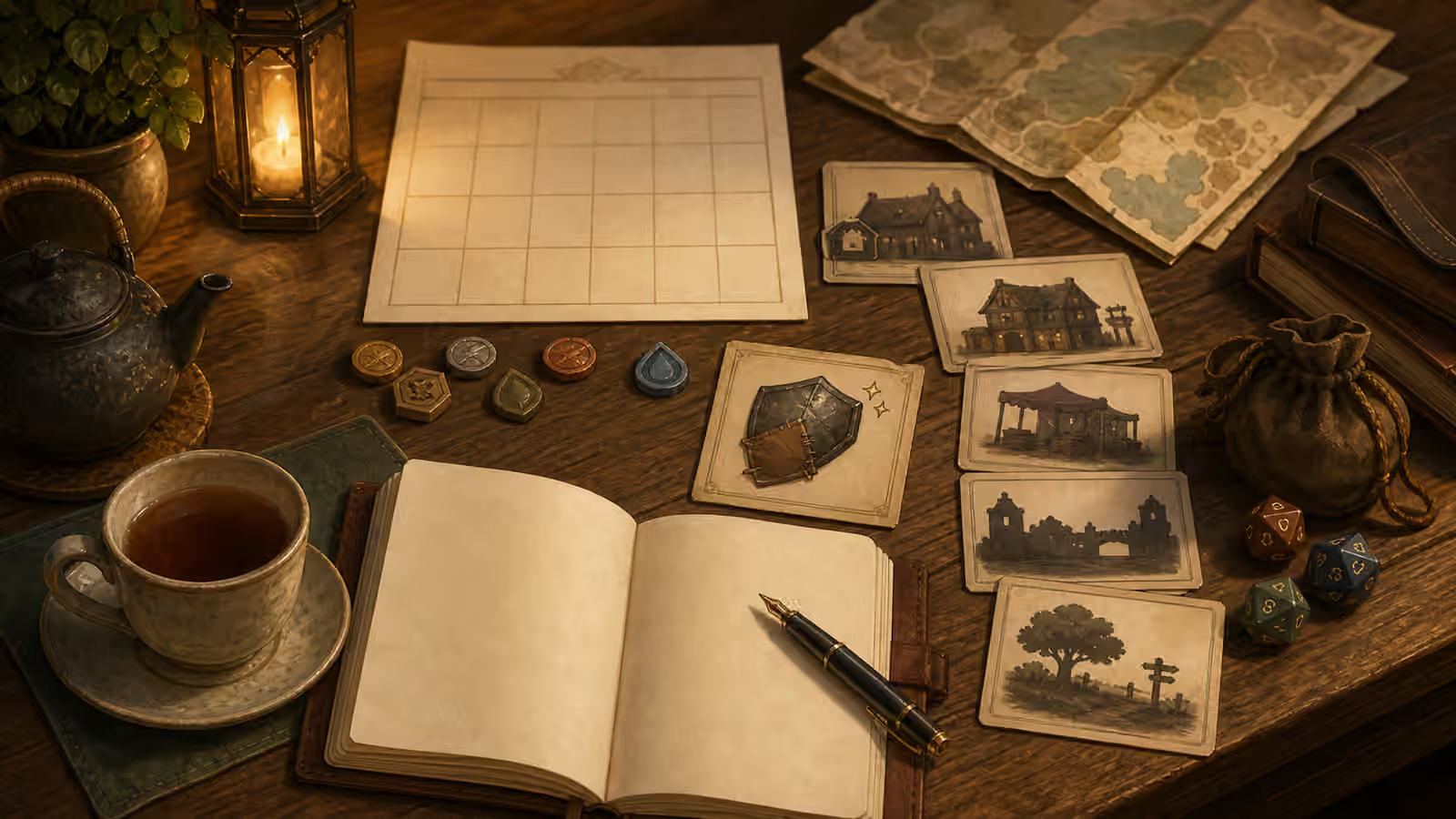
For journaling RPGs, reread only the last few lines and the current prompt. Then write the next sentence. For board games, identify the active phase and finish it. For map play, put a finger or token on the current location before checking anything else. The warm start should be physical before it becomes analytical.
Decide When a Pause Becomes an Ending
Some interruptions reveal that the session is actually over. The player is tired, the room is needed, the mood has changed, or the remaining turn would be rushed. Turning a pause into an ending is not defeat. It is table care.
When that happens, use a short closing procedure. Record what happened, what is open, and where to restart. Pack the state if the table must clear. Leave one restart cue with the materials. Post-Session Reset and Table Cleanup for Solo Play gives a fuller version of that close.
Clean pauses make solo play more durable because they assume real life will enter the room. The session does not need a perfect uninterrupted block to count. It needs a way to stop before state turns fuzzy, protect the layout, respect the room, and return through one clear next action.