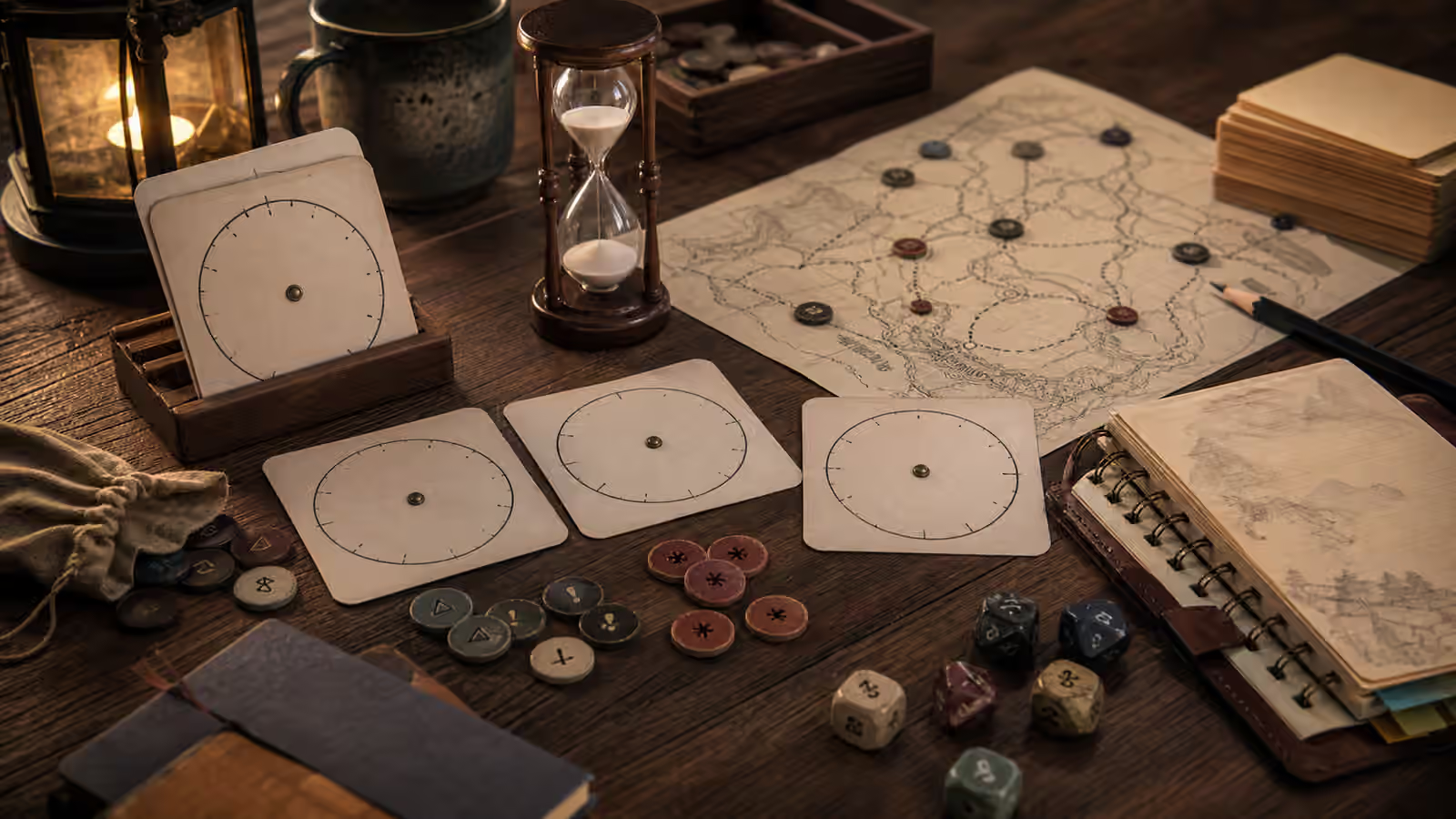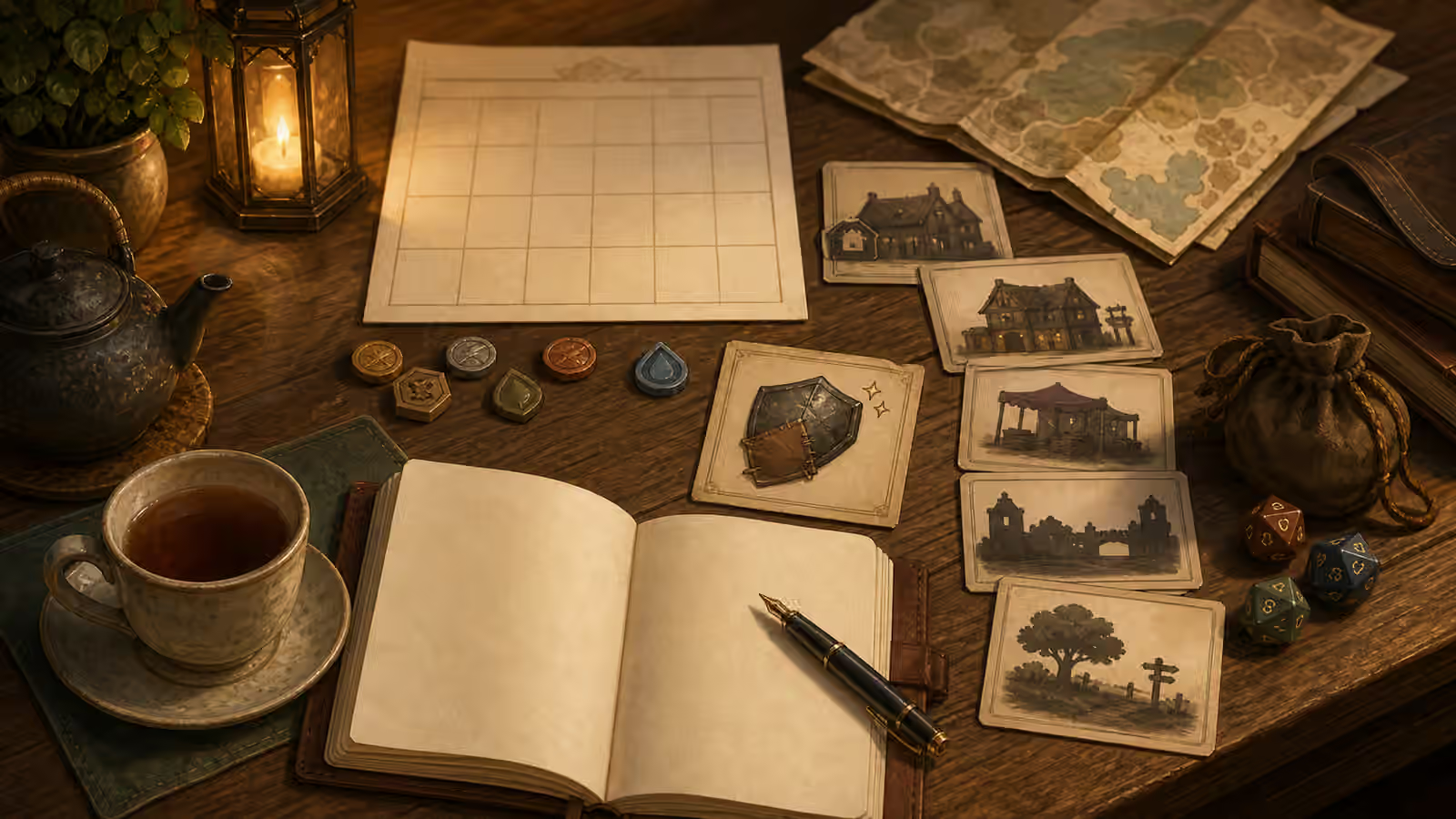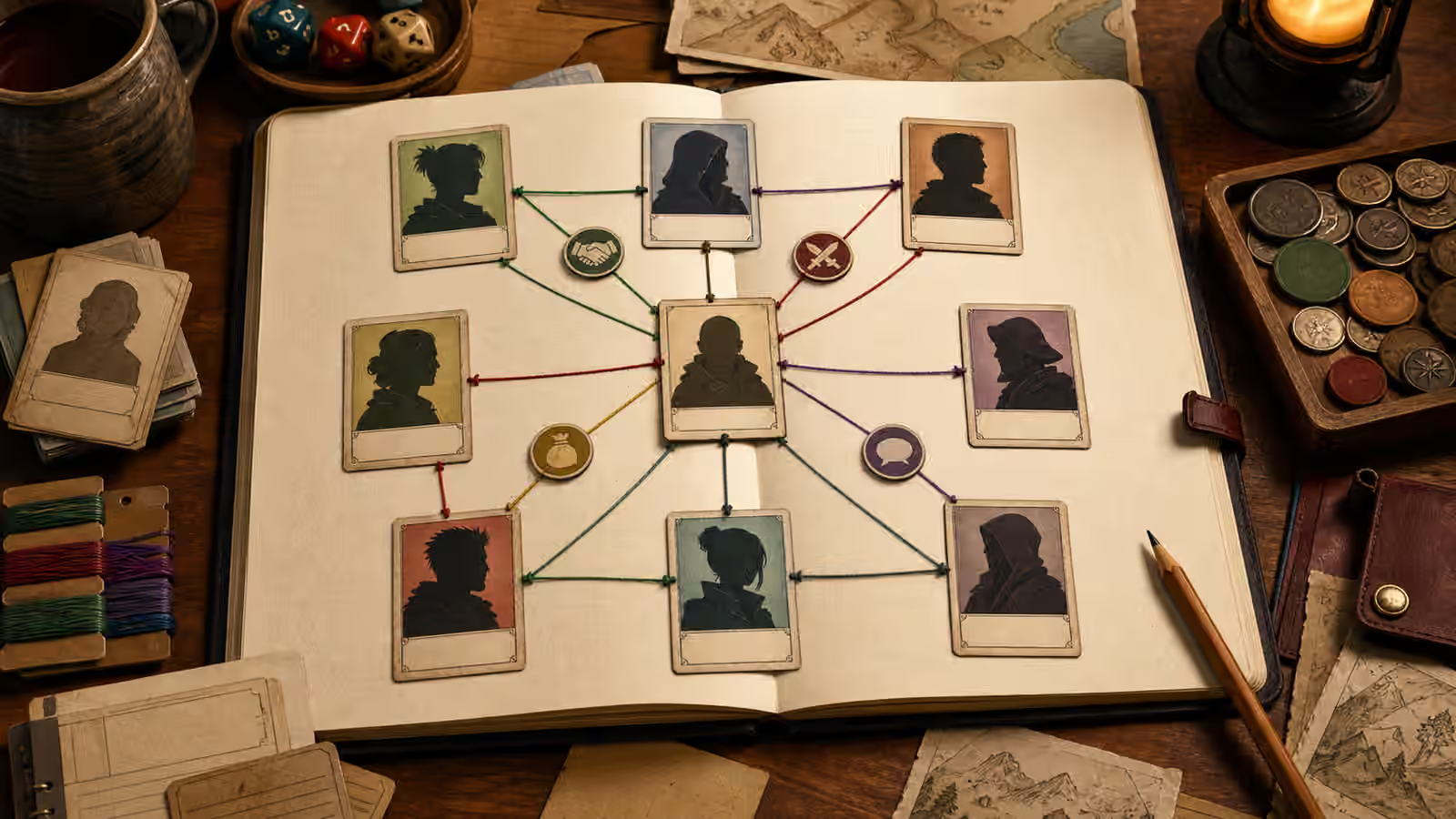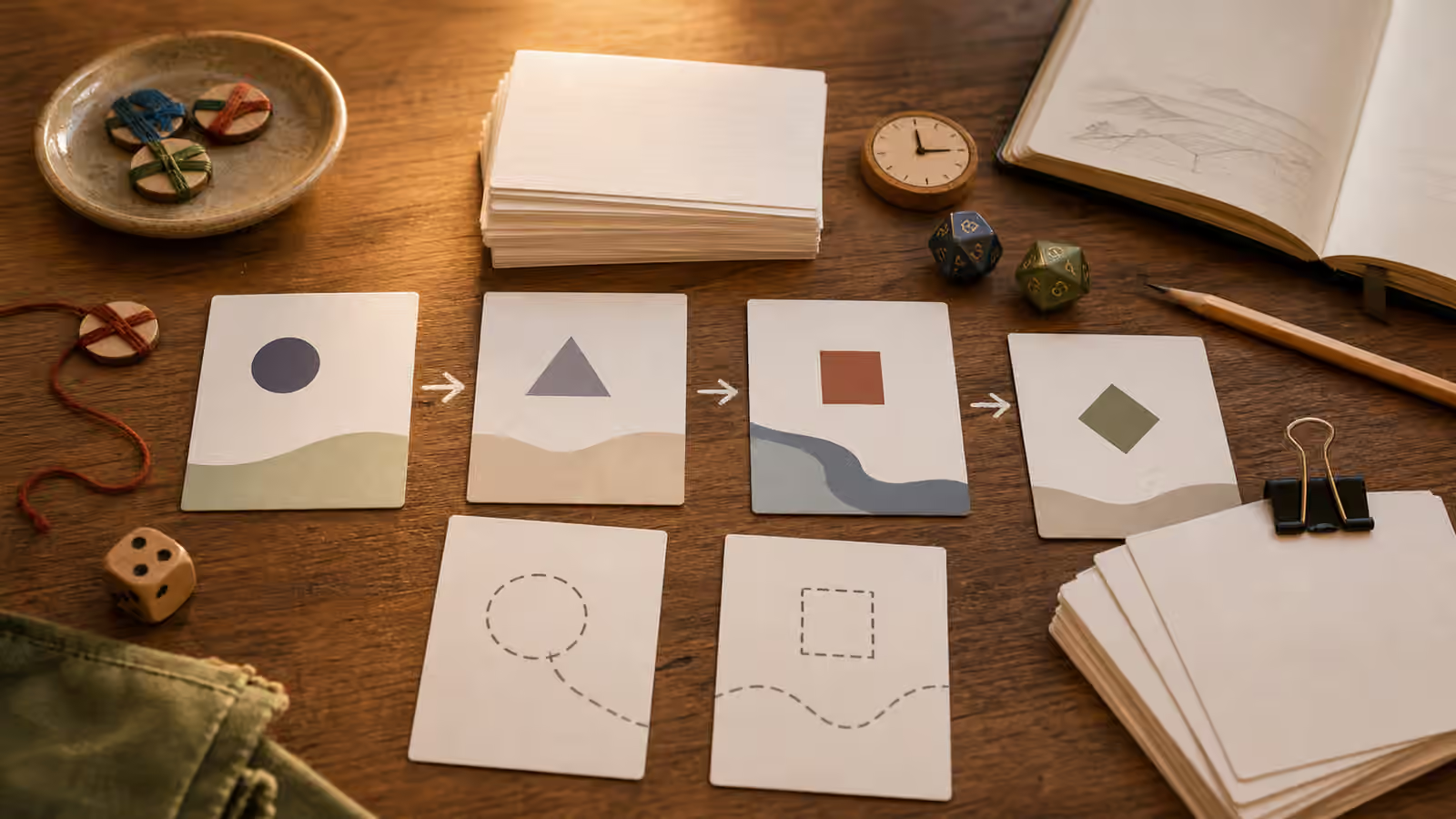
Index cards are good solo RPG tools because they are temporary. A notebook can start to feel permanent, even when the scene only needs a place to stand for twenty minutes. A card can hold one location, one unresolved question, one threat, one promise, one clock, or one next move. It can be moved, covered, retired, clipped to a stack, or thrown away after it has done its job.
This matters because solo RPG pacing is easy to blur. Without other players, a scene can expand until it becomes the whole session. A conversation can keep circling. A map can collect details that never become choices. An oracle result can create three new threads before the first one has moved. A small stack of cards gives the table a physical way to say: this is active, this is waiting, this is resolved, and this is not for tonight.
Give Each Card One Job
A scene card should be narrow. If it carries the location, weather, NPC motive, hidden clue, combat procedure, travel cost, tone limit, and reward, it becomes a tiny rulebook. One card works better when it holds one job. The card might say, in your own shorthand, that the bridge is unstable. Another card might hold the pursuer’s clock. Another might hold the promise made to the innkeeper. Another might hold a tone boundary for the evening.
The job can be visual rather than verbal. A triangle can mean danger. A circle can mean unresolved. A folded corner can mean return later. A token on top can mean the card is active. The point is not to invent a universal symbol system. The point is to help your hand see what the scene is asking.
Keep published material out of public card templates. If a card summarizes a room from a purchased adventure, it should remain private. Page numbers, your own paraphrase, and a reminder of what the character knows are usually enough. The card should point back to the source, not replace it.
Build an Active Stack and a Waiting Stack
Solo play benefits from visible separation. Put active scene cards in front of you. Put waiting cards to the side. Put resolved cards under a clip, in an envelope, or at the back of the notebook. This keeps the current scene from competing with every unresolved idea the campaign has ever produced.
An active stack can be very small. One location card, one pressure card, and one character question may be plenty. If the scene needs a clock, place the clock card partly under the location card so it feels connected. If a new thread appears, decide whether it belongs on the active stack or waiting stack. Not every good idea deserves immediate attention.
Campaign Notebook Setup is still useful. The notebook holds campaign memory. Cards hold table attention. At the end of the session, only the important changes need to move from card to notebook. That prevents the notebook from collecting every half-formed possibility and makes the next session easier to read.
Use Cards to Stop Scene Drift
Scene drift happens when the table forgets why the scene began. A character enters a market to find a rumor, then the market gains a festival, a suspicious merchant, a missing child, a weather problem, a debt, and a coded map. Any of those may be interesting. All of them at once can smother the first question.
Write the scene’s purpose on the active card in plain language. The character wants shelter. The investigator needs one clue. The traveler is deciding between two roads. The shopkeeper is trying to keep a promise. When a new idea appears, ask whether it serves that purpose. If it does, add it. If it does not, put it on a waiting card.
This is not a rejection of surprise. It is a pacing habit. The waiting stack says that a thread can matter later without hijacking now. If the active scene stalls, the waiting stack may provide the next move. If the campaign becomes crowded, the waiting stack can be reviewed and thinned.
Let Oracles Touch the Card, Not the Whole Campaign
Random prompts are stronger when they have a target. Instead of asking what happens to the whole story, ask what changes on the current card. What makes this room useful? What makes this promise harder? What appears on the road before the next marker? What cost attaches to this clue? The card gives the oracle a boundary.
Oracle Tables for Beginners teaches the same principle from the randomizer side. The index-card method teaches it from the table side. A narrow physical object makes a narrow question easier to ask. The result can still echo through the campaign, but it begins somewhere specific.
If an oracle result creates a new person, place that person on a card only if they need to return. If the result creates atmosphere, write it in the notebook or let it pass. If it creates a hard consequence, put a token on the relevant card. This keeps the table from turning every detail into admin.
Retire Cards Aggressively
Cards are allowed to leave. A resolved clue, crossed route, spent promise, finished room, or abandoned idea should not stay active because it once seemed important. Retiring a card can be as simple as drawing a line through it, clipping it behind the session log, or copying one sentence into the notebook and recycling the card.
When a solo game stalls, a card review can reveal the problem. There may be too many active threads, no current pressure, or no visible next action. When a Solo Game Stalls offers broader restart choices, but the card stack gives a quick diagnostic. If you cannot tell which card asks for the next scene, the campaign may need shrinking.
Index cards are not a personality test for organized play. They are a forgiving surface. Use them badly and they still work. Cross things out. Move cards around. Let one card become a coaster for a token if that is what the table needs. The power of the method is not neatness. It is the ability to keep one scene visible while the rest of the campaign waits its turn.