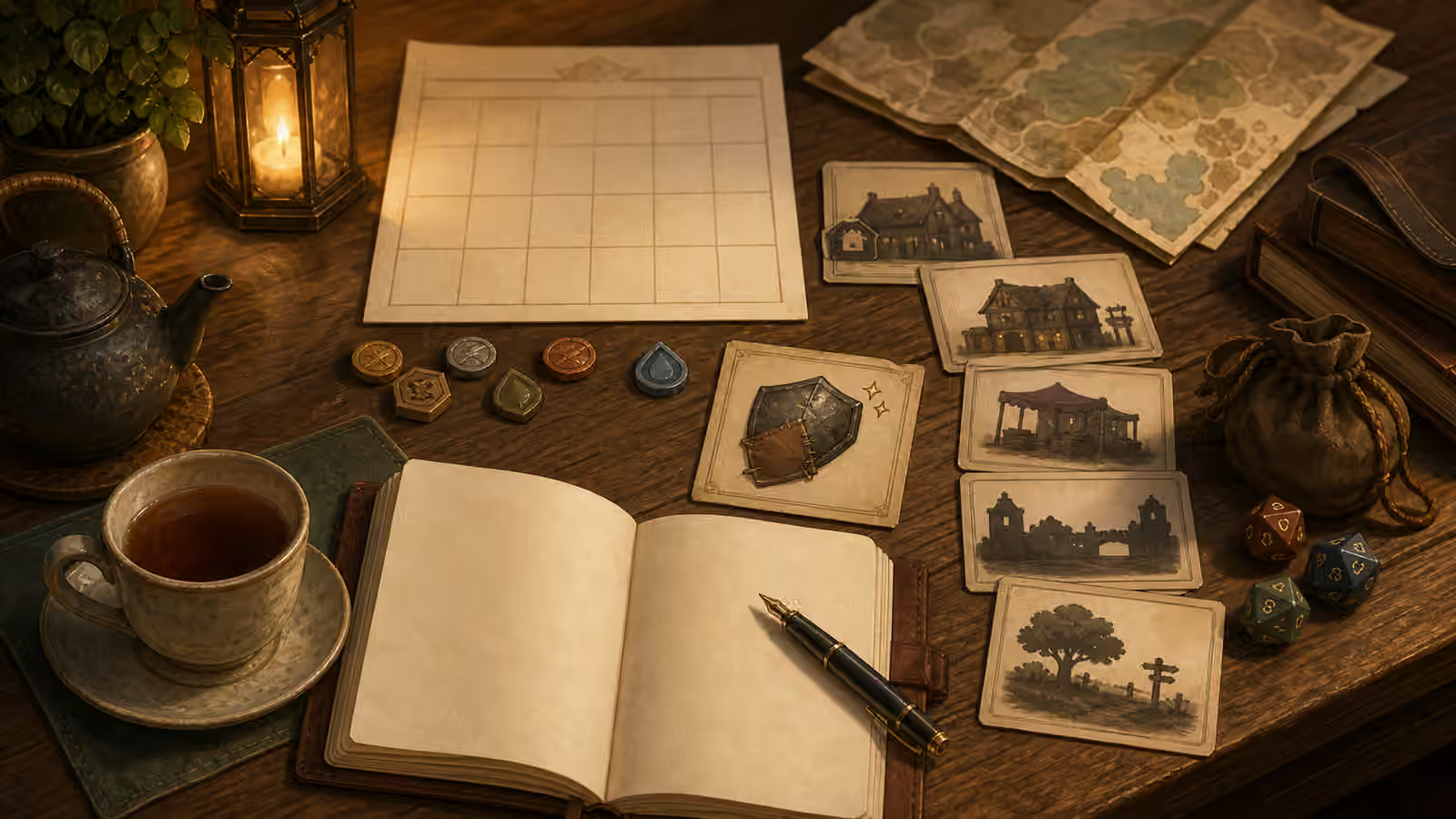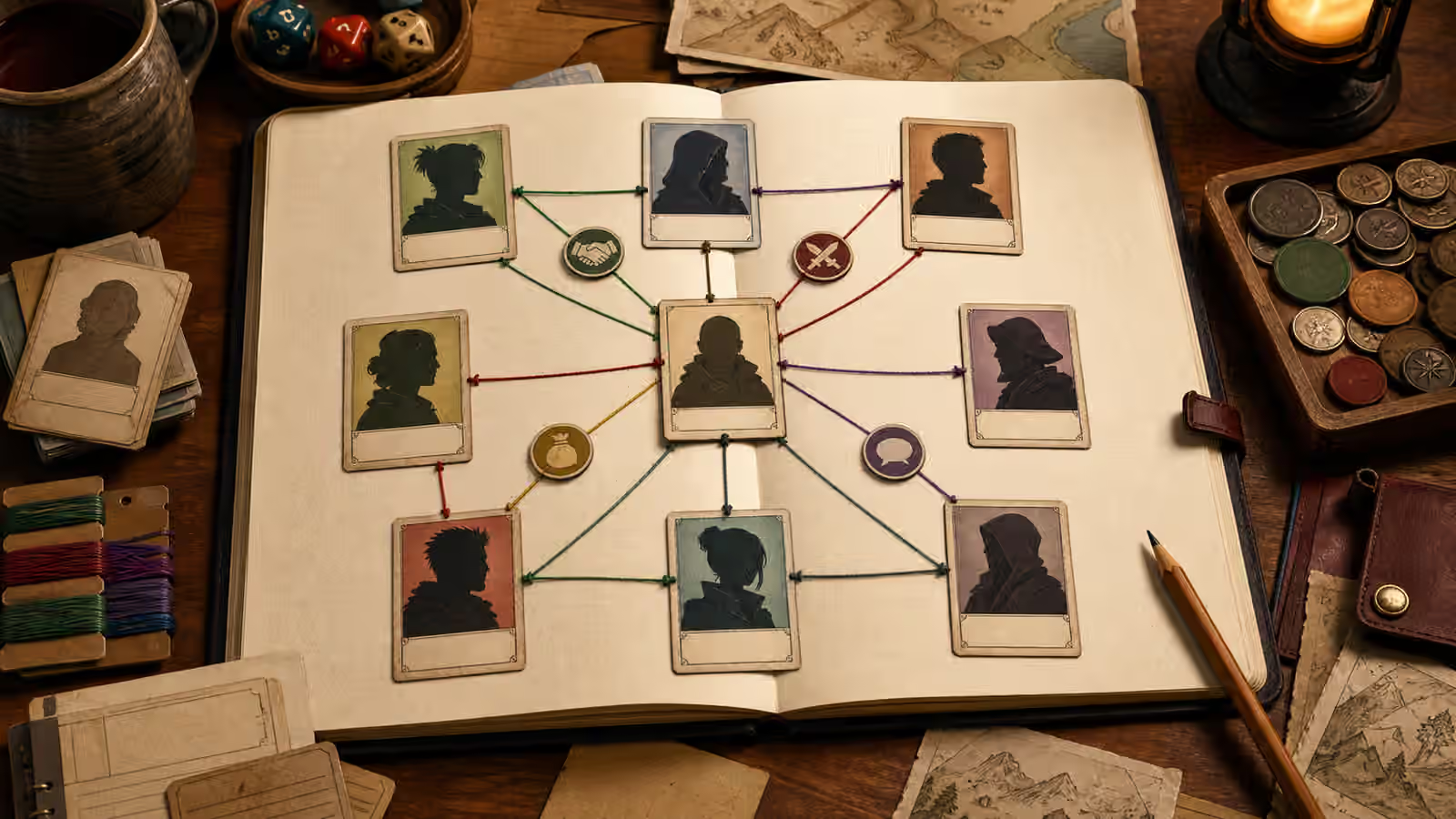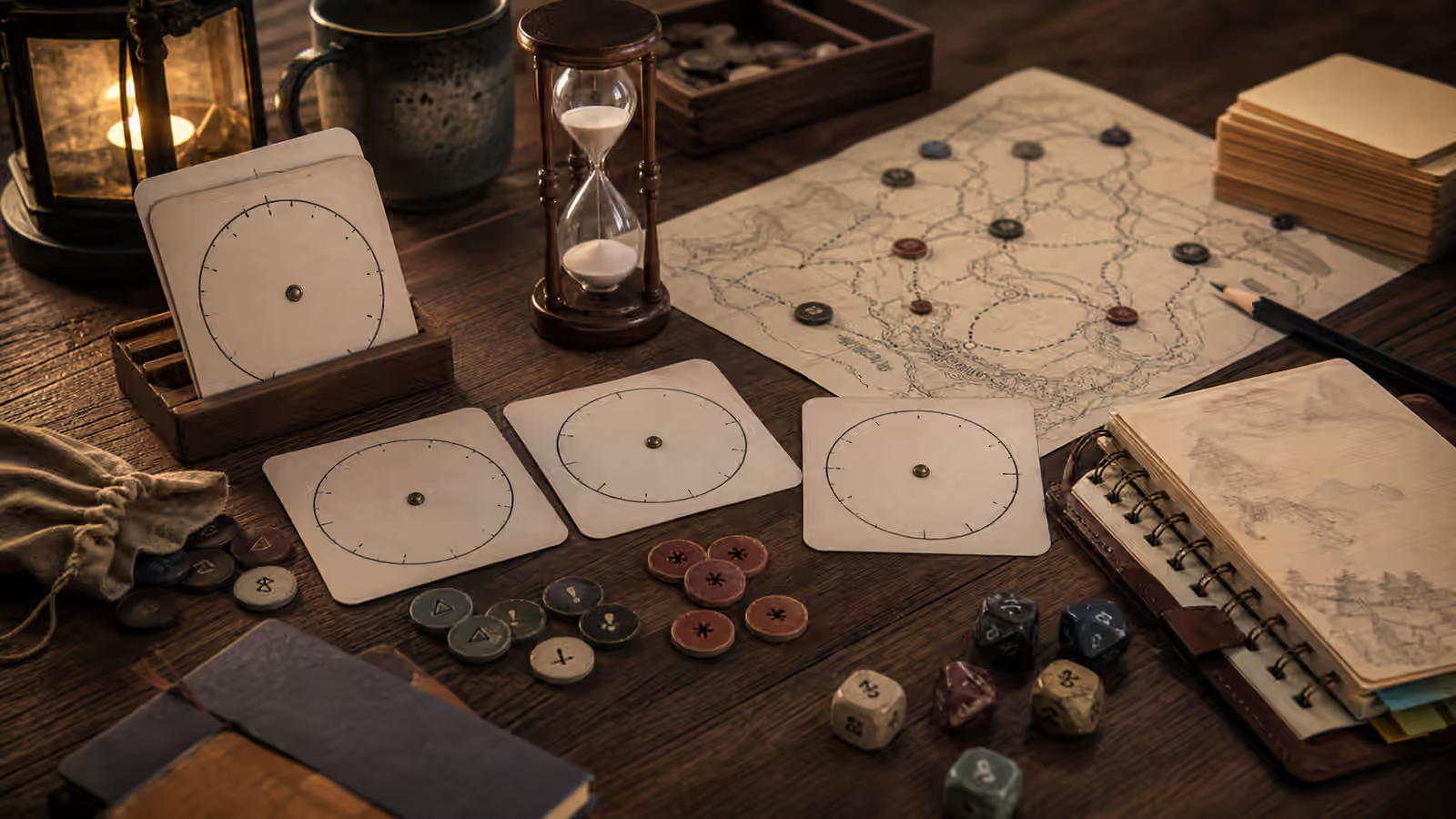
The First Session Generator is for the moment when the table is empty and starting feels vague. It gives you a setup, opening prompt, rules boundary, and stop condition so the first scene can happen.
Choose the Real Mode
Pick journaling RPG, solo board game, map adventure, or one-friend duet. Then choose genre, time, energy, and rules familiarity. Keep the inputs honest. A 15-minute low-energy session should not become a 90-minute campaign launch.
If the output feels too large, shrink it before setup.
Mode decides the first visible action. A journaling RPG may start with a prompt and a voice. A solo board game may start with setup and one tutorial turn. A map adventure may start with one room, road, or landmark. A duet may start with a consent check and a shared opening image. Do not let a generic opener ignore the form of play you actually chose.
Write the Stop Condition First
The stop condition is not an afterthought. It prevents the first session from becoming endless setup or exhausted overplay. Use one turn, one prompt, one room, one travel check, or one scene.
Then write “next session begins with…” before you start.
A stop condition should be observable. “When I feel done” is too slippery for a first session. “After the first scene resolves,” “after three turns,” “after one map branch,” or “when the timer rings” gives you a clean exit. This is especially useful when learning rules, because early success is starting and closing, not mastering the whole system.
Respect the Source Game
For published games, official setup rules, safety text, and content notes come first. The generator gives a generic opening frame; it does not replace the game.
Do not copy protected prompts or setting text into shared outputs.
Use the generator around the source, not over it. If a rulebook tells you how to create a character, choose a scenario, or apply content warnings, follow that first. The generated frame can help decide when, where, and how much to play, but it should not rewrite a designer’s procedure unless you are making a private house rule.
Play One Opening
Once the table is ready, play. Avoid redesigning the result until the scene has moved. The method is successful if the session begins and closes cleanly.
After the opening, write three short notes: what worked, what blocked play, and what starts next time. Those notes are more useful than a perfect setup plan. They turn one small session into a return path.