Downtime is the bridge between the dramatic parts of a solo adventure. It is where wounds stop being abstract penalties, rumors travel ahead, gear breaks or gets repaired, relationships change temperature, and the protagonist has to live with what the last session did. Without downtime, solo campaigns can become a string of doors, fights, clues, and travel checks. With too much downtime, the table can turn into accounting. The useful middle is a short scene that lets consequence breathe and then points toward the next decision.
The best downtime scenes are not filler. They answer a practical question: what changes because the adventure paused? Sometimes the answer is recovery. Sometimes it is cost. Sometimes it is a rumor, a repaired tool, a strained friendship, a job offer, a seasonal shift, or a quiet realization. The scene can be gentle, but it should still move something.
Choose a Downtime Anchor
A downtime scene needs an anchor, or it becomes a vague montage. The anchor is the thing this pause is about. It might be rest after danger, repair after travel, news from town, a relationship conversation, a debt coming due, training, research, or preparation for a route. Choose one anchor before rolling or writing. That keeps the scene from absorbing every unresolved thread in the campaign.
If the last session ended with injury or exhaustion, recovery may be the anchor. If the protagonist returned with a broken cart, damaged gear, or spent supplies, repair may be stronger. If the adventure revealed a clue, research or rumor may fit. If an NPC helped or was hurt, relationship pressure may be the real subject. The anchor does not need to be clever. It only needs to give the scene a job.
Downtime sits comfortably beside Campaign Log Review . The review remembers what happened and where to restart. Downtime asks what changed during the pause.
Let Recovery Have Texture
Recovery is not always full reset. A night at an inn, camp, town house, temple, shelter, safe room, or ship berth can remove immediate pressure without erasing every cost. In solo play, full reset can be useful when a game is already hard or when the next session needs a clean start. Partial recovery can be better when you want continuity. The choice should match the tone of the campaign, not a vague idea of toughness.
Give recovery one visible detail. The protagonist sleeps badly but wakes with a clear route. The wound closes but leaves stiffness. A tool is repaired but marked. A local helper asks for a favor later. A meal restores morale but costs the last coin. These details keep downtime human without making it punitive.
Be careful not to turn recovery into moral accounting. If the session was intense, a softer pause may be right. Emotional Safety and Decompression After Solo Play is a useful companion when the fiction has been heavy. Downtime can bring the table back to the room, not just prepare the next challenge.
Use Rumors as Direction, Not Homework
Rumors are useful between adventures because they widen the world without requiring a full map. A rumor can point to a route, danger, opportunity, missing person, seasonal change, market shift, political tension, or unresolved consequence. It should not force the player to track a dozen possible quests unless that is the chosen style of campaign.
One rumor is often enough. Give it a source, a slant, and a reason it matters. A tired porter heard the bridge is unsafe. A shopkeeper thinks the old road is profitable again. A rival spread a version of the last adventure that makes the protagonist look reckless. The rumor does not need to be true. It needs to create a decision.
For cozy or town-centered campaigns, Cozy Town, Inn, Farm, and Shopkeeping Solo Games can keep rumors grounded in ordinary routines. The rumor may be about harvest, repairs, missing deliveries, a festival, or a customer rather than danger.
Keep Upkeep Playable
Some downtime has mechanical upkeep: income, repairs, market refresh, training marks, travel costs, recovery rolls, crafting progress, faction clocks, and campaign calendars. These can be satisfying when they show the world changing. They become a problem when the upkeep phase is longer than the adventure it supports.
Use only the trackers that earn their space. If food, weather, and fatigue are the heart of the campaign, track them clearly. If they are incidental, summarize them. Survival and Travel Logs That Stay Human argues for resource pressure that creates choices rather than exhaustion math. Downtime should follow the same rule.
When a downtime procedure has many steps, put the current step on a card or bookmark. Finish one step before adding another. If you are returning after a long break, skip backward reconstruction and make a present-tense ruling: what is true now, what remains open, and what is the next scene?
Let Relationships Change Quietly
Downtime is a natural place for relationships to move without a dramatic confrontation. Someone returns a borrowed item. Someone avoids the protagonist. A letter arrives. A debt is forgiven or remembered. An ally asks whether the journey is still worth it. A rival sends help for reasons that are not yet clear.
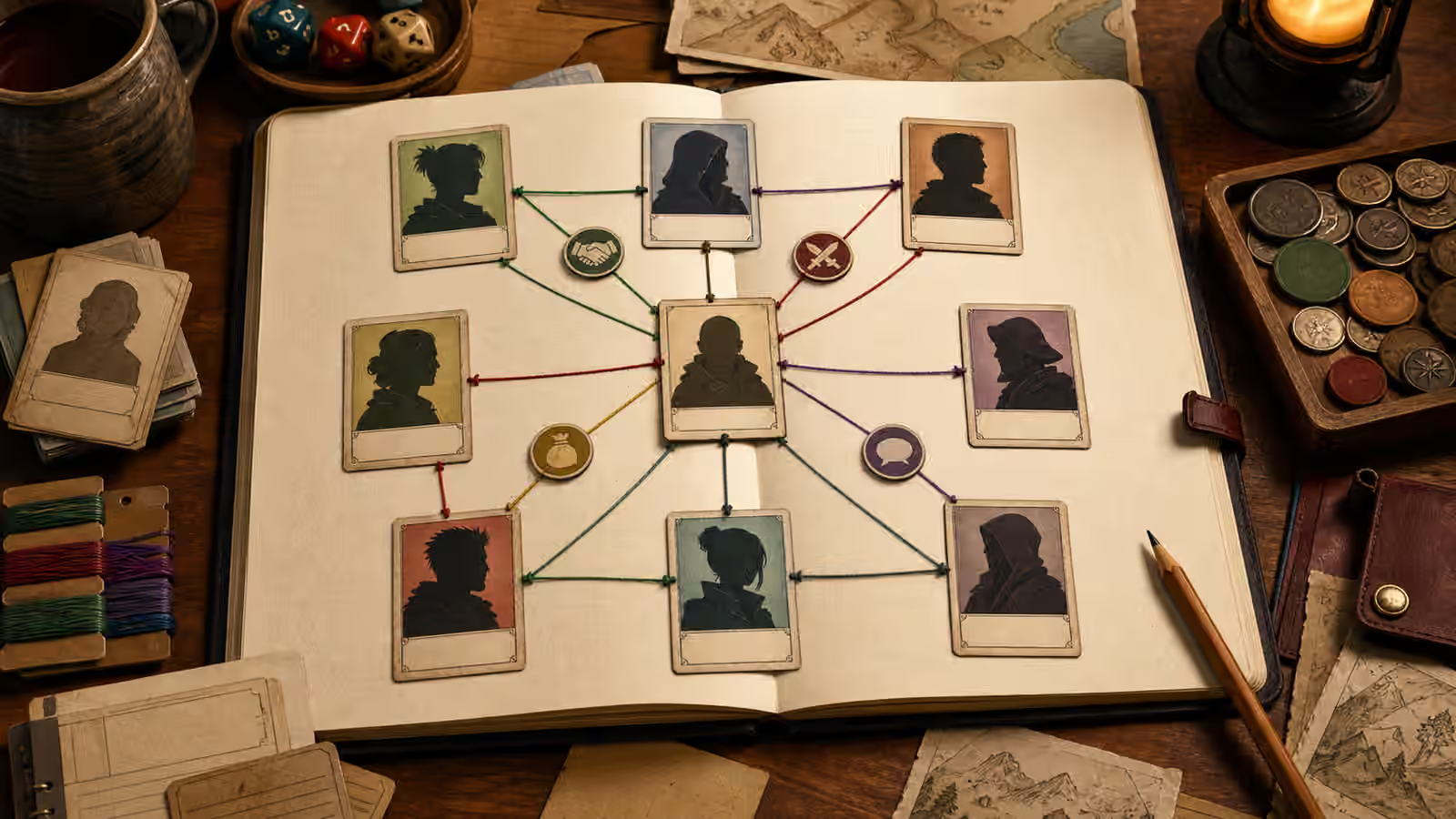
These scenes work best when they are short. One exchange, one changed attitude, one new promise, or one visible absence is enough. If the campaign uses a relationship web, move one card or token after the scene. Do not turn every downtime into a full cast review. The web should show motion, not demand attendance.
End With a Door Back Into Play
Downtime should close by naming the next active decision. The protagonist leaves town by the river road. The repaired lantern is ready. The rumor points to the mill. The faction clock advances. The map opens a new route. The old threat has not disappeared. Write one return cue in the campaign log and stop before planning the whole next session.
This final cue is what keeps downtime from becoming a side project. It gives the next first move. It also lets the player end on quiet momentum rather than unresolved administration. Downtime is a pause, but it is not empty space. It is where the campaign remembers that adventure has consequences even when the dice are resting.