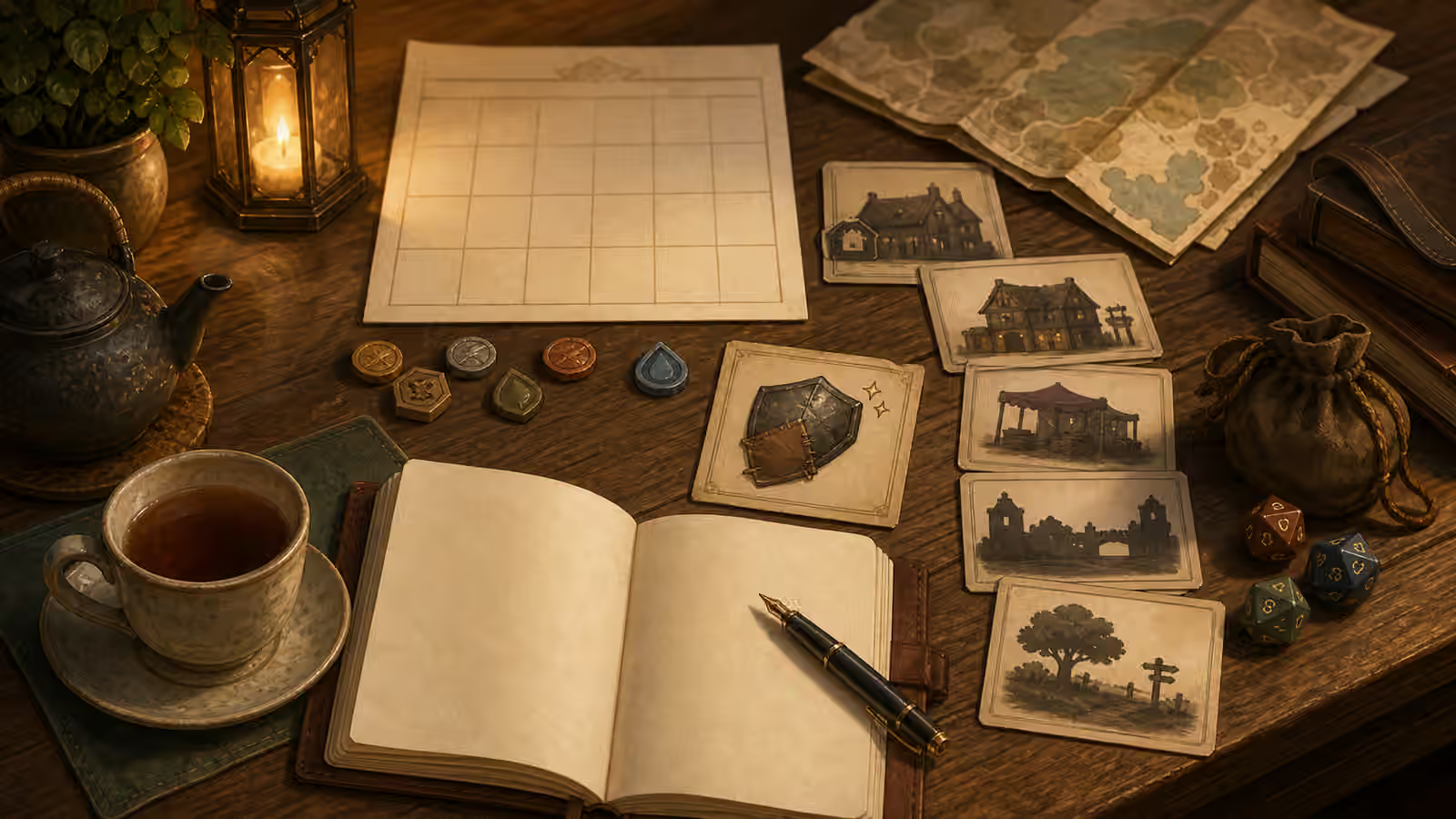
Quiet play is not about making the table joyless. It is about making solo tabletop compatible with apartments, sleeping households, public spaces, shared desks, and late-night energy. A few material choices can reduce friction without reducing play.
Contain the Roll
A felt tray, padded tin lid, folded cloth, dice cup, or small box top can stop dice from scattering and dampen sound. If rolling is still loud, use cards, token pulls, a phone roller, or a pre-rolled list. These are access and manners choices, not lesser play.
Large dice may be easier to read but louder. Balance visibility and noise.
Test sound before the session if the room is shared. Roll once on the bare table, once on cloth, and once in the tray. Pick the quietest option that remains readable and satisfying. If the best option is a digital roller because hands, noise, or space make dice hard, use it without apologizing.
Reduce Table Disturbance
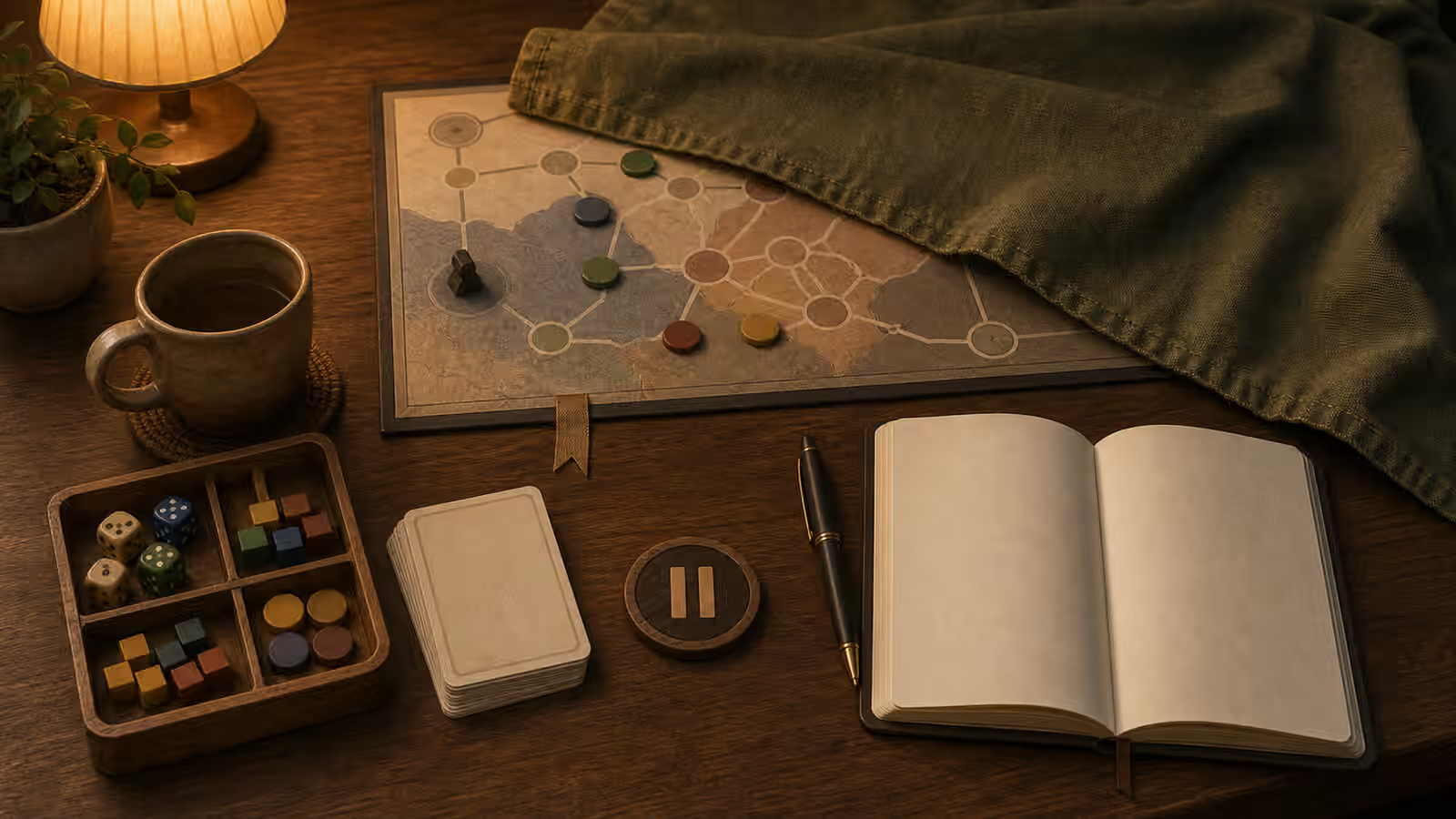
Use component bowls, soft tokens, a pencil rather than a clacky pen, and stable card zones. Avoid late-night shuffling if someone is sleeping nearby. Keep snacks and drinks off the rolling area so spills do not create a noisy cleanup.
For shared walls, the table surface matters. A placemat or cloth can make a surprising difference.
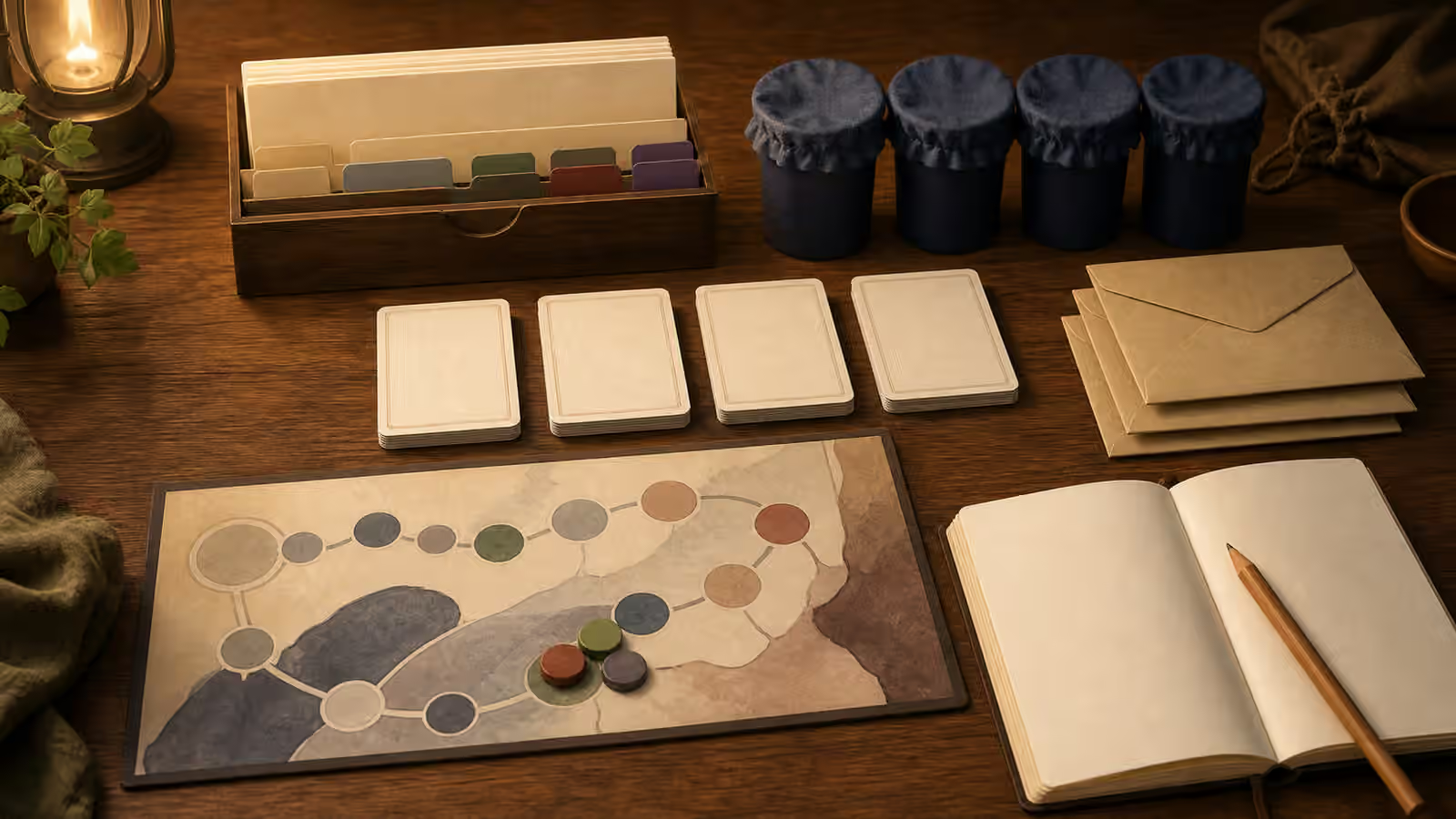
Quiet organization also protects campaign state. Put noisy pieces in soft bags, use envelopes for paper, and keep a “do not shuffle tonight” pile if cards can wait until morning. Small choices like these make late play compatible with other people instead of turning the hobby into a household conflict.
Manage Light
Good light is an accessibility support. Shielded warm light can reduce glare while keeping text readable. If you share a room, point the lamp at the table, not the room. If a digital magnifier helps, use it without shame.
Light has a social side too. A bright overhead light may wake someone, while light that is too dim can create eye strain and rules mistakes. Use a focused lamp, high-contrast references, and larger notes when possible. Quiet play should not mean inaccessible play.
Close Quietly
Put pieces into soft bags or boxes before fatigue hits. A quiet close protects both the room and the campaign state.
Make the last action silent and specific: write the next turn, stack cards, cap the pencil, bag dice, and place the tray where it can be lifted in one motion. Stopping before you are exhausted reduces dropped pieces, late-night searching, and lost state.