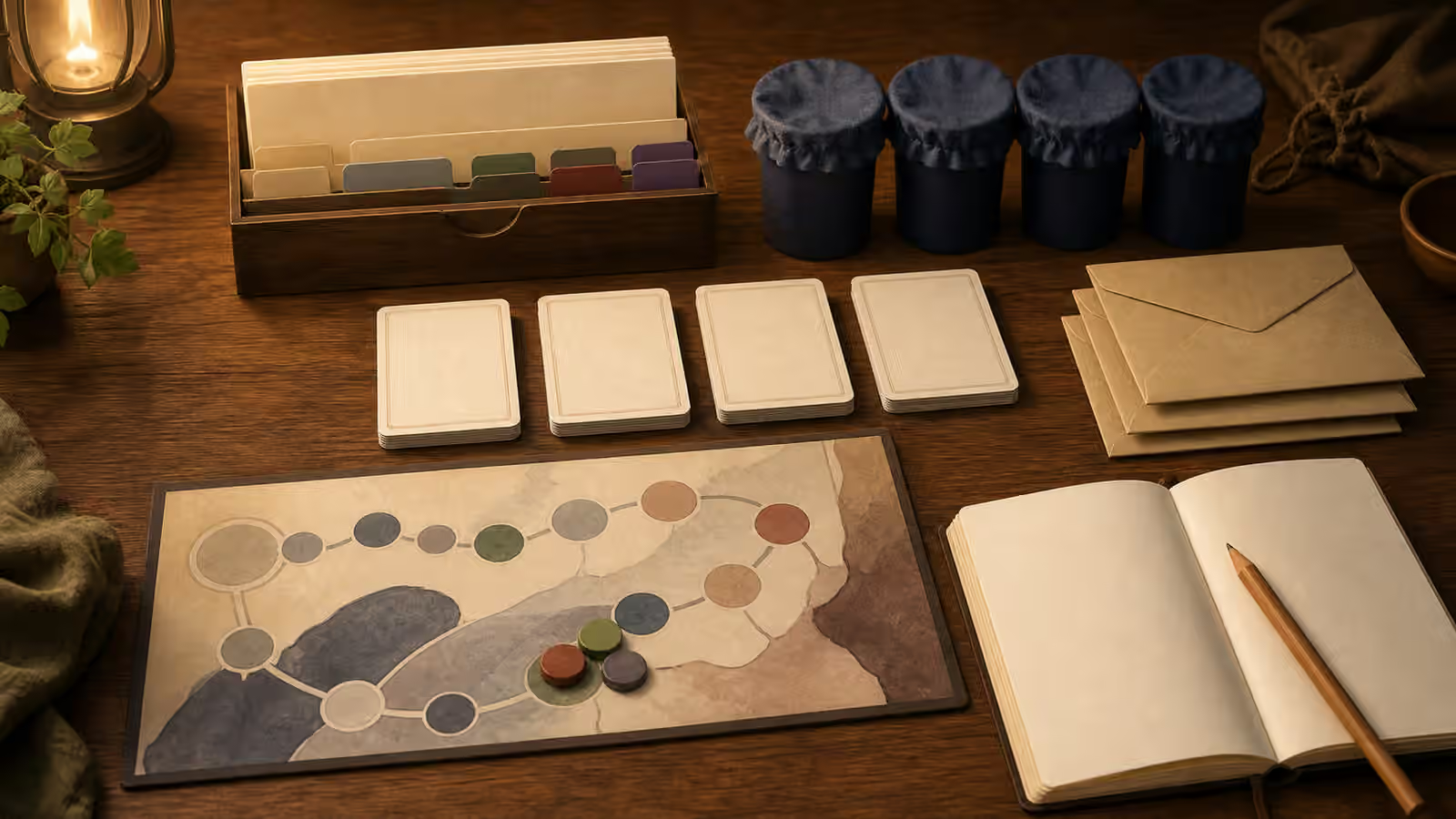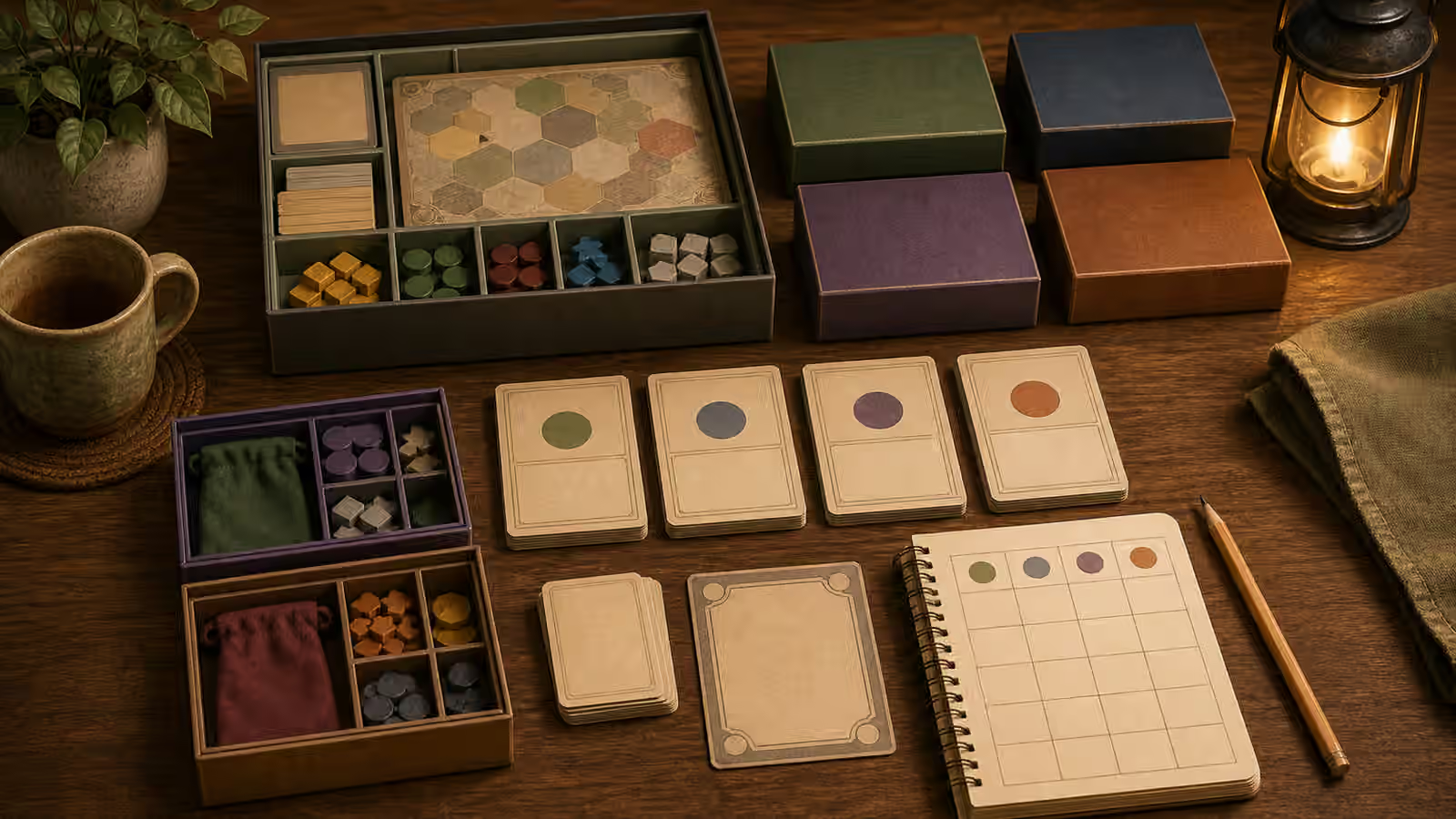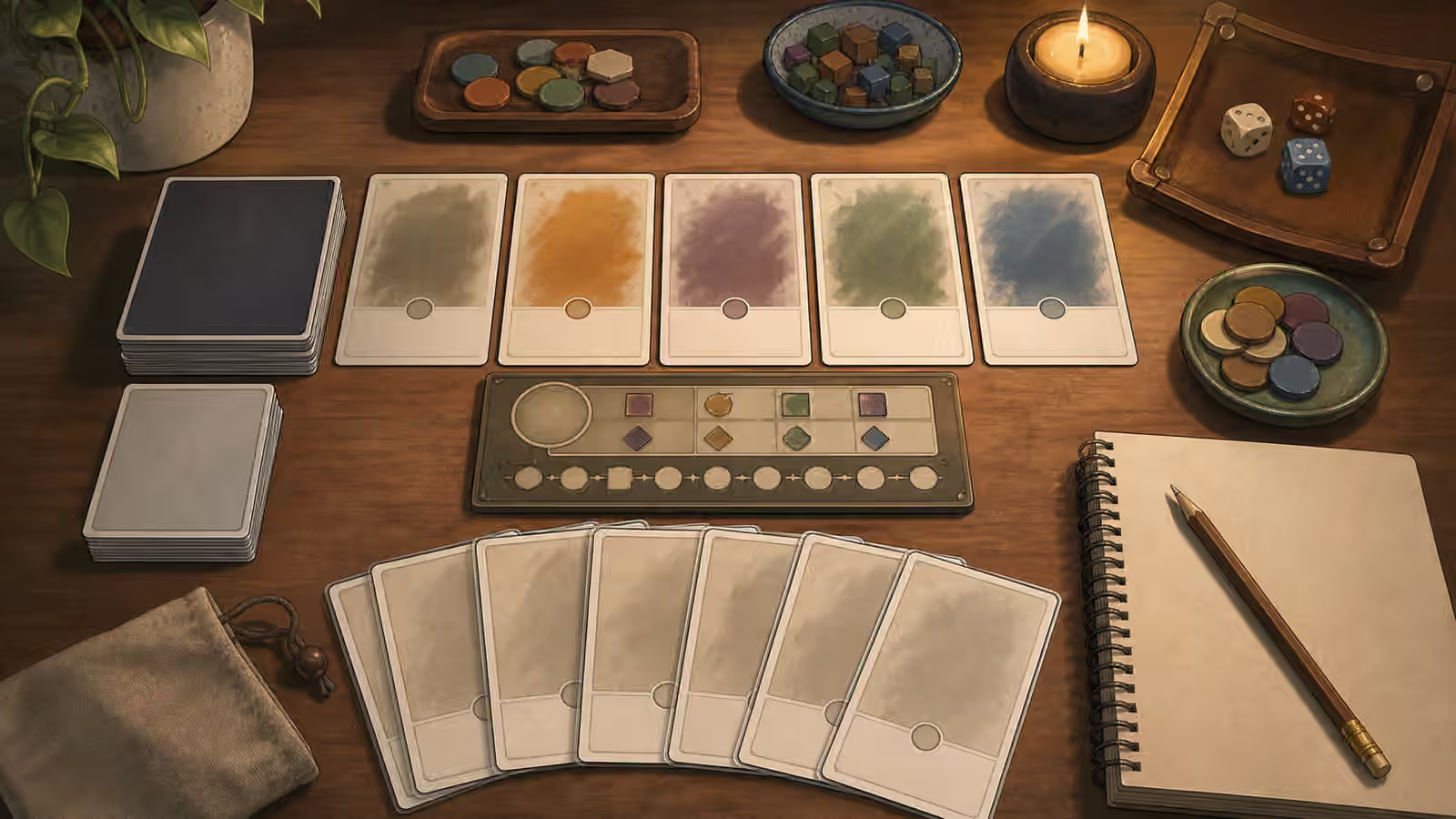
Card-led solo games have a special kind of memory. A die forgets itself after the roll. A deck remembers what has been drawn, discarded, buried, exhausted, reshuffled, bought, revealed, or left in the market. That memory can make a solo game feel alive. It can also make the table fragile if card zones are unclear or if every pile looks like every other pile.
The first skill is not advanced strategy. It is seeing the deck as a clock, a resource, and a record of past choices. Some card games pressure you because the draw pile is running out. Some pressure you because the market will change before you can buy everything. Some pressure you because powerful cards return only after a shuffle. Some pressure you because the discard pile is not gone; it is future possibility waiting for the right timing.
Give Every Pile a Home
A card game becomes harder when piles drift. Draw, discard, removed, exhausted, market, hand, active, tucked, and saved cards need stable places. They do not all need large spaces, but they need consistent ones. If the discard pile changes sides during play, you will eventually hesitate. If the market row creeps into the draw pile, you will lose trust in the state.
Use physical cues. A cloth strip can hold the market. A small tray can hold removed cards. A turned card can mark a temporary effect. A card holder can keep the active enemy or event upright. If the table is small, reduce lateral spread rather than stacking unrelated piles. Tiny Table Layouts for Solo Board Games and Journaling RPGs is useful because card games often look compact until the market, discard, tokens, and rulebook all demand a lane.
When a game uses cards as randomizers rather than persistent state, the setup can be looser. Cards, Coins, Tokens, and Small Randomizer Kits covers that lighter use. Deck-led games need more respect for order because the order is part of the game.
Watch the Market Tempo
A card market is not only a menu. It is a timer with prices attached. Cards that sit too long may clog the row. Cards that vanish quickly may punish hesitation. A market that refreshes every turn rewards opportunism. A market that refreshes only when bought rewards planning and sometimes creates stagnant choices.
Before judging the game, identify the market tempo. Ask when cards leave, who or what removes them, whether the market can stall, and whether the solo opponent interacts with it. If the market does not move unless you buy, then passing has a cost. If the automa buys or burns cards, then waiting has a different cost. If the market refills immediately, then every purchase changes the visible future.
Write one private reminder about market timing if it keeps slipping. Do not copy card text into public notes. A phrase such as “refill after each buy” or “clear row at round end” may be enough for your table. The goal is not to build a full reference sheet. The goal is to prevent one missed timing rule from changing the whole deck economy.
Treat the Discard Pile as Future Memory
In many solo card games, the discard pile is not trash. It is the next version of your deck. That means a weak turn may be setting up a stronger cycle, and a strong turn may be spending cards you will miss later. Watching the discard pile helps you understand why a game feels lucky, tight, generous, or punishing.
You do not need to count every card unless the game asks for it. Even a light sense of what has passed can help. Are your movement cards gone? Have the event cards already shown their worst pressure? Did you discard the answer to a threat because the threat was not visible yet? These questions turn deck cycling into play rather than bookkeeping.
When memory becomes too much, use a discard splay. Spread the top few cards enough to see card backs, colors, or broad categories without reading every line. If that takes too much space, use a small marker for category memory: attack spent, travel spent, economy spent. Accessibility can be practical and private. Card holders, larger sleeves, magnification, and high-contrast mats all belong at the table if they keep the game playable.
Keep Hand Pressure Honest
A hand of cards creates private tension even when you are alone. You know what you can do, what you cannot do, and what you might be forced to waste. In solo play, that tension can collapse if you allow unlimited rewinds. It can also become punitive if one misread icon ruins the session.
Choose a repair rule before the mistake happens. If you notice a missed trigger immediately, rewind if the state is simple. If several decisions have passed, repair forward with a reasonable cost or continue from the current state. If an icon was illegible or a card was physically hard to read, fix the table before blaming yourself. A solo card game is a play space, not an exam.
Hand management also connects to pacing. If a game asks you to hold a large hand while tracking a market, enemy deck, event row, and player board, the real difficulty may be cognitive load. Use Player Aids and Rules Reminders for the repeated parts so your attention can stay with card choices.
Save Card State With Care
Pausing a deck-led game requires more than a photo of the board. Deck order, discard order, market row, tucked cards, exhausted cards, hand contents, and removed cards may all matter. Decide which of those states are actually important before packing.
Use envelopes, sleeves, or clips with clear roles. Keep the draw deck facing one way and do not shuffle unless the save note says to. Put the market row in order. Keep hand cards separate from discard. Write one restart sentence that names the next card action. Save State Between Solo Sessions gives the broader method, but card games need special attention because a careless shuffle can erase more than position.
Card-led games reward players who respect small state without becoming servants to it. Give piles a home. Notice the market tempo. Let the discard pile teach you. Repair mistakes kindly. Then let the deck do its work: create a future you can partly read and partly fear.