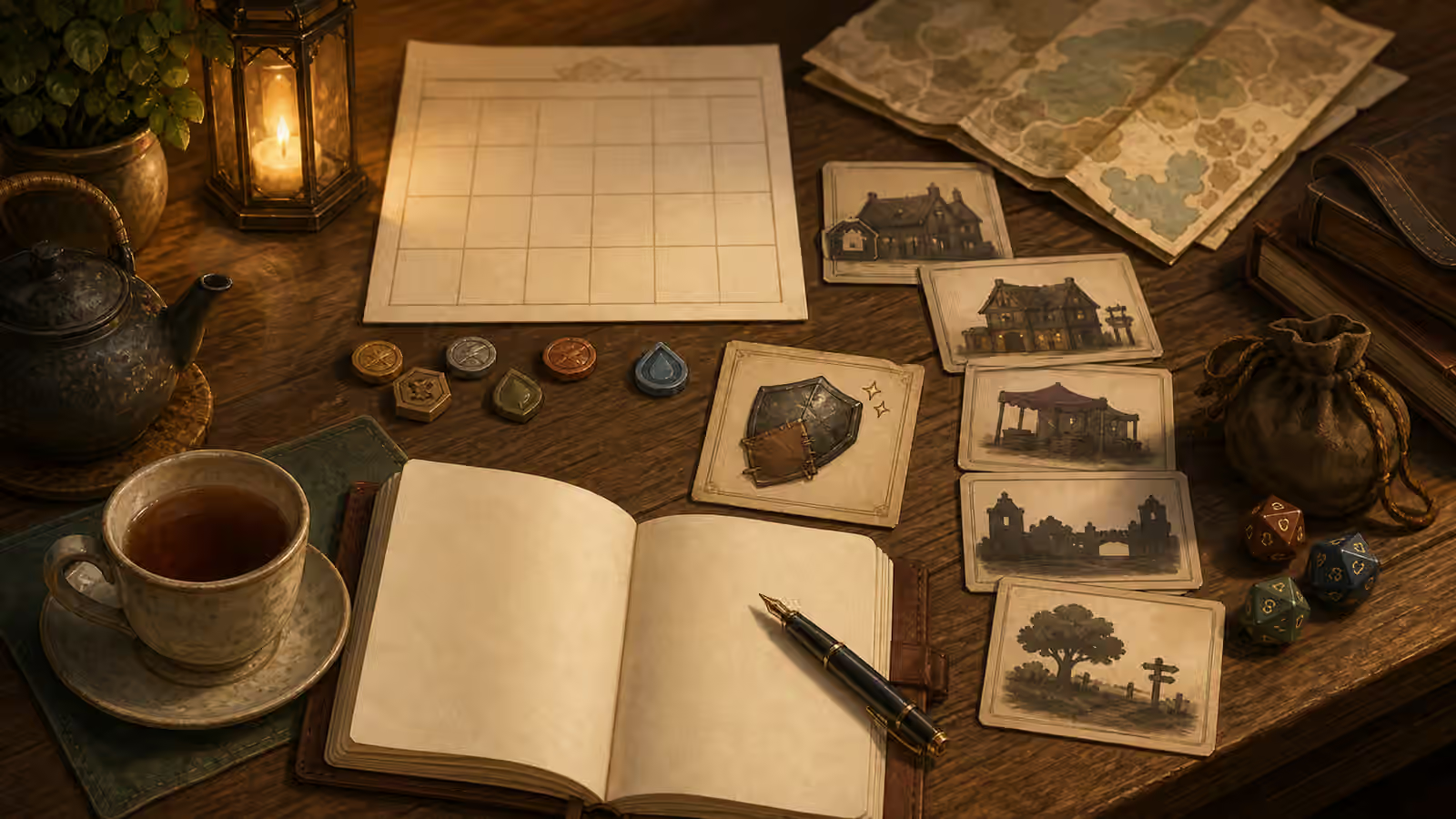
Print-and-play prep uses ordinary objects that still deserve attention: blades, scissors, rulers, small tokens, sleeves, glue, folded paper, and table edges. A calm safety setup keeps craft from becoming the stressful part of the hobby.
Set the Craft Surface
Use a stable surface, good light, and a cutting mat or protective board. Keep drinks away from paper and blades. Put tools on one side and finished components on the other. If you are tired, rushing, distracted, or sharing space with children, pets, or guests, choose scissors, pre-cut services, or play with uncut sheets instead.
Sharp tools should never be part of the active play area. Finish cutting, store tools, then play.
Make Edges Playable
Cards do not need perfect edges to work. They need to be recognizable and safe to handle. If rough edges bother your hands, sleeve the cards or trim fewer pieces larger. If tiny tokens are hard to pick up, replace them with larger cubes, coins, beads, or folded tents.
Accessibility is not an aesthetic downgrade. It is the reason components function.
Watch Small Parts
Small tokens, dice, beads, and clips can be choking hazards or easy to lose. If children are nearby, keep small pieces in closed containers when not actively used. Choose larger stand-ins when possible. For public or shared-space play, use a tray so pieces do not roll onto the floor.
Age rating for tabletop is not only story content. It includes material safety.
Keep Copyright Separate From Craft
Private cutting and folding choices are fine within your use rights. Uploading cleaned scans, replacement art, copied cards, or rebuilt files is different. Check the creator’s license before sharing any component files.
When in doubt, share a photo-free description of what helped: “I sleeved the cards with spare playing cards” or “I used coins for tokens.” That helps other players without distributing protected material.