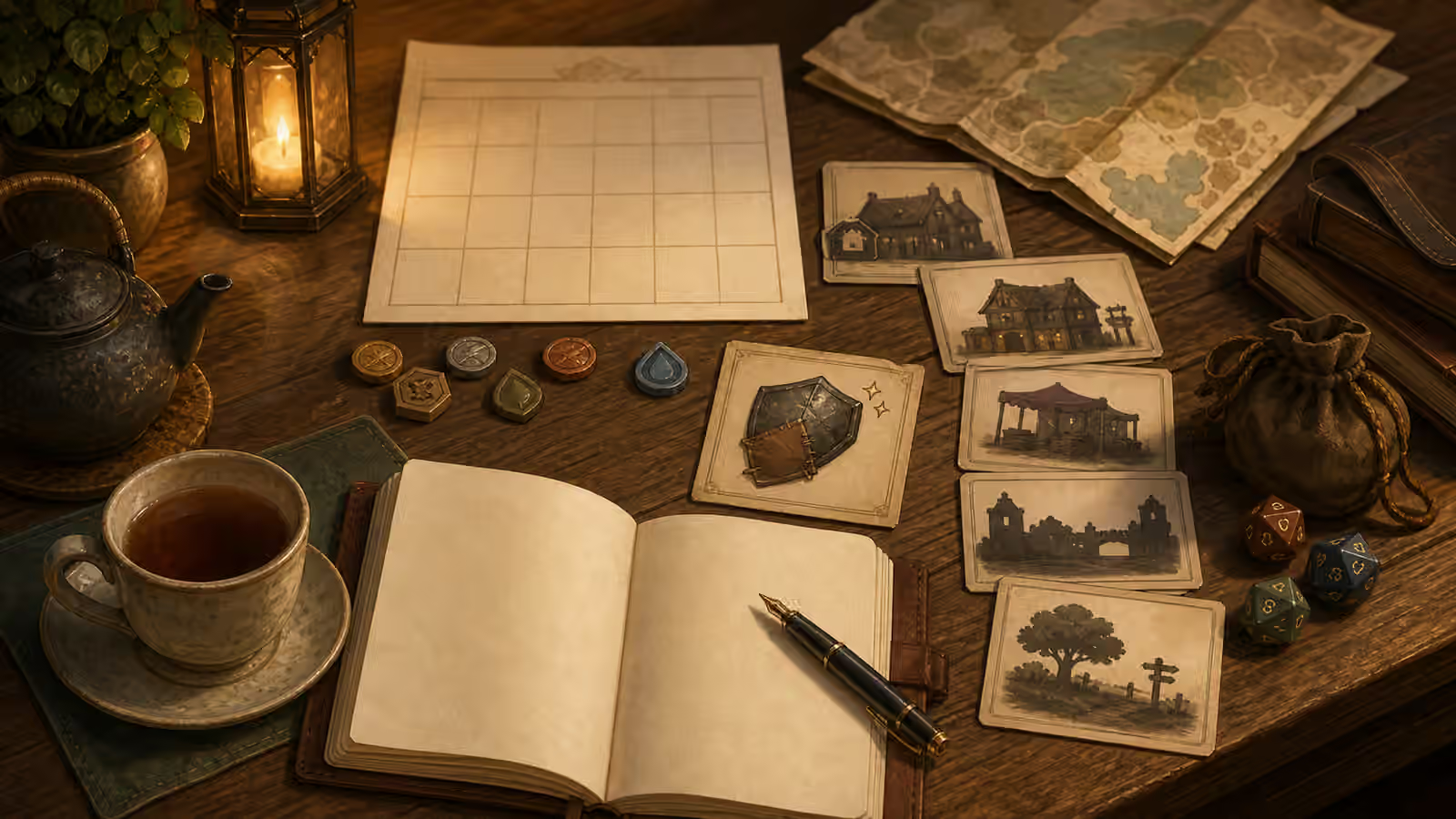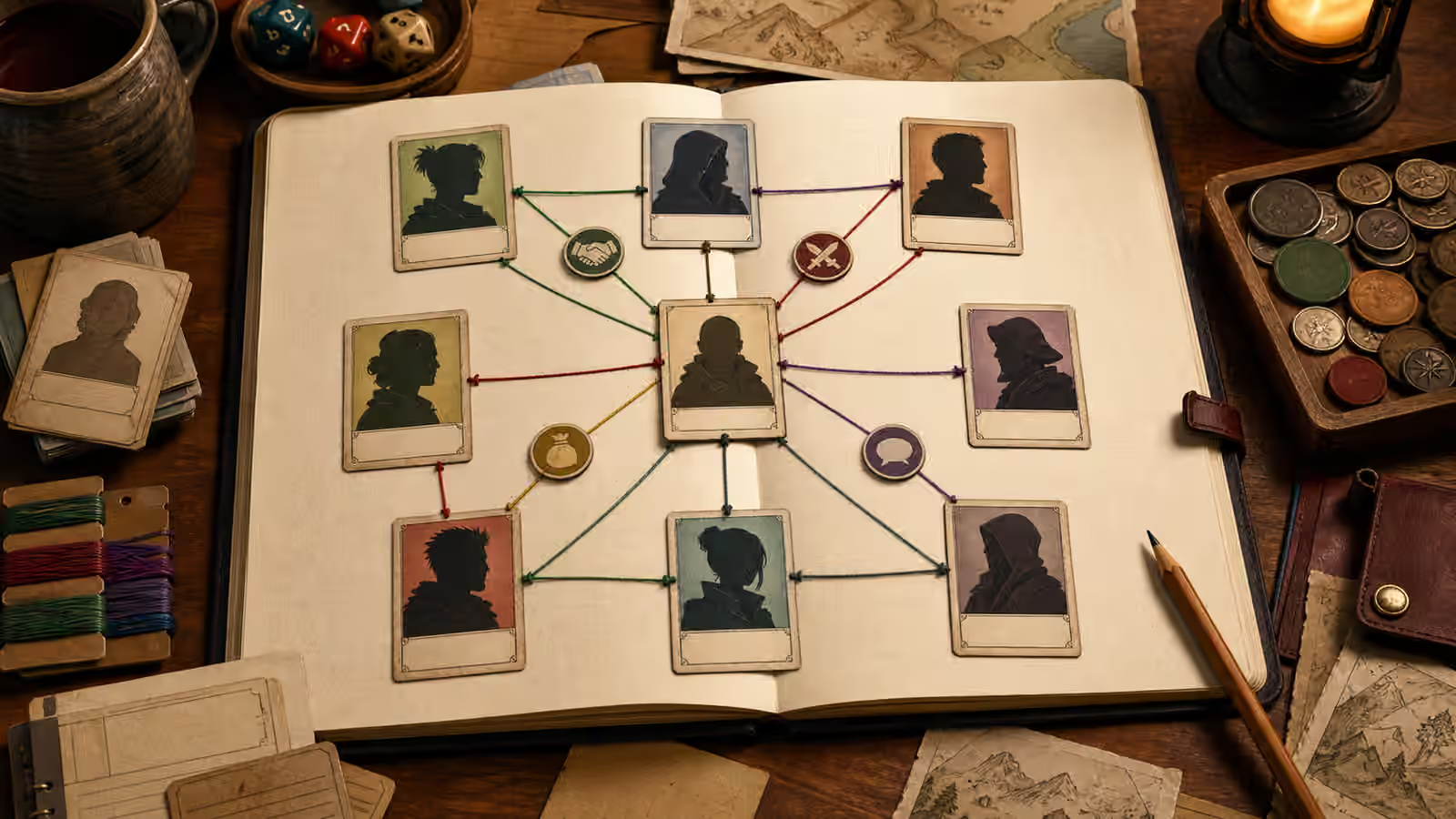
Cozy town and shopkeeping games are not only about making things cute. They are about repeatable loops: open the inn, tend the farm, stock the shelves, visit the neighbor, repair the bridge, close the day, and notice what changed. The pleasure often comes from a small economy that stays human.
Make the Loop Kind
A useful loop has effort, choice, and recovery. If every day is profit extraction, the game can start to feel like a job. Give the town reasons to rest: market day ends, a storm slows deliveries, a friend covers the counter, the garden grows without being watched, the inn closes before night.
Write three ordinary actions and one seasonal pressure. Ordinary actions might be brew tea, sort mail, mend apron, welcome traveler, water seedlings, or clean the shelf. Seasonal pressure might be winter stores, spring festival, harvest rush, or road closure.
Keep Stakes Small but Real
Small stakes can still matter. A regular customer is moving away. A shipment is late. The well rope breaks. Someone cannot pay full price. A recipe fails. The town notice board has one strange request. The question is not “How do I save the world?” It is “What does care cost today, and what choice can I make with what I have?”
If your mood is low, choose reversible stakes. If your energy is high, add a harder tradeoff but keep a recovery path.
Avoid Cozy Gatekeeping
Cozy play can be gentle, tactical, funny, sentimental, practical, magical, or plain. Some players love resource math. Some want character voice. Some want maps and errands. Some want a tiny shop ledger. Do not rank these as more or less authentic.
Community respect also means crediting creators, not reposting paid tables, and marking spoilers for published settings. Your own original town notes are yours, but the game text still belongs to its creator.
Close the Day
End each session with a day close: one thing earned, one thing spent, one person changed, one open task, and one next scene. Keep the format short enough that you will actually use it.
The town does not have to become a perfect archive. It only has to be warm enough to return to.