Solo RPGs can drift when nothing pushes back. A character asks questions, explores rooms, writes gentle scenes, and waits for the fiction to become urgent on its own. Drift is not always a problem. Some sessions are meant to wander. But when the story needs pressure, one player often has to create, reveal, and respond to that pressure without the help of a game master. Clocks, timers, and fronts make that job visible.
A clock is a progress track for something changing. A timer is a limit that makes delay matter. A front is a pressure in the world with direction: a rival arrives, a storm closes the pass, a rumor spreads, a machine overheats, a patron loses patience, a town festival begins without you. These tools do not need special authority. They need a clear job. They should make the next choice more interesting, not turn the solo table into a control panel.
Use One Pressure Before Using Three
The easiest mistake is making every threat visible at once. A city has a corruption clock, a weather clock, a rival clock, a debt clock, a monster clock, and a hunger clock. The notebook looks alive, but the session becomes administration. Solo play already asks one person to interpret the world. Too many pressure tools turn pacing into homework.
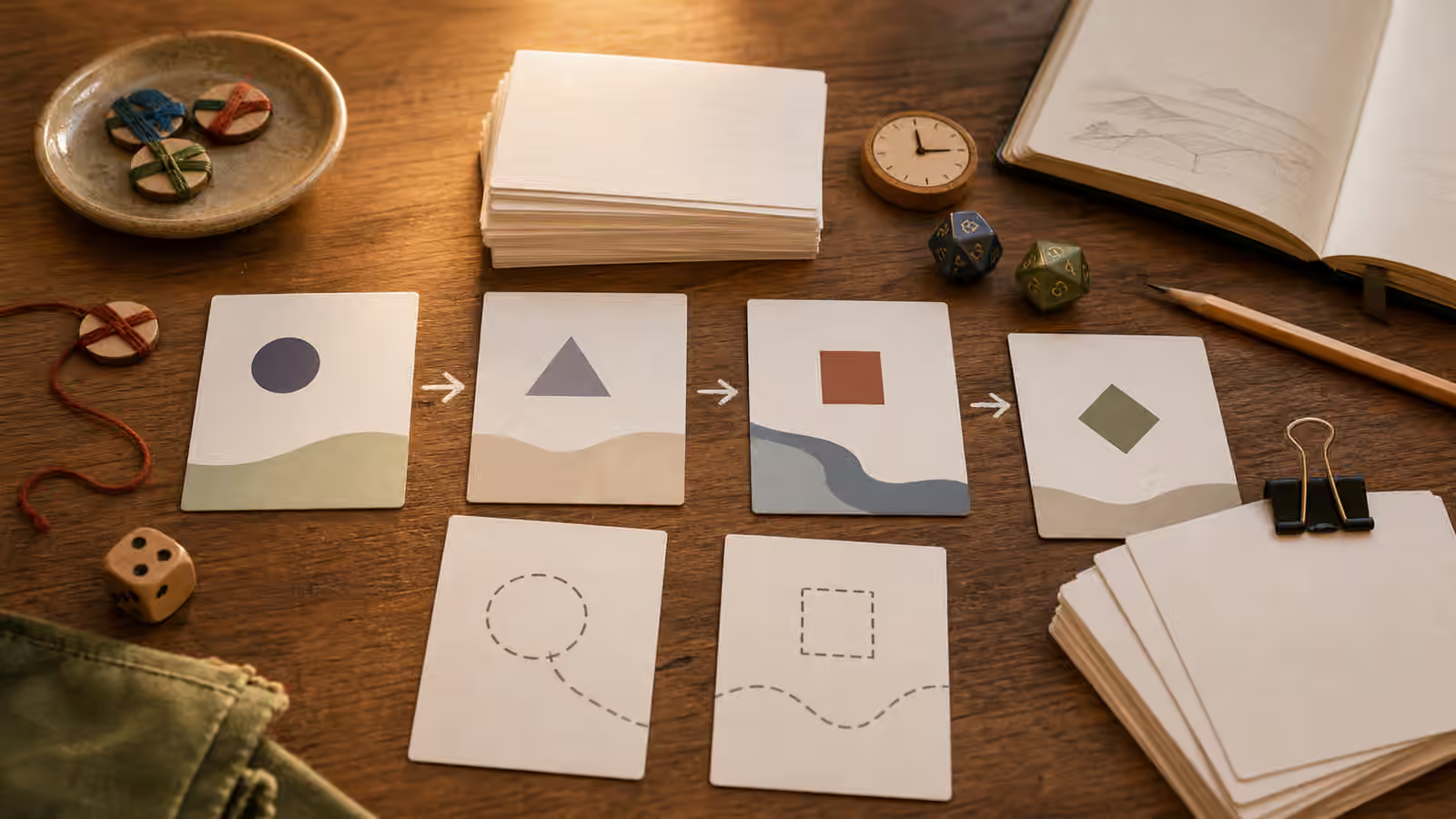
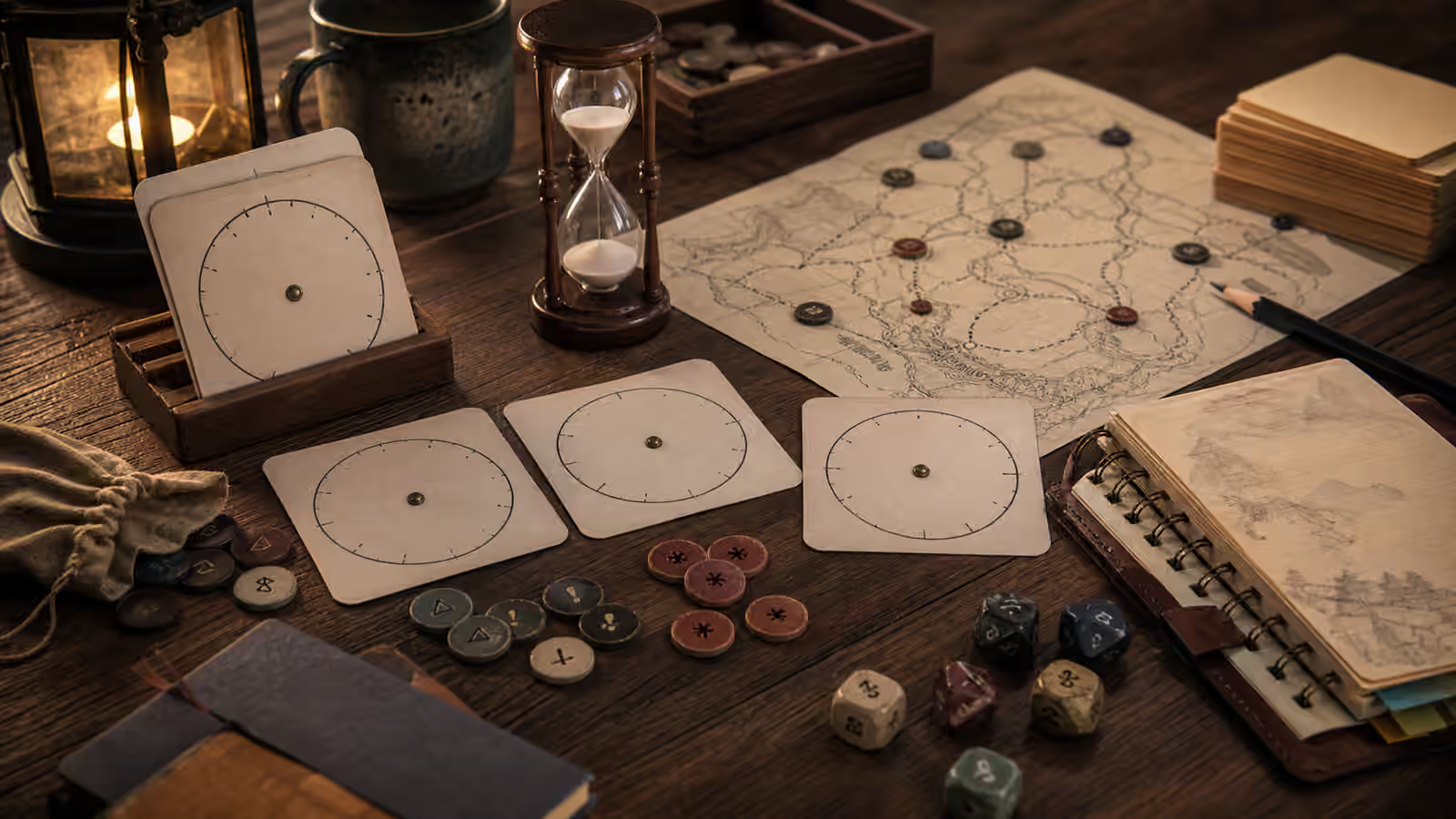
Start with one active pressure. Give it a name in your own words and draw a simple track. The track can be a row of boxes, a circle divided into wedges, a line of beads, or a card that moves across the table. Four to six steps is enough for many scenes. The track should answer a specific question: what gets worse if the character hesitates, fails, makes noise, spends too much time, or ignores a warning?
Index-Card Scene Stacks for Solo RPGs works well with this habit. Put the pressure card near the scene card. When the scene changes, decide whether the pressure comes with it, stays behind, or resolves. A clock that is always present can flatten the world. A clock attached to the right scene can sharpen it.
Advance Clocks for Fictional Reasons
A clock should not advance only because the player forgot to check it. It should advance when something in the fiction gives it reason. A failed lockpick makes noise. A long rest gives the patrol time. A bargain costs trust. A harsh weather roll fills the storm track. A repeated question makes the suspect wary. The movement should feel connected enough that the player can learn from it.
This does not mean every advance needs a paragraph of justification. Solo play benefits from quick handling. The reason can be a sentence: “The lantern stayed lit too long, so the cave attention clock advances.” “The market scene took all afternoon, so the rival reaches the inn first.” “The oracle answer was a complication, so the bridge damage clock fills one wedge.” That sentence makes the pressure part of the story instead of a punishment dropped from outside.
Randomness can help, especially when you do not want to decide how harsh the world is. A die can tell whether the front advances during travel. A card suit can decide which pressure moves. A token draw can reveal whether the delay mattered. Balancing Randomness and Choice in Solo Play is useful because pressure should create friction without stealing authorship.
Let Fronts Have Direction, Not Detail
A front does not need a full villain plan. It needs direction. “The flood rises.” “The archive closes.” “The rival buys allies.” “The forest forgets paths.” “The inn’s patience runs out.” Direction is enough to create consequences. Too much detail can spoil your own surprise.
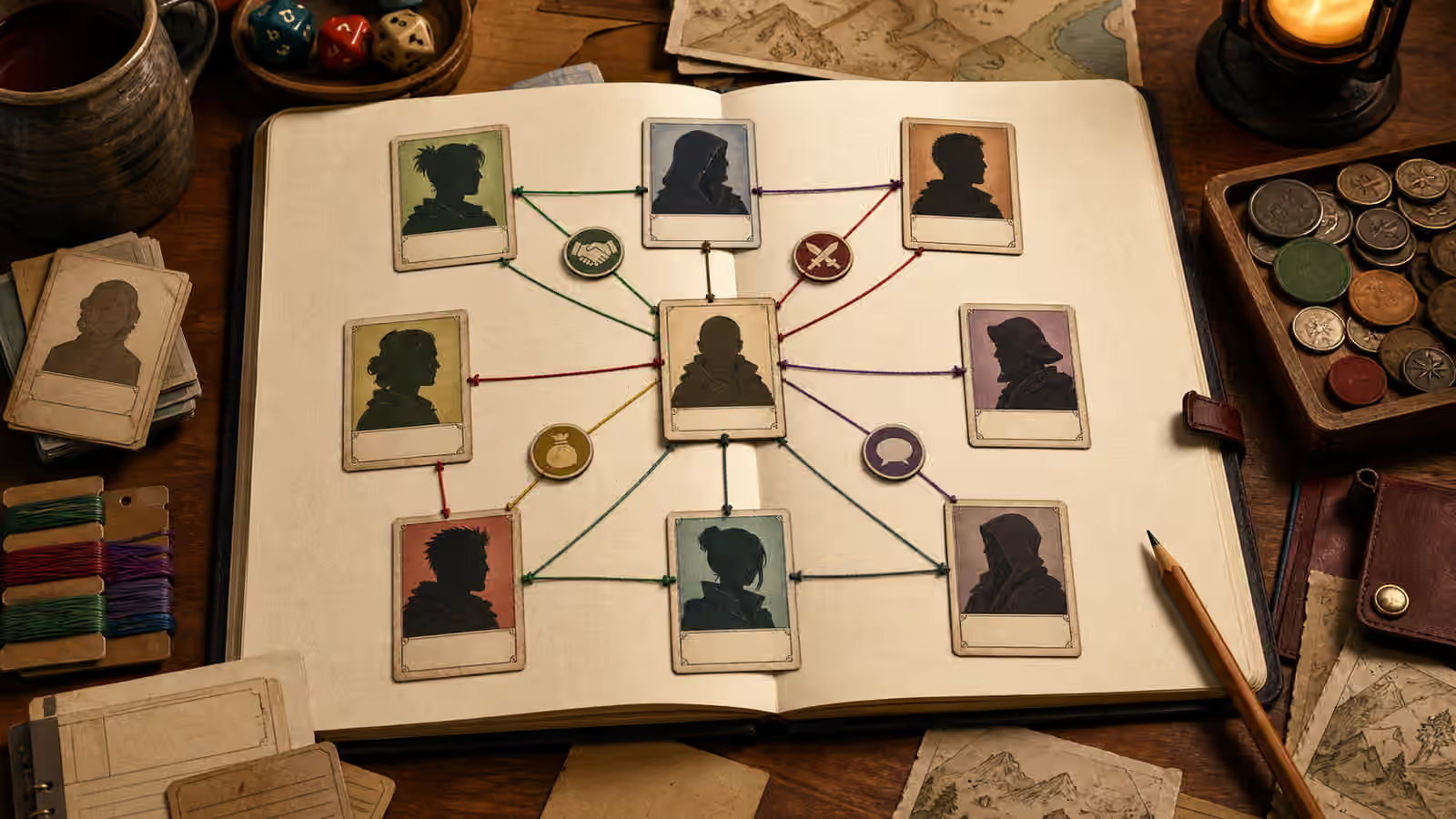
Write the front as a pressure phrase and two visible signs. If the flood rises, the first sign may be water in the cellar and the second may be the bridge guard leaving post. If the rival buys allies, the first sign may be colder shopkeepers and the second may be a false rumor reaching the party. Keep the signs loose enough that the oracle can interpret them. The front should suggest scenes, not dictate a novel.
This pairs naturally with Encounter Tables With Consent Boundaries . A front can add urgency without violating tone. If tonight’s content band is gentle, the front may be lost time, a missed festival, or a shop closing early. If the session allows more peril, the front may threaten supplies, reputation, or a dangerous route. Pressure is not the same as intensity. It can be small and still meaningful.
Make Timers Physical When Attention Is Thin
Some timers are fictional, and some are physical. A sand timer, kitchen timer, phone timer, row of tokens, or page flag can remind you that a scene has a shape. Physical timers are useful when the main risk is wandering away from play. They can also be too demanding. A real-time timer may create stress that does not belong at a quiet table.
Use real time sparingly. It works for small decisions: choose a route, write the first sentence, resolve the market, stop reading and play the next move. It works less well for emotional scenes, access needs, rules learning, or anything that requires breaks. If the timer makes the game less available to the body at the table, it is the wrong tool.
Fictional timers are more flexible. A travel route has three daylight marks. A ritual has five interruptions before completion. A suspect’s patience has four notches. These timers advance through play rather than minutes. They support pacing without punishing someone for needing to stand up, answer a door, or reread a card.
Let Filled Clocks Change the Situation
A full clock should do something specific enough to matter. It does not need to end the campaign. It can close a route, introduce a cost, change a relationship, remove an opportunity, reveal a new problem, or force a choice. If nothing happens when the clock fills, the track was decoration. If the result is always catastrophic, the player may become afraid to act.
Aim for change, not automatic failure. The rival arrives first, so the conversation starts colder. The storm breaks, so the safe road closes and the old tunnel becomes tempting. The guard alarm fills, so stealth ends and negotiation begins. The debt comes due, so the next reward has a claim on it. These consequences keep the fiction moving.
When a clock fills, write the change in the campaign log. Campaign Log Review: Remember Enough to Want the Next Session helps because pressure only matters if the new state survives the evening. The log does not need to preserve every tick. It needs to preserve what changed and where play begins next.
Retire Pressure Cleanly
Not every clock deserves to stay. Some expire when a scene ends. Some become irrelevant after a choice. Some resolve because the character abandons the route. Some should be retired because they are making the session heavy. Solo pressure tools are supports, not obligations.
At the end of play, look at each active front and ask whether it still creates a useful next move. If it does, keep it visible. If it no longer matters, close it with a sentence. If it became too intense, soften or remove it in line with your boundaries. The private table is allowed to adjust pressure without needing to justify the change to an audience.
Clocks, timers, and fronts are good when they save memory and create motion. They are poor when they multiply tasks. Use one pressure clearly, advance it for fictional reasons, let it change the world, and retire it when it has done its work. The solo table will feel less like waiting for the story and more like answering a world that is already moving.