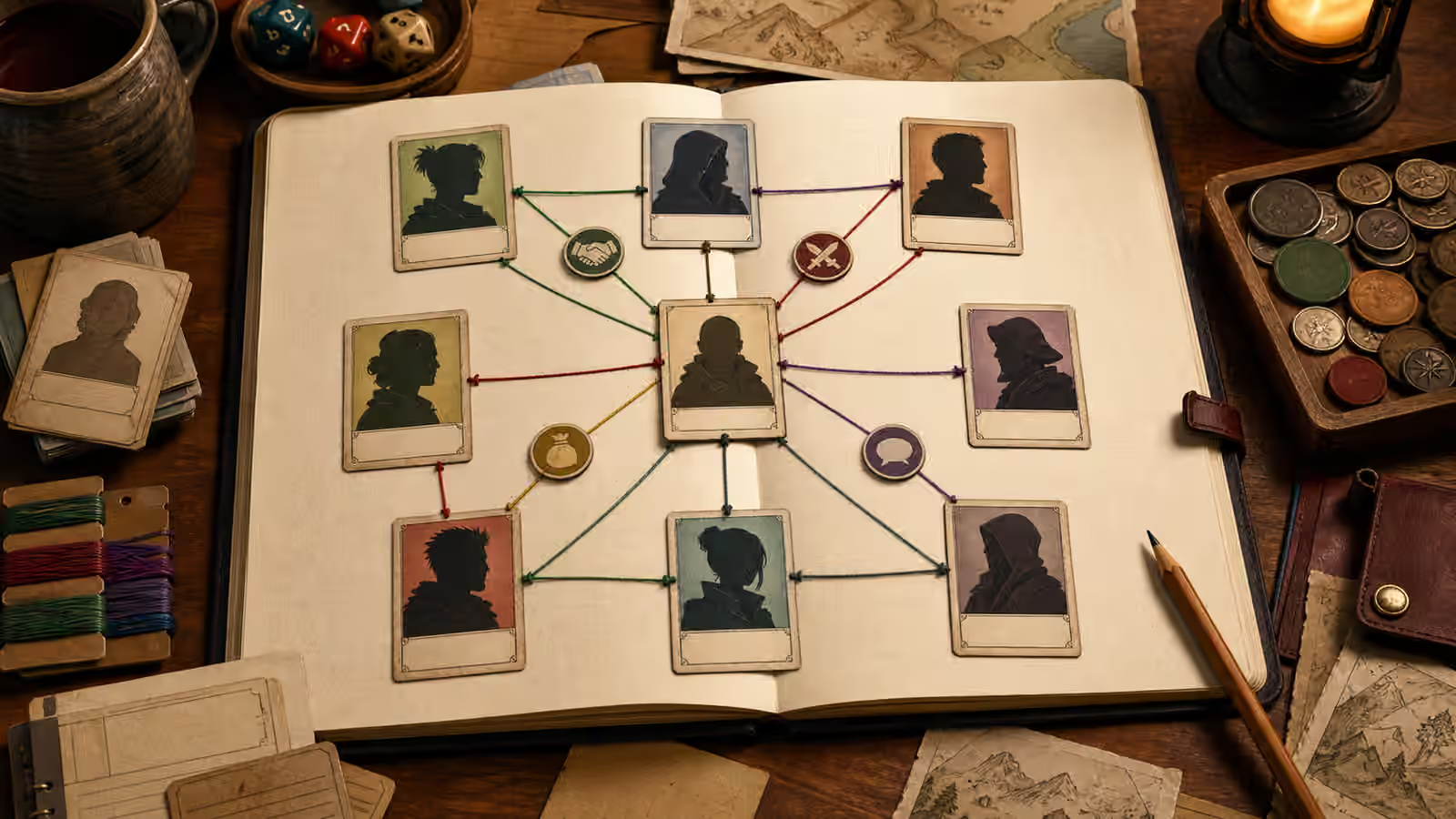
A character keeper sheet is not only a stat sheet. In solo play, it is the place where the character becomes easy to return to: what they want, what they promised, what hurt, what they carry, who matters, what changed, and what question still points forward.
Keep Fewer Fields
Start with six fields: name or role, current want, useful strength, costly habit, important connection, and open question. Add game statistics only where the rules require them. If the official game has a sheet, use it as intended, then add a small private keeper note beside it rather than copying or redesigning protected forms for public use.
The keeper sheet is allowed to be plain. A half-page with large boxes may work better than a beautiful dense spread.
Track Changes, Not Everything
After each session, change one to three items. A promise was made. A tool was lost. A location became unsafe. A relationship warmed. A scar matters. A question moved from mystery to answer. These changes are more useful than a full recap because they help the next decision.
If you are playing a cozy journaling game, keep emotional changes light and consent-aware. If a prompt pushes into content you do not want, move the change to an object, place, or relationship boundary.
Make It Accessible
Use high contrast, large writing, symbols, or color zones. If handwriting is hard, use index cards, sticky labels, voice notes, or a digital note alongside the analog table. Accessibility tools do not make the session less analog. They make the table usable.
For longer campaigns, keep one “current state” card in front and archive older sheets behind it. You should not have to read the whole campaign to remember what the character wants tonight.
Add a Restart Line
End every update with one sentence: “Next time, this character will…” Make it physical or fictional enough to start from: open the sealed letter, ask the innkeeper about the bridge, check the western path, repair the lantern, apologize to Mara.
That line is the character’s return point. It turns the sheet from a record into a playable object.