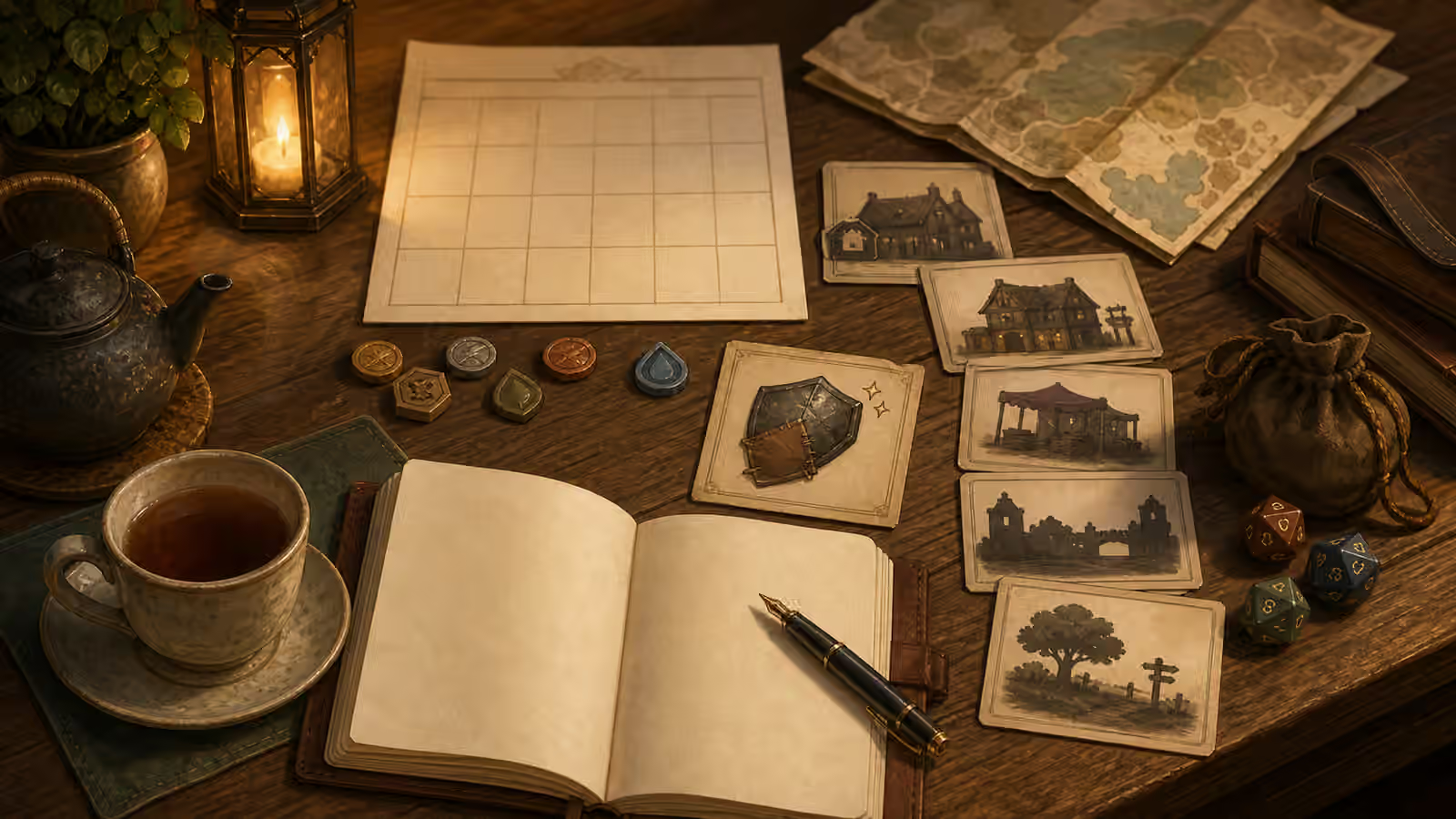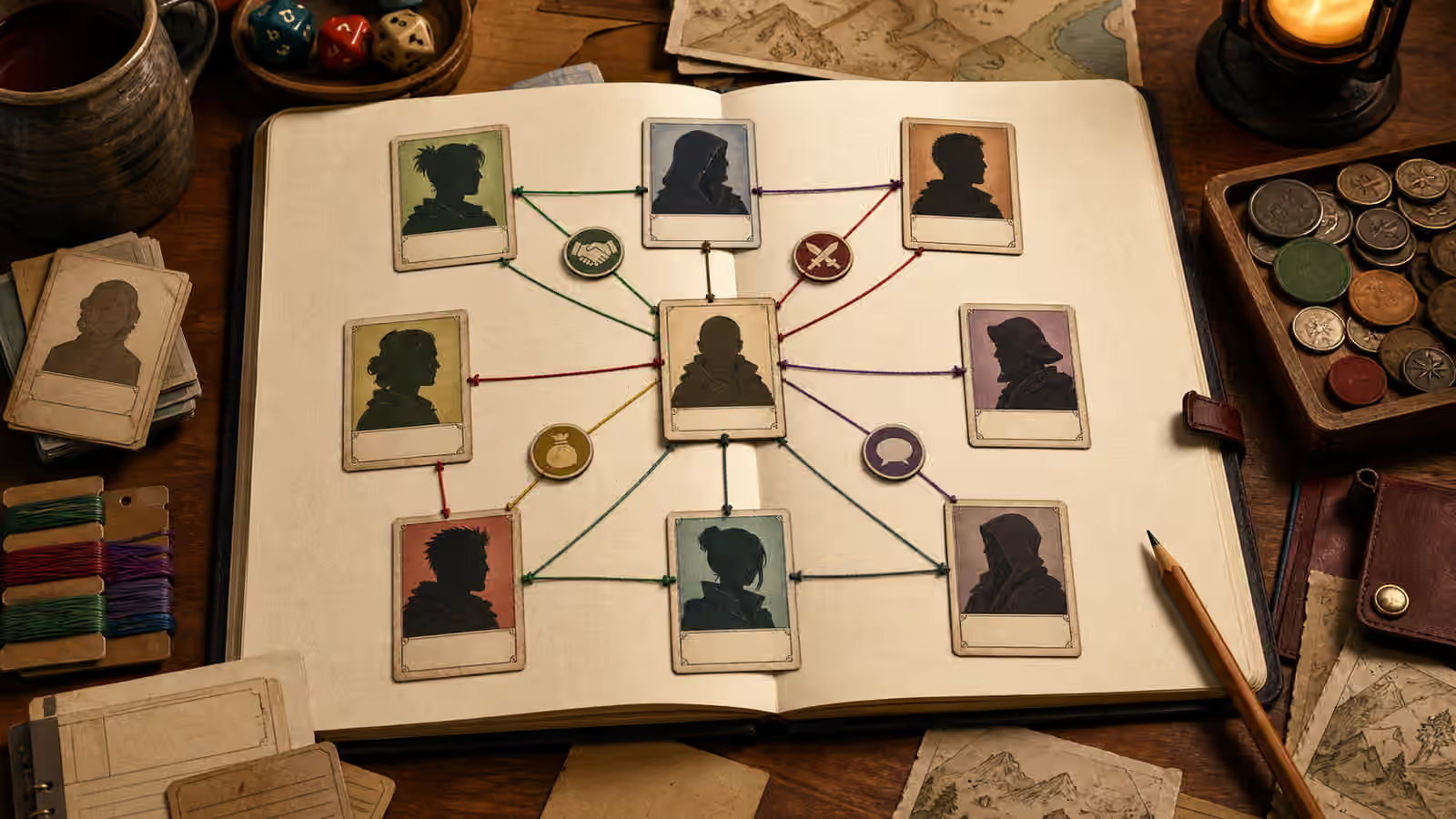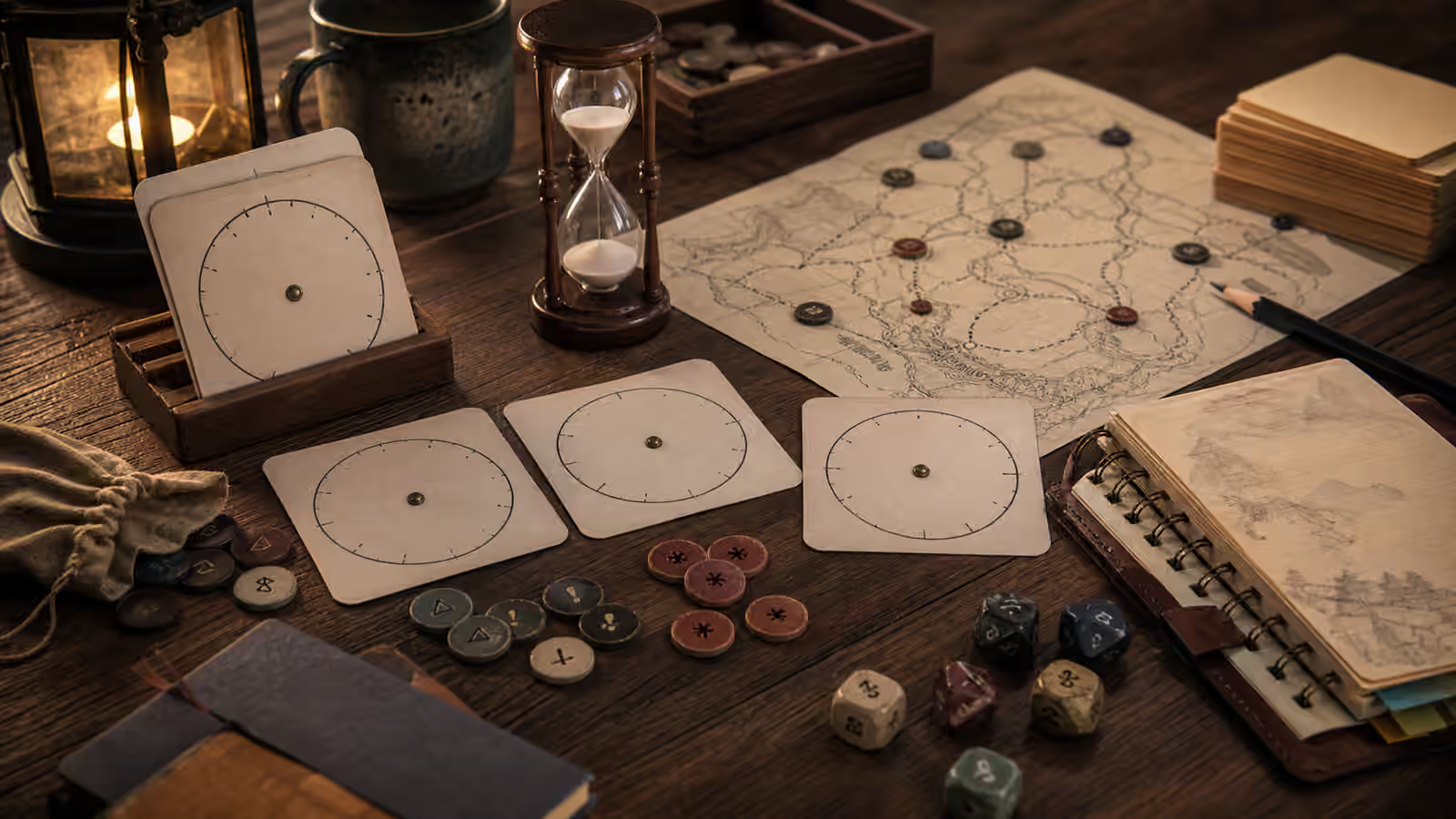
Dice are useful, but they are not the only way to invite chance. Cards, coins, token pulls, beads, dominoes, and tiny draw bags can make solo play more tactile, more portable, or easier to read. The right randomizer is the one that gives the session usable surprise without adding lookup fatigue.
Use Cards for Memory and Suits
A deck can hold more state than a die. Red or black can answer yes/no. Suits can stand for people, places, resources, and trouble. Ranks can suggest intensity. Drawing without replacement makes outcomes change over time, which can feel useful in travel, investigation, or resource games.
Use blank cards or ordinary cards for private play. Do not copy art from proprietary oracle decks or published card games.
Use Coins for Binary Questions
Coins are good when a question really has two useful answers. They are weak when the scene needs nuance. If you keep flipping because neither answer feels right, the question is probably too broad or the table needs “yes, but” and “no, but” options.
Coins are quiet, portable, and easy to pack. They also work well when dice are hard to read.
Use Token Pulls for Scarcity
Put colored tokens or beads in a bag. Each color can mean safe, clue, cost, delay, danger, or boon. Because tokens are removed, the bag changes. That makes scarcity visible. It is useful for journeys, countdowns, weather, supply, and faction pressure.
Small parts need storage, especially around children. Use larger tokens if choking hazards or dexterity are concerns.
Build a Tiny Kit
A practical kit can be one d6, one coin, ten tokens, six blank cards, a pencil, and a folded note explaining what each item means. Keep it unbranded, cheap, and replaceable.
The kit should reduce setup friction. If it becomes another collection project, shrink it.