A personal solo tabletop shelf should grow from play patterns, not pressure. The question is not how many boxes prove you belong. The question is which materials keep inviting you back to a table you can actually set up.
Start With Roles
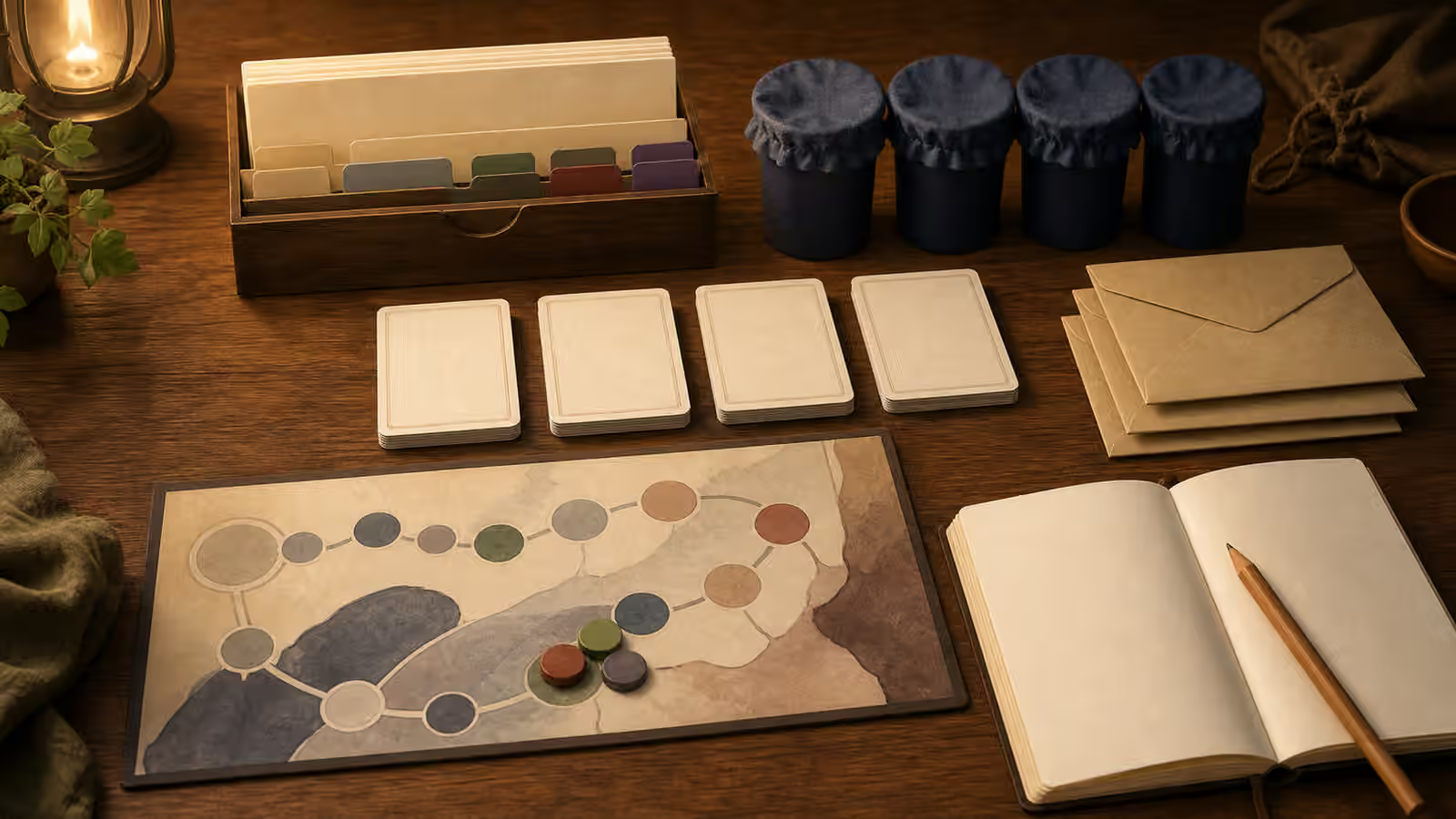
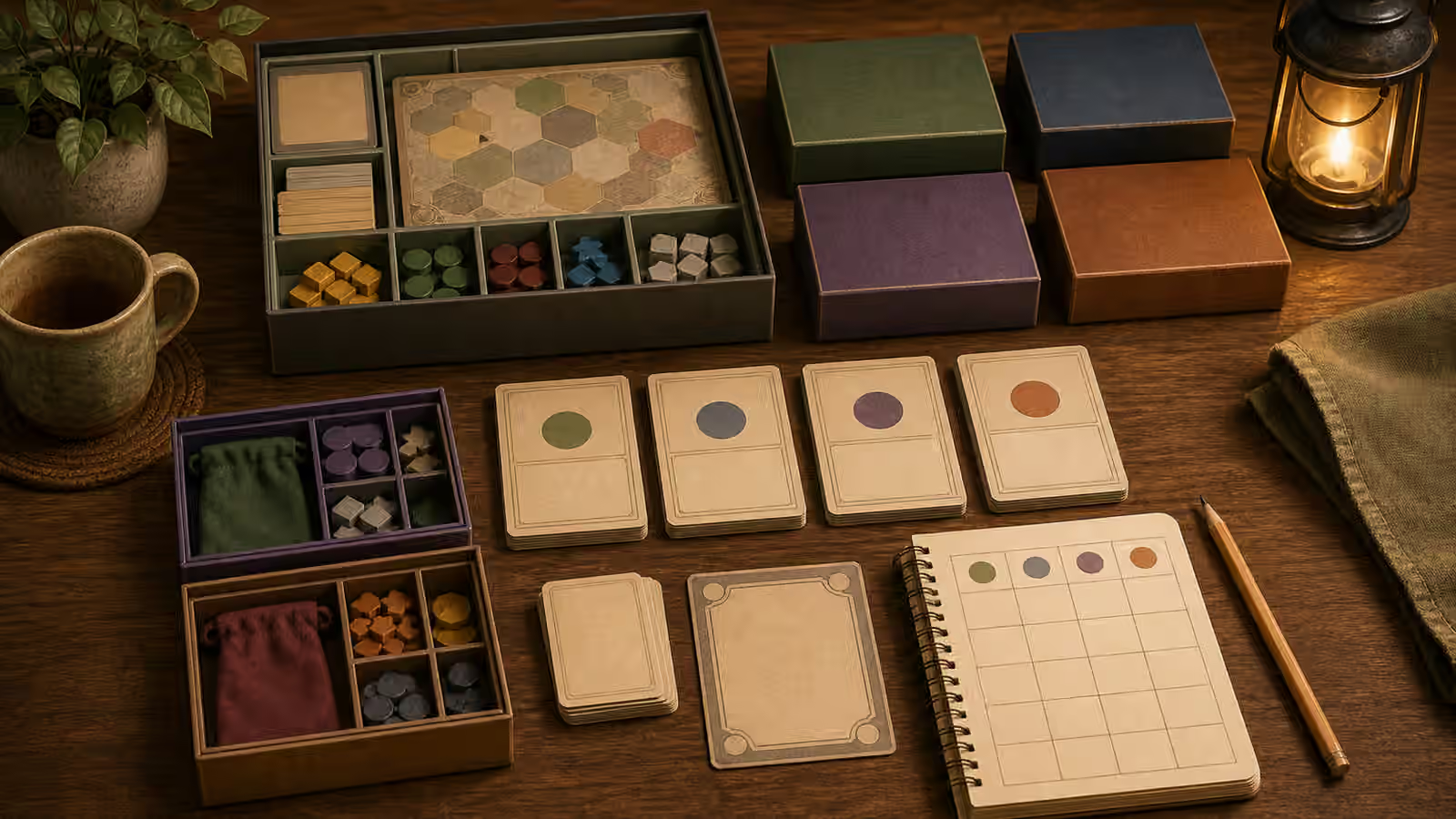
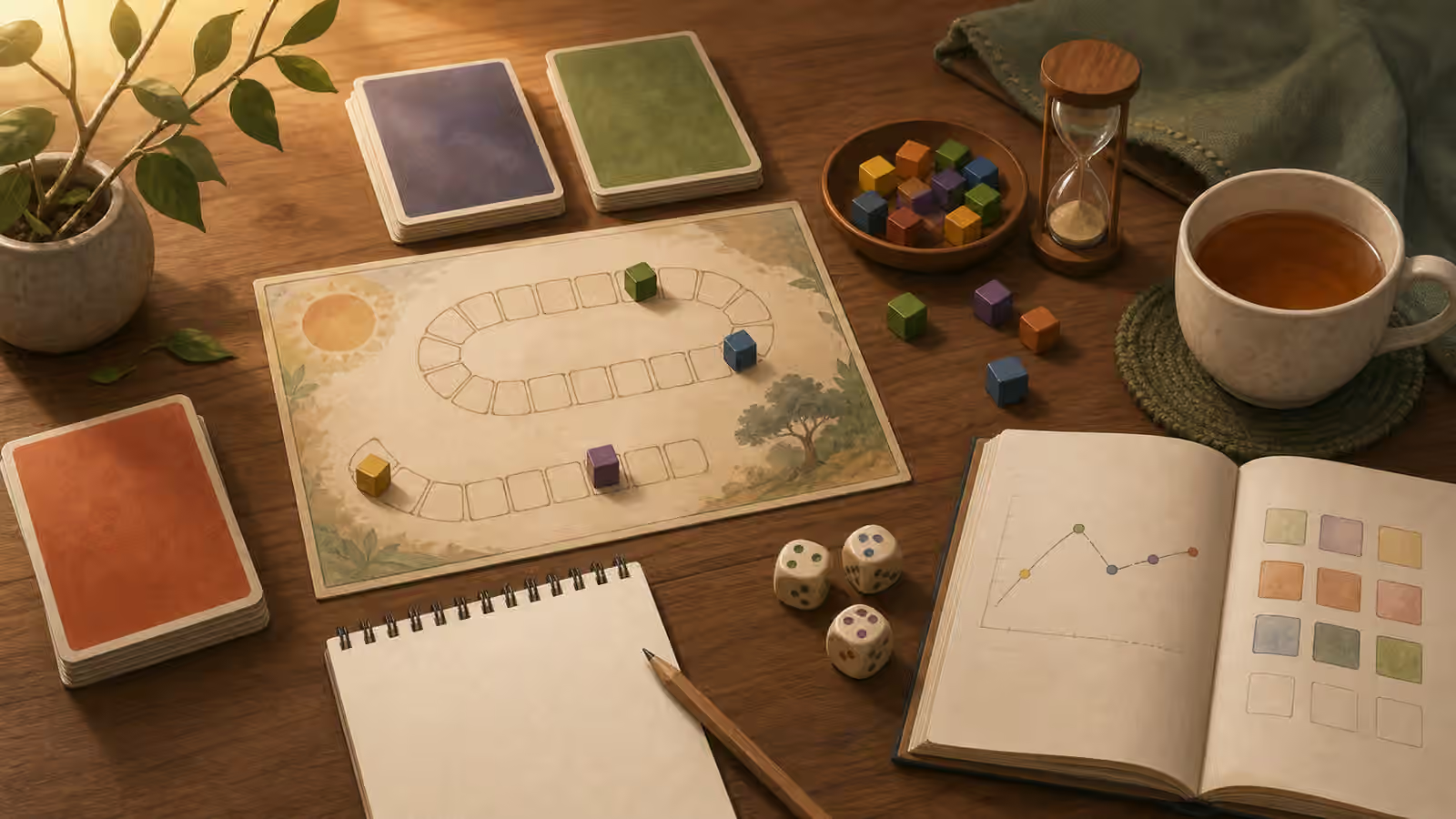
Give the shelf roles before buying: quick game, journaling game, map game, tactical puzzle, campaign box, zine stack, dice and randomizers, current notebook. Fill roles slowly. A shelf with five played items can be stronger than a shelf with fifty obligations.
Name the roles from your real play windows. If you mostly have weeknights, a quick reset game may matter more than a prestige campaign. If you love writing, a small stack of journaling games may earn more space than another box of miniatures. If a friend sometimes joins, keep one duet or cooperative option visible.
Replay Before Expanding
Replay teaches taste. If a game survives several sessions, it deserves space. If a game only creates guilt, retire, trade, gift, or archive it respectfully.
After each session, write one shelf note: keep, retry, learn later, lend, or let go. This keeps acquisition from pretending to be progress. It also protects good games from disappearing under newer purchases before you understand what they can do.
Plan Storage Honestly
Use the Shelf Space Planner before adding large boxes. Leave empty space for active campaigns and easy reach.
Storage is an accessibility issue as much as an organization issue. Heavy boxes should not require awkward lifting. Tiny pieces should have labels you can read. Active campaigns need one container that can move to the table without rebuilding the whole shelf. A game that is easy to reach gets more honest chances to be played.
Share Generously
When recommending games, credit creators, link official sources, and avoid gatekeeping by price, complexity, or collection size.
Community shelf posts work best when they explain use, not status. Say what a game does for your table, how long it takes, what access friction it has, and who might not enjoy it. That helps someone else make a fit decision without copying your budget or your taste.