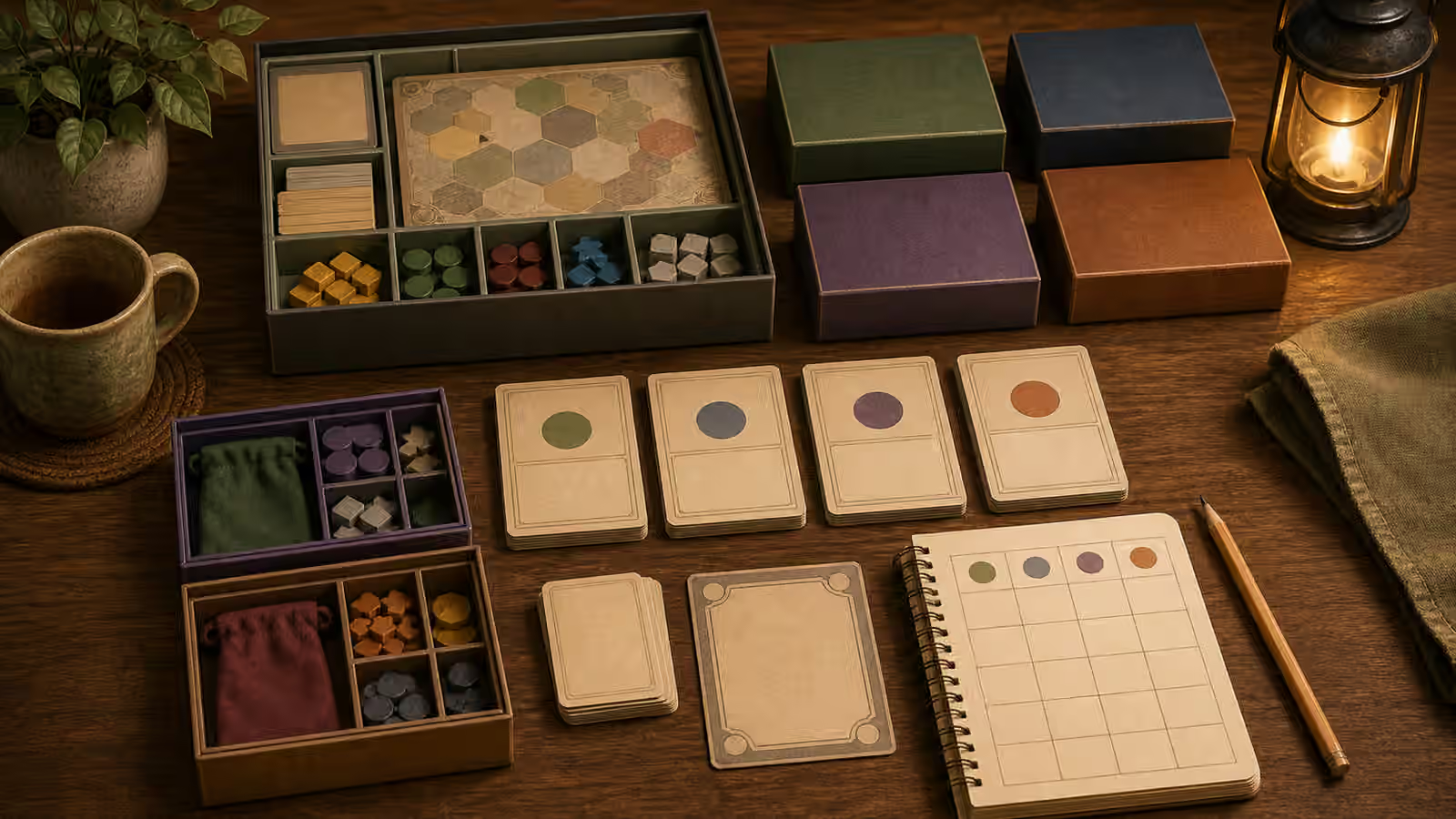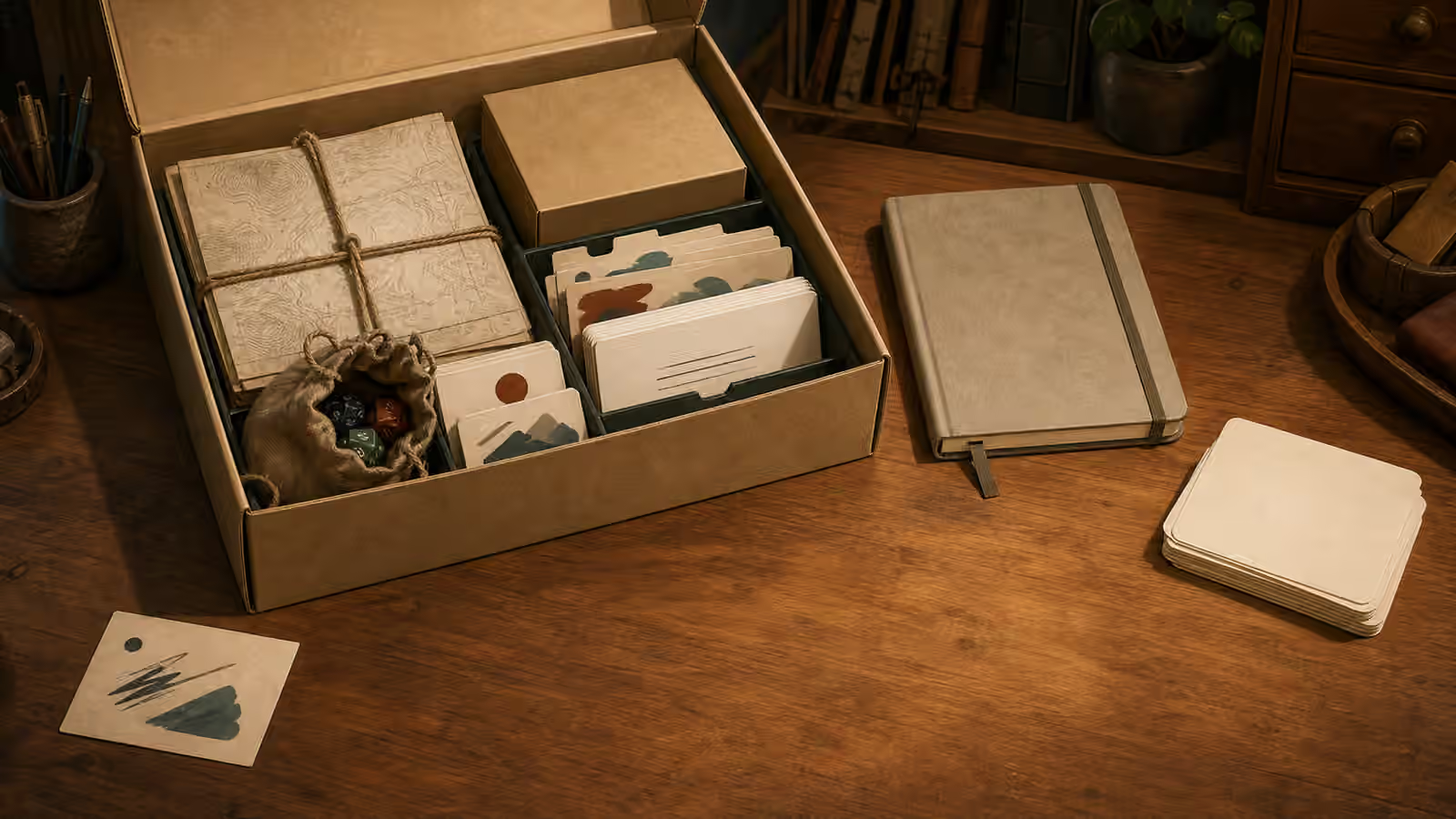
Retired campaigns deserve a better fate than a collapsing pile of paper beside the active game. They also do not need to become museum pieces. A solo campaign may end with a full epilogue, stop after a satisfying arc, pause because the system no longer fits, or simply become quiet after life changes. The archive box gives that material a clear status: remembered, protected, and no longer demanding space on the active table.
Solo Campaign Endings and Epilogues That Feel Finished focuses on closing the story. The archive box focuses on what happens after the story stops asking for weekly attention. It is a storage decision, a memory decision, and a kindness to future play. If every old notebook remains half-active, the shelf can start to feel crowded with obligations. If every old note is thrown away immediately, useful memory disappears. The archive creates a middle place.
Decide What the Campaign Is Now
Before sorting components, name the campaign’s status. Finished means the main arc has an ending. Retired means you are choosing not to continue, even if loose threads remain. Sleeping means you may return, but not soon. Abandoned is a harsher word and often less useful. A campaign can be retired with respect even if it did not reach the ending you imagined.
The status changes what goes in the box. A finished campaign may need an epilogue card, final map, character sheet, and a few key tokens. A sleeping campaign may need a clearer restart note, current state, and unresolved questions. A retired campaign may need only a summary and a small sample of the material. Do not archive by grabbing everything in frustration. Archive by deciding what future you would actually want to know.
This is close to When a Solo Game Stalls: Restart, Retire, Shrink, or Switch . The archive is not a punishment for stalling. It is one of the ways to switch cleanly.
Keep the Memory Layer Separate From the Rules Layer
Campaign material often mixes two kinds of paper. The memory layer is yours: session notes, maps you drew, character changes, open questions, epilogues, private recaps, and object lists. The rules layer may belong to the game: copied tables, printed play aids, published scenario pages, official maps, or downloaded sheets. Keeping those layers separate prevents confusion later and supports creator respect.
Put official or licensed material back with the game when possible. Keep your own notes in the archive. If a copied sheet must stay with the archive for private use, do not treat the archive as a shareable packet. A useful private box is not automatically public material. Copyright, Fan Content, and Respectful Solo Play Notes applies even when the campaign is over.
The separation also helps if you reopen the campaign. You can read your memory first without spoiling or rereading a whole published adventure. You can decide what the story felt like before reentering the rule text.
Make One Return Card
Every archive box benefits from one return card. It should sit on top and answer the questions that usually block reentry: who was the main character, where did play stop, what changed recently, what unresolved pressure remained, and what would the next scene have been if play continued. Keep it short enough to read while standing at the shelf.
For a finished campaign, the return card may be more like a memory card. It can name the final scene, the emotional tone, and why the campaign ended. For a sleeping campaign, the return card should be practical: current resources, active danger, next roll, map location, and any temporary rulings. For a retired campaign, the return card can simply say why it is retired. “System upkeep outweighed the travel story.” “The shopkeeping arc reached a good soft ending.” “The tactical map outgrew the table.” These notes prevent future you from romanticizing or repeating the same friction.
Campaign Log Review: Remember Enough to Want the Next Session already uses the habit of happened, changed, open, and next. The archive return card is that habit made durable.
Save Representative Objects, Not Every Object
It is tempting to keep every scrap because each one feels like proof that the campaign existed. But an archive box that contains everything can become unusable. Loose tokens, old scratch paper, duplicate maps, failed drafts, and obsolete trackers make it harder to find the meaningful pieces. Choose representative objects.
A representative object might be the final character sheet, a map with the route that mattered, one index card for a beloved place, the last session log, a small token that became symbolic, or the envelope that held the main mystery. Keep enough to remember the campaign’s texture. Let routine scratch work go unless it explains the ending.
If throwing away paper feels abrupt, create a holding envelope inside the box and date it. When you reopen the archive months later, the difference between memory and clutter may be clearer. Storage decisions do not have to happen at maximum emotion.
Protect Privacy and Content Boundaries
Solo campaign notes can be more personal than expected. They may include emotional scenes, private reflections, difficult themes, or material that was safe because it stayed at one person’s table. An archive box should respect that privacy. Use a closed envelope for sensitive pages. Label the outside generally, not with lurid details. Store mature material where children, guests, or casual borrowers will not open it by accident.
This is not secrecy for its own sake. It is consent after the session. A campaign that was private during play does not become public because it moved to a shelf. If you later share a recap, use Photo-Free Play Recaps and Private Campaign Memory as a model: summarize your own experience, avoid exposing copied material, and choose details with care.
Fit Archives Into Real Shelf Space
Archive boxes can multiply if every short campaign gets a full container. Match the archive to the campaign’s size. A large campaign may deserve a document box. A short journaling game may need one envelope. A board game campaign may fit inside the game box with a labeled bag. A tiny zine campaign may need only a folded sheet tucked into the notebook.
Storage for Small Game Shelves, Zines, Dice, Cards, and Campaign Notebooks matters because archive space is still shelf space. If archives crowd out active play, they stop serving the table. Set a physical limit. One shelf, one box, one binder, or one drawer can be enough. When it fills, review gently. Finished memory does not need unlimited expansion.
The archive box should make starting the next game easier, not harder. Clearing the active area is part of honoring the campaign that ended. It says the story had its time and the table is allowed to become available again.
Reopen With a Narrow Door
If you return to an archived campaign, resist the urge to reread everything before playing. Read the return card, the latest log, and one key artifact. Choose a narrow door back in: one scene, one journey, one epilogue follow-up, one unresolved promise. If the campaign comes alive, continue. If it does not, the archive still did its job by holding the memory without demanding a revival.
An archive box is a practical kindness. It protects what mattered, releases what does not need to stay active, and gives old campaigns a place that is neither guilt nor clutter. Solo play creates many small worlds. Not all of them need to keep running. Some need a good box, a clear note, and permission to rest.