Analog solo play can help attention, imagination, rest, and memory. That does not mean it has to become a productivity hack. The value of a solo tabletop ritual is not measured by output, streaks, purchases, or public proof.
Make a Repeatable Setup
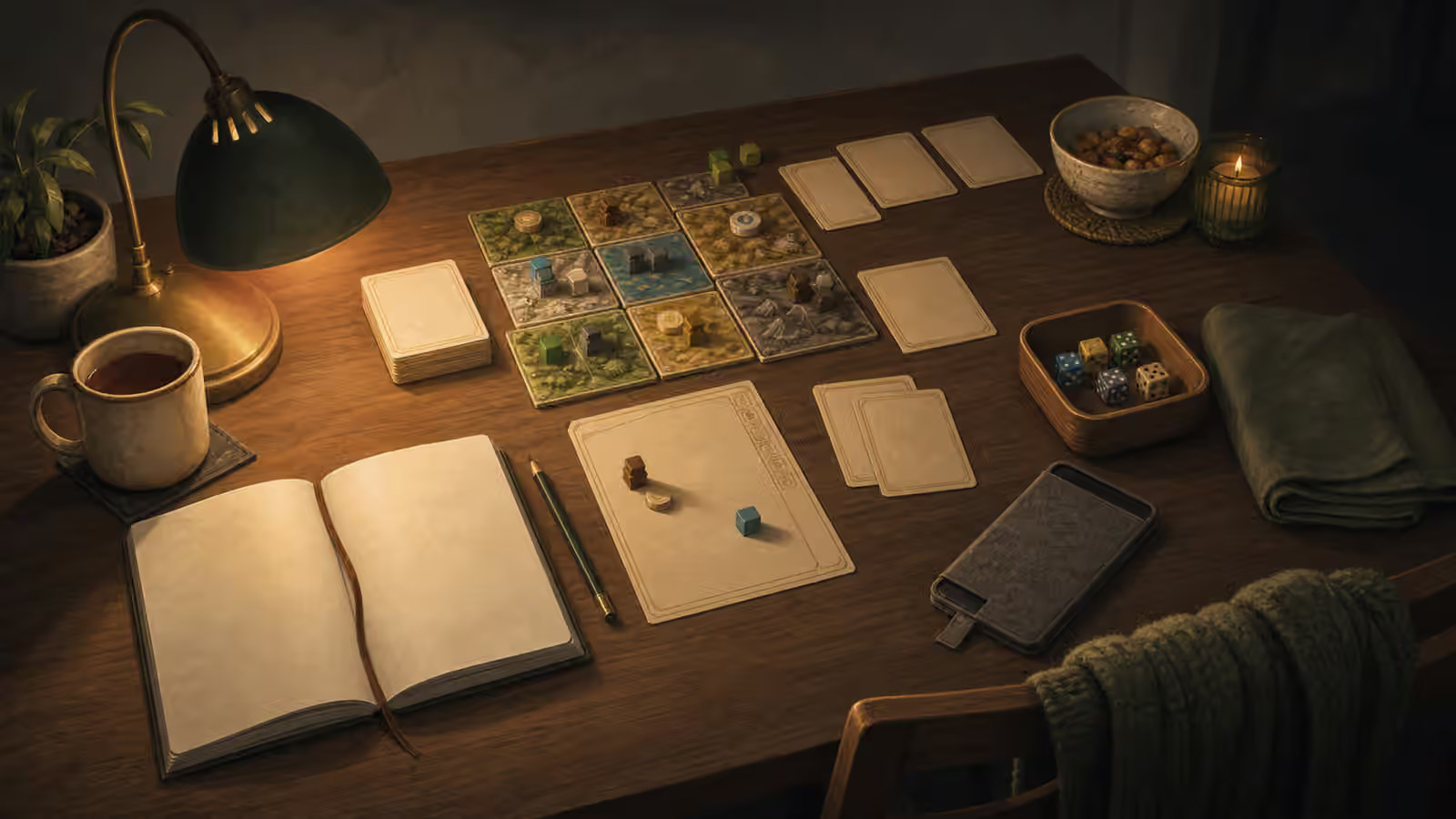
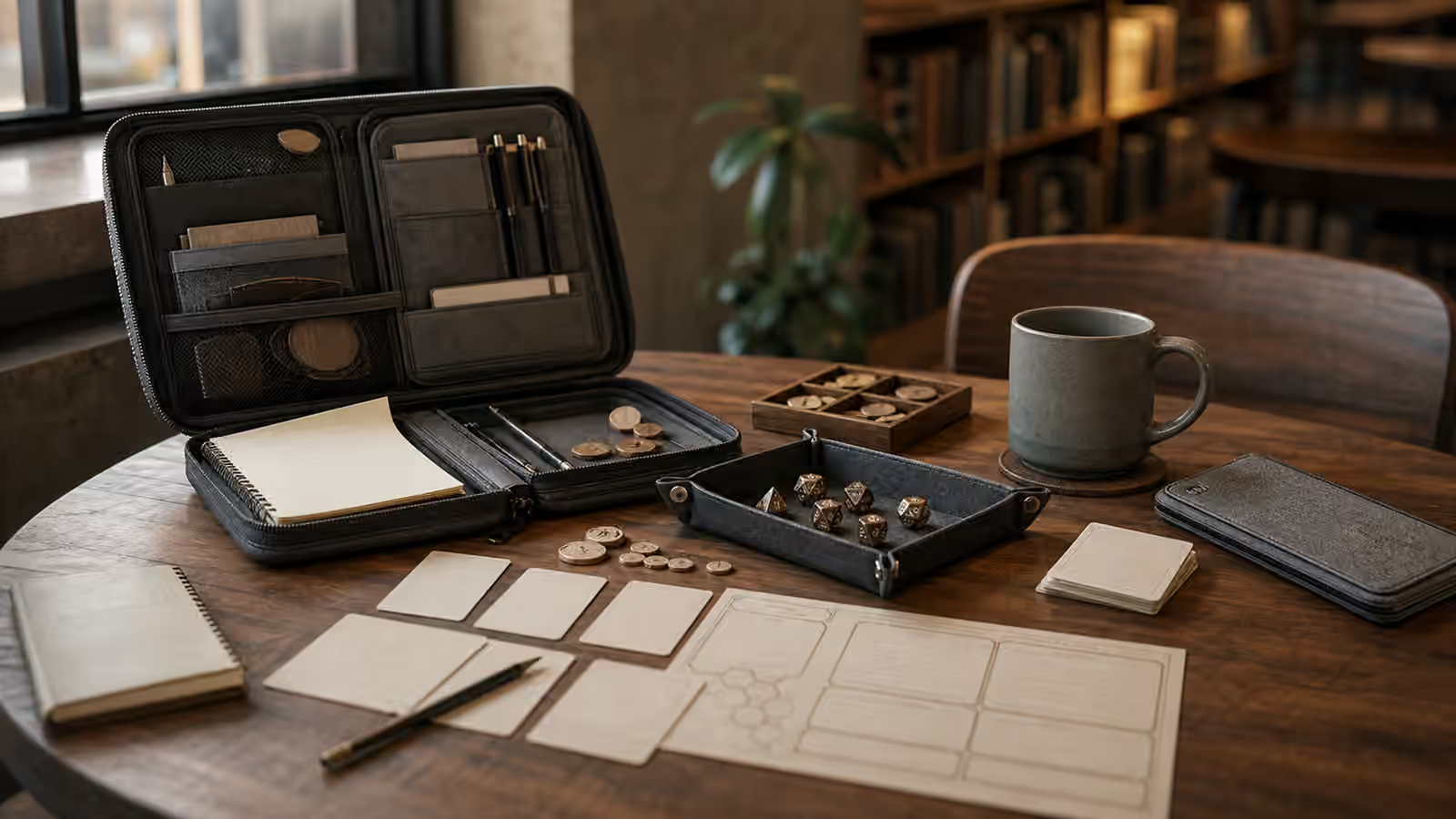
Choose a small start cue: clear table, lamp on, notebook open, dice tray placed, first prompt drawn. Repeatable setup lowers friction and gives the session a beginning.
Keep the cue cheap and durable. A bookmarked notebook, a pencil case, a folded map sheet, or one tray of active materials can do more than a dramatic table arrangement. The goal is not to create a scene worth photographing; it is to make the first minute obvious enough that tired-you can still begin.
Let Play Be Play
Your journal does not need to become content. Your map does not need to become art. Your campaign does not need to teach a lesson. It can simply be a recurring creative practice.
Give yourself permission to leave rough marks. Crossed-out names, crooked rooms, short entries, and unfinished scenes are evidence of play, not failure. If sharing would make the session performative, keep it private. If sharing helps you connect with a respectful community, credit creators and avoid posting copied rules, tables, or maps.
Keep Screens Neutral
Analog play can sit beside PDFs, timers, music, digital dice, and online friends. The ritual is about the table you choose tonight, not a moral rank.
Screens can also be access tools. Use magnification, reminders, reference PDFs, audio, or a notes app when they help the session fit your body and room. A good ritual is chosen attention, not purity.
Close With Memory
Write one line for return. Then put materials away with care. The ritual continues because it can restart.
That closing line should answer one practical question: where am I, what is unresolved, what do I roll or decide first next time, or what rule should I reread? Add any access note that would make the next session easier, such as brighter light, fewer tokens, larger print, or a shorter setup.